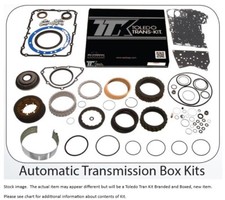
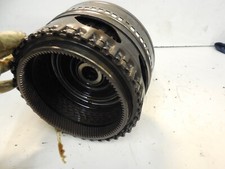
Early five-speed Mercedes automatics from the late 1990s are now old enough that worn friction material and hardened piston seals are a normal finding. If your C-Class, E-Class, S-Class or ML from 1996 to 2001 slips, engages late or has fluid that smells burnt, this 722.6 banner rebuild kit supplies the soft parts for a proper overhaul. It combines a complete paper-and-rubber overhaul kit with all the frictions the rebuild calls for. Steels are not included, which keeps the price down when your original steel plates are still flat and clean.
What the banner rebuild kit does in a 722.6
The 722.6, also sold to Chrysler as the NAG1, went into production for the 1996 model year. It was one of the first five-speeds to use load-sensitive working pressure and electronically controlled clutch overlap, so each shift is a timed handoff between one clutch or brake releasing and another applying. That handoff only works when every friction pack and piston seal holds the pressure the valve body sends it. Worn frictions slip during the overlap, and leaking seals make the transmission control unit see longer shift times than it expects. This kit replaces the lined plates and every gasket, seal and sealing ring in a standard overhaul, so the hydraulic circuits and clutch packs are restored together. Depending on production batch, the friction module may come from Exedy, Raybestos or Borg Warner.
Symptoms this kit addresses, and one it does not
- Slipping under load or a delayed engagement into Drive or Reverse
- Burnt fluid with friction material in the pan or on the filter
- Leaks from internal piston seals that show up as harsh or late apply
- Shift times that keep getting longer even after an adaptation reset
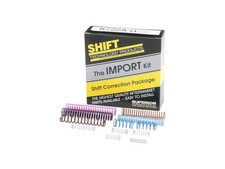
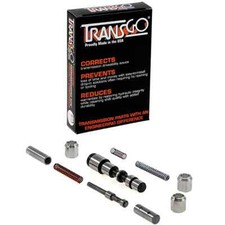
Be careful with one classic early 722.6 complaint. A flare on the 2-3 or 4-5 upshift, or a neutral feel on the 5-4 and 3-2 downshifts under load, is often caused by wear in the working pressure regulator valve bore or the overlap regulating sleeves, not by burnt clutches. Transmission Digest and Sonnax both document this valve body wear on early units. If that is your symptom, a banner kit alone may not fix it.
How to confirm it before you buy
Check the fluid level the factory way, at the specified temperature through the fill tube, and read the stored codes before anyone opens the pan. Conductor plate and speed sensor faults, and the classic pin-connector oil leak, can mimic internal slipping and cost far less to fix. Our 722.6 common problems and fixes guide covers that order of checks, and the E-Class shift problems guide separates valve body flare from true clutch wear. If the pan shows heavy friction debris, the overhaul is the right call.
Fitment
This kit is listed for 722.6 automatic transmissions from 1996 to 2001, automatic only. That covers the early five-speed Mercedes applications of that era, including C-, E-, S-Class and ML models. The 722.6 stayed in production for many years with changes along the way, so confirm the 722.6 code on your transmission ID plate and the build year before ordering. A 2002 or later unit is outside this kit's listed range. When in doubt, send your year and VIN before ordering. Every Mercedes kit and hard part we carry is in the 722 transmission parts collection.
Install notes
- Pre-soak every friction in clean fluid and lubricate new piston seals before pressing pistons into their drums.
- Because steels are not supplied, inspect yours closely. Any steel with blue heat marks or warping should be replaced, and clutch pack clearance measured with the plates you actually install.
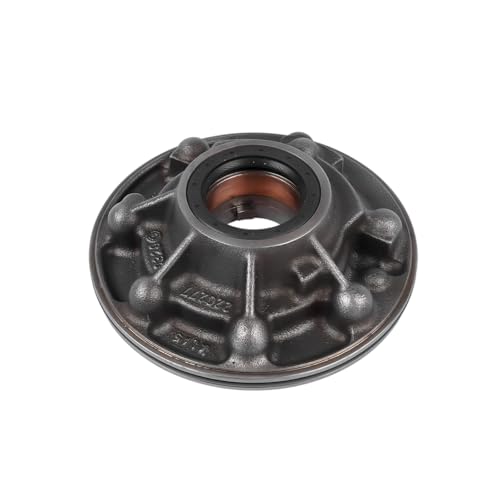
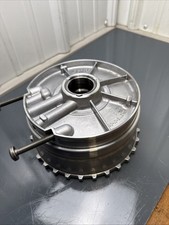
- Replace worn bushings and check the drums for scored seal surfaces. A cracked or worn 722.6 clutch drum will undo a fresh seal job.
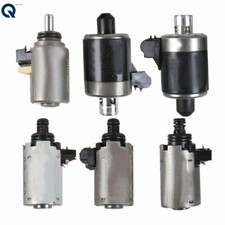
- While the valve body is out, consider a 722.6 solenoid kit and a new conductor plate if yours shows sensor faults.
- Refill with the Mercedes-approved fluid for your build. Early units were filled with 236.12 or 236.13 fluid, while the later 236.14 sheet covers most 722.6 variants. Follow the factory level check procedure, then clear adaptations and complete a road-test relearn.