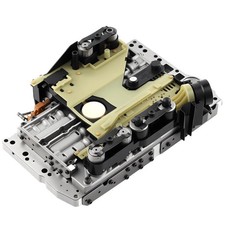
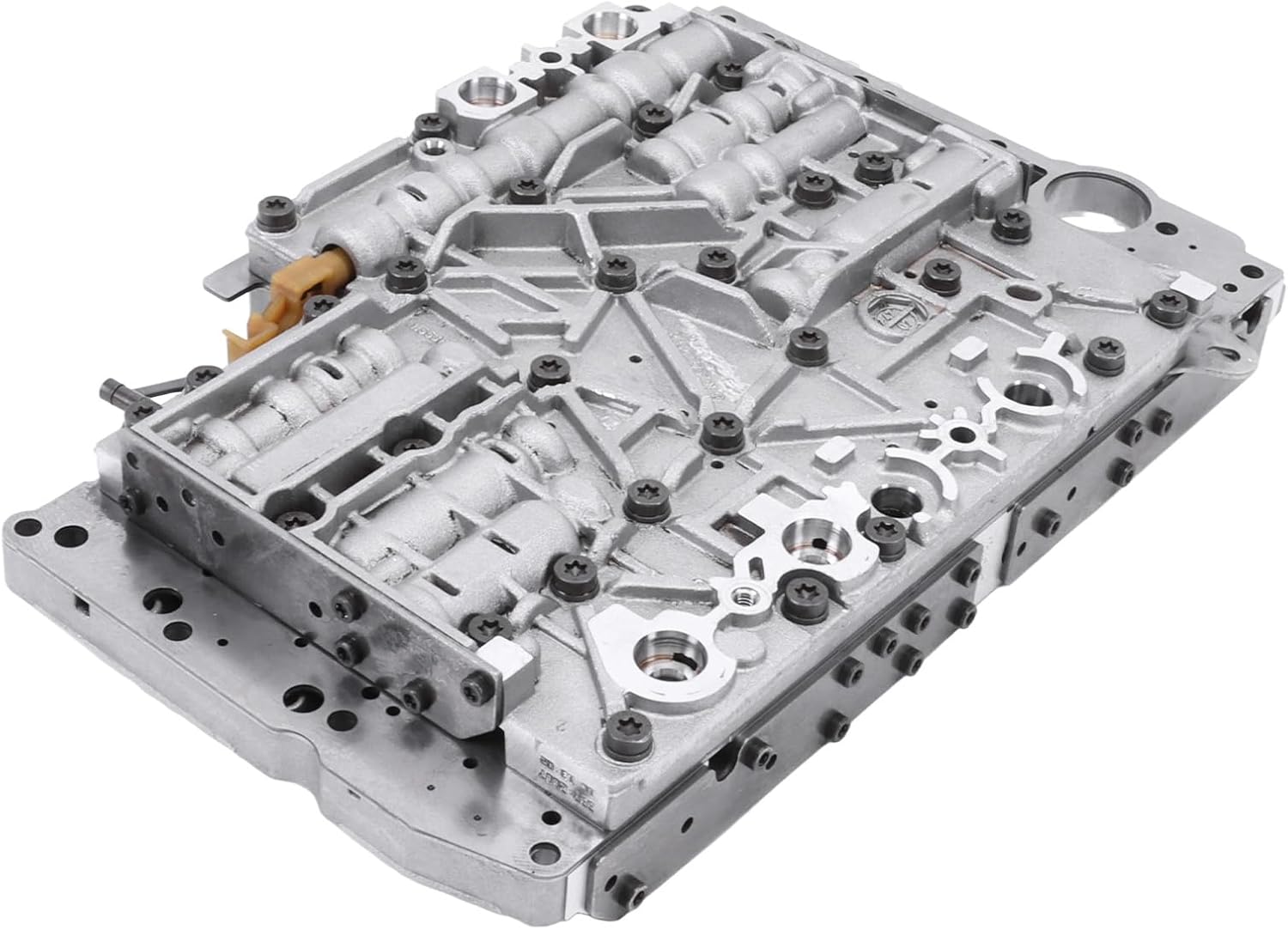
This remanufactured 722.6 valve body was built around the 2017 Jeep Wrangler JK with the 3.6L Pentastar and the five-speed automatic, the transmission Chrysler calls the W5A580 and most shops call the NAG1. It comes as a complete hydraulic and electrical package: the valve body casting, the conductor plate and the solenoids, already assembled and tested. If your Wrangler flares between gears, bangs into reverse, drops into limp mode in second gear, or keeps setting solenoid and ratio codes after a fluid service, this is the assembly that usually sits behind those complaints.
What the valve body does in a W5A580
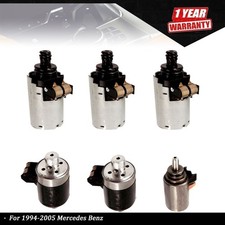
The NAG1 has no bands in the usual sense; it shifts by applying and releasing clutch packs and brakes, and every one of those apply circuits is fed from this casting. Line pressure from the pump is trimmed by the working-pressure regulator and the modulating-pressure circuit, then the shift solenoids open each shift valve on command from the separate transmission control module. The conductor plate sits on top and carries the wiring that ties the solenoids and the internal speed and temperature sensors back to the round pass-through connector in the case. Because the Wrangler TCM depends on the internal speed sensors to judge every shift, a cracked conductor plate and a leaking valve body bore can look almost identical from the driver's seat, which is why replacing them together as one tested unit removes a lot of guesswork.
Symptoms on a 2017 Wrangler
- Flare or slip on the 2-3 and 4-5 upshifts, often worse once the fluid is hot after highway or trail use
- Neutral flare on the 5-4 or 3-2 coastdown as you slow for a stop
- Delayed or harsh engagement into drive or reverse
- Limp mode stuck in second gear with stored solenoid, speed sensor or gear ratio codes
- Fluid wicking into the harness at the round case connector, a known NAG1 leak point that can damage the conductor plate
How to confirm it before you order
Read the codes and freeze-frame data first with a scan tool that can talk to the Chrysler TCM, and check fluid level the correct way at operating temperature. Speed sensor codes with clean wiring point toward the conductor plate; flare and slip with no electrical codes point toward worn valve bores. Our 722.6 valve body symptoms and testing guide walks through the bore wear patterns and vacuum-test method, and the 722.6 speed sensor symptoms guide helps separate a sensor fault from a hydraulic one. If the fluid is black and full of friction material, the clutches are likely done too, and a valve body alone will not fix that.
Fitment
This listing is matched to the 2017 Jeep Wrangler 3.6L automatic. The rebuilder notes the same assembly design across Chrysler and Dodge NAG1 vehicles from 2006 on, but conductor plates, connector styles and calibrations changed over the years, and Mercedes-Benz badged 722.6 units do not always interchange with Chrysler builds. Match your old unit's casting and conductor plate against the photos, or send us your year and VIN before ordering. Other model years and versions are in the 722.6/722.9 transmission parts collection, including the 722.6 NAG1 valve body assembly for other Jeep and Dodge applications.
Install notes
- Drop the pan, remove the filter and unplug the case connector adapter before unbolting the valve body; support it as it comes down so the solenoids are not damaged.
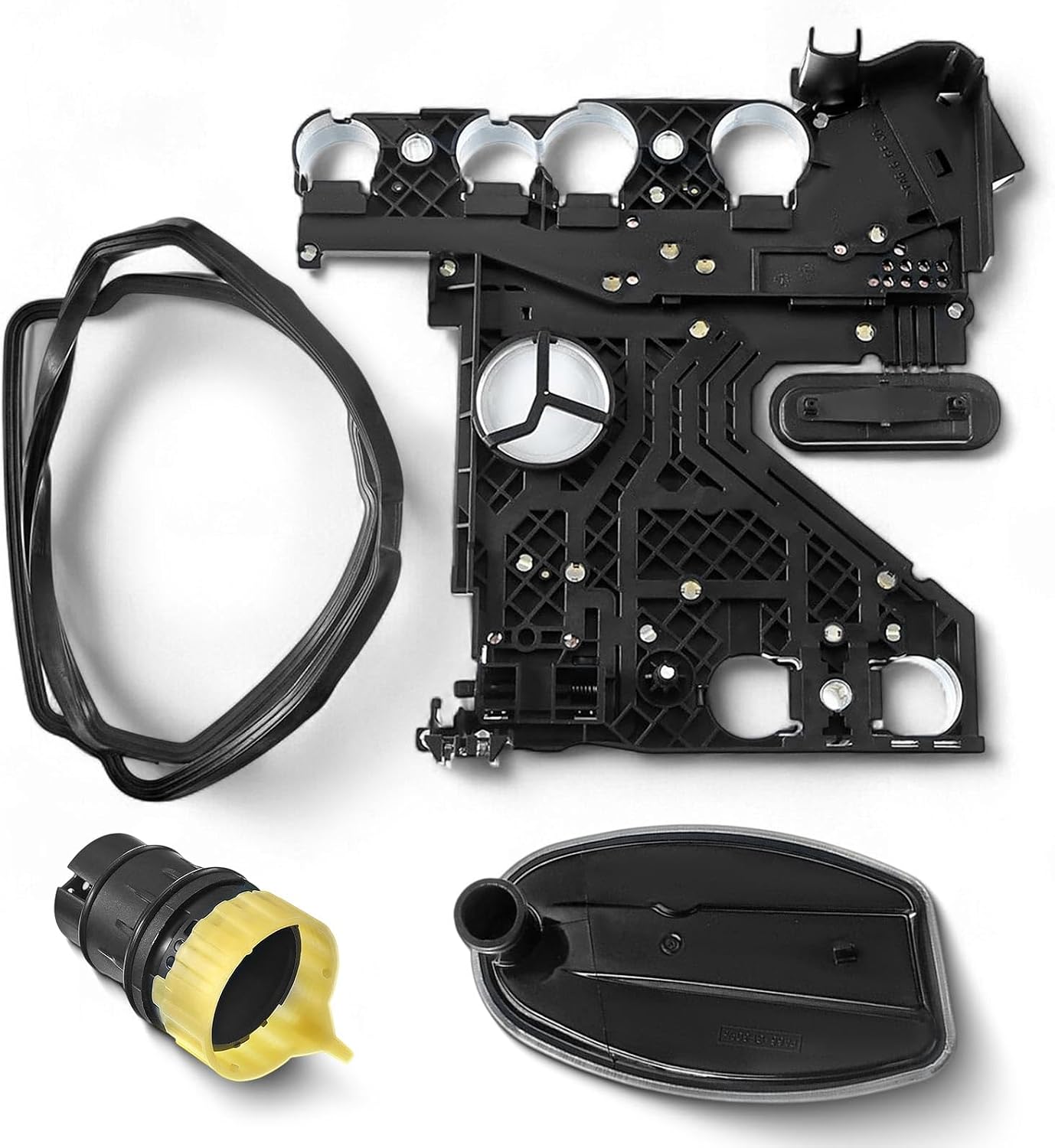
- Replace the connector adapter seals so the new conductor plate is not exposed to a fresh leak at the case.
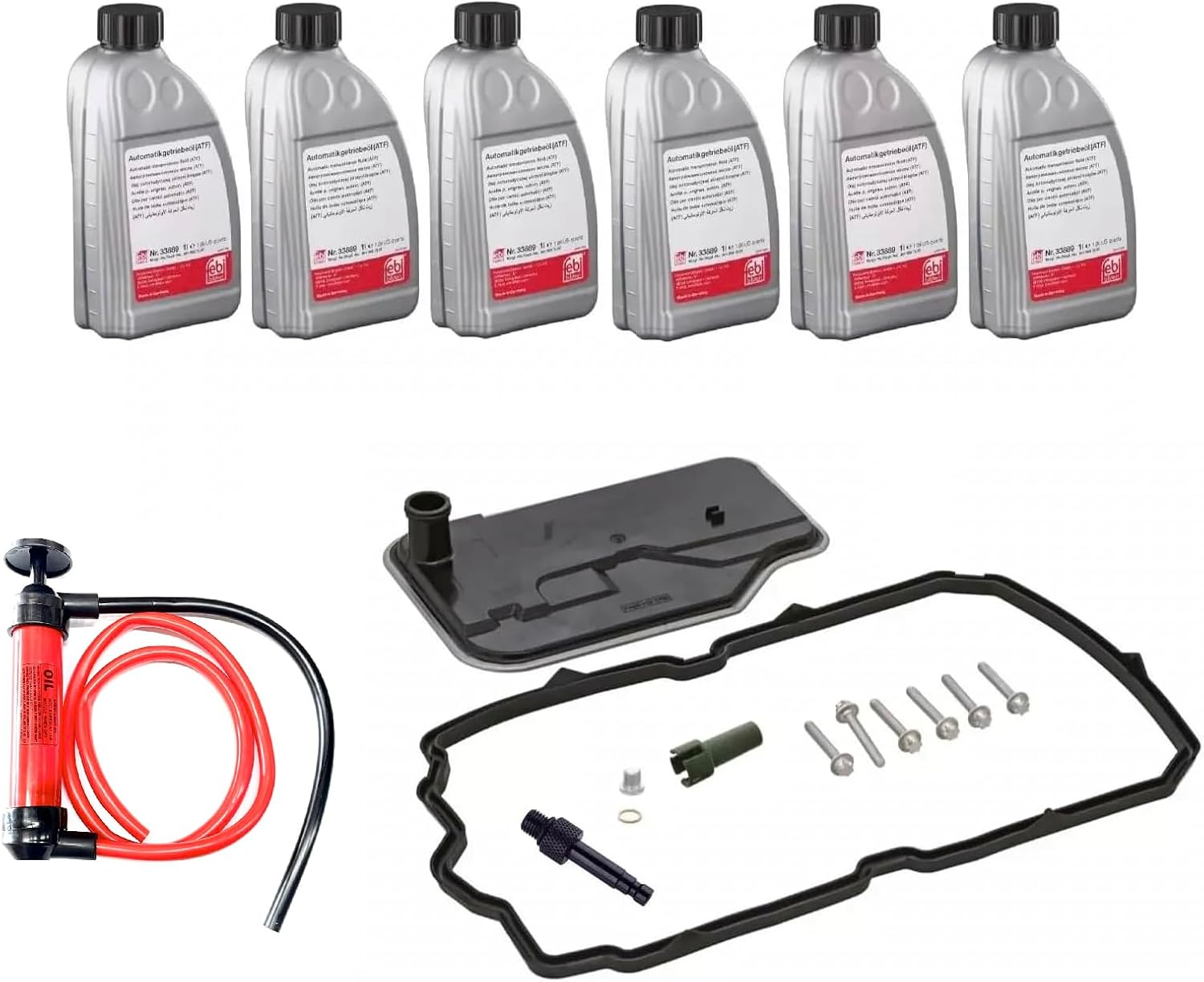
- Fit a new filter and pan gasket, such as the 722.6 conductor plate and filter kit, and torque the valve body bolts in sequence to factory spec.
- Refill with Chrysler ATF+4. The Wrangler W5A580 is specified for ATF+4, not the Mercedes 236-series fluids used in Sprinter and Mercedes-badged 722.6 units.
- Reset the transmission adaptives with a capable scan tool, then drive through every gear, light and moderate throttle, so the TCM can relearn shift timing.
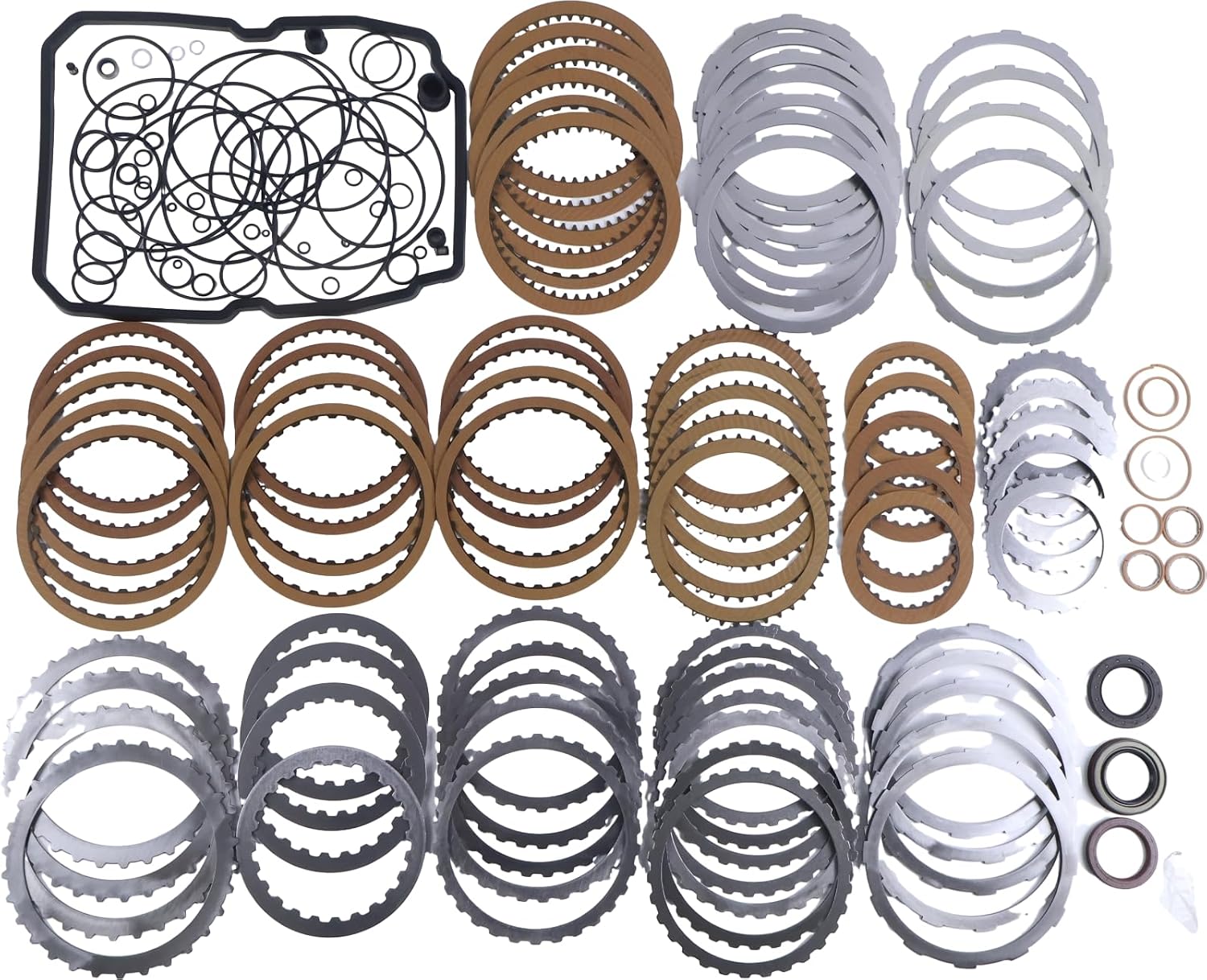
If teardown shows burnt clutches, the 722.6 master rebuild kit for the W5A580 covers the frictions, seals and gaskets for a full overhaul.