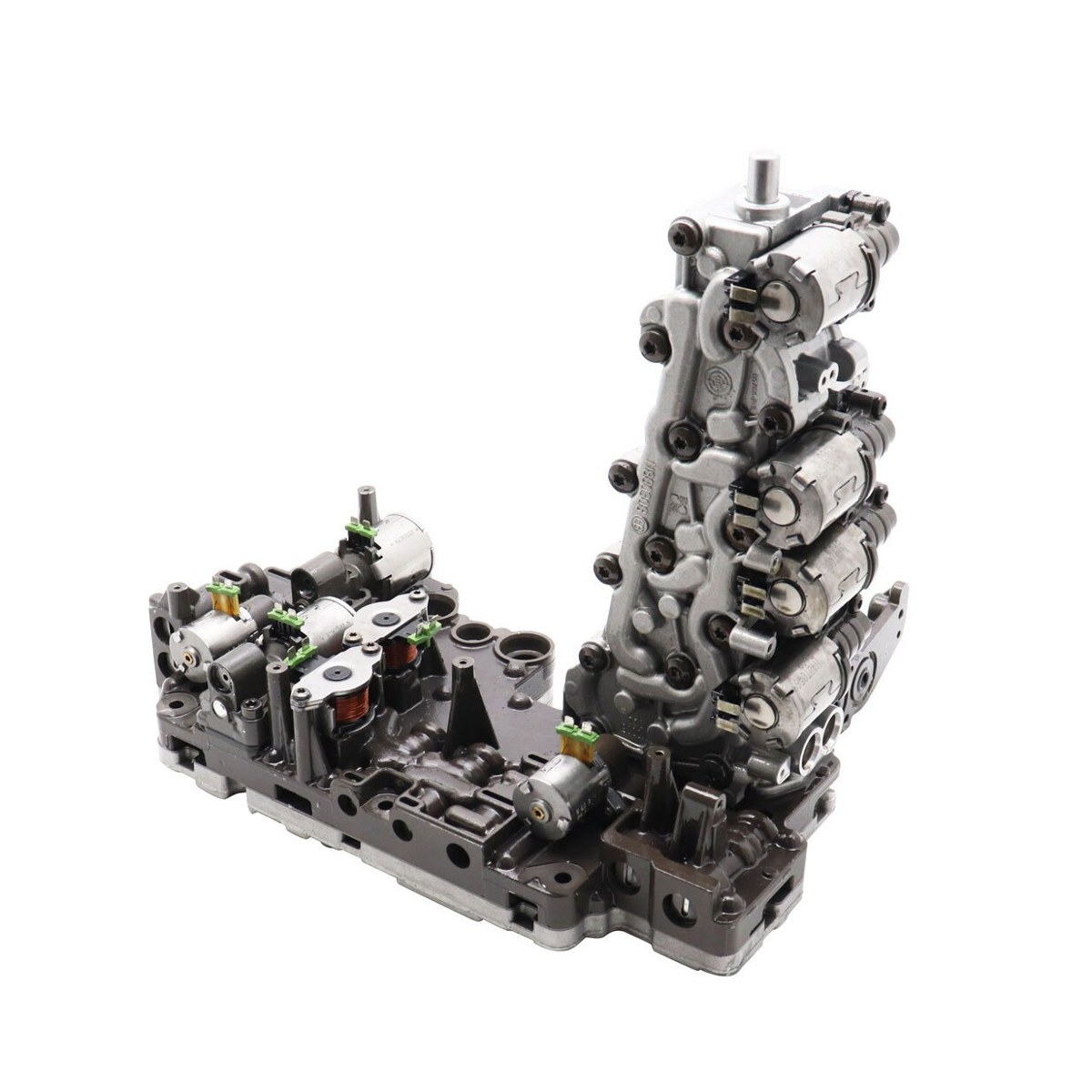
The DL501, which Audi also calls the 0B5, is the seven-speed wet dual-clutch S tronic bolted behind longitudinal quattro engines in cars like the S4, S5, S6, S7 and RS5. When one of these starts thumping as it rolls to a stop, engages late into Drive, drops reverse and the even gears together, or throws the gearbox warning and limps home, the repair quote is usually a full mechatronic or a used transmission. If the electronics test good and the trouble is hydraulic, a remanufactured DL501 valve body is the narrower and cheaper fix. This is that part.
What the valve body does in a DL501
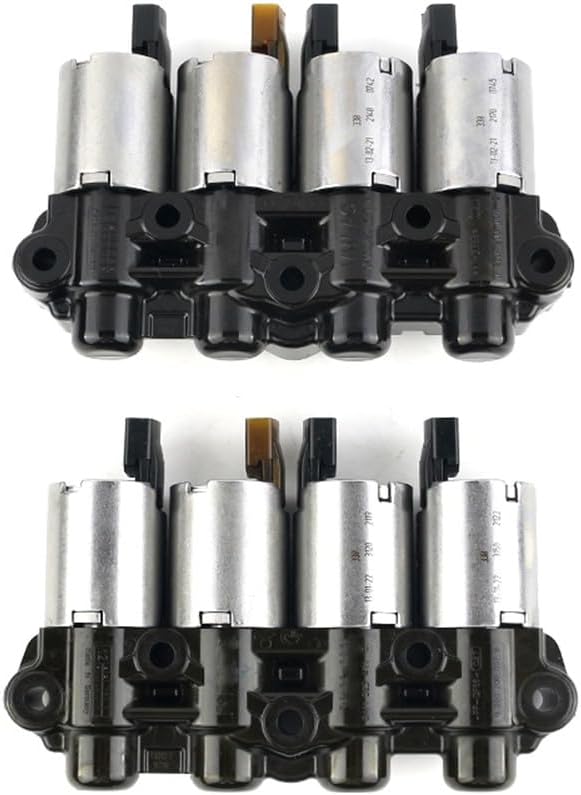
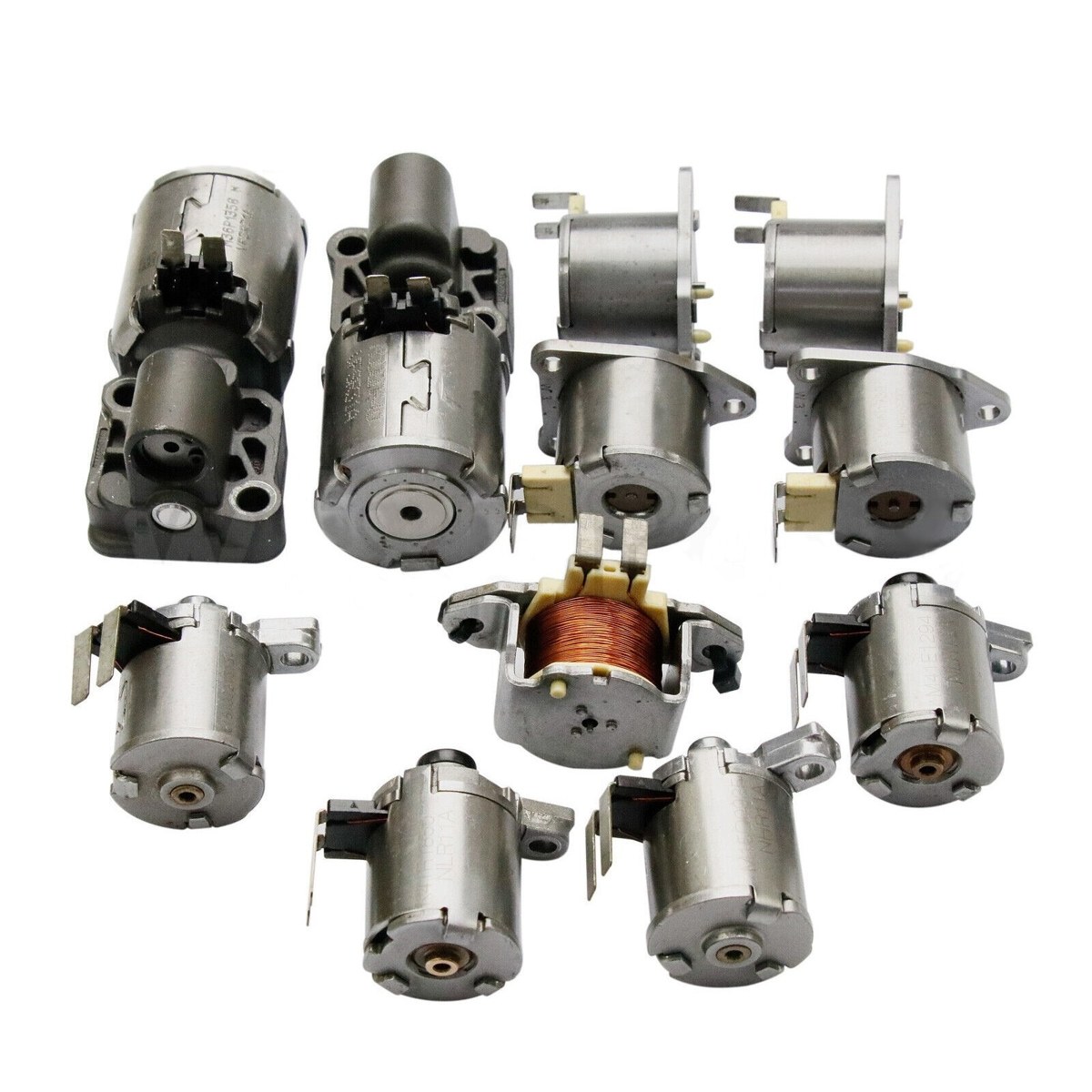
In the DL501 there is no torque converter and no band. Two wet multi-plate clutches, K1 for the odd gears and K2 for the even gears and reverse, hand torque back and forth while hydraulic actuators preselect the next gear. The valve body is the hydraulic half of the mechatronic: it carries the pressure regulator, the clutch pressure and cooling circuits, the gear actuator routing and the solenoids the control unit fires to make all of that happen. The unit pictured is the hydraulic assembly with its solenoids in place; it does not show the control unit board. Because clutch pressure is trimmed constantly to manage slip, small leaks past a worn valve or bore turn straight into shift quality complaints.
Symptoms that point to the DL501 valve body
- A hard shock as the car slows to a stop, felt through the whole body
- Delayed engagement into Drive or Reverse, worse when hot
- Harsh shifts one day, soft and flared shifts the next, from erratic line pressure
- Reverse and 2nd, 4th or 6th missing at once, which points at the K2 side of the hydraulics
- Solenoid mechanical faults such as P17D5 (transmission control valve 3, N439) and repeated limp mode
- Burnt clutches after a long stretch of poor pressure control
How to confirm before you buy
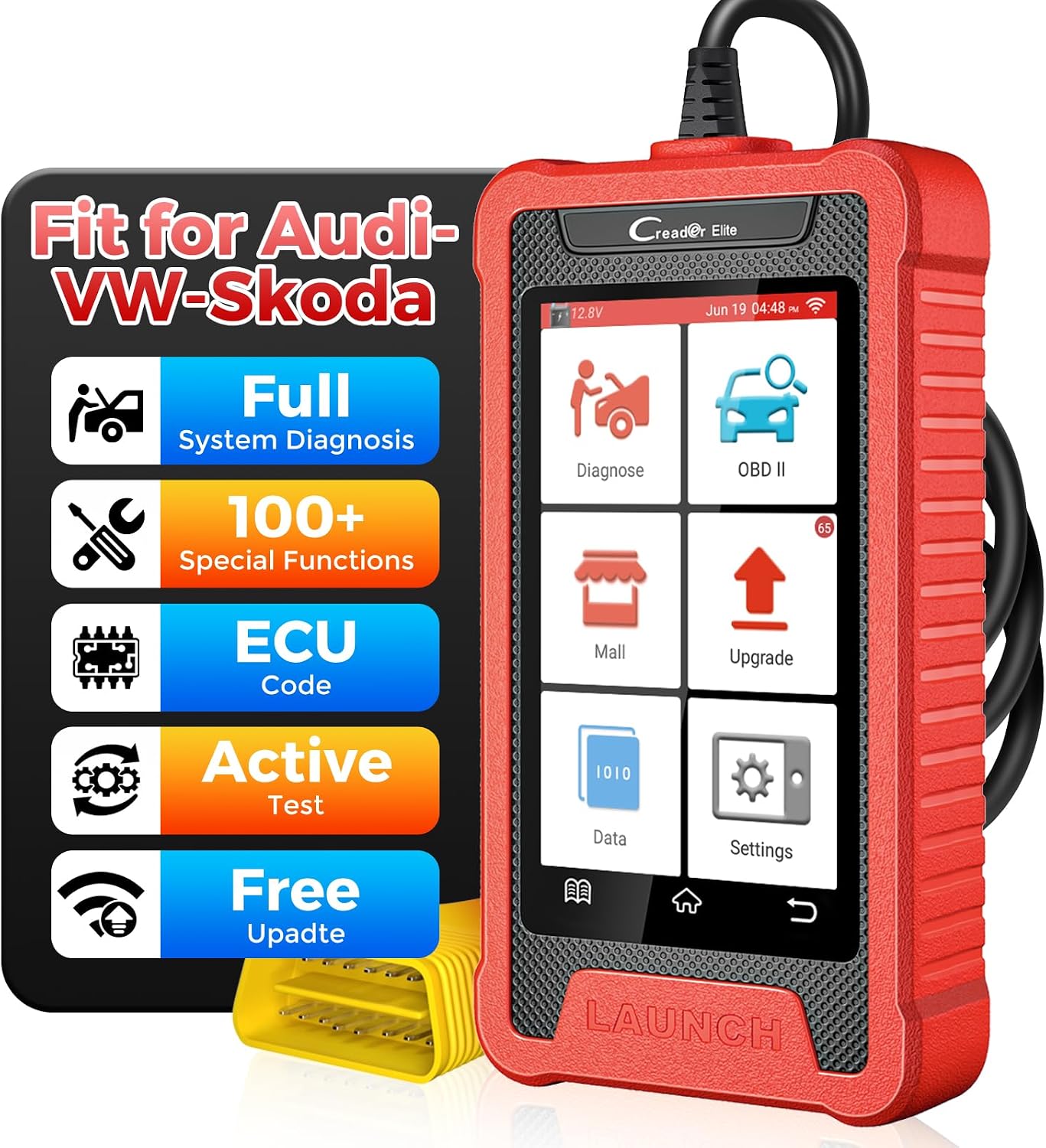
Do not skip this step on a DL501, because a software problem can feel exactly like worn hydraulics. Transmission Digest documented 0B5 cars that developed a severe shock on clutch release after hard, hot driving: the controller raised clutch adaptation values to cover heat-related slip, and the shock went away once the clutch adapts were reset. Reset the adaptations and check for a software update first. If the shock comes back with the latest software, that same article notes these units are known to develop valve body problems in the clutch cooling circuit, which is when this part makes sense. Sonnax adds that pressure regulator bore wear on the 0B5 causes delayed engagement, harsh or soft shifts, erratic line pressure and pressure control codes. Check fluid level and condition, then work through our dual-clutch pressure testing guide, and read the DSG overheating guide if the faults only show up hot. A scan tool that can read and reset adaptations, like our VW and Audi DSG adaptation scan tool, does most of this work.
Fitment
This listing covers the DL501 / 0B5 seven-speed S tronic and does not name individual model years. The DL501 ran through several hardware and software revisions, so do not order by car model alone. Match the part number on the label of the valve body or mechatronic you are removing, or send us your year and VIN before ordering and we will confirm the match. The DL501 is not interchangeable with the transverse six-speed DQ250 or the seven-speed DQ500 found in VW and smaller Audi models; those parts sit in the same DSG and S tronic collection but will not fit.
Install notes
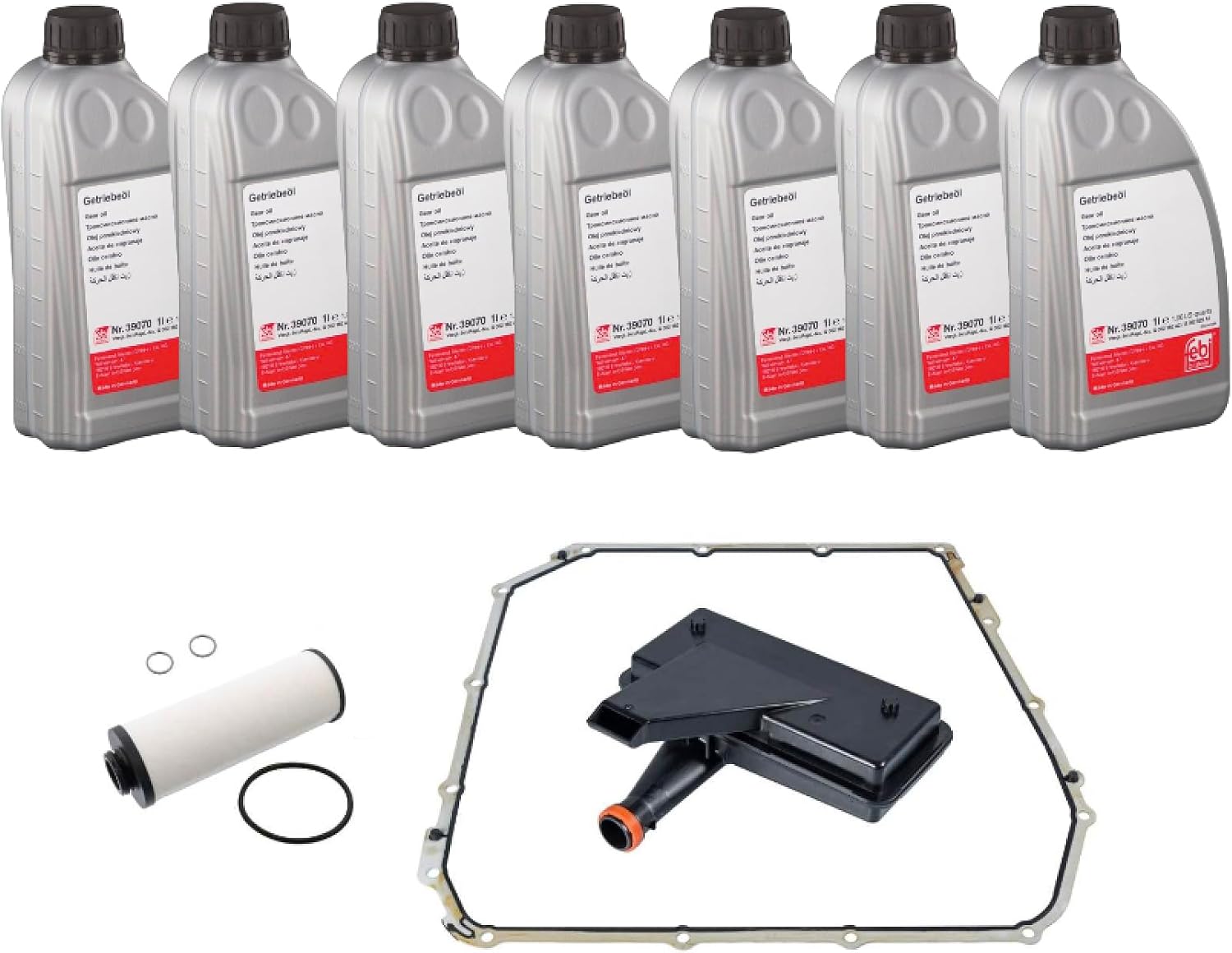
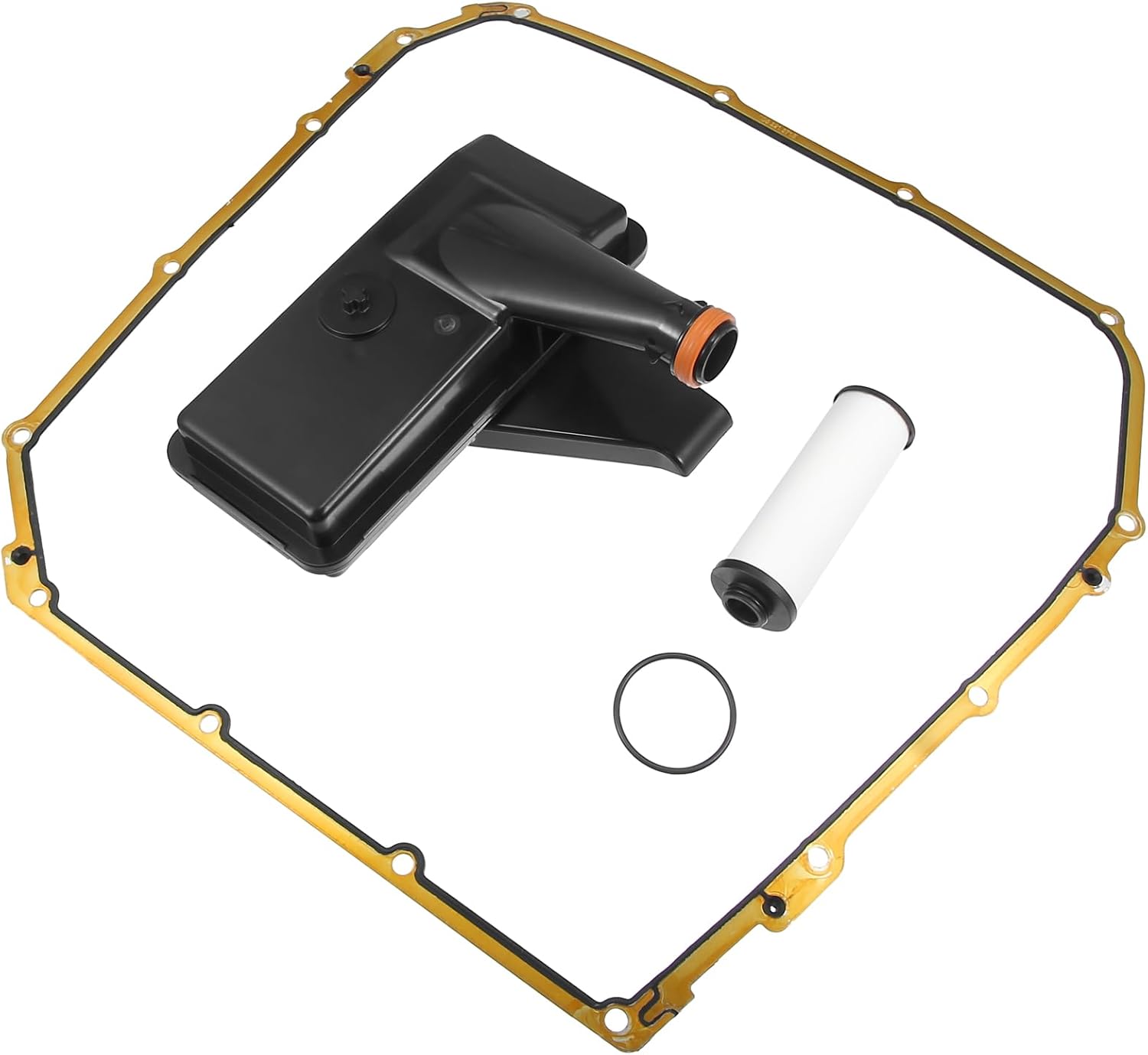
- Drain the hydraulic circuit and replace the filters while the valve body is out so debris from the failed part does not feed the new one.
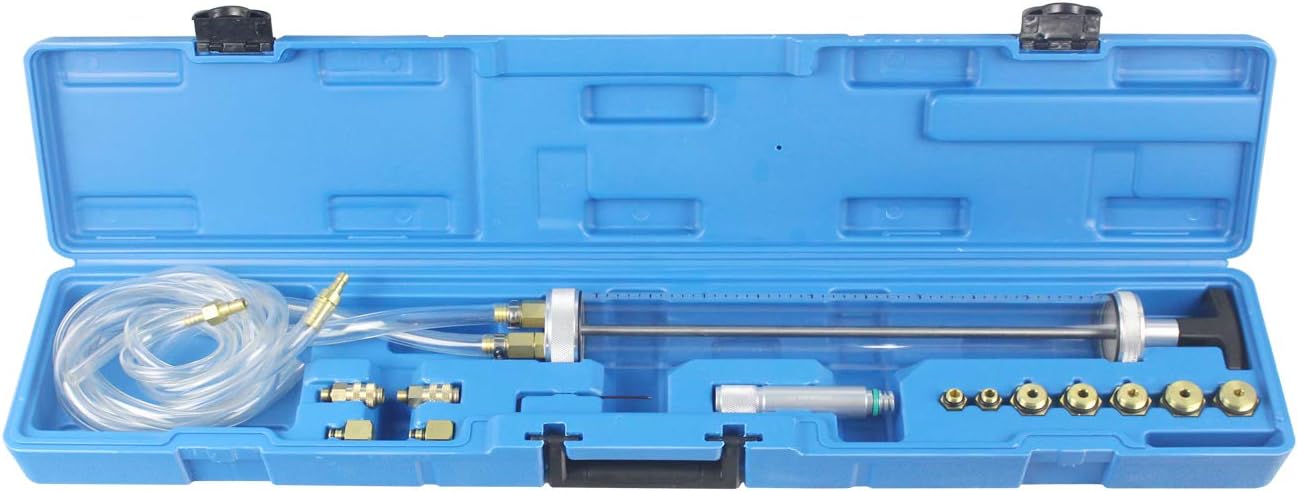
- The clutch and hydraulic side takes fluid to Audi spec G 052 529 A2; the gear section is filled separately with its own oil, so never top one up with the other. A fill adapter and pump such as our 0B5 S tronic fill pump kit makes the level check accurate.
- Check that every solenoid ball seat disc is facing the right way; Transmission Digest reports an upside-down disc under N439 blocked the even gear switch valve and took out K2, reverse and the even gears.
- Torque the valve body bolts in sequence, clear codes, then run the basic settings and clutch adaptation with the fluid in the correct temperature window before the road test.