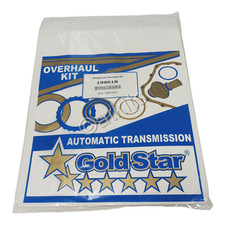
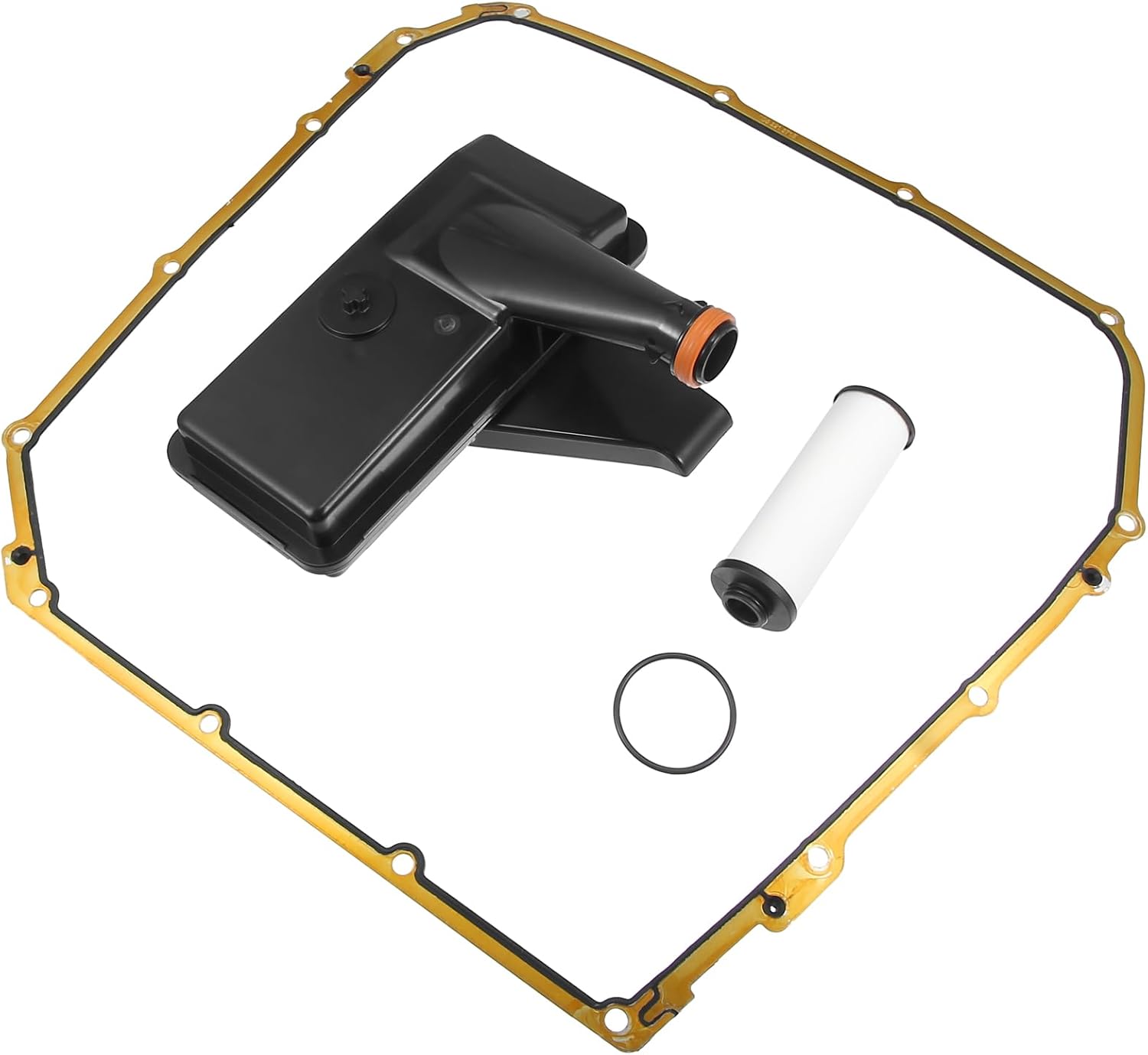
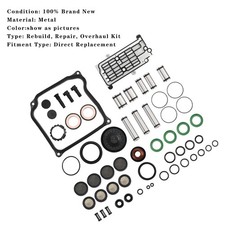
The DQ500 is the heavy-duty seven-speed wet-clutch DSG that Volkswagen Group built for up to 600 Nm of torque. If yours is leaking, slipping under load once it is hot, or about to be torn down for new clutches, this is the overhaul kit for the later version, catalogued as the DQ500 0BH from 2014 on. It holds the gaskets, seals and O-rings you need to close the unit back up so every circuit holds pressure again.
What the overhaul kit does in a DQ500
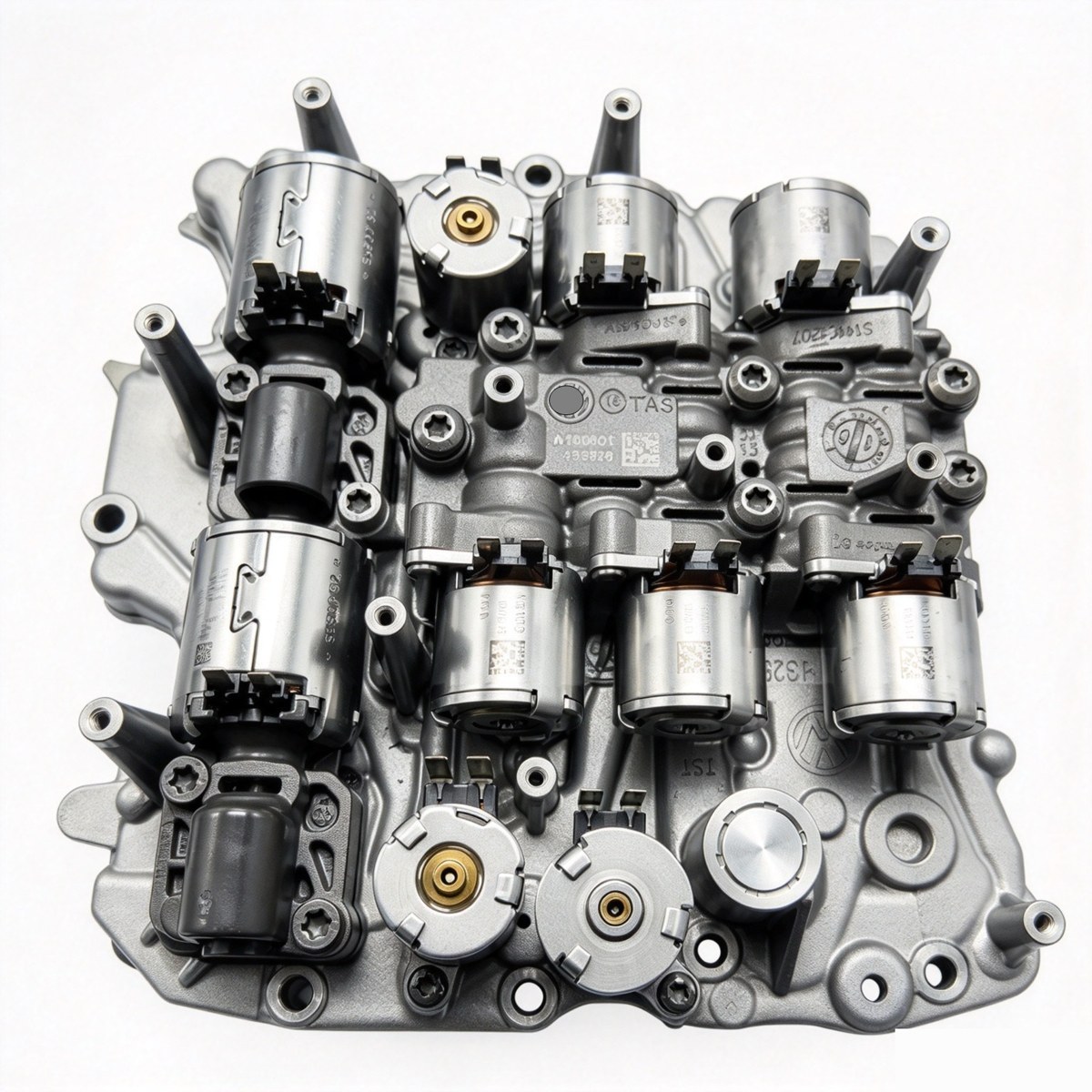
Like the six-speed DQ250, the DQ500 uses a wet multi-plate double clutch that runs in fluid. The mechatronic unit sets the apply pressure for each clutch and moves the shift forks hydraulically. It also meters cooling oil across the clutch packs. That pressure has to travel from the mechatronic, through the case and into the rotating clutch assembly, with a seal or O-ring at every joint along the way. The DQ500 was built for torque. It went into Transporter vans, BiTDI diesels and high-output R and TT RS models, so heat cycles on the seals here are harder than in a light-duty box. Once those seals take a set, apply pressure leaks off, the clutches slip, and the extra heat speeds up wear on the frictions and the fluid. Resealing the whole unit is what brings pressure control back to spec after a teardown.
Symptoms this kit addresses
- External leaks at the case halves, the clutch housing or the mechatronic cover
- Slip or flare under heavy throttle or when towing, worse when the fluid is hot
- Slow engagement into Drive or Reverse on a cold start
- Launch judder that started after the unit ran hot or low on fluid
- Pressure sensor fault 17225/P0841 when wiring and the mechatronic check out and low pressure is the cause
How to confirm before you buy
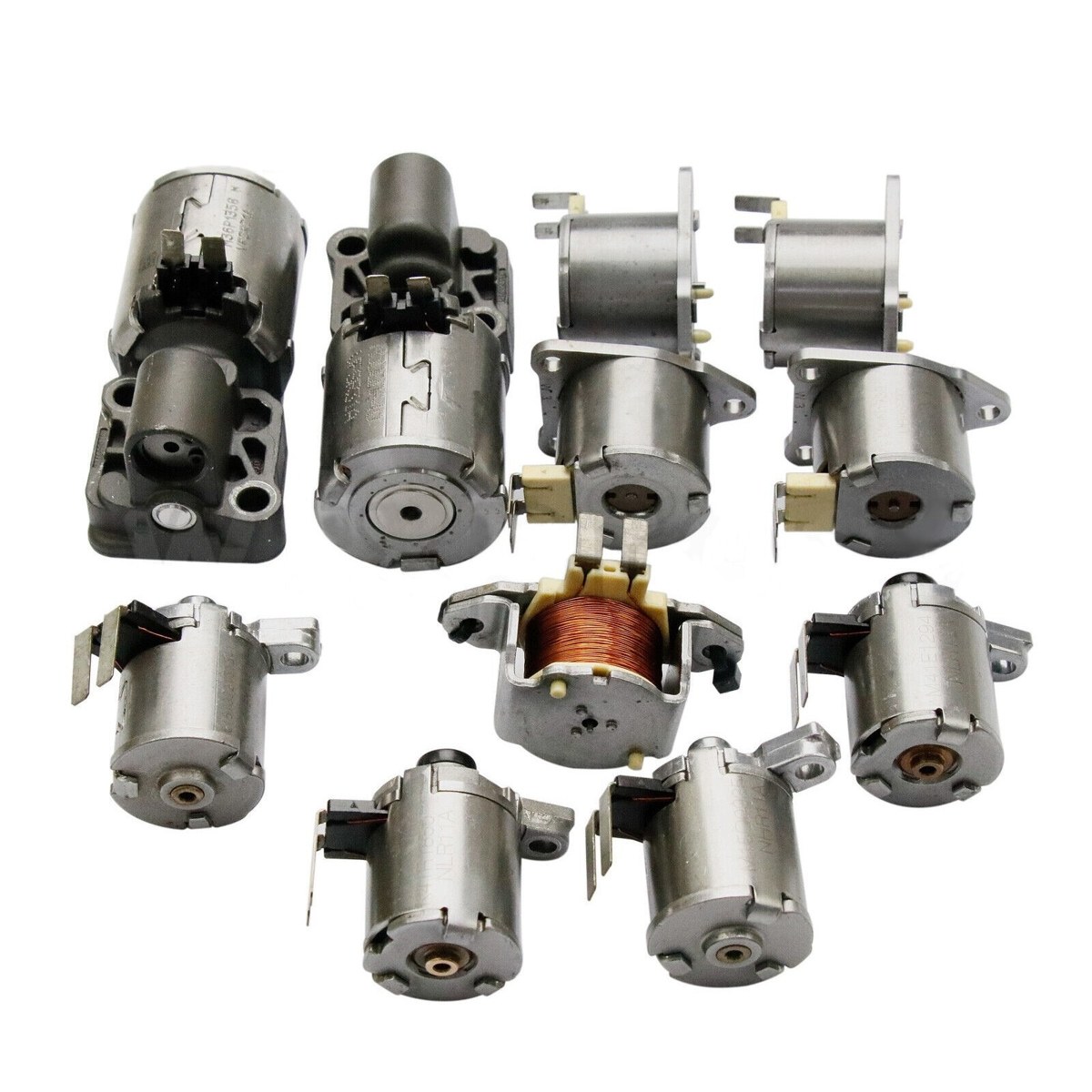
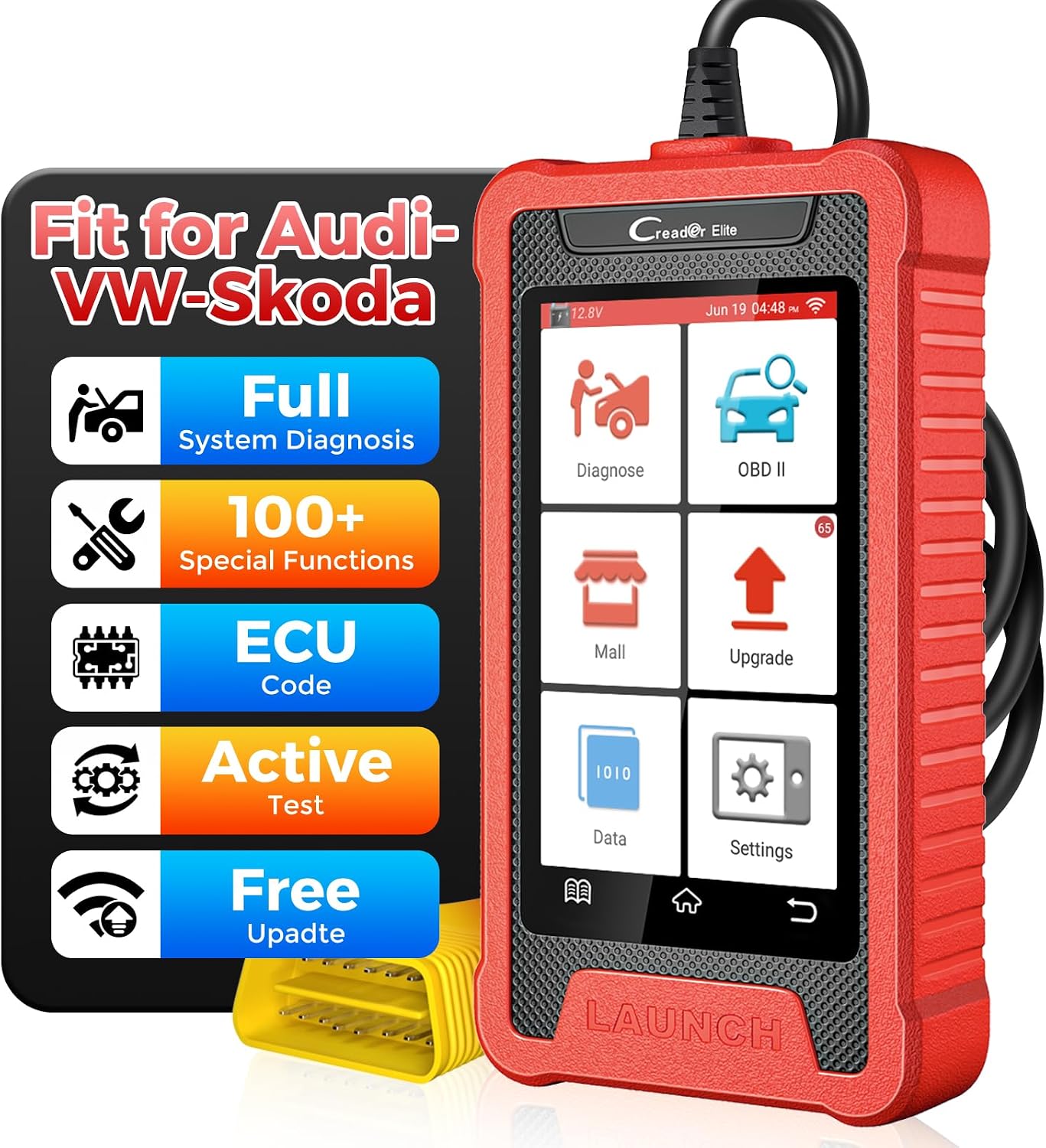
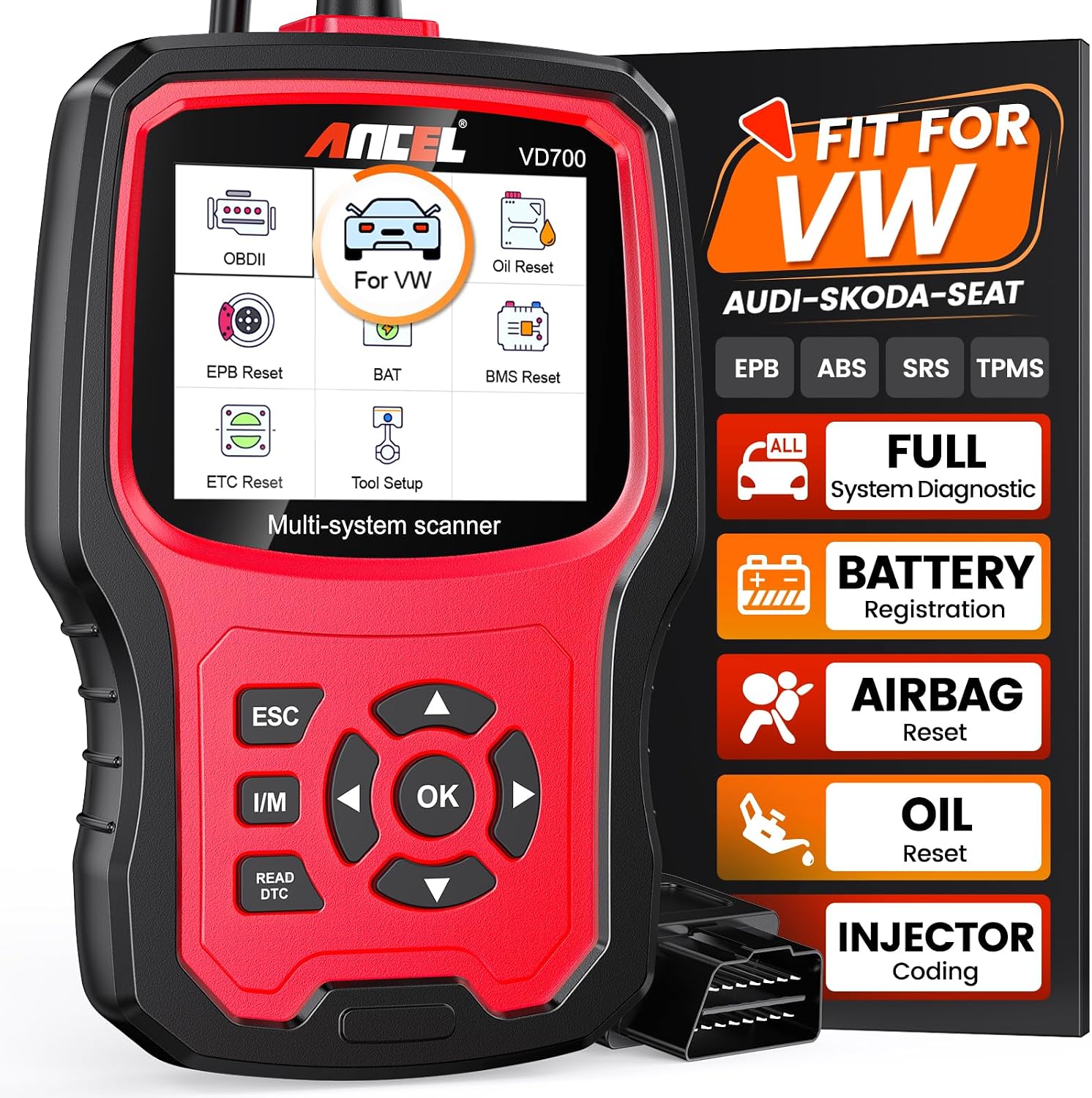
Pull codes and live data with a VW-capable scanner before you commit to a teardown. Low or erratic clutch pressure with a healthy mechatronic points to internal leakage. Pressure that reads fine points you toward the clutches or software. Our DSG line pressure testing guide walks through the readings, and the DSG overheating guide explains the clutch-oil temperature data worth logging on a hard drive. The DQ250 mechatronic and clutch guide covers the same wet-clutch failure patterns, and most of it carries over to the DQ500.
Fitment: 0BH, 2014 and later
The kit is listed as DQ500 0BH, 2014-on. The DQ500 carries the 0BH or 0BT code and was built in front-drive and all-wheel-drive versions. It was used in the Transporter T5 and later vans, Tiguan 2.0 TDI 4Motion, BiTDI Passat, Tiguan and Superb, the TT RS, and R models such as the Arteon R and Tiguan R. Gasket and seal details changed over the production run, which is why this is sold as a 2014-on kit. If your gearbox was built before 2014, or you are not sure, read the code and build date from the case tag or send us your year and VIN before you order. It does not fit the DQ250, DQ381 or the longitudinal DL501. You can see everything we stock for these units on the DSG and S tronic parts page.
Install notes
- The double clutch has to come off before you can reach most of the seals. A proper wet DSG clutch remover and installer kit for the DQ250 and DQ500 keeps the hub and bearings from being damaged.
- Soak new seals in clean fluid. Gel the rotating sealing rings and let them size down before you slide the clutch assembly back over them.
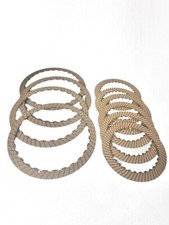
- Replace the frictions and steels at the same time if they are glazed or worn to the limit. Seals alone will not fix burnt clutches.
- Refill with the VW-specified DSG fluid for your transmission code, checking at the correct temperature.
- Afterward, run the DQ500 basic setting with the fluid above 15 C and the lever in Park. Hold the foot brake and parking brake the whole time. No faults may be stored except P175F. Then switch the ignition off and back on, or the box will not select a gear. A DSG adaptation scan tool handles this at home.
The kit is new and ships from the USA, so a rebuild in progress is not waiting on an overseas shipment.