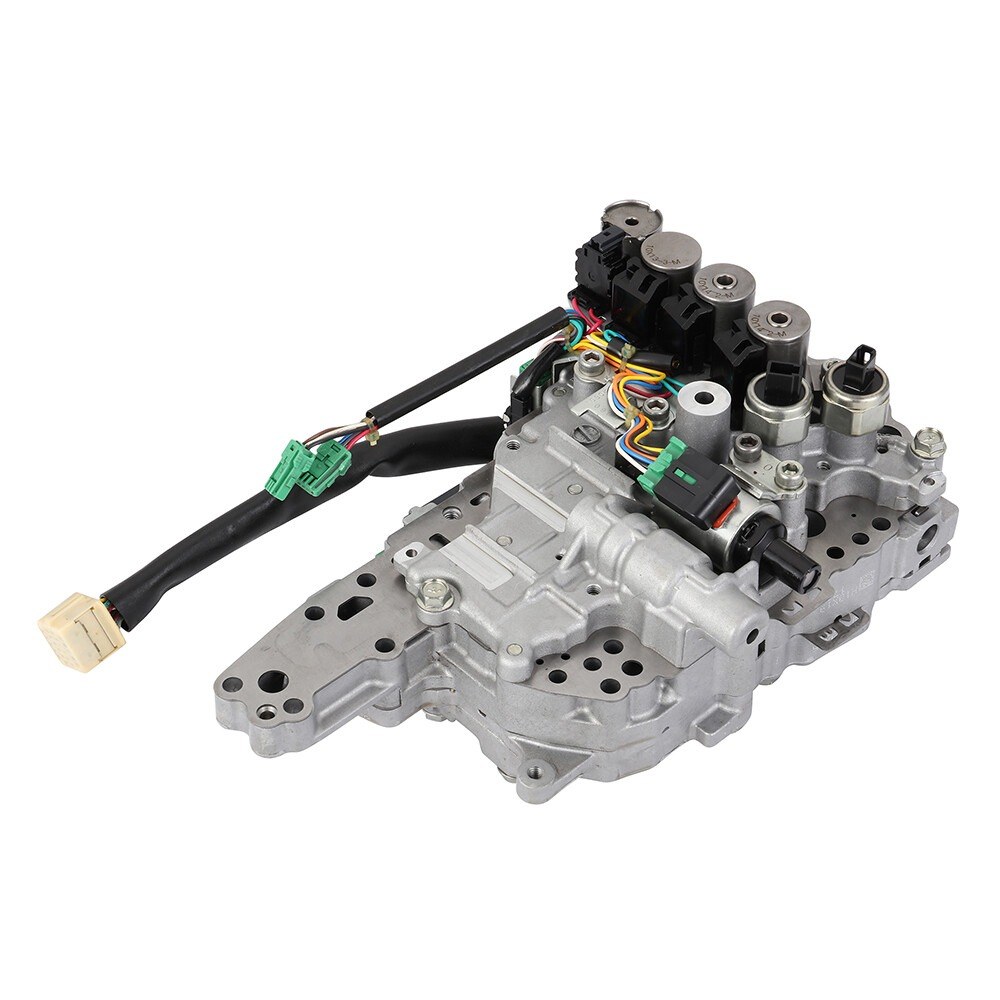
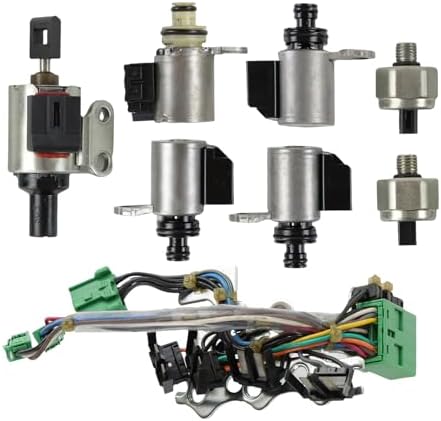
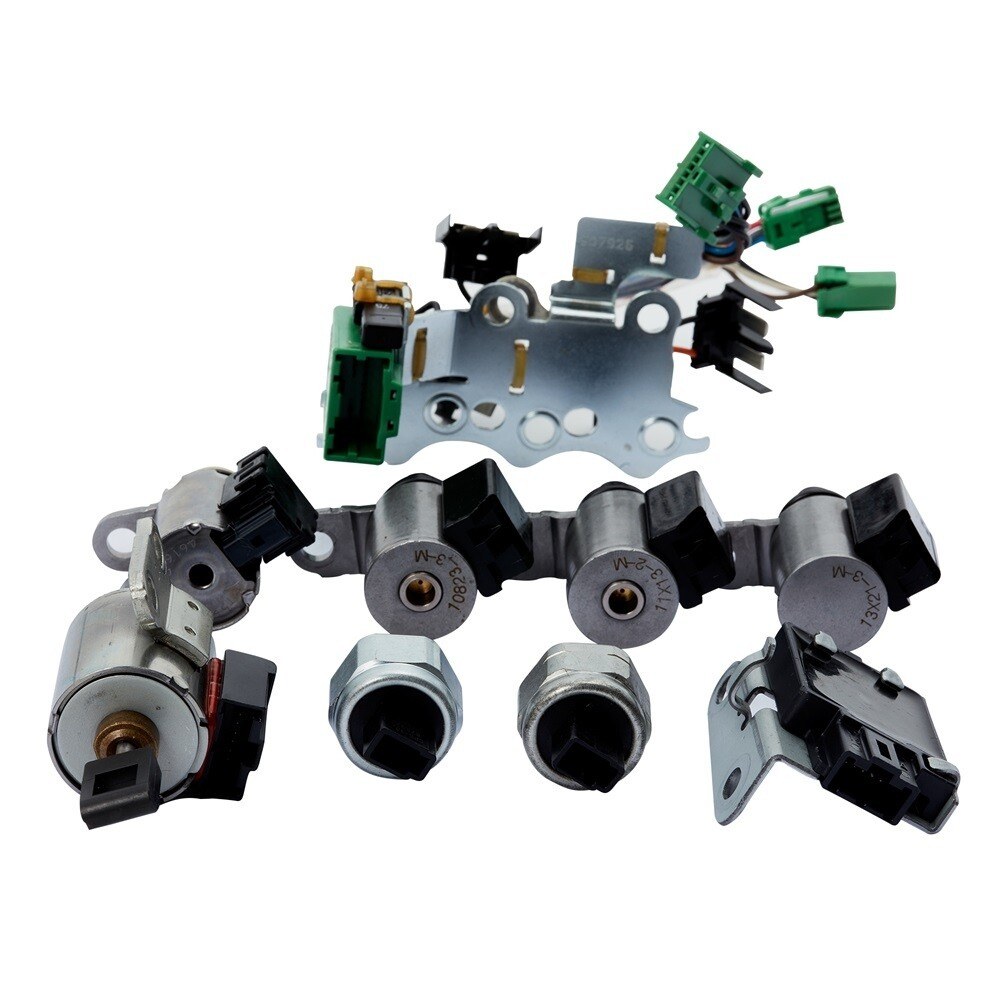
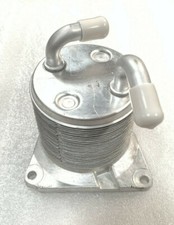
Model year 2007 is when the JF011E first went into volume production, and the 2007-2012 span covers the earliest and highest-mileage examples still on the road: the Altima sedan and coupe of that era, the Sentra, the early Rogue, and the Dodge Caliber, along with Mitsubishi's Outlander and Lancer versions. If one of these vehicles now hesitates when you step on it, shakes at low speed, or holds high RPM on the highway, a worn valve body is a common cause at this age. This remanufactured unit is built for the 2007-2012 JF011E so you can replace the whole hydraulic control assembly in one step.
How the valve body controls a JF011E
Think of the JF011E as two adjustable pulleys joined by a steel belt. The valve body decides how hard each pulley clamps the belt. Pressure into the primary pulley piston sets the ratio, and pressure into the secondary pulley piston keeps enough grip on the belt to carry engine torque. A stepper-type ratio-control motor sits on the valve body and moves a lever, and the lever's far end is held by a follower riding on the primary pulley. That follower acts as a moving pivot, so the ratio-control valve is always being corrected by the pulley's real position. Nothing else in the transmission makes that decision, which is why a worn valve body affects how the whole unit drives.
Symptoms on a 2007-2012 JF011E
- A lag or hesitation from a stop, then a sudden catch
- Shudder that feels like driving over rumble strips at low speed and light throttle
- Engine speed climbing on acceleration without a matching gain in road speed
- Highway RPM that stays high because the ratio will not move toward overdrive
- Warning light and reduced power, with pressure, ratio or converter clutch codes stored
- Codes after earlier repair work, often because a part was swapped without matching calibration
Diagnosing before you order
At this age, fluid is the first clue. Pull the pan and look at the magnet: a light gray film is normal wear, but metal flakes or a heavy paste mean the belt and pulleys have been slipping and the unit probably needs more than a valve body. When the fluid is reasonably clean and the complaint is surge, shudder or a stuck ratio, a vacuum test of the valve body bores tells a shop whether the pressure control valves are leaking. Our CVT failure patterns guide walks through how to separate a valve body fault from belt, pulley or bearing wear, and CVT harsh and delayed engagement covers the take-off hesitation complaint in detail. Do not condemn the ratio-control motor on a code alone. It only moves a valve that lives inside this casting.
Fitment
Built for JF011E (RE0F10A) transmissions from 2007 to 2012. Because the first years saw running changes, match the casting marks and connectors on your old valve body to the photos, and tell us your year and VIN if anything looks different. The CVT parts collection lists the other parts we carry for these vehicles. If your build date is 2013 or later, check our other JF011E valve body listings instead.
Install notes
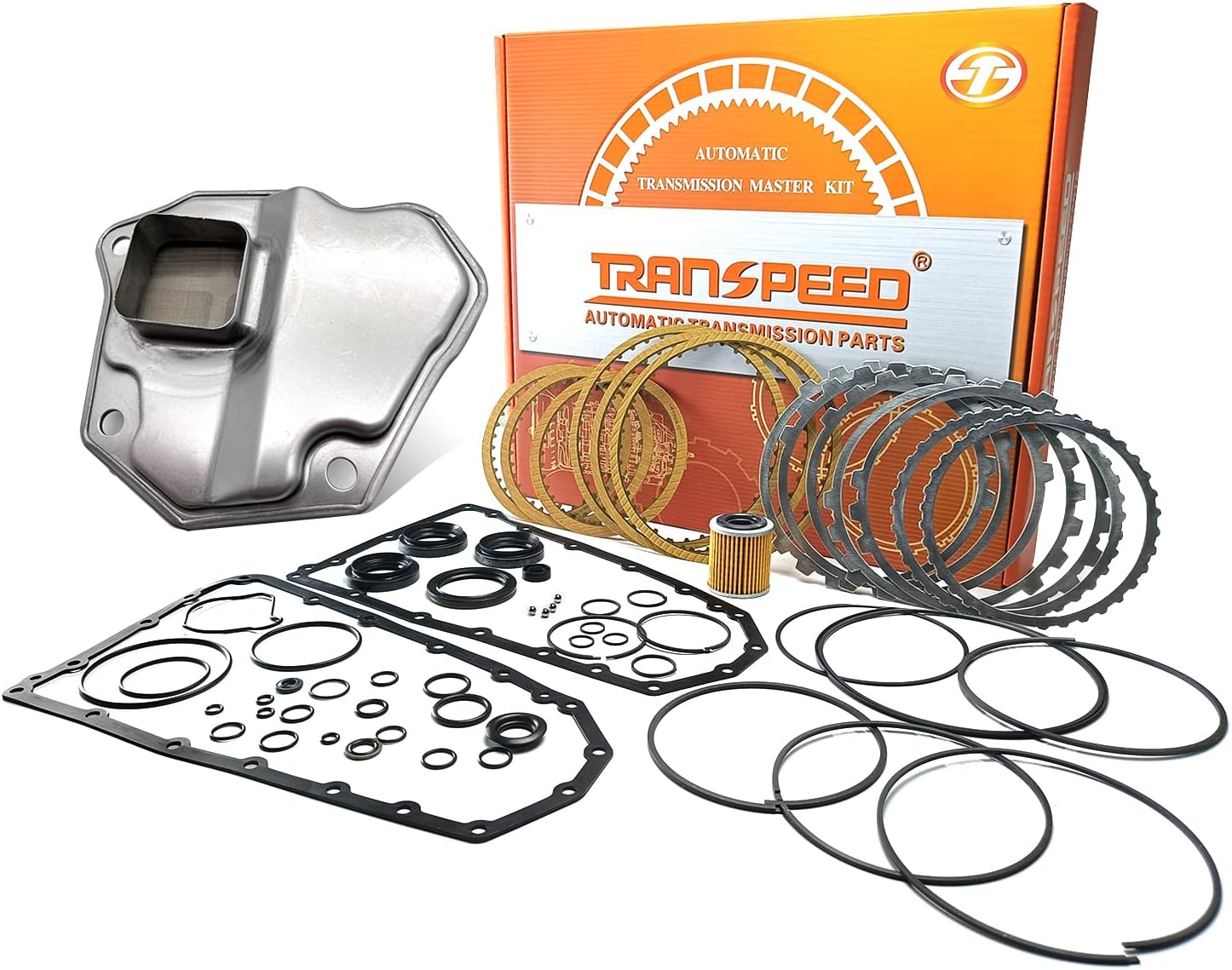
This job can be done in the vehicle with the pan off. Two details catch people out on these early units. First, if you remove the output speed sensor during the work, there is a 0.040 inch shim between the sensor and the case that sets its air gap; it falls off easily, and leaving it out sets a sensor code and can damage the sensor. Second, the valve body is calibrated against a ROM on the internal harness. Leave that ROM with the vehicle, because a different one can set a calibration mismatch code (P167A on the Caliber) that only reprogramming or the original ROM will clear. Hold the ratio lever with a long 3 mm rod during removal and installation and make sure the lever lands on the pulley follower pin before tightening the bolts. Fill with Nissan NS-2 CVT fluid, fit a new strainer with our JF011E filter and pan gasket kit, and if the unit is coming apart anyway, the JF011E master rebuild kit with filter covers the seals and gaskets. Finish with a scan-tool relearn.