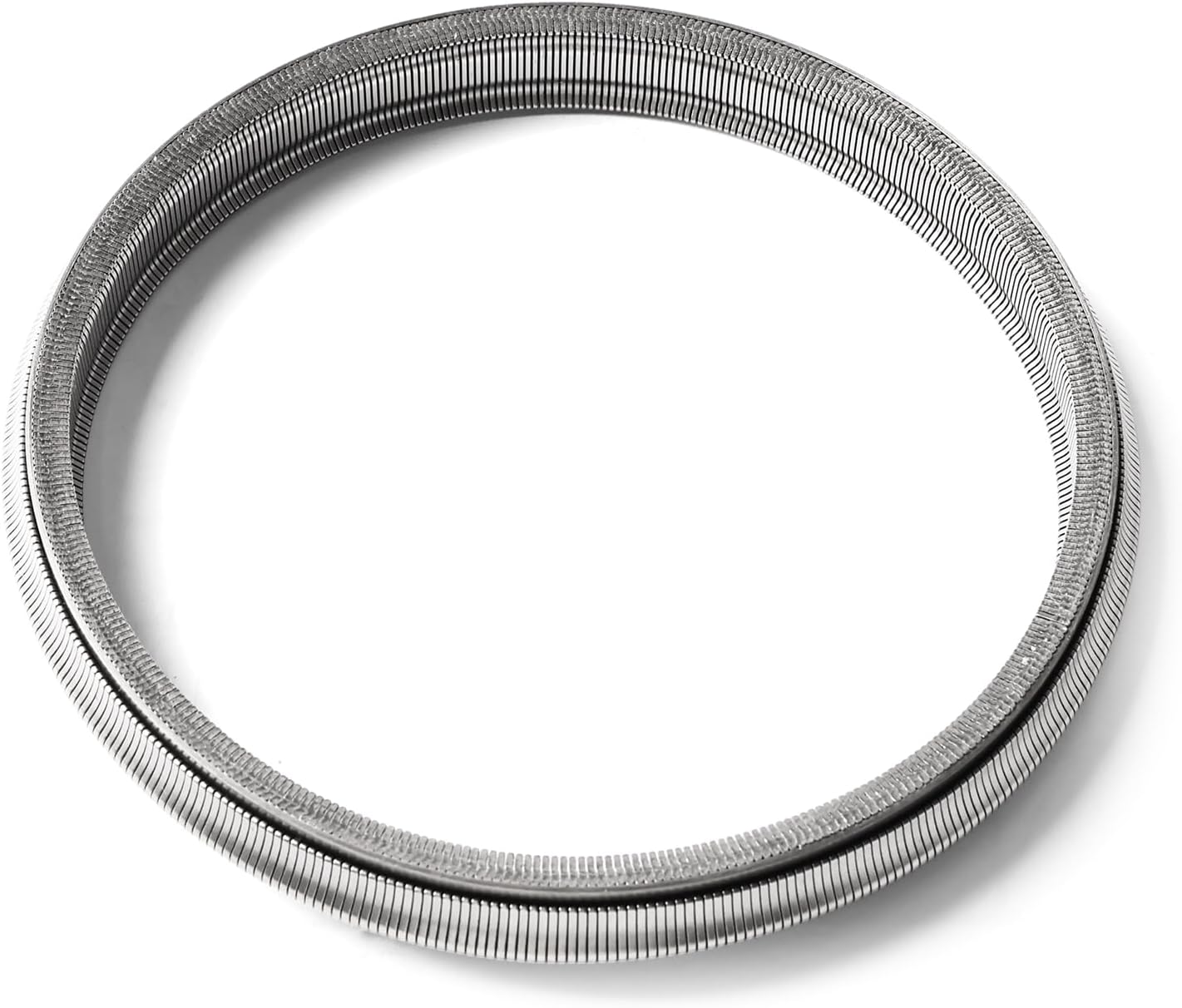
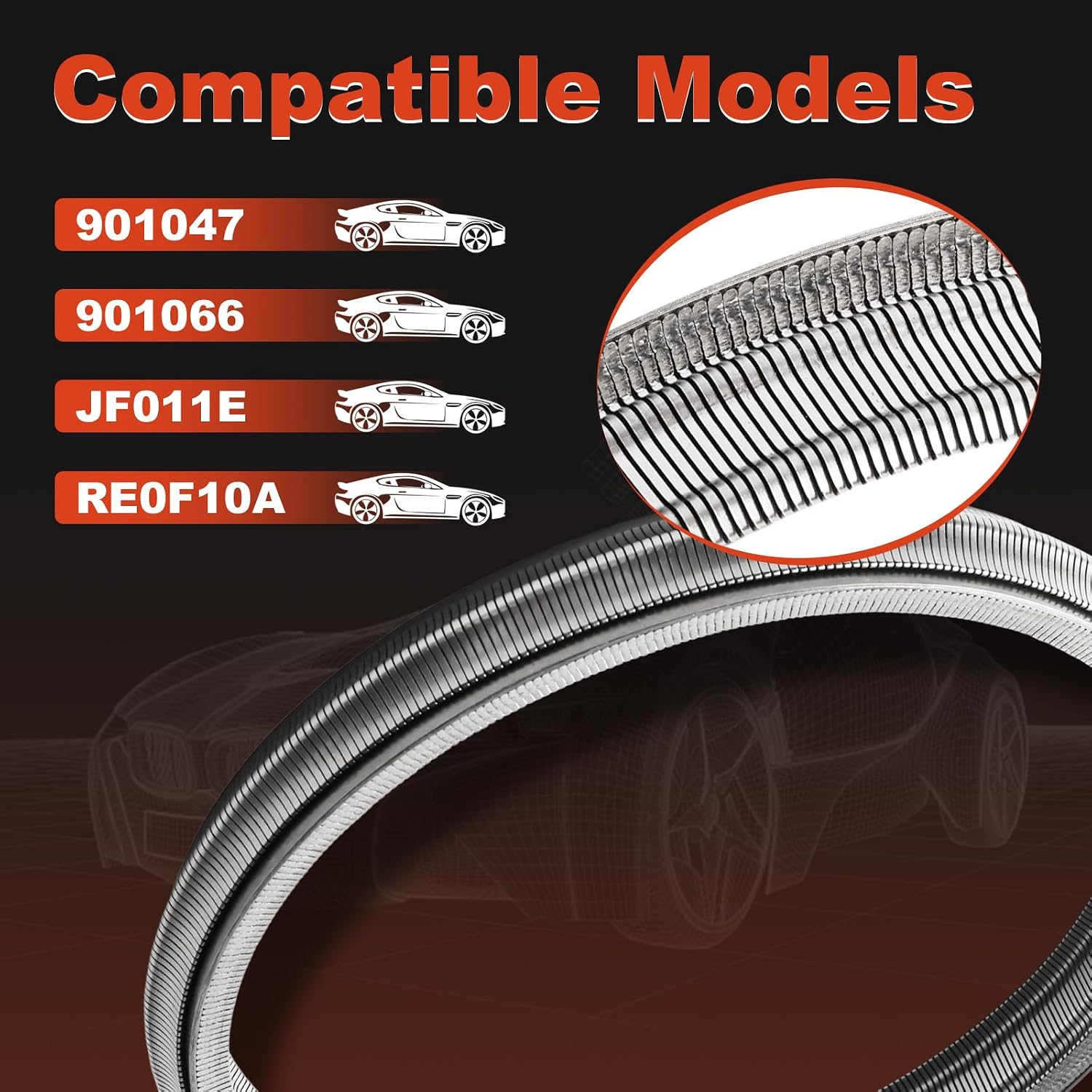
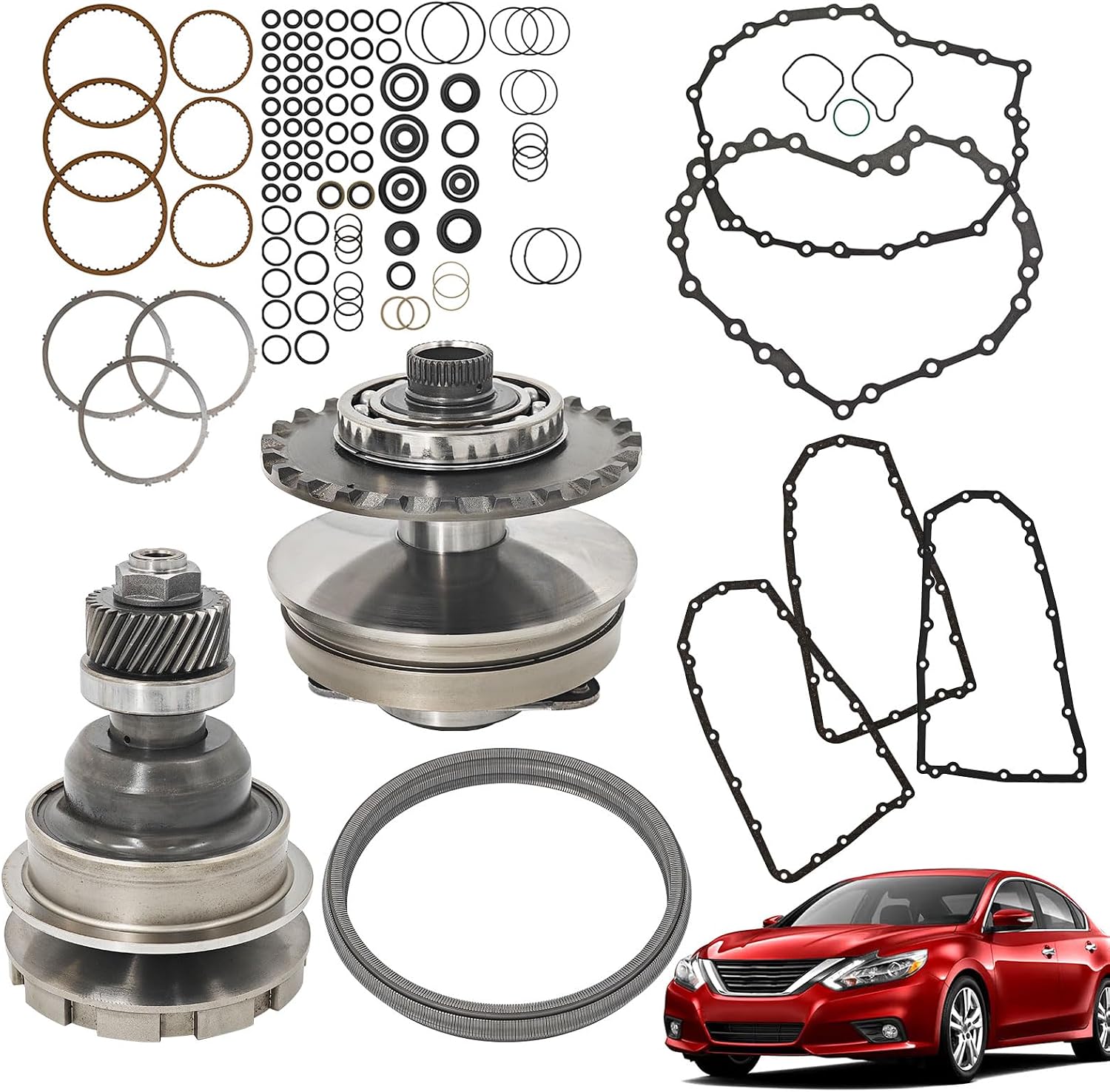
If your 2007-2014 Altima 2.5, Rogue or Sentra flares and revs up on light throttle, judders pulling away from a light, or whines in a way that follows the tachometer instead of the speedometer, the steel belt between the pulleys in its Jatco JF011E CVT is one of the first parts a rebuilder looks at. This is a remanufactured JF011E belt, cataloged by Nissan as the RE0F10A, under reference numbers 901047 and 901066, inspected before it ships.
What the belt does in a JF011E
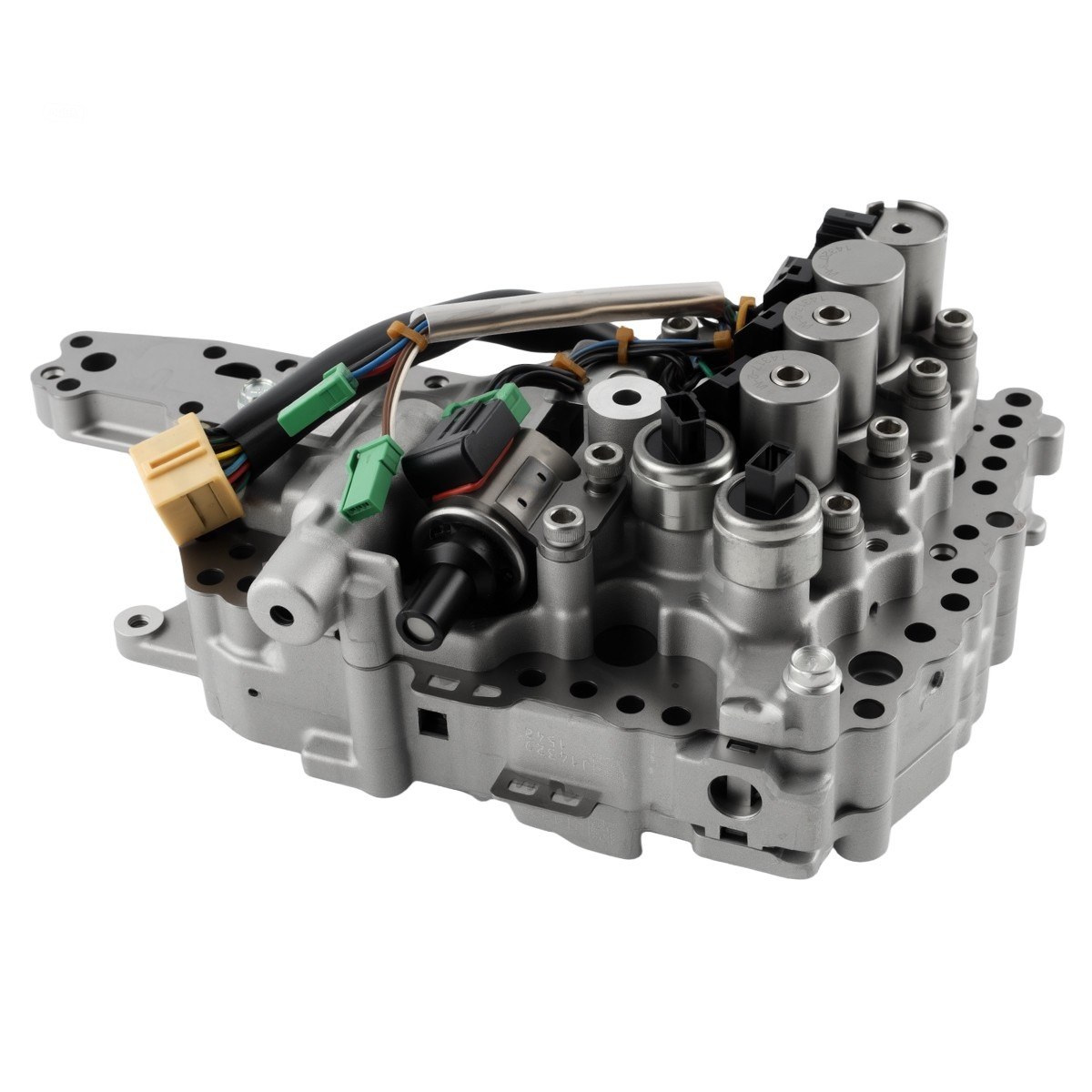
Most people picture a rubber belt or a timing chain when they hear "CVT belt." The JF011E uses neither. It is a push belt: several hundred thin steel elements threaded onto two sets of stacked steel bands. The primary pulley on the input side and the secondary pulley on the output side each have two cone-shaped sheaves, and hydraulic pressure from the valve body squeezes those sheaves together or lets them open. That changes the diameter the belt rides at on each pulley, which is how the unit sweeps through its ratio range with no fixed gears. Torque moves by compression, with each element pushing the one ahead of it, so the belt only works as long as the clamping force on the sheave faces keeps it from slipping. Ahead of the pulleys the JF011E also has a planetary set with a forward clutch and a reverse brake, plus a torque converter. A pulley-and-belt problem therefore feels different from a clutch-pack problem.
Symptoms of a worn JF011E belt
- Engine speed jumps or flares under light, steady throttle while the car barely gains speed
- Judder or a stepped shudder taking off from a stop, worse when the fluid is hot
- A whine or hum that rises with engine rpm, not road speed
- Fine steel paste on the pan magnet and filter at the next service
- Secondary-pressure codes such as P0776 or P0841 together with a fail-safe or reduced-power condition
How to confirm it before you buy
Several JF011E faults look like belt slip from the driver's seat. A secondary pressure regulator or pulley control valve that has worn its bore will drop clamping pressure, and a bad pulley speed signal can confuse the TCM's ratio calculation. One shop documented in a JF011E-to-JF015E write-up chased a complaint, pulled the valve body, found a healthy belt and pulley faces, and traced the fault to a lost input speed signal on the scan tool. Pull codes, look at the live data, and do a pressure check first. Our CVT slipping under load guide walks through separating a hydraulic loss from mechanical slip. The Jatco CVT Nissan problems and fixes guide covers the JF011E patterns that send these cars to the shop. If the pressures are good and you still have flare plus metal on the magnet, the belt and sheaves are the next suspects.
Fitment
The listing covers the RE0F10A/JF011E as used in the 2007-2014 Nissan Altima, Rogue, Sentra and Maxima applications that carry this unit. The same JF011E family went into the Mitsubishi Outlander and Lancer, the Dodge Caliber, the Jeep Compass and Patriot, and the Suzuki Kizashi under other names (Mitsubishi calls it the F1C1A). Nissan used more than one CVT in these model lines, and the V6 cars in particular often run a larger Jatco unit, so read the transmission tag before you order. Match the RE0F10A/JF011E callout and the part number on your old belt to 901047 or 901066, or send us the year and VIN and we will check it. The CVT parts collection has the rest of the JF011E hard parts.
Install notes
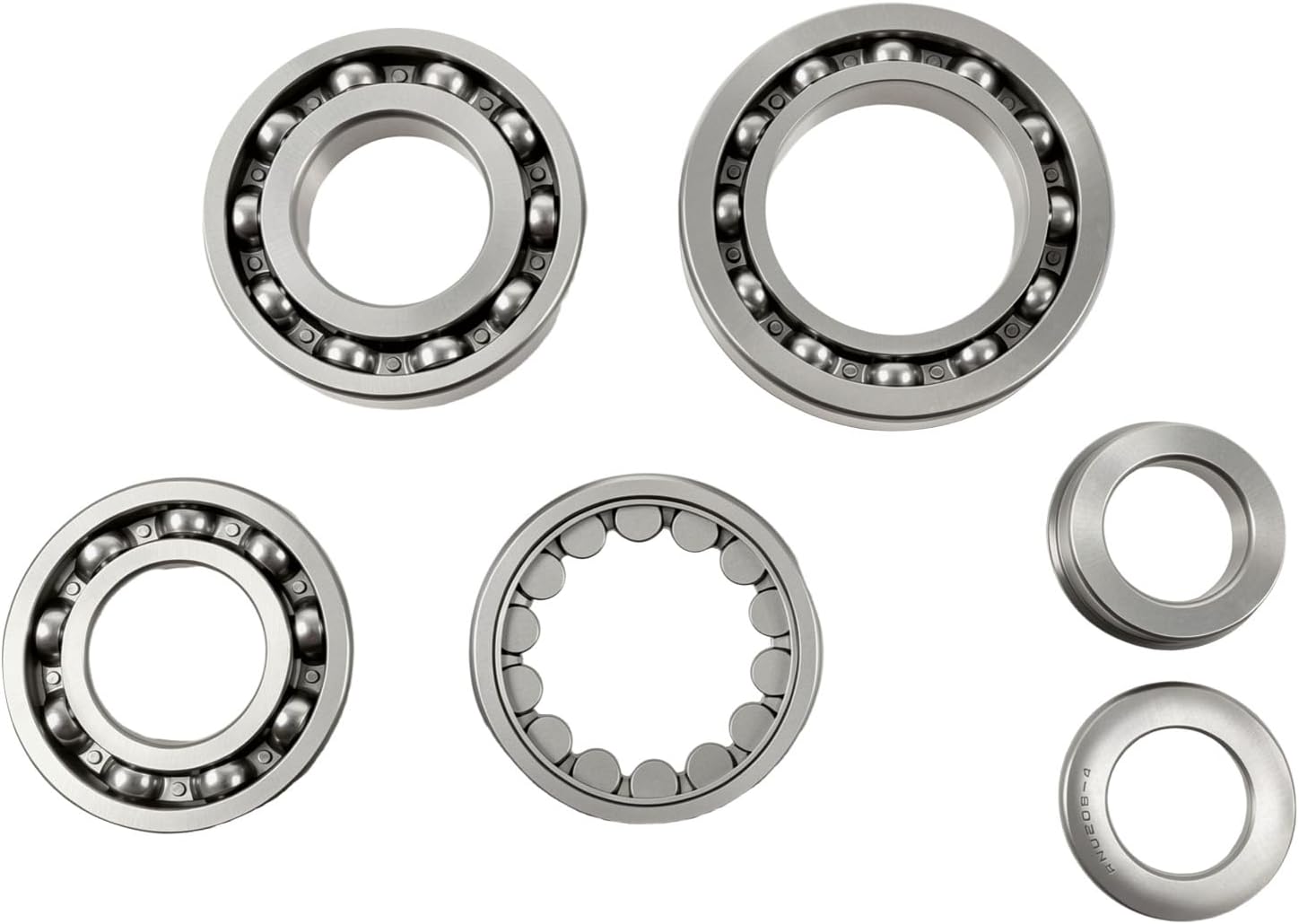
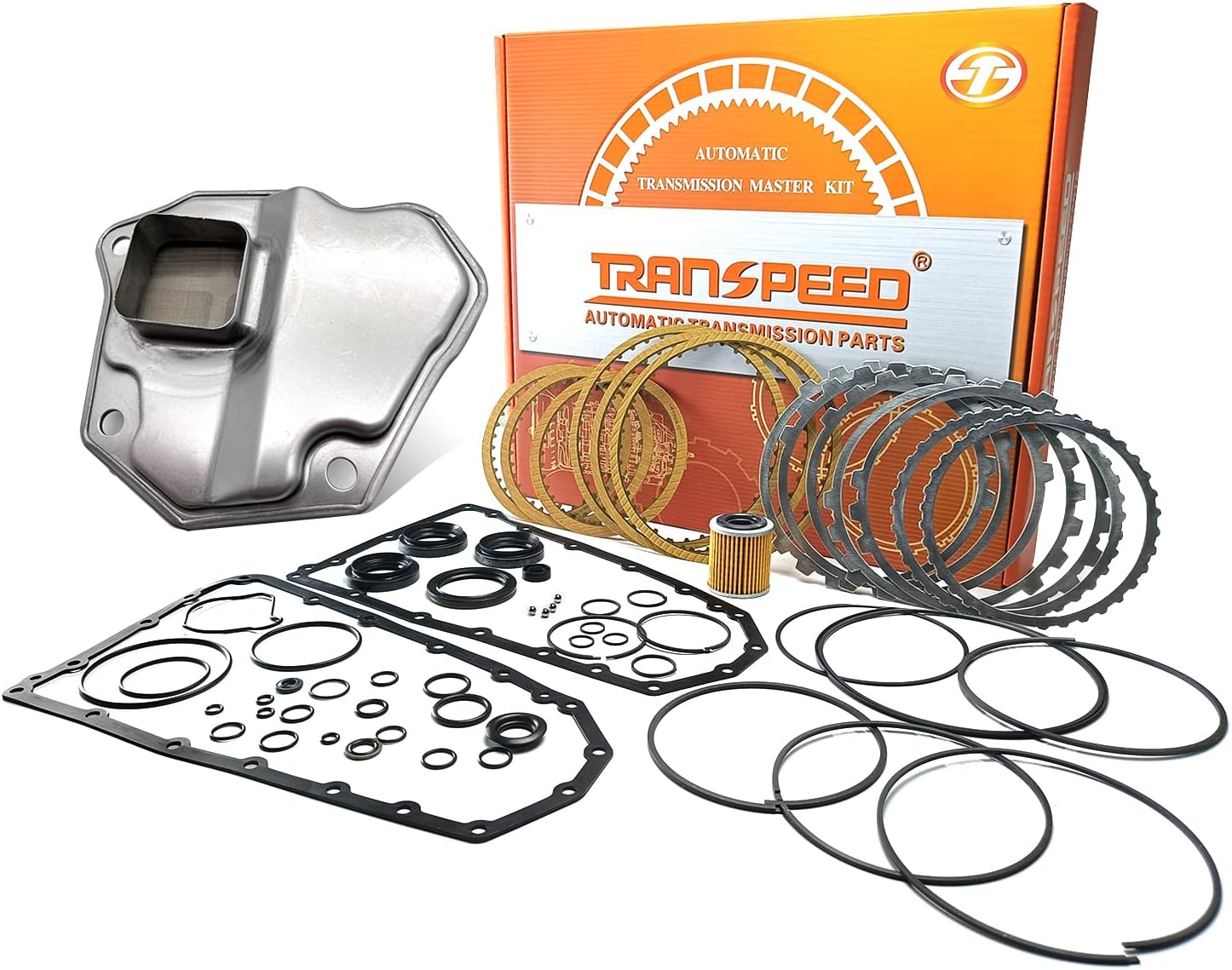
The belt does not come out on its own. With the unit on the bench, take off the converter and side cover, release the secondary pulley retainer, and lift the primary pulley, secondary pulley and belt out together, then separate them. Before you install the new belt, run a fingernail across every sheave face. A visible wear band, a step where the old belt rode, or scoring means those pulleys will wear a new belt quickly, so they should be replaced too. Mark the rotation direction and keep it on reassembly. Pulley bearings are the usual noise source once the unit is apart, so a JF011E pulley bearing kit makes sense in the same job. If you are going through the whole unit, a JF011E master rebuild kit with filter covers the seals, gaskets and filter. Flush the cooler, put in a new filter, fill with the Nissan NS-2 CVT fluid the application calls for, and reset the TCM's fluid degradation counter before the road test.