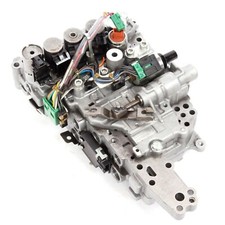
If your 2013 Nissan Altima judders, shudders, or bangs once it's warmed up - and especially if a scan tool shows a stored P17F0 or P17F1 code - you're looking at one of the most thoroughly documented failure patterns on the JF011E CVT. This is a remanufactured, bench-ready valve body for the JF011E, but before you add it to the cart, it's worth knowing that Nissan's own diagnostic bulletin for this exact complaint splits into two different repairs depending on which of those two codes is actually stored, and only one of them is fixed by this part.
What the valve body does in a JF011E CVT
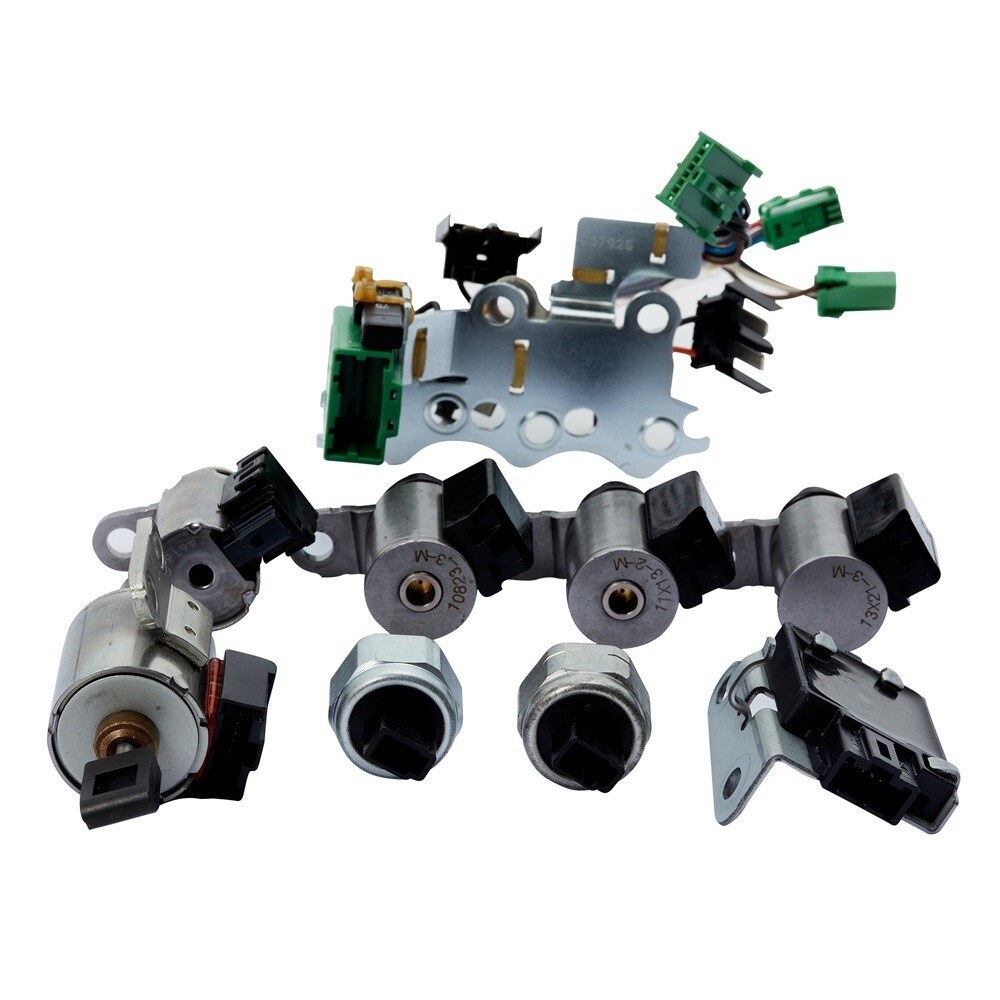
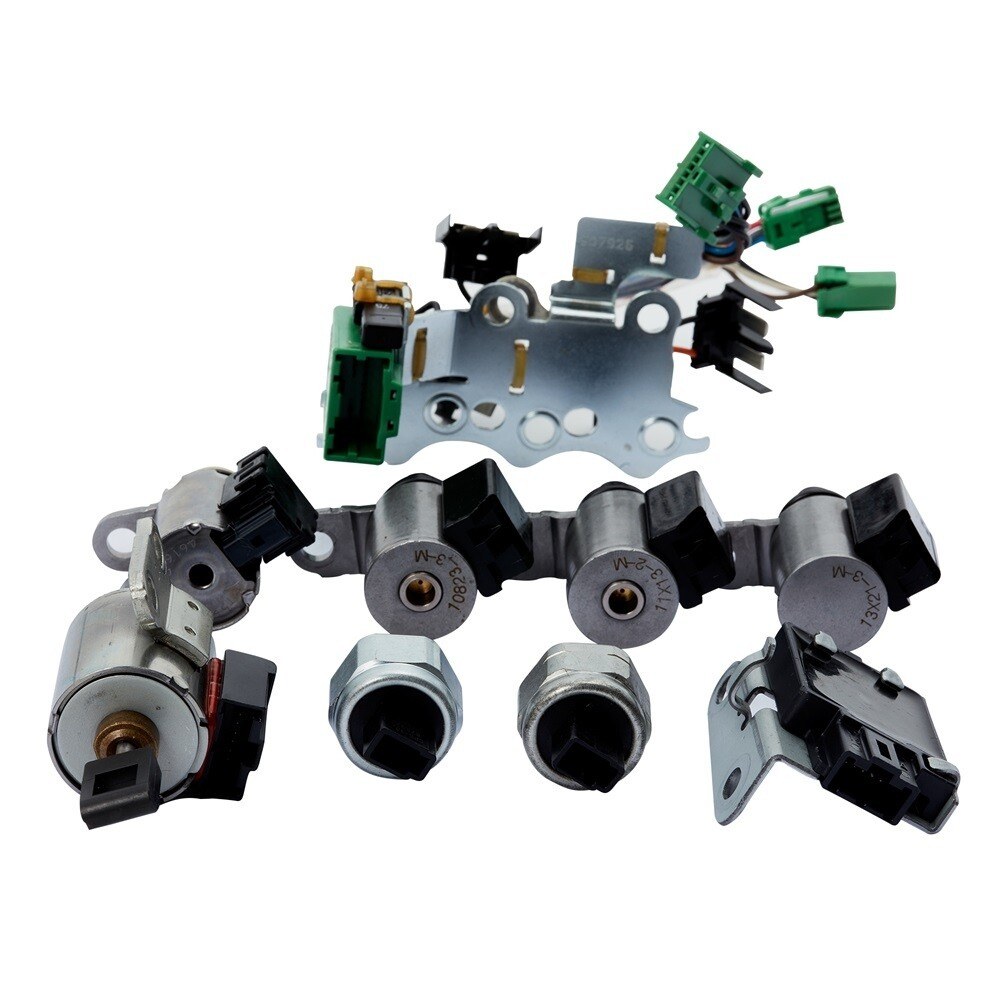
Unlike a stepped automatic, the JF011E has no fixed gears - a steel push belt rides between two variable-diameter pulleys, and the valve body is what controls everything about that belt's behavior. It houses the pressure sensors, the variator pressure solenoids, the torque converter clutch solenoid, and a stepper motor that splits hydraulic pressure between the primary and secondary pulleys to set the ratio. When that pressure split goes out of spec, the belt doesn't track the pulleys cleanly, and the driver feels it as a shudder or bump rather than a missed gear.
Symptoms this part addresses
- Judder: a shake, shudder, or single or multiple bumps felt at low speed or light acceleration
- RPM surge or chatter on acceleration, which Sonnax ties to worn secondary pulley pressure control
- Push-belt slippage, which can progress to belt or pulley damage if ignored
- A stepper-motor fault code (P1778) when the transmission can't complete a commanded ratio change
How to confirm it before you order
Nissan's bulletin for 2013-2016 Altima and 2014-2016 Rogue judder complaints is specific about this: if the stored code is P17F1, the dealer repair is to remove the valve body, inspect the CVT belt, and - if the belt checks out - replace the valve body alone, which is exactly what this listing is for. If the stored code is P17F0, Nissan's own flowchart calls for replacing the entire CVT assembly, not just the valve body, because that code points to belt or pulley wear beyond what a valve body swap corrects. Pull the code before you buy: a P17F1 with a good belt is this part's repair, a P17F0 likely is not, and our JF011E/RE0F10A master rebuild kit is the more realistic fix if the belt or pulleys turn out to be the actual damage.
Fitment
Nissan's own bulletin confirms this exact judder-and-code pattern on the 2013-2016 Altima (L33) with the 4-cylinder engine, which covers this listing's 2013 model year directly. The same JF011E transmission, badged RE0F10A, also shows up across other 2013 Nissan, Mitsubishi and Dodge models built on this CVT, but Nissan's documented bulletin coverage for this specific judder pattern is Altima- and Rogue-focused, so if your vehicle is a 2013 Sentra, Juke or something outside the Altima, match your casting marks and connector count against the listing photos or send your VIN before ordering. See our CVT parts collection for the rest of what we stock across this platform.
Install notes
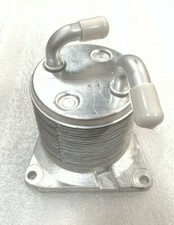
Run the transmission on genuine Nissan NS-2 CVT fluid only - Nissan's own guidance is that a non-NS-2 fluid degrades both drivability and CVT durability over time, and a refill done by circulating fluid through the cooler line typically takes 30-50% more fluid than the static drain-and-fill amount, so budget for extra. Inspect the belt per the bulletin before you button the pan back up, since installing this valve body over a belt that's already slipping won't resolve the judder for long. Pair the valve body with a fresh CVT cooler if overheating was part of the original complaint, and check the push belt listing directly if your inspection turns up wear rather than a clean bill of health. Clear the stored code and road test before calling the repair done.