Bell housing bolts are the hardware that goes missing on every LS swap. The junkyard engine shows up without them, the donor transmission came out of a different truck, or the old bolts are rusted and rounded from years under a Silverado. This kit is eight Grade 10.9 hex flange bolts for fastening a GM 4L60E, 4L65E, 4L70E or 4L80E bellhousing to a Gen III, Gen IV or Gen V LS or LT block, and it is listed for the T56 manual as well. It is cross-referenced to the 551652 bell housing bolt set.
What the bell housing bolts do on a 4L60E or 4L80E
The bolts clamp the transmission case to the back of the engine block, and the two dowel pins in the block locate it. Together they hold the transmission input shaft and pump on the same centerline as the crankshaft. That alignment is what keeps the torque converter hub running true in the pump bushing. If a bolt is missing or loose, the case can shift slightly on the dowels under load, and the converter starts pushing on the pump every revolution. Over time that shows up as a front seal leak, a worn pump bushing, or pump gear damage. On a swap, a bolt with too much thread or the wrong length can also bottom out in the block before it clamps the case.
A hex flange head spreads the load across the case ear without a separate washer, and the zinc coating helps a bolt that sits right behind a hot exhaust survive the next teardown.
Symptoms of missing or loose bell housing bolts
- A gap between the transmission case and the block on one side
- Front pump seal leak soon after a swap or a transmission replacement
- Clunk on engagement or a knock from the bellhousing area
- Vibration that follows engine speed, often together with a misaligned converter
- Starter noise or poor engagement when the case is not pulled fully against the block
How to confirm before you buy
Count the bolts you have against the holes in the case and block, and check that both dowel pins are present and undamaged. Look for stretched threads or rounded heads on the old ones. If the transmission already leaks or slips after a swap, find out why before you button it up again. The 4L60E common problems guide explains how pump and converter damage shows up, and the 4L60E Camaro shift problems guide covers the symptoms on the LS-powered F-body cars.
Fitment
The listing covers the GM 4L60E, 4L65E, 4L70E and 4L80E automatics, and the T56 manual, to LS and LT Gen III, Gen IV and Gen V engines. That covers most late-model truck and car combinations and the common swaps of those transmissions into older vehicles. It does not cover small-block Chevy engines, and a few installs use a different bolt at a location shared with a bracket, a dipstick tube or a ground strap. Hold a bolt up to each hole before final assembly. If you are not sure, send us the engine, transmission and year, or the VIN. More parts for these transmissions are on our 4L60E parts page.
Install notes
- Seat the converter fully in the pump before the case meets the block. GM's Supermatic guide says to feel it drop through two steps and to check a 1/8 to 1/4 inch gap between the converter pads and the flexplate.
- Never use the bell housing bolts to pull the transmission onto the block. If it will not slide flat against the dowels, something is misaligned.
- Clean the block threads with a tap or a thread chaser so the torque reading is real.
- Run all bolts in by hand, snug them in a cross pattern, then torque them. GM lists transmission to engine bolts at 37 ft-lb (50 N-m) for the 4L65E and 4L70E Supermatic units.
- On an LS swap with an older converter, check ICT Billet's converter depth test so the converter hub actually sits inside the crankshaft.
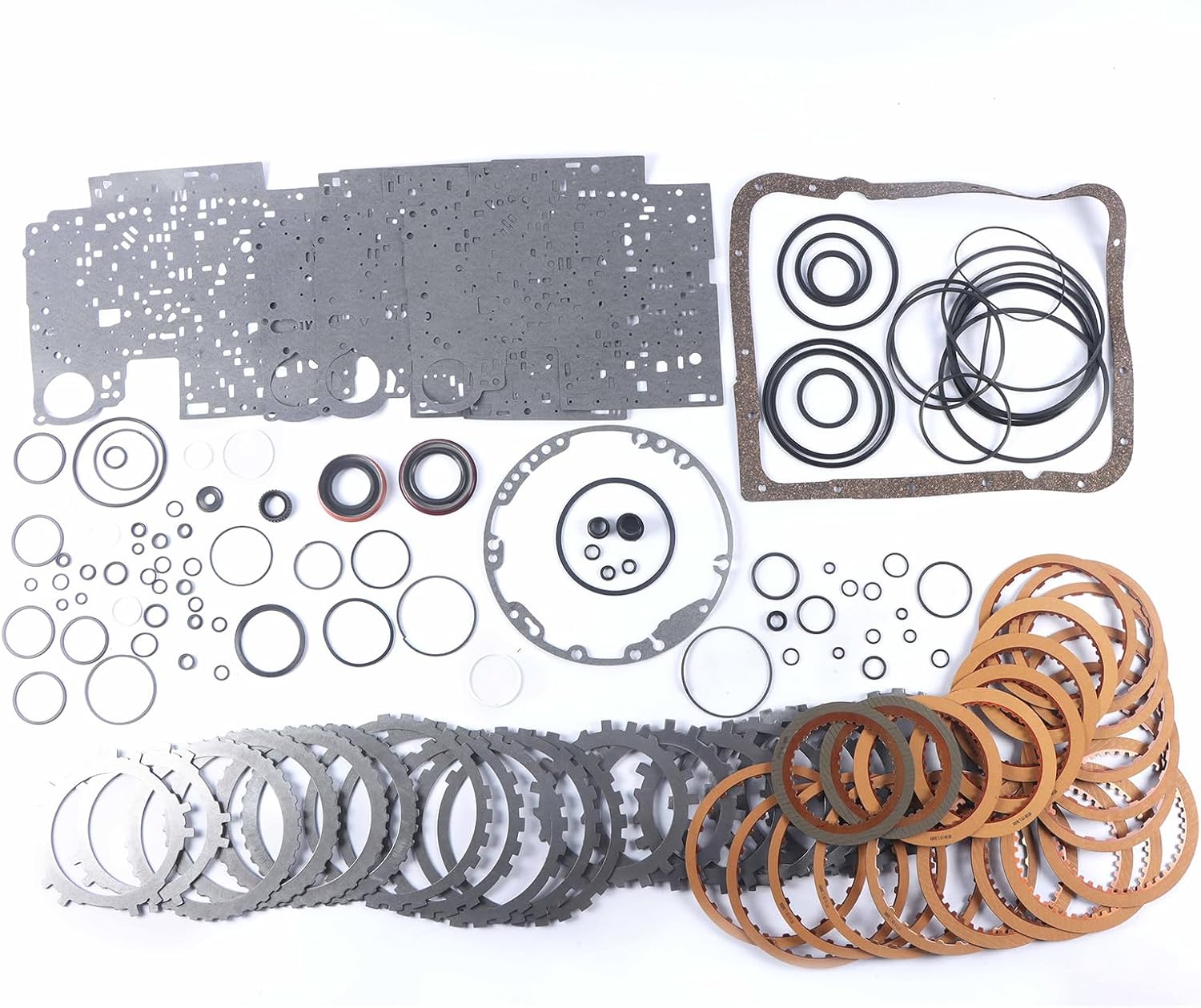
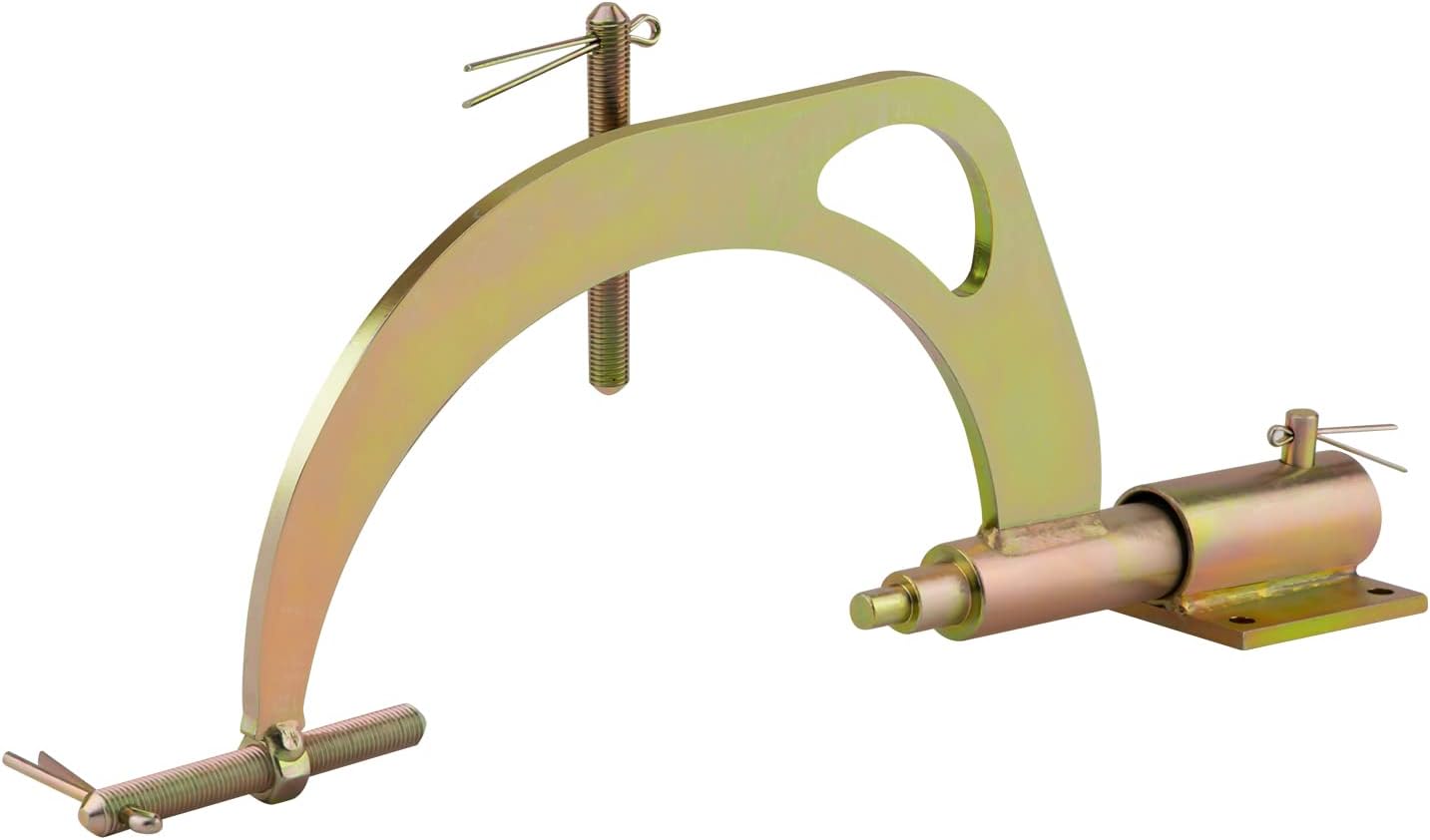
Rebuilding the transmission before it goes in? A 4L60E holding fixture keeps the case steady on the bench, and the 4L60E master overhaul kit covers the seals and frictions.