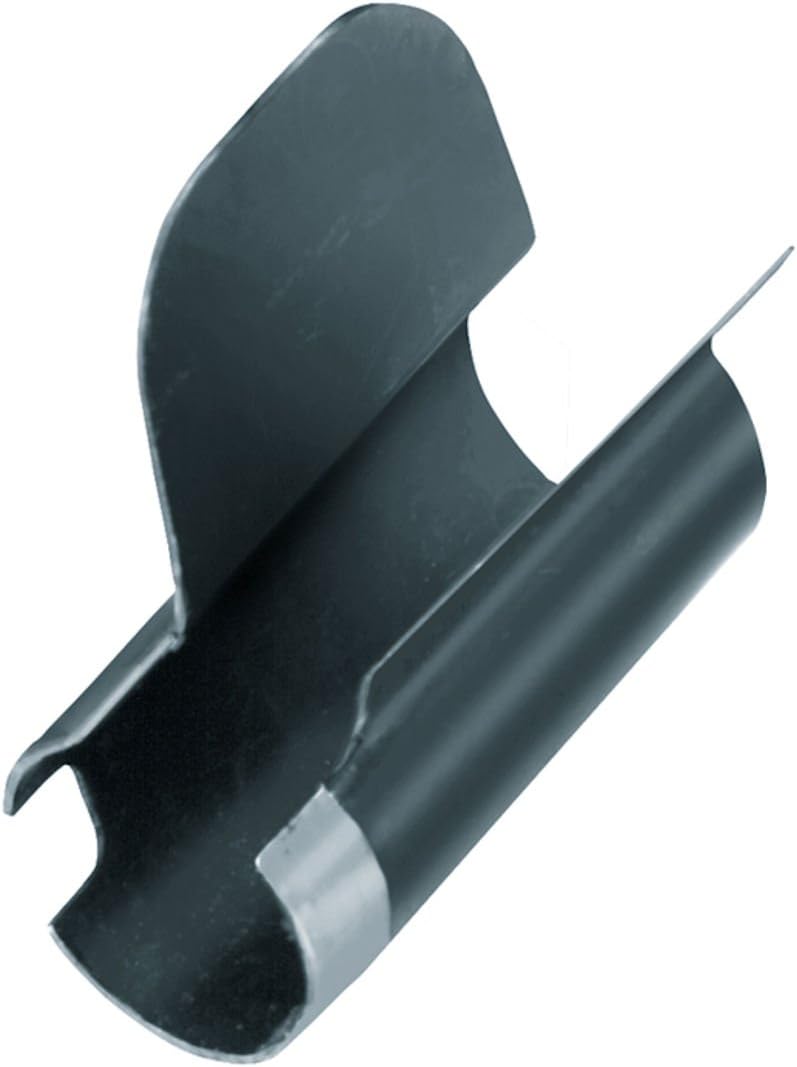
Trying to get a transmission cooler line off a Silverado, Sierra, Tahoe, Suburban or Express van and the fitting will not let go? GM holds those 1/2 inch lines in with a quick-connect fitting and a captured spring clip, and prying at it with a pick usually ends with a bent clip, a scratched fitting or a clip on the shop floor. The OTC 7937 is the dedicated release tool for that fitting on 4L60E and 4L80E trucks and vans. It snaps around the line, slides into the connector and releases it with a quarter turn, one-handed.
What the cooler line fitting does on a 4L60E
Every 4L60E sends hot fluid out of the case, through a steel line to the cooler in the radiator tank or an auxiliary cooler, and back in through a second line. At the case and at the radiator, GM uses push-in quick connects: the tube has a raised bead, and a spring clip inside the fitting snaps behind that bead. To release it, the clip has to be spread evenly from the inside, which is exactly what the slotted body of the 7937 does when you turn it. The clip stays in the fitting, so the line pushes back in and locks without new hardware. The fitting itself threads into the case, and the GM overhaul procedure lists the cooler connector torque at 38 N-m (28 lb ft), so inspect it for damage while the line is off.
Jobs that need the lines off
- Pulling the transmission for a rebuild or swap
- Replacing a rusted, weeping or kinked cooler line
- Replacing a radiator or adding an auxiliary cooler
- Flushing the cooler and lines after a failure that left metal or clutch material in the pan
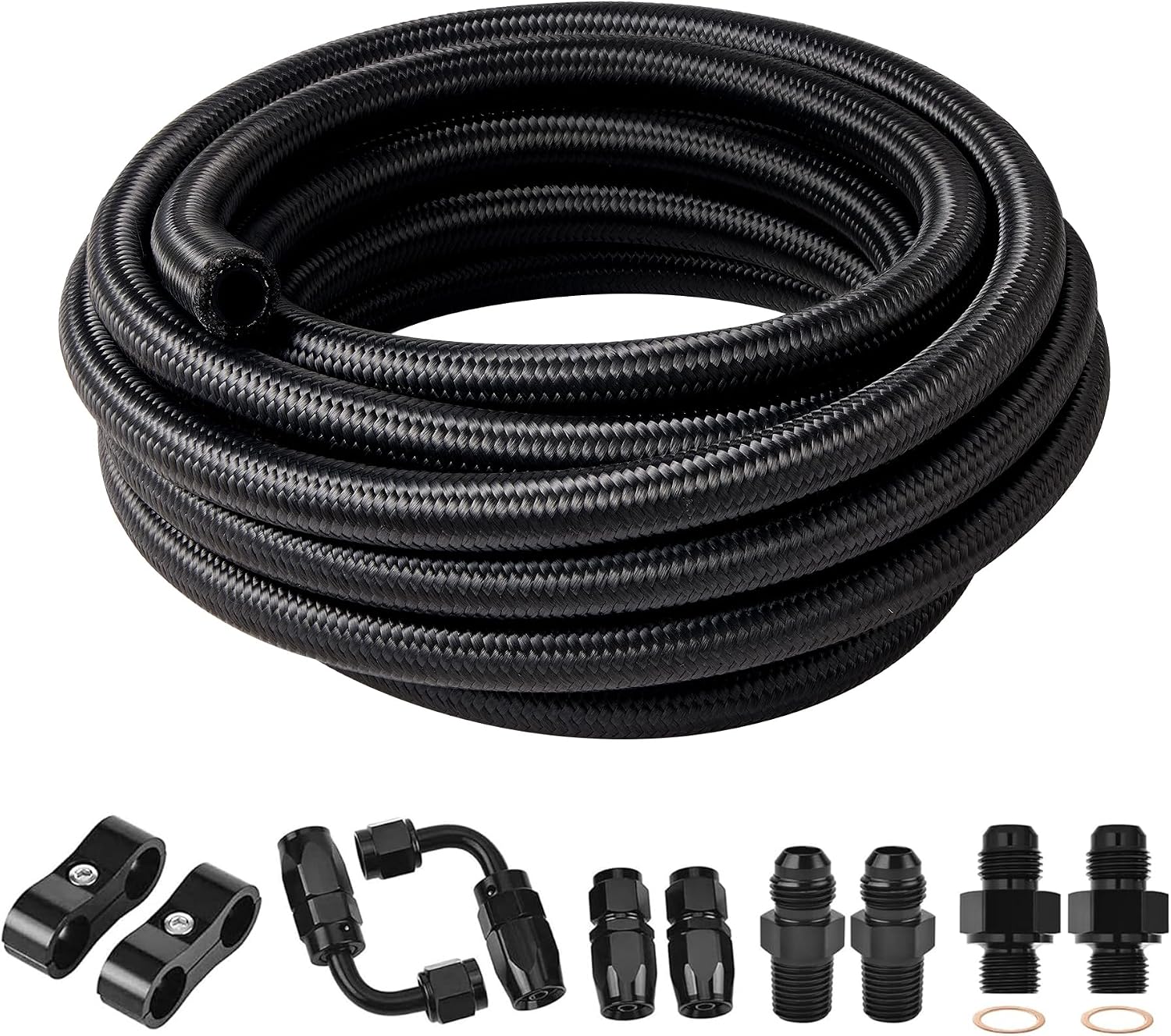
- Upgrading to braided lines on a modified truck
Check before you condemn the transmission
A leak at a cooler fitting can drain enough fluid to make a healthy 4L60E slip or flare between gears, and low fluid also runs hot, which is hard on the 3-4 clutch pack. Clean the fittings, check the level hot, and look for wet tubes before buying internal parts. Our 4L60E common problems guide covers which slips point to fluid loss and which point to worn hard parts. If the unit failed and left debris, GM says the converter should be replaced when metal particles are found after flushing the cooler and cooler lines, so do that flush before the new or rebuilt unit goes in.
Fitment
OTC lists the 7937 for 2WD and 4WD GM pickups and vans with the 4L60E from 1993 on and the 4L80E from 1991 on. That covers the 4L60E in 1993-2013 Silverado 1500, Sierra 1500, Tahoe, Yukon, Suburban, S10, Sonoma and Blazer. It also works on many other GM units that use the same 1/2 inch fitting, as long as there is roughly 1-1/4 inch of straight tube between the fitting and the first bend. It is for the transmission line size, not the larger engine oil cooler line. Not sure your line is the 1/2 inch style? Send us the year and VIN, or browse the 4L60E parts and tools collection.
How to use it
- Clean the fitting and the first inch of tube with brake cleaner and a wire brush; caked rust is what makes clips stick.
- Open the tool around the line with the slotted end toward the fitting.
- Push it straight into the connector until it bottoms against the clip.
- Give it a quarter turn while pulling the line back out of the fitting.
- Catch the fluid. Plan on topping up with Dexron VI and checking the level hot after the job.
- To reinstall, push the line in until you feel the clip snap, then tug on it to confirm it is locked.
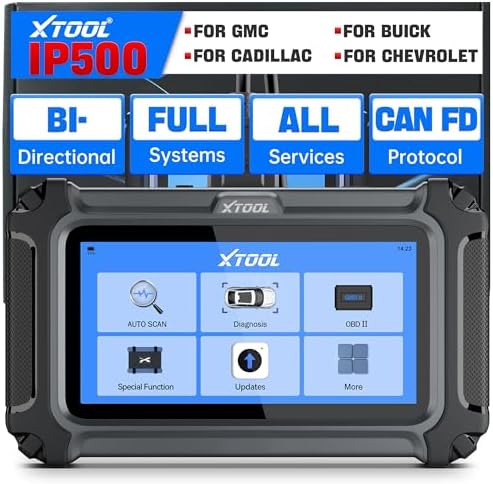
On the case-side fittings tucked up near the transmission tunnel, you may still need a pick to finish, but the radiator end comes apart in a couple of minutes. If your old lines are too rusted to reuse, the 6AN braided cooler line kit for the 4L60E and 4L65E is a direct way out, and a GM bidirectional scan tool lets you check fluid temperature and codes on the test drive. For the full teardown list, see the bench tools you actually need for a 4L60E rebuild.