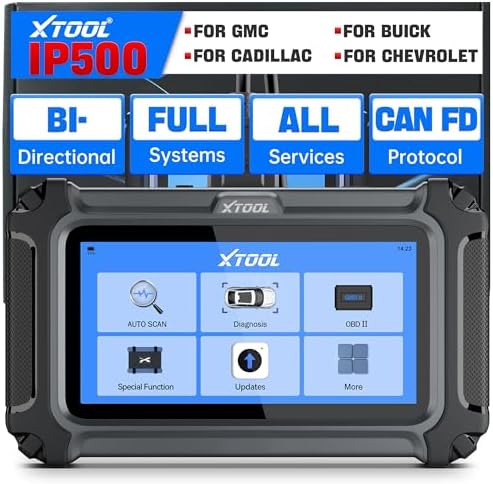
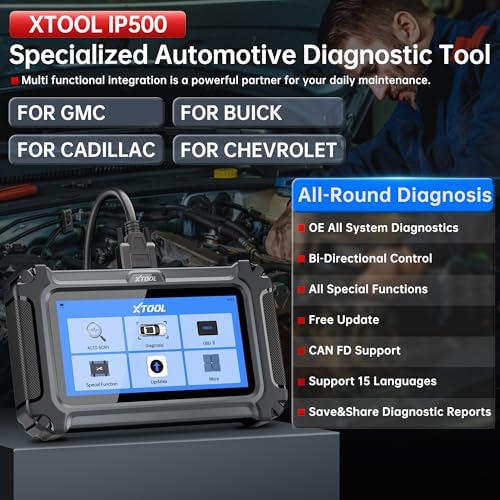
A 4L60E that flares on the 2-3, starts in 2nd, or sets P0751, P0756 or P0741 can be a solenoid, a wiring fault, a worn valve body bore or a burned clutch pack, and those fixes range from a $40 part to a full rebuild. A generic code reader gives you the code and nothing else. The XTOOL IP500 for GM is a dedicated Buick, Chevrolet, Cadillac and GMC scan tool with full-system access and bidirectional control, so you can watch what the transmission computer sees and command its outputs yourself on a 1999-2025 GM truck, SUV or car.
What a bidirectional scan tool does on a 4L60E
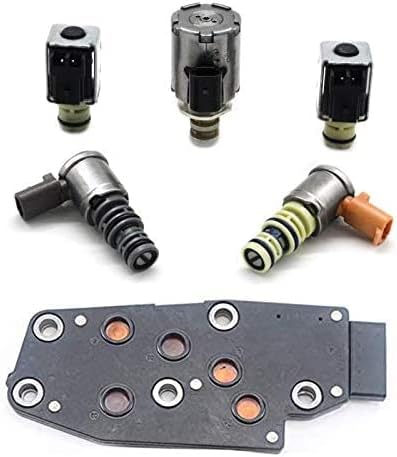
The 4L60E picks its gears with two on/off shift solenoids. Shift solenoid A and B are both on in 1st, B alone is on in 2nd, both are off in 3rd, and A alone is on in 4th. That is why a 4L60E with no solenoid power defaults to 3rd. Line pressure is set by the pressure control (EPC) solenoid, and the converter clutch is applied by the TCC solenoid. Live data shows gear commanded versus the ratio actually achieved, TCC slip speed, input and output speeds and fluid temperature while you drive. Bidirectional control lets you switch those solenoids on and off with the truck on the lift, so you can hear or feel the result instead of guessing from a stored code.
Problems this tool helps you sort out
- Check engine light with shift codes such as P0751 or P0756 (shift solenoid A or B performance)
- Converter clutch slip or shudder with P0741, where normal locked slip is only a few dozen RPM
- Harsh or soft shifts with P0748 or the P0894/P1870 slip codes
- Wrong-gear starts, no 4th, or a flare that only shows up warm
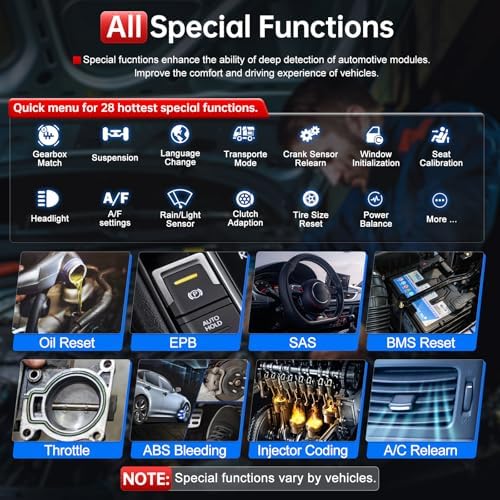
- Relearns after repairs, such as the crank position variation relearn after a cam or crank sensor job
Our 4L60E common problems guide walks through what each of those failures looks like and which parts usually cause it.
How to use it to confirm a fault before buying parts
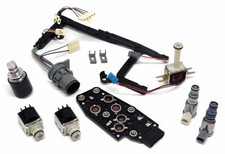
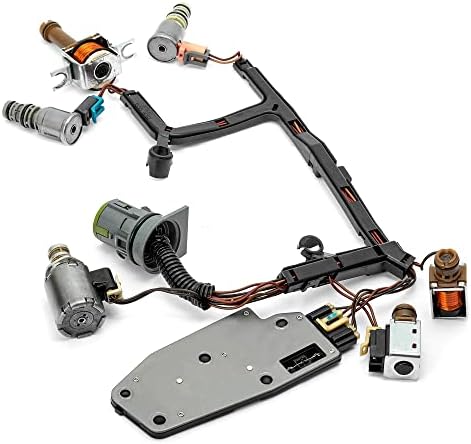
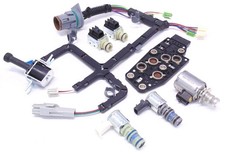
Start with a full-system scan, because an engine, wheel speed or throttle fault can make the transmission behave badly with no trans code at all. Then graph commanded gear, TCC slip and output speed on a test drive and note where the complaint happens. Back on the lift, command shift solenoid A and B and the TCC solenoid and watch for a response. A solenoid that will not respond, or a circuit that reads open, points to the 2003-up master solenoid kit or the harness. A solenoid that responds while the slip codes come back points to valve body wear or a leak. One caution: the 4L60E has no line pressure sensor, so the EPC reading on any scan tool is a commanded value. Back it up with a mechanical gauge on the line pressure port before you condemn an EPC solenoid.
Fitment and coverage
This is the GM-only version of the IP500. The listing covers Buick, Chevrolet, Cadillac and GMC from 1999 through 2025, including the 4L60E, 4L80E, 6L80, 6L90, 6T70 and 8L90 transmission modules plus engine, ABS, airbag and body modules. It will not diagnose Ford, Chrysler or import vehicles. Function support varies by model and year, so if you have an older or unusual GM, send us the year and VIN and we will check before you order. For everything else on this unit, see our 4L60E parts collection.
Setup and use notes
- Register the tool and run the software update first; updates are free for the life of the tool.
- Keep the battery on a maintainer during long bidirectional sessions and relearns.
- Check the fluid level hot with the engine running before trusting any shift data. Late 4L60E units take Dexron VI.
- After replacing solenoids, a valve body or a whole transmission, clear codes and road test with live data on screen to confirm the fix.
If the data shows internal damage, our 4L60E bench rebuild tools guide covers the next step.