Most people looking for a transmission fluid tester are trying to answer one question before they spend money: is the fluid in this CVT or automatic actually worn out, or is it fine? Maybe a Nissan, Honda or Subaru CVT has started to judder, maybe you are looking at a used car, or maybe a shop quoted a flush and you want to see for yourself. This tester gives you a reading instead of a guess. You slide its 80cm probe into the fill tube or dipstick port, draw a sample into the tip, and the backlit screen tells you how much light gets through the fluid.
What the tester does in a CVT or automatic
New transmission fluid is translucent. As it oxidizes from heat, carries clutch and belt wear material and builds varnish, it darkens and lets less light pass. The tester measures that light transmittance and sorts it into three bands: 100 to 50 percent reads OK, 50 to 30 percent is a warning that the fluid is aging, and below 30 percent is a fail, the dark, cooked oil you find in a unit that has run hot or gone far past its service interval. A temperature sensor reads the fluid at the same time. Because it reads clarity rather than chemistry, it works the same on ATF, CVT fluid and manual gear oil regardless of brand.
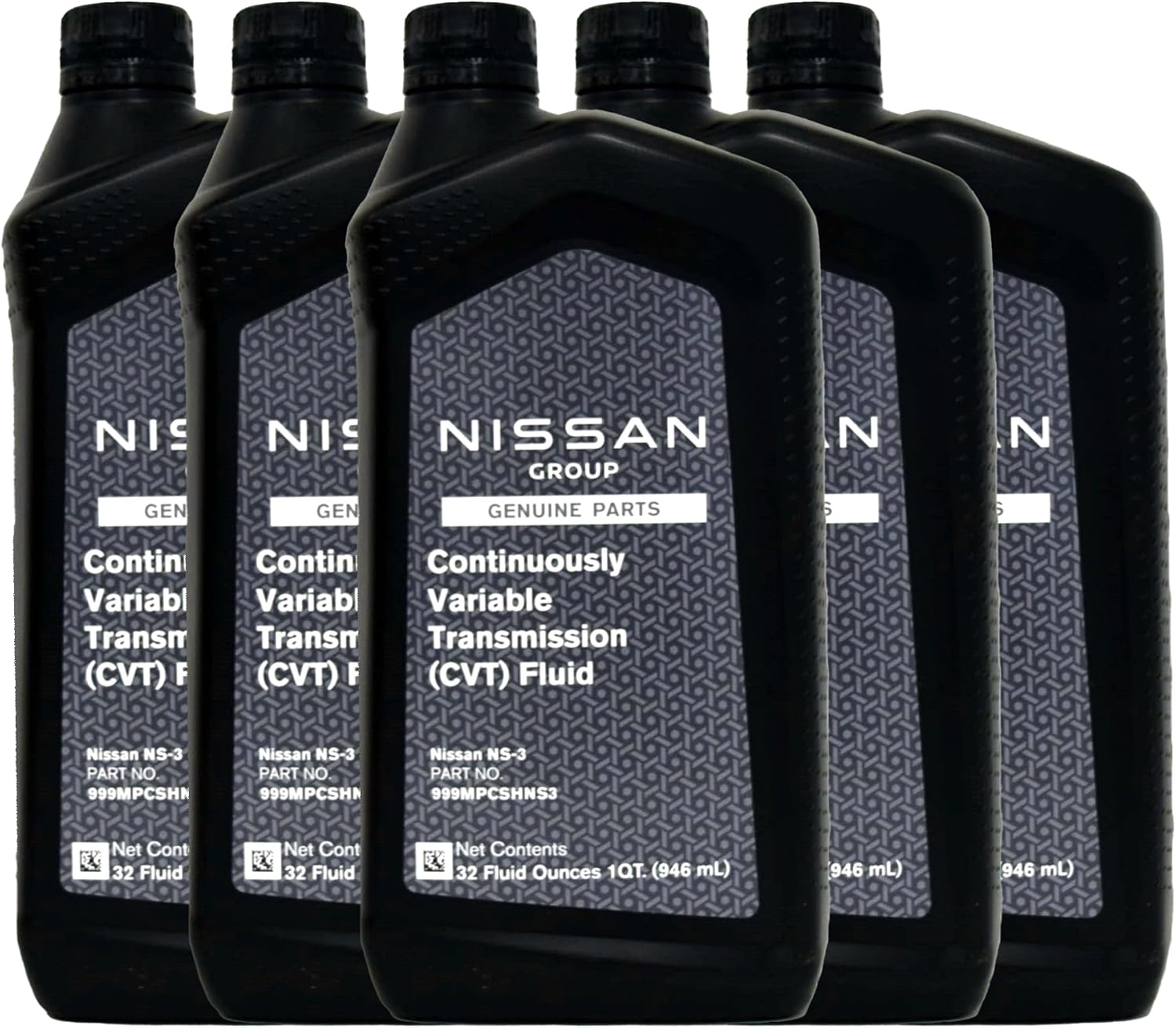
That matters most on a CVT, where the fluid is part of how the unit transmits power. A belt or chain is clamped between pulleys by hydraulic pressure, and the friction between them depends on the fluid. Nissan's own bulletin on NS-3 tells technicians to use only the specified CVT fluid and not to mix it, and warns that ATF or manual transmission fluid may damage the CVT. Overheating and fluid breakdown from skipped services is a well-known path to early CVT wear.
Symptoms worth checking fluid for
- Judder or shudder pulling away at light throttle
- A flare or rubber-band feel where RPM rises ahead of speed
- Reduced power after long highway runs. Nissan documents a fluid temperature protection mode on the 2011-2015 Rogue that cuts performance after extended high-RPM or 65 mph operation
- A burnt smell, or fluid that looks brown instead of its original color
- No service record on a used car past 60,000 miles
How to use it in a diagnosis
Treat a fail reading as a reason to look further, not a final verdict. Sonnax points out that a certain amount of magnetic debris is normal in a belt-type CVT at 40,000 to 50,000 miles, so a slightly gray sample alone does not mean the unit is failing. Level matters as much as condition: on the Jatco CVT Sonnax describes, the cooler thermal element opens around 150 degrees F, and once it purges air the sump level drops, so check level at the temperature the service information specifies. Our CVT failure patterns guide explains which symptoms point to fluid and which point to hard parts, and the JATCO CVT guide covers the Nissan judder codes.
Fitment
This is a universal tool, not a vehicle-specific part. It fits any transmission you can reach with the 80cm (31.5 in) flexible probe through a fill tube or dipstick port: conventional automatics, CVTs and manual gearboxes. On sealed units with no dipstick, sample from the check or fill plug. It powers down after five minutes idle. Browse our diagnostic tools or the CVT parts collection for the rest of the job.
Using the result
- OK reading: record the mileage and recheck at the next oil change.
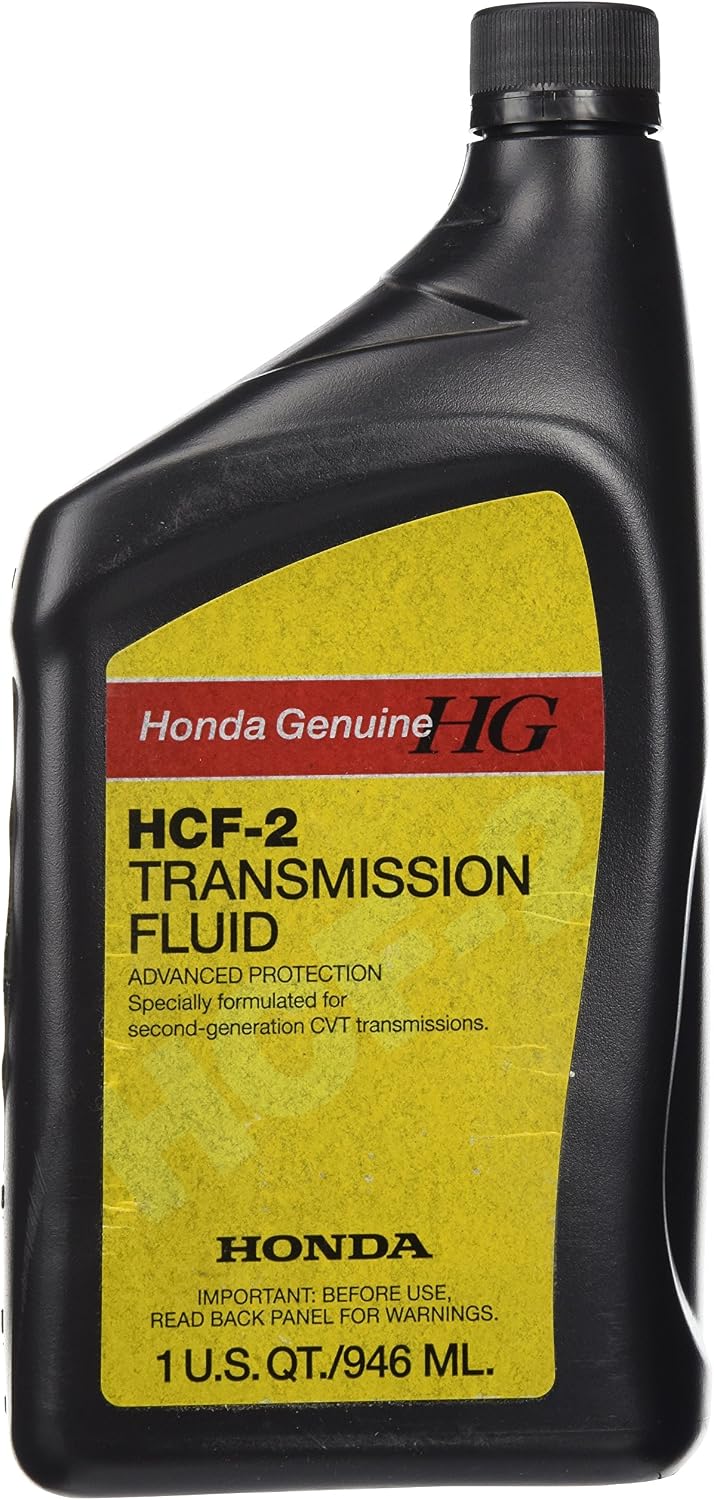
- Warning: plan a drain-and-fill with the exact fluid your transmission specifies, such as Nissan NS-3 or Honda HCF-2.
- Fail: change the fluid, check for codes and debris, and retest after a few hundred miles. A drain-and-fill only replaces part of the fluid, so one service may not bring it back to OK.
- Wipe the probe clean between vehicles so you do not carry old fluid into a fresh sample.
A quick, repeatable check that ships fast from the USA.