This gallon is for the person who services more than one vehicle: a home mechanic with a domestic truck and an import commuter, or a small shop that is tired of stocking a dozen factory fluids. Castrol Transmax ATF/CVT Universal is a full synthetic built to cover both conventional step-shift automatics and continuously variable transmissions, so one jug can handle a fluid change on an older automatic and a top-off on a CVT. Buyers usually find it while searching for a fluid that matches their car's spec without a trip to the dealer parts counter.
What a universal ATF/CVT fluid does
In a conventional automatic the fluid carries line pressure to the valve body, cools the unit and sets how the clutch packs grip as they apply. In a CVT it has an extra job: hydraulic pressure clamps the belt or chain between the pulleys, and the friction between steel parts depends on the fluid itself. That is why friction durability matters. Castrol describes this product as having enhanced friction durability for smooth shifts, high-temperature protection against oxidation, and protection against copper corrosion in coolers and lines. The NAPA catalog entry for part 15E0C8 lists Dexron and Mercon family applications, JASO 1A, and CVT fluids for Toyota, Nissan, Subaru, Honda, Hyundai/Kia, Mazda and Mitsubishi, and also notes it is suitable for hybrids.
Symptoms tired fluid causes
- Light-throttle judder or shudder, especially on CVTs
- Soft, slurred or late shifts on a step automatic
- A flare where RPM climbs before the car picks up speed
- Dark, burnt-smelling fluid on the dipstick or check plug
When universal is the right call, and when it is not
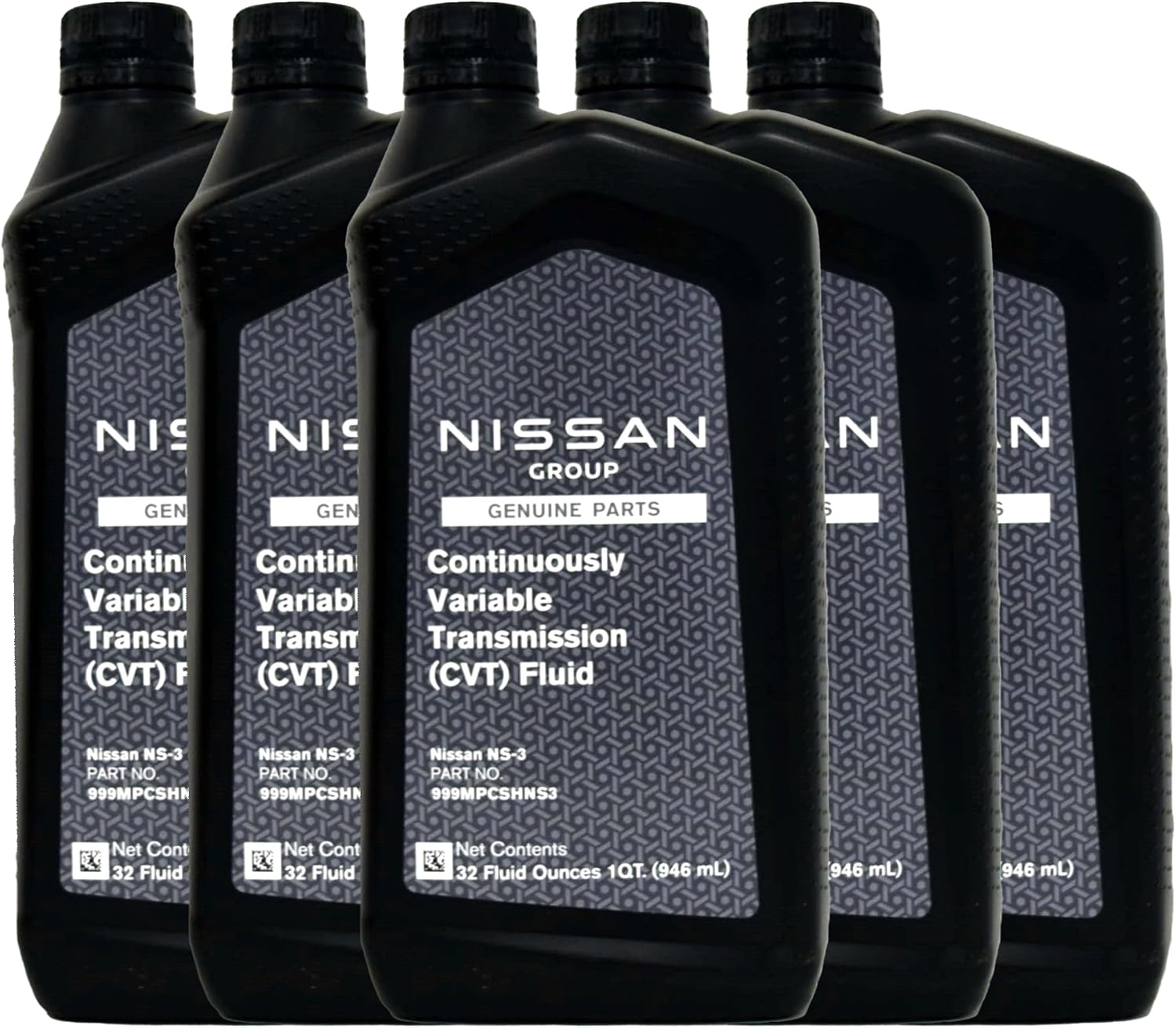
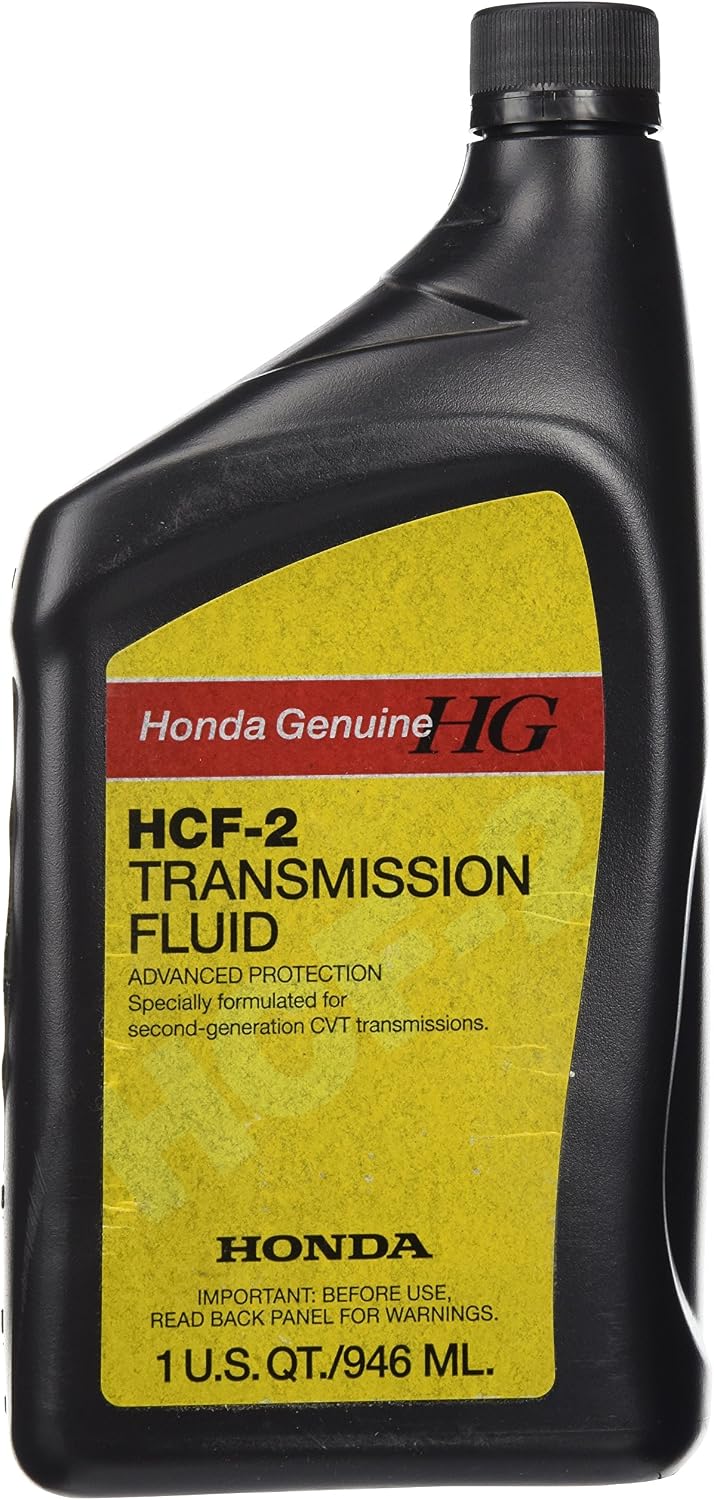
Read the fluid callout in your owner manual and compare it to the application list on the jug before you pour. There are firm exceptions. The NAPA listing excludes the 2001-2007 Honda Fit CVT. Nissan's bulletin NTB14-077 tells technicians to use only genuine NS-3 in its CVTs and not to mix fluids, and Honda's service bulletin on the 2016 Civic CVT calls for HCF-2 only. For a car under warranty, or a repair done to a bulletin, buy the factory fluid: we stock genuine Nissan NS-3 and genuine Honda HCF-2. Dual-clutch gearboxes are also outside its scope; the Ford PowerShift needs Motorcraft XT-11-QDC. If your symptoms are more than worn fluid, our CVT slipping under load guide helps separate fluid problems from failed hard parts.
Fitment
One US gallon of full synthetic fluid, Castrol part 15E0C8, for the automatic and CVT applications printed on the container. Coverage spans many Ford, GM, Chrysler and Asian import specifications, but it is not every transmission, so match your spec by name. If you cannot tell which fluid your unit takes, send us the year, model and VIN and we will look it up. See the full fluids range or shop CVT parts for the rest of the service.
Service notes
- A drain-and-fill replaces only part of the fluid in most automatics and CVTs, so badly darkened fluid may need two services a few hundred miles apart.
- Many CVTs and sealed automatics are checked hot, at a specific fluid temperature read from a scan tool, through a check plug rather than a dipstick. Follow the procedure for your unit; guessing by the amount drained leads to a wrong level.
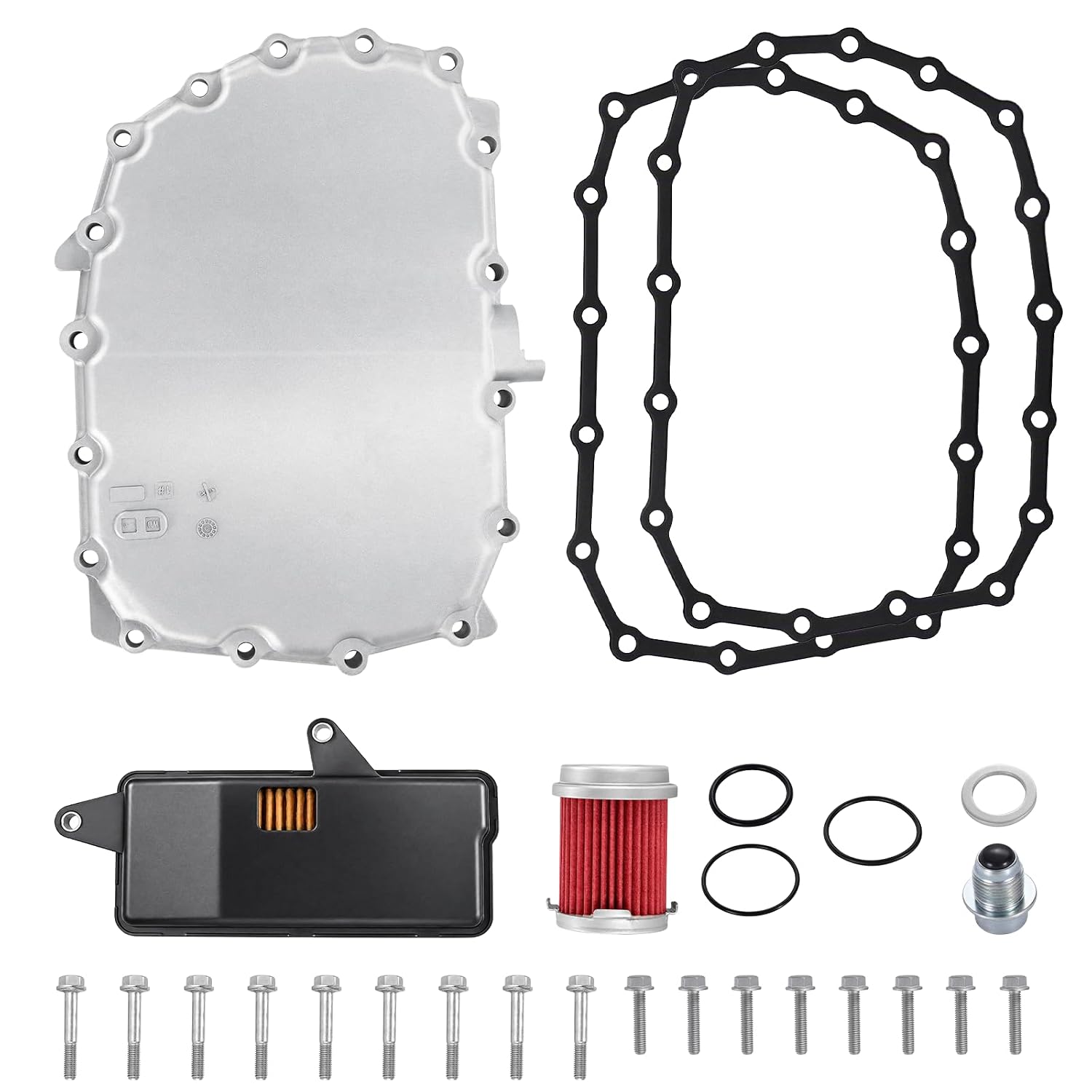
- Replace the drain plug washer and, if your unit has a serviceable filter or strainer, change it at the same time.
- Use a fluid quality tester to check condition before and after the service.
Full synthetic, one gallon, ships fast from the USA.