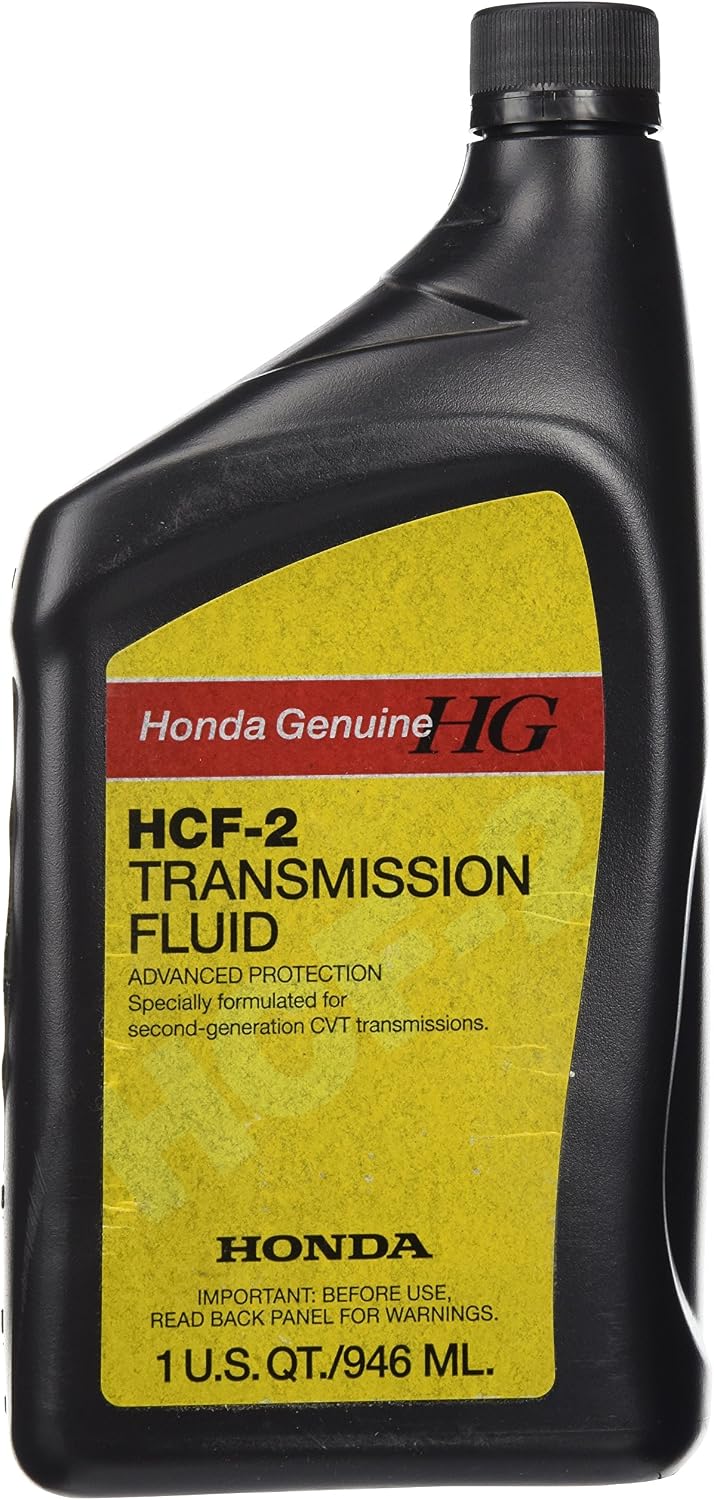
If you are looking for a single bottle of Honda HCF-2, you are probably topping off after a leak, finishing a drain-and-fill that came up a quart short, or replacing a fill that a quick-lube shop did with a universal CVT fluid on a 2013-up Accord, a 2014-up Civic, an HR-V or a Fit. This is the Honda-boxed bottle, part number 08200-HCF2, one U.S. quart (946 ml). It is the fluid Honda names on the yellow label at the fill point of its second-generation CVTs, and it is the right answer whenever that label is on your transmission.
What HCF-2 does in a second-generation Honda CVT
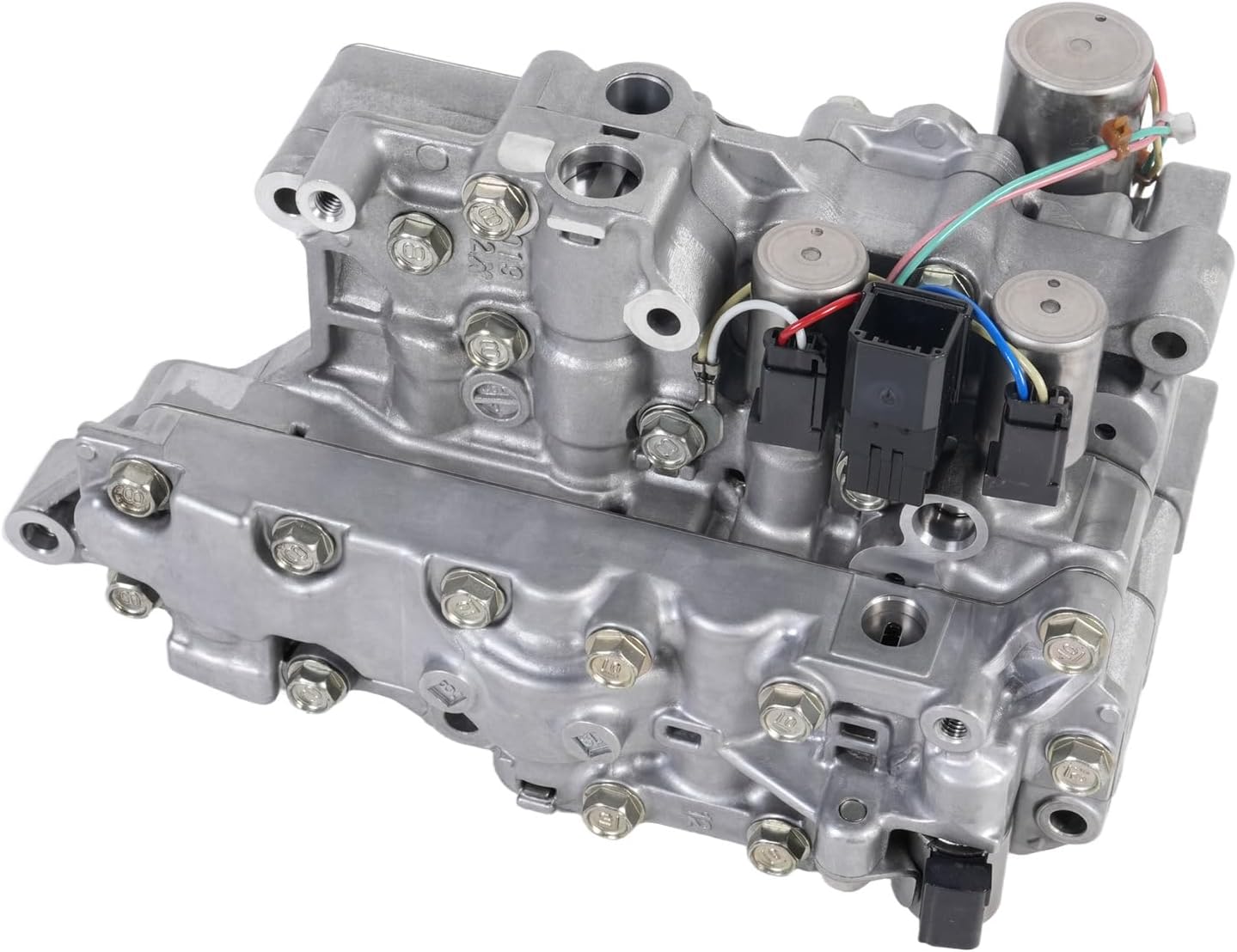
Honda's CVT has no fixed gears. A segmented steel push belt runs between a drive pulley and a driven pulley, and the transmission changes ratio by moving the pulley halves closer together or farther apart under hydraulic pressure. All of the engine's torque crosses the small contact patch where the belt touches the pulley faces, so the fluid is part of the drive. It has to let the belt grip hard without chatter, carry clamping pressure through the valve body and solenoids, and cool the belt and bearings. HCF-2 is blended for exactly that friction behavior. Honda's earlier CVT fluid, part 08200-9006, is listed by Honda dealers as the fluid for first-generation CVTs; it is a different product and is not a substitute here, and neither is Dexron, DW-1 or a conventional ATF. Honda's service bulletin for the 2016 Civic 1.5L CVT tells technicians to always use genuine HCF-2 and warns that the wrong fluid may damage the transmission.
Symptoms that point to old or wrong fluid
- A shudder or vibration at light throttle when pulling away, often worst between 20 and 40 mph
- A drone or whine that follows road speed and was not there before a service
- Engine rpm flaring before the car picks up speed, especially on a grade
- Slow or rough engagement into Drive or Reverse on a cold morning
- Dark fluid with a burnt smell on a car that has gone past its Maintenance Minder transmission service
- A fluid leak at the pan, drain bolt or cooler lines that has left the level low
How to confirm the fluid is the problem
Start by reading the label near the fill point; if it says HCF-2, nothing else belongs in the case. Ask for the service history, because a judder that began right after a fluid change at a non-dealer shop is a strong hint the wrong fluid went in. Check the level at operating temperature using your model's procedure (Honda's 2016 Civic bulletin specifies a fluid temperature of 176 degrees F), scan for stored codes, and ask a Honda dealer whether a CVT software update applies to your VIN. Our Honda CVT maintenance guide covers service intervals and the mistakes that kill these units, and CVT slipping under load walks through what to check when fresh fluid does not cure a flare.
Fitment
This bottle is for Honda and Acura second-generation CVTs that call for HCF-2. The listing names the 2013-up Accord with the four-cylinder CVT, the 2014-up Civic, the HR-V (Vezel in other markets) and the Fit. Honda used more than one transmission in some of those model lines, including conventional automatics in certain trims and hybrid drive units with their own fluids, so the label on your transmission or your owner's manual decides it. Do not use HCF-2 in a first-generation CVT that calls for 08200-9006. If you are unsure, send us your year and VIN and we will check it. More parts for these transmissions are on our CVT collection page.
Install notes
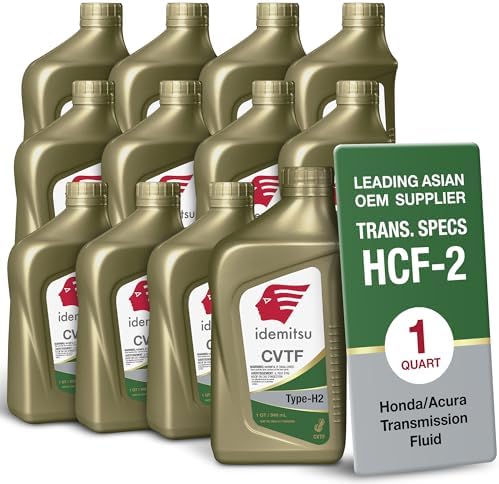
- One quart is a top-off or a make-up bottle. A full drain-and-fill on most of these cars takes several quarts, so for a complete service the HCF-2 case of 12 is the better buy.
- Warm the transmission, drain at the pan plug, and fit a new sealing washer on the drain bolt before refilling through the fill point your model uses.
- Set the level hot per the service procedure. Overfilling and underfilling both cause problems on a belt CVT.
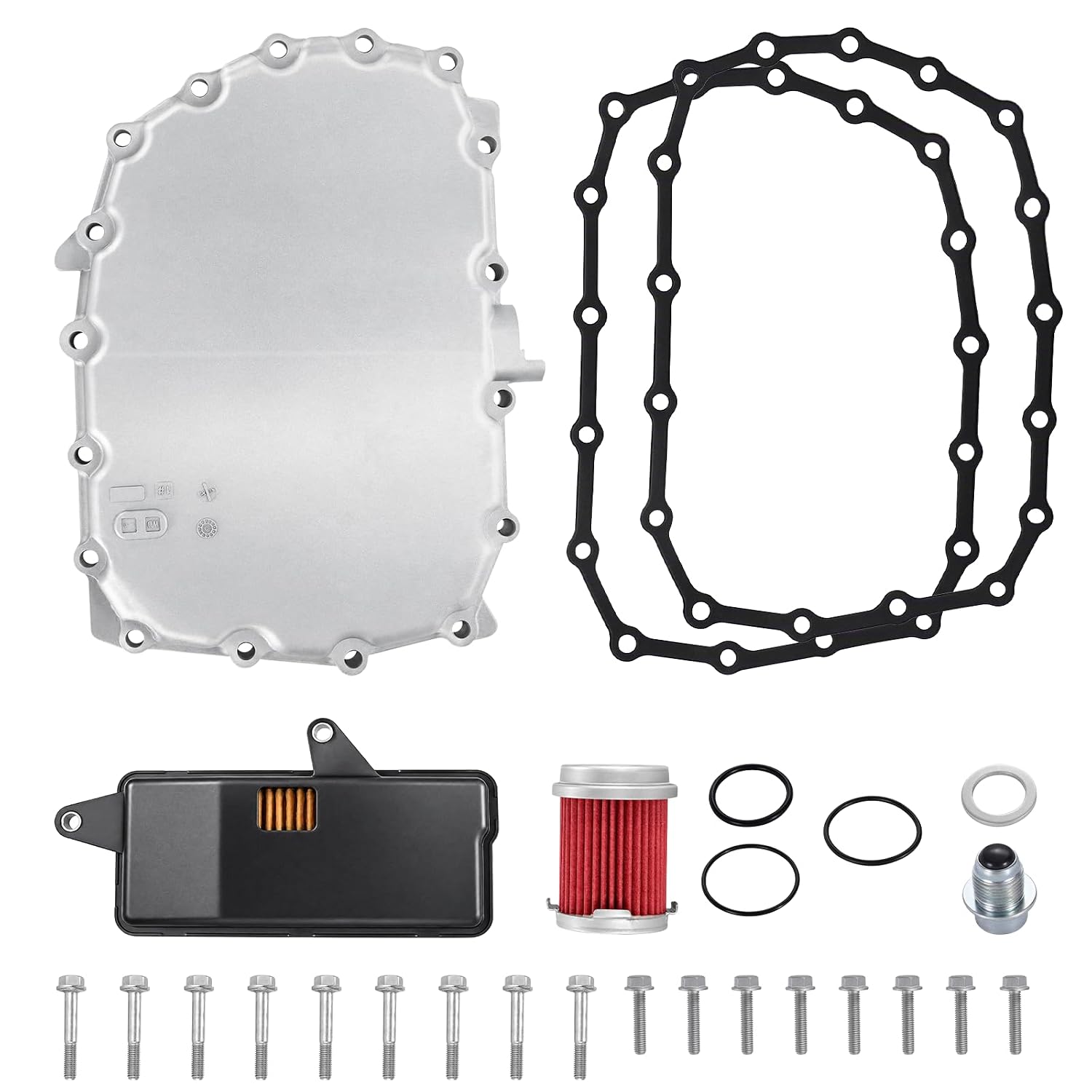
- If the pan or drain threads are damaged on a Civic, the Civic CVT oil pan kit fixes the leak at its source.
- A transmission fluid quality tester helps you decide when the next service is due instead of guessing.
- Reset the Maintenance Minder when you are done.