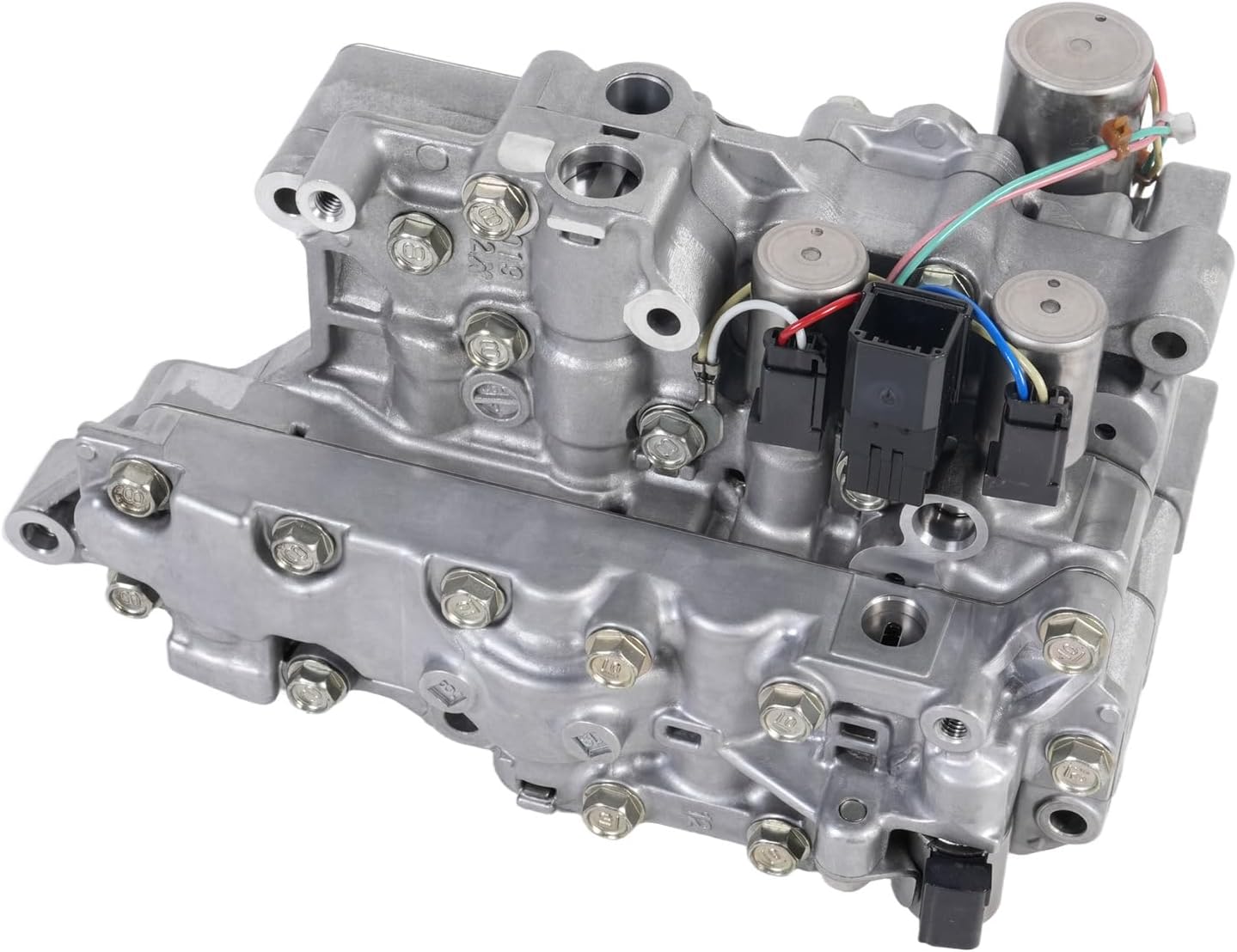
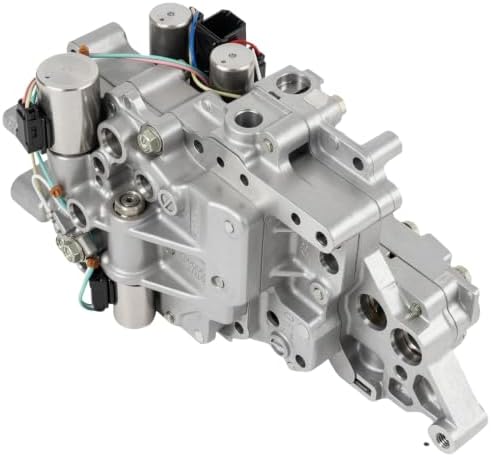
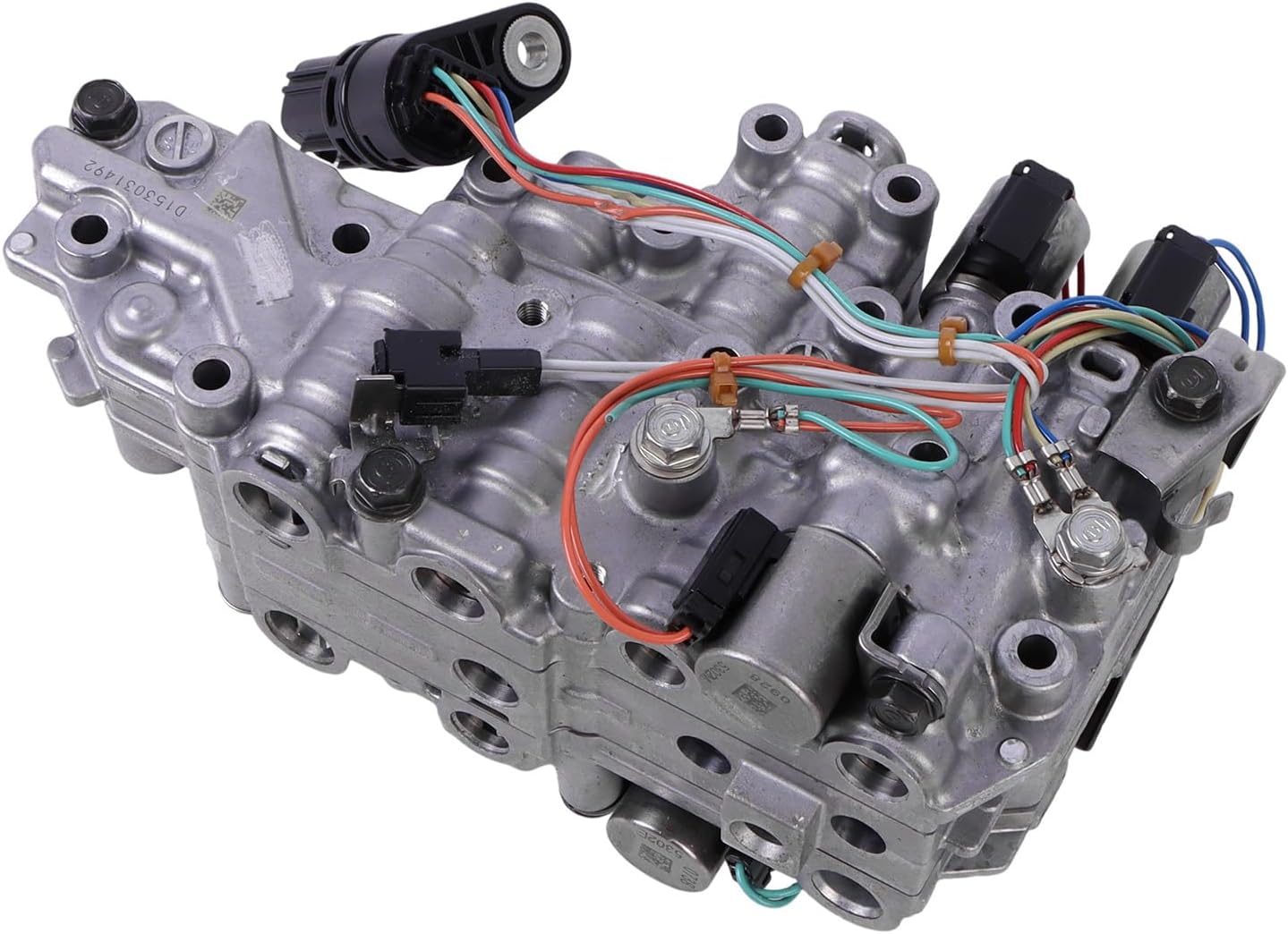
If a Honda Civic 1.5L turbo, CR-V or 2023-up Accord judders on light throttle from a stop, flares when you pull away, or hangs in a high ratio and won't drop back, the complaint usually traces to the CVT valve body rather than the belt or pulleys. This is the 27000-5LJ-014 valve body assembly, a current-production casting that covers the Civic 1.5L (2016-2024), CR-V 1.5L and 2.4L (2017-2024) and Accord 1.5L (2023-2025).
What the valve body does in Honda's CVT
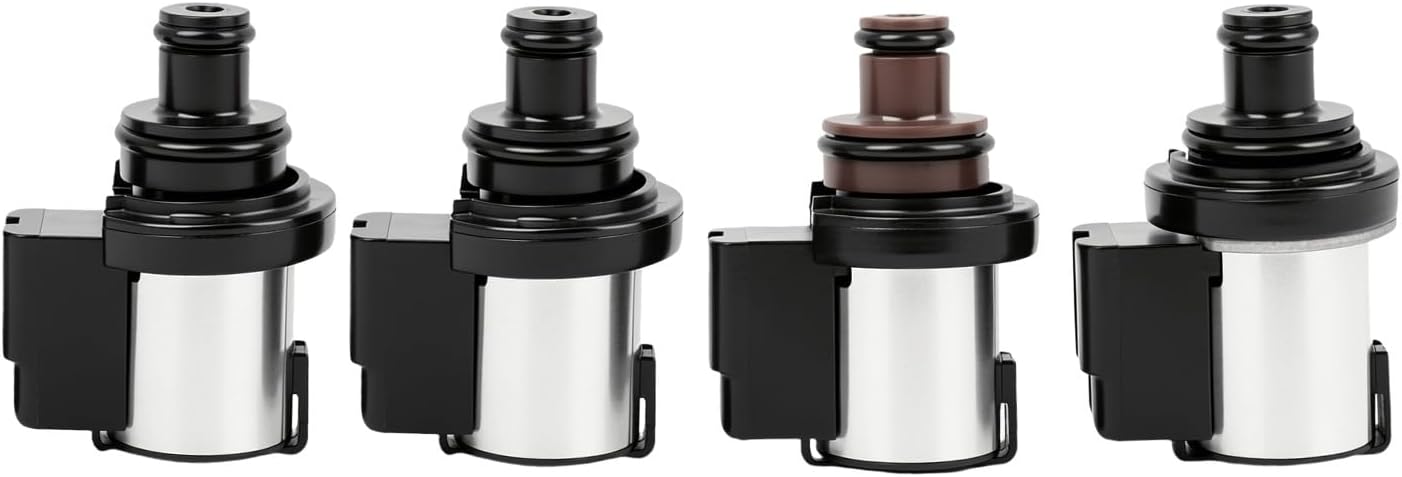
Honda's CVT has no gears to shift between; instead the valve body regulates hydraulic pressure to two pulleys and the steel belt riding between them, continuously changing the effective pulley diameter to set the ratio. The linear solenoids mounted on this assembly meter that pressure in real time, so a worn solenoid or a scored bore in the body shows up as a ratio or clamping-pressure problem, not a dropped gear.
Symptoms that point to this valve body
- Judder or shudder on light throttle from a stop, or during a slow roll-on
- Flare or hesitation when you press the accelerator, as if the belt is slipping before it clamps
- The transmission holds a high (tall) ratio and is slow to drop down for acceleration
- Pressure or ratio-control fault codes stored after the fluid and the drain-plug filter have already been serviced
Confirm it before you buy
Fresh fluid and a clean strainer rule out contamination as the cause; if the symptoms persist afterward, the fault is almost always a stuck linear solenoid or a worn bore in the body itself, not the belt or pulleys. Our CVT harsh and delayed shift diagnostic walkthrough and the Honda CVT maintenance guide both cover the checks worth running - fluid condition, pressure readings and the solenoid resistance test - before you commit to a valve body.
Fitment and casting numbers
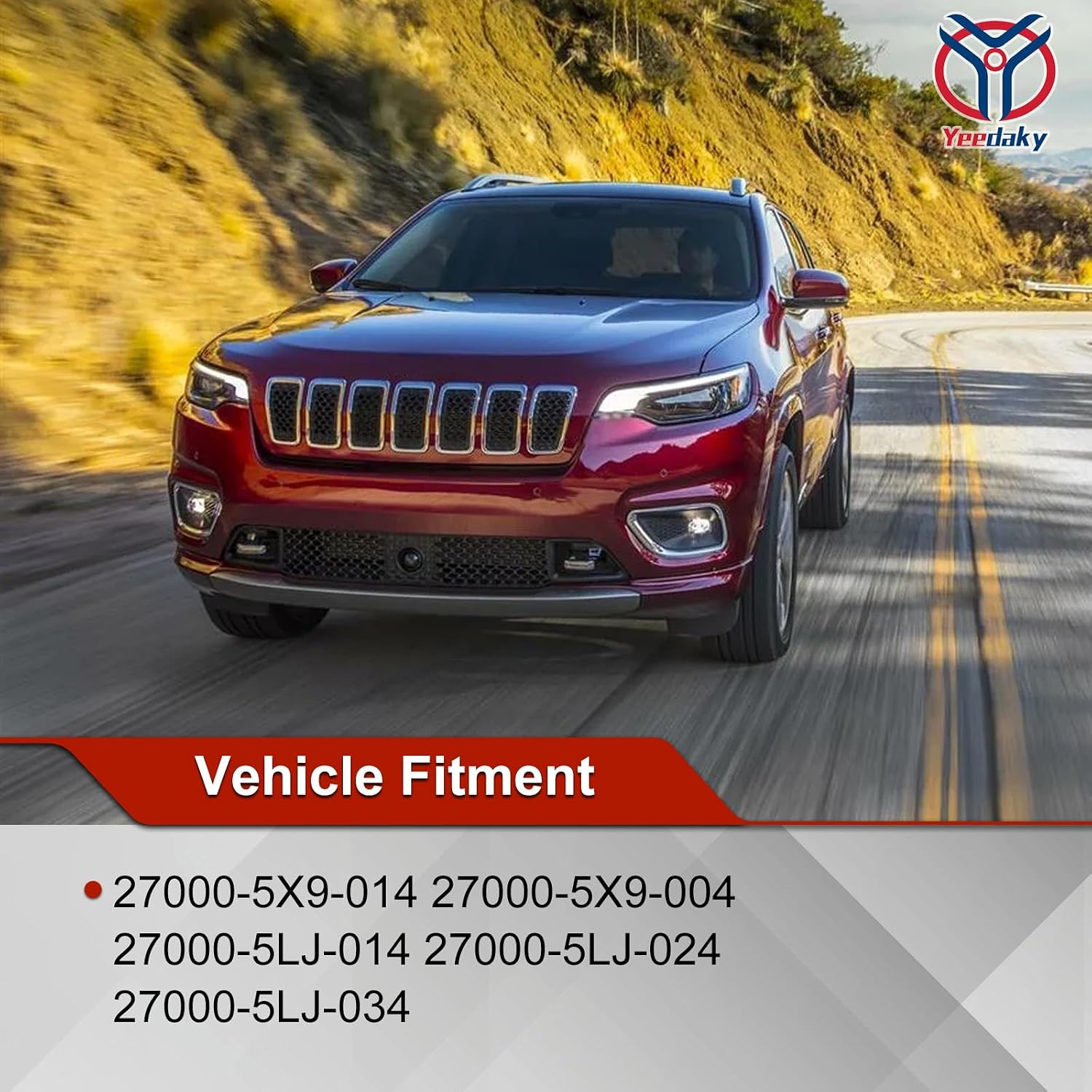
This 27000-5LJ-014 casting supersedes the earlier 27000-5X9-014, 27000-5X9-004, 27000-5LJ-024 and 27000-5LJ-034 numbers, so an older Civic or CR-V that originally shipped with a 5X9-stamped unit is a correct match here. Pull the casting number stamped on your old unit before ordering - Honda ran several revisions across these model years, and if yours reads 5X9-014 specifically, our 27000-5X9-014 listing documents that casting on its own. Browse every CVT valve body and part we stock if you need to cross-check a different code.
Install notes
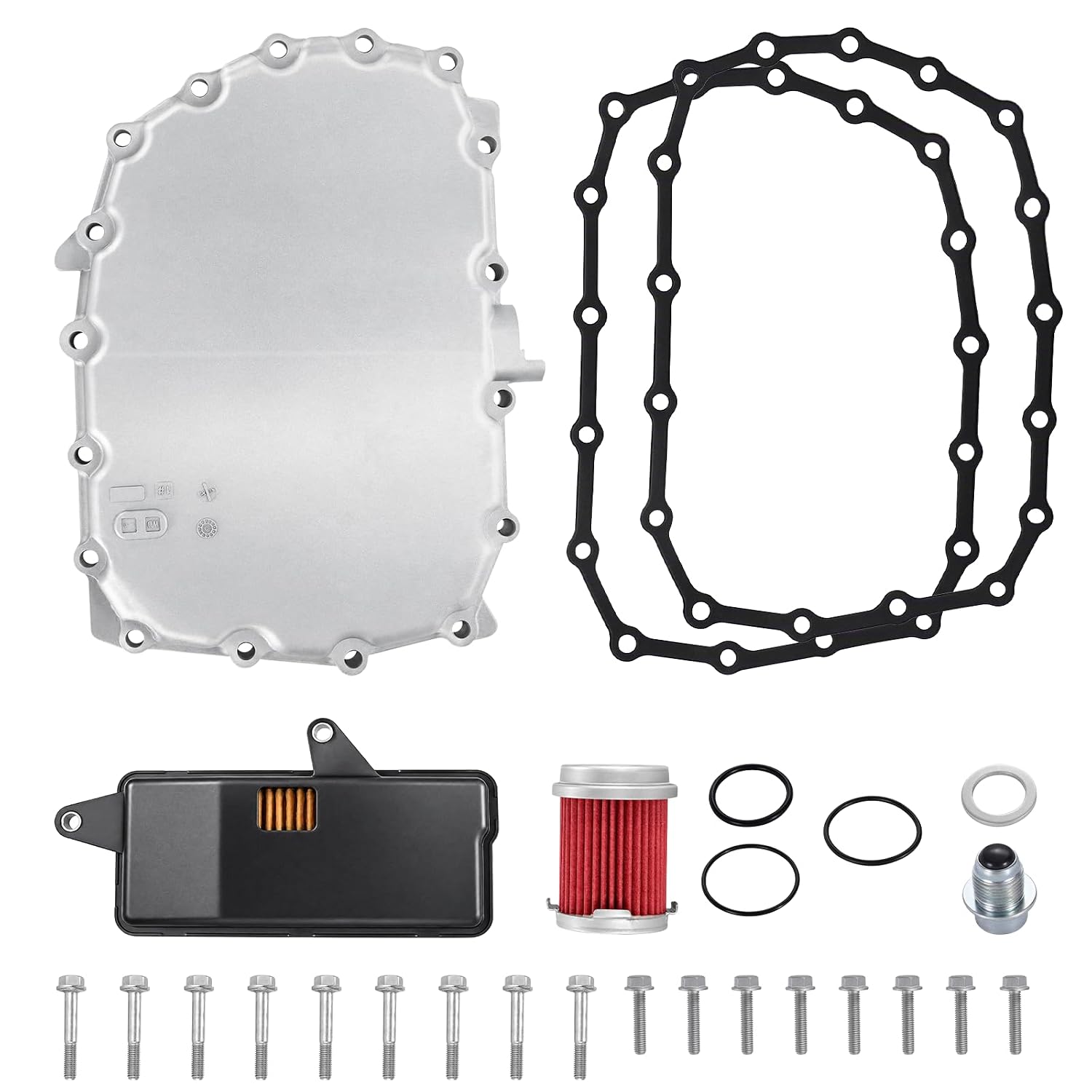
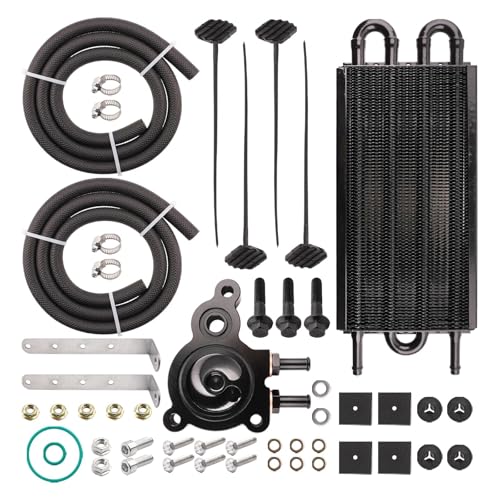
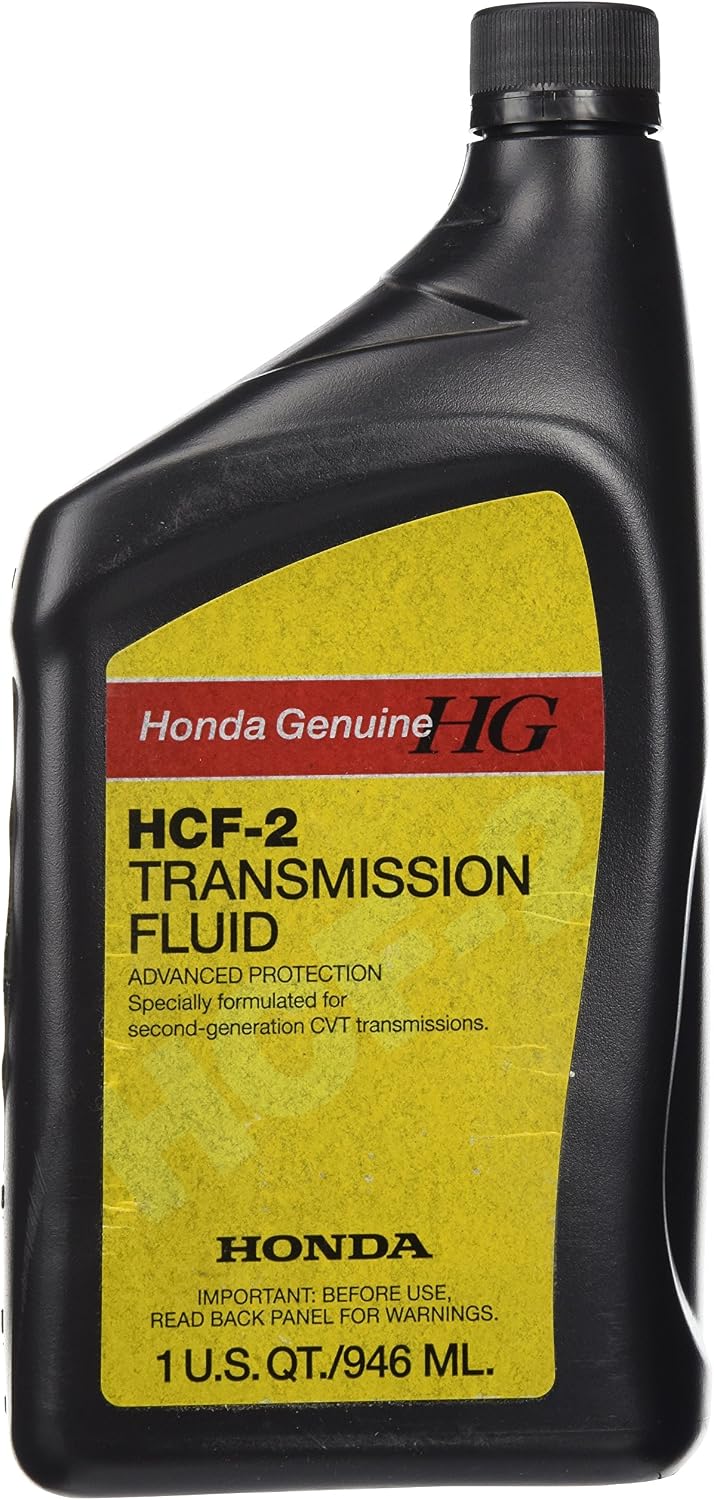
Drop the pan, pull the strainer, unplug the internal harness and back the bolts out in reverse of the torque sequence so the separator plate doesn't warp. Transfer nothing worn from the old unit - the new assembly already carries its solenoids. Refill with genuine Honda HCF-2 fluid only; Honda's own service documentation warns that a non-equivalent fluid can affect operation and durability and is excluded from warranty coverage. If the original failure ran the unit hot, pair the install with a CVT oil cooler kit so the new valve body isn't cooking under the same heat load. Finish with the CVT start-clutch relearn on a Honda-capable scan tool before the road test.