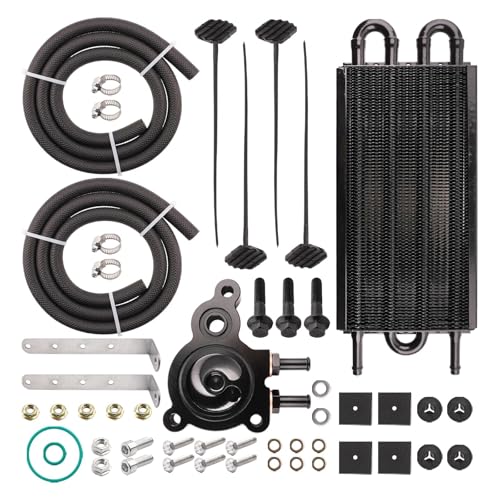
If you drive a 10th-generation Honda Civic with the 1.5L turbo and the CVT, and you sit in stop-and-go traffic, climb long grades, or drive it hard, the CVT fluid is living a rough life. This add-on cooler kit, built to the 244003 kit layout, puts a dedicated air-cooled core in front of the radiator so the fluid gives up heat before it goes back into the transmission. It is the cheap, bolt-on way to protect a transmission that costs thousands to replace.
What an auxiliary cooler does on a Civic 1.5T CVT
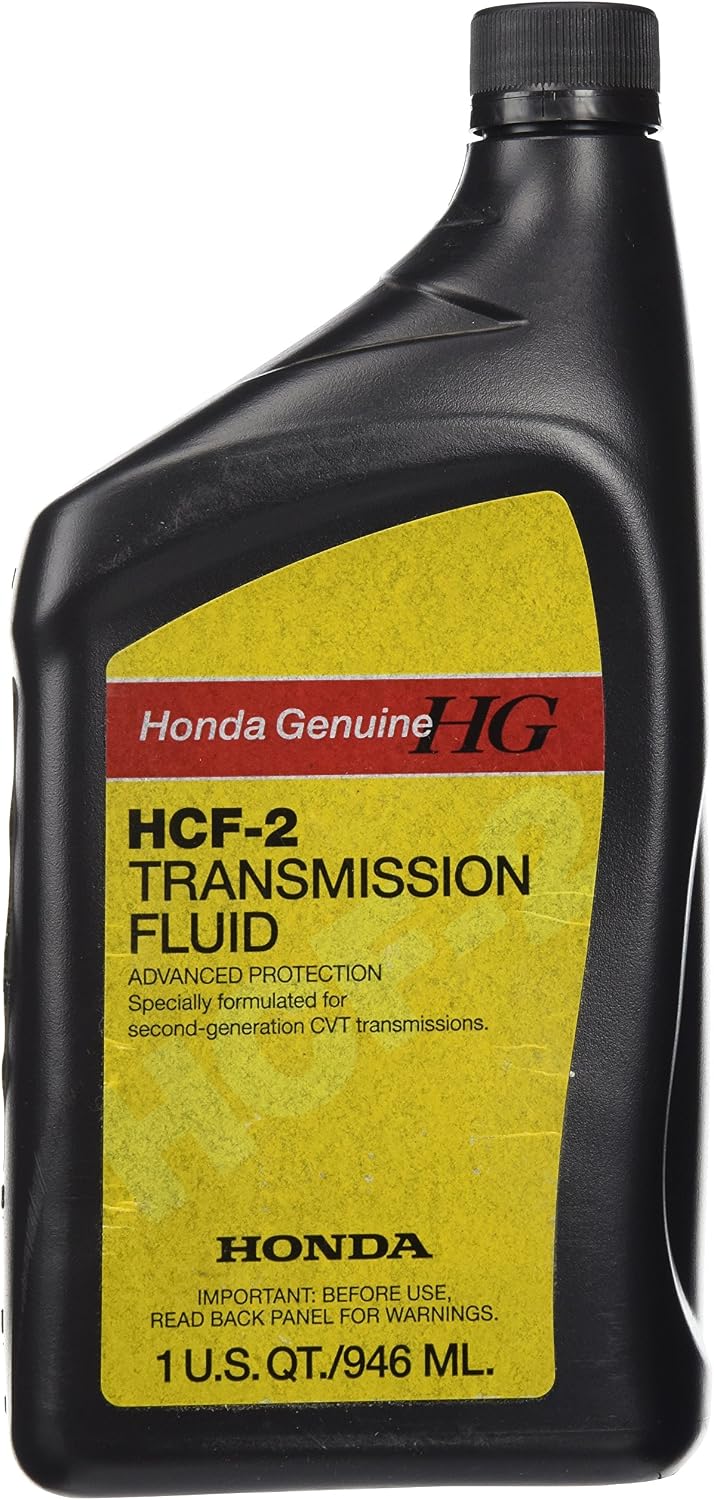
The Civic CVT does not shift gears; it squeezes a steel belt between two variable pulleys, and the fluid is what lets that belt grip without slipping or galling the pulley faces. Honda's own service material treats the fluid as a part of the machine: the Civic bulletins call for Honda Genuine HCF-2 (08200-HCF2) and nothing else. From the factory, many CVTs use a coolant-to-fluid heat exchanger that acts as a warmer on a cold start and a cooler once the engine is hot. That works for average driving, but it can only pull the fluid down to roughly engine coolant temperature. An air-to-oil core adds a second stage that is cooled by outside air, which is what helps when the car is loaded and the coolant is already hot.
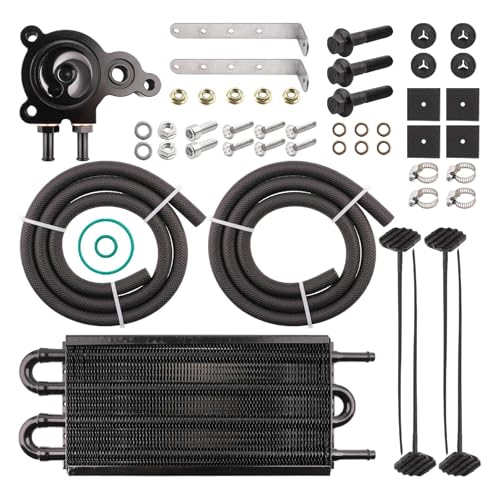
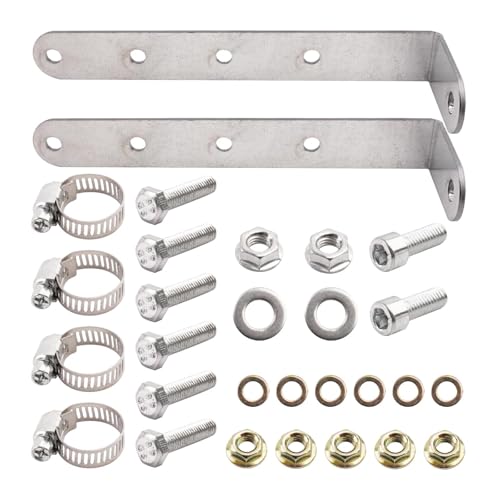
The kit includes a tube-and-fin cooler core, a thermostatic bypass block, two lengths of cooler hose with clamps, mounting brackets, pass-through mounting ties, and the bolts, washers and pads to hang the core. The thermostatic block keeps fluid away from the core until it is warm, so the transmission still reaches operating temperature on a winter morning instead of being over-cooled.
Symptoms that point to CVT heat
- Shudder or a vibration on light acceleration from a stop, worse after a long drive
- A rubber-band feel where engine speed rises before the car picks up speed
- Hesitation on takeoff once the car is fully hot
- Dark or burnt-smelling HCF-2 at a fluid change that should not be due yet
Heat is a proven fluid killer on Hondas. American Honda traced a lock-up judder on the 2013-2017 Accord V6 not to the converter but to fluid that deteriorated faster than expected under intermittent high heat loads. A cooler slows that process; it does not reverse damage that is already done.
How to confirm before you buy
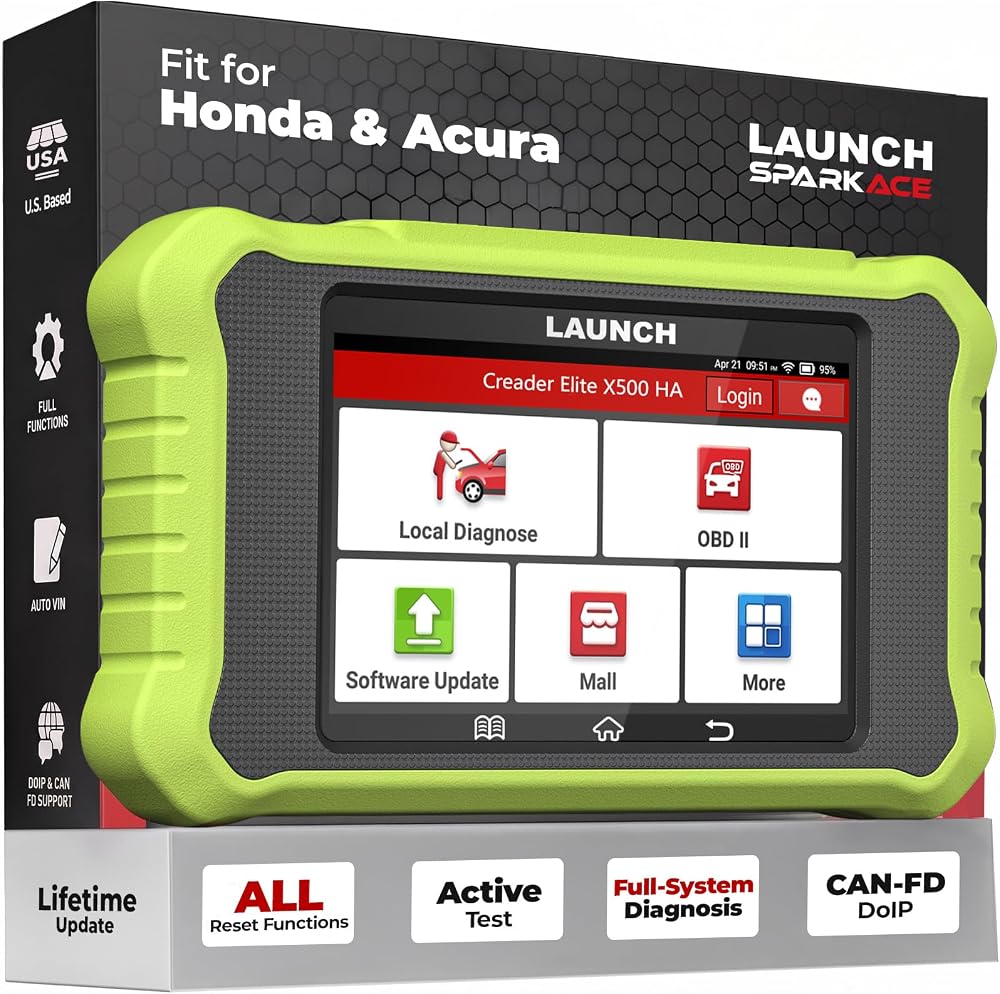
Scan the car first and read CVT fluid temperature live during your normal commute. If it runs well above coolant temperature in traffic or on grades, a cooler is a good fit. Also rule out the known noises that a cooler will not fix: Honda bulletin 17-003 covers a two-second grinding or pump noise on a hot restart of 2016 and some 2017 Civic 1.5L CVT cars, caused by a pressure control valve vibrating in the lower valve body. Our Honda CVT maintenance guide walks through fluid condition checks, and if the car already slips under load, start with CVT slipping under load before adding parts.
Fitment
The listing covers the Honda Civic 1.5L turbo with CVT from 2016 on, and it cross-references kit 244003, a kit pattern built around the 2016-2021 car. It is not for 2.0L cars, Si or Type R manuals, or any manual-transmission Civic. If you own a 2022 or later Civic, send us your year and VIN before ordering so we can confirm the core and brackets line up with the newer front-end layout. We also carry a second Civic 1.5T cooler kit listed for 2016-2021; browse every CVT part in the CVT collection.
Install notes
- Work with the engine cold. Mount the core where it sees clean airflow ahead of the radiator and away from sharp edges and the exhaust.
- Route hoses without kinks or rub points, use the supplied ties, and clamp every connection.
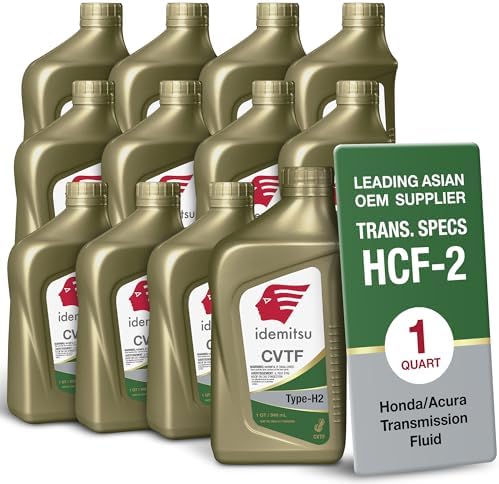
- The new hose and core hold fluid that the transmission no longer has. Top up with Genuine Honda HCF-2; a 12-quart case makes sense if a drain-and-fill is also due.
- Recheck the level after the thermostat has opened. Transmission Digest points out that most CVT coolers do not circulate until a set temperature is reached, and Sonnax documents CVTs going low and slipping after the thermal element opened and purged air. Set level at the temperature Honda specifies, read from the transmission sensor with a scan tool.
- Look for leaks at every joint after the first hot drive.