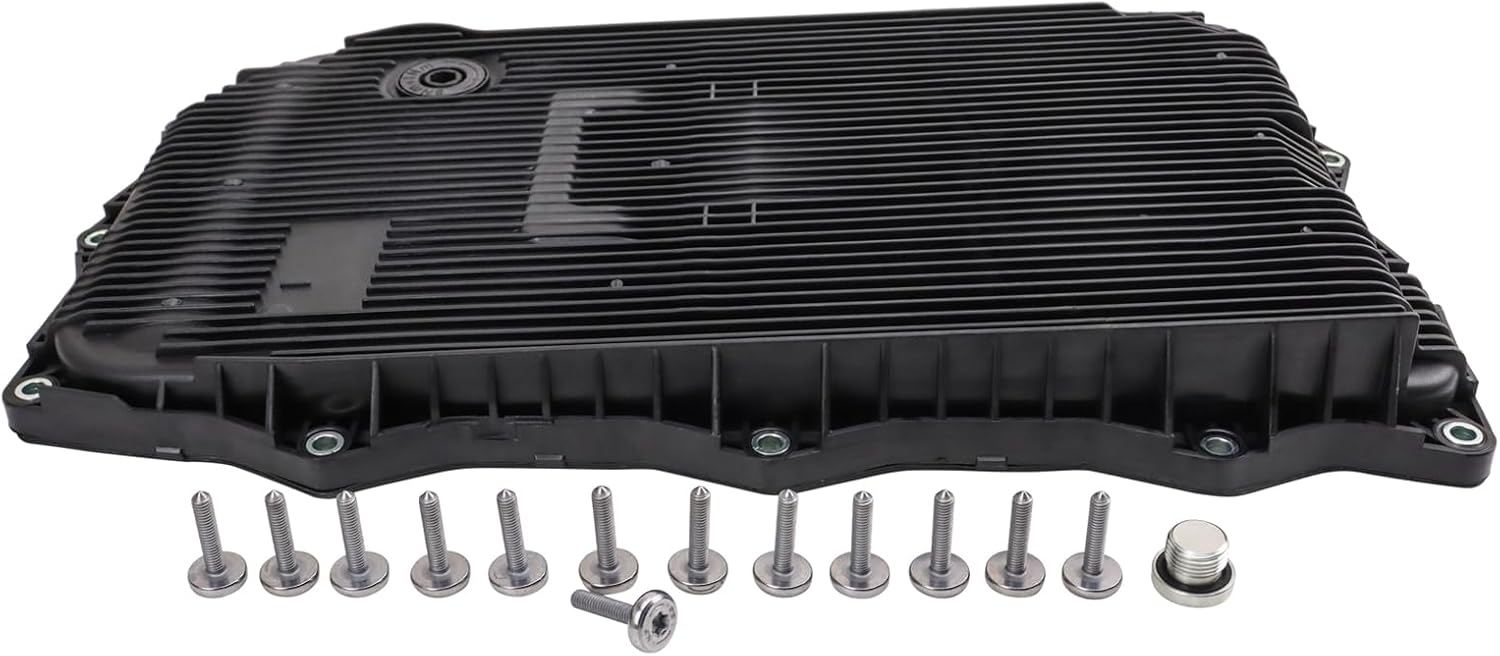
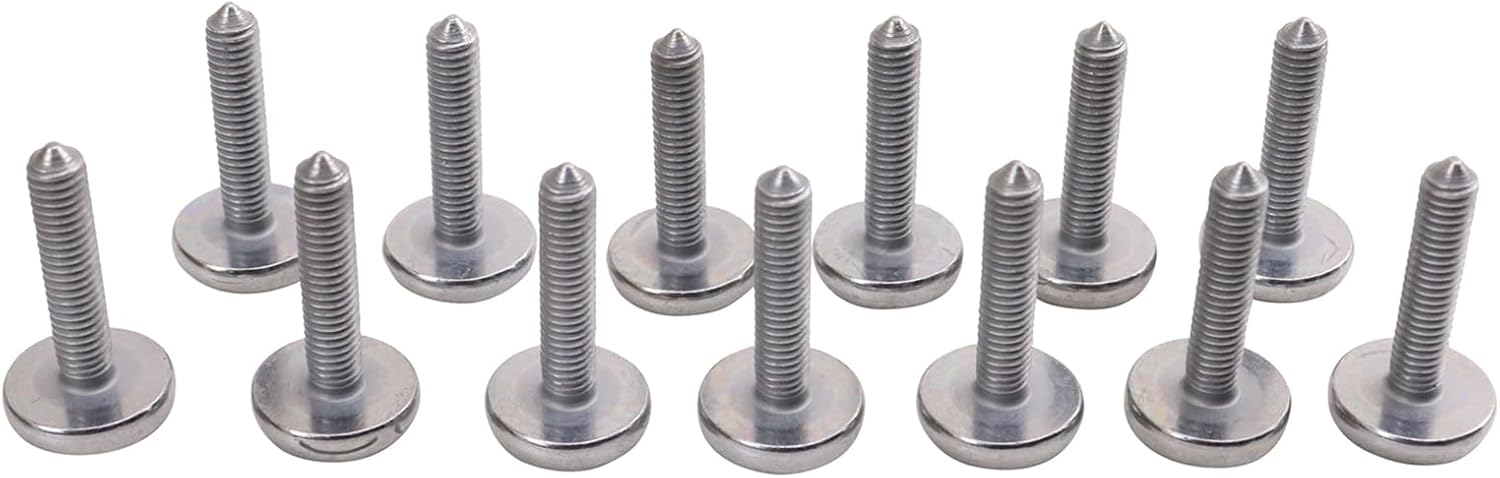
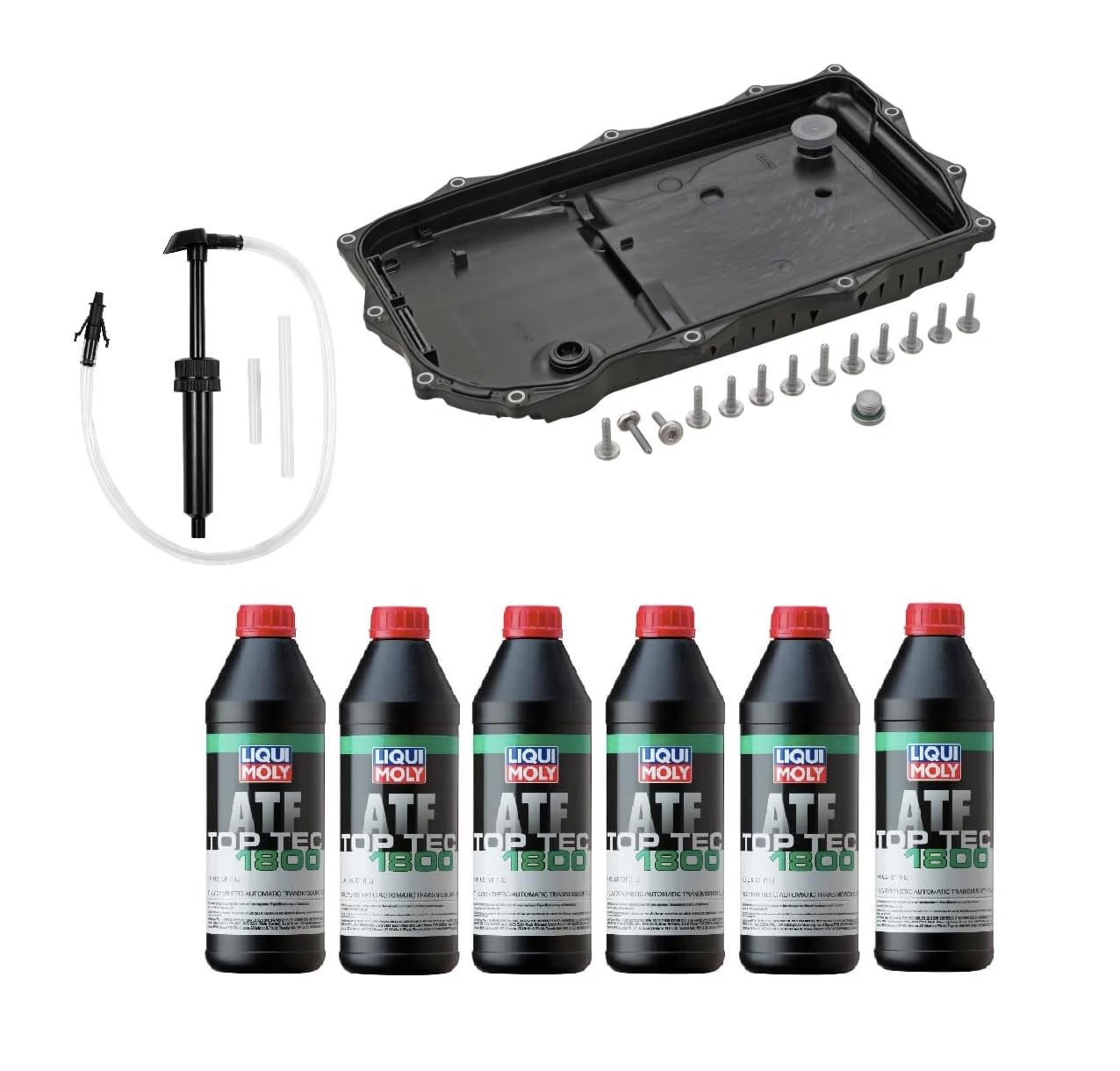
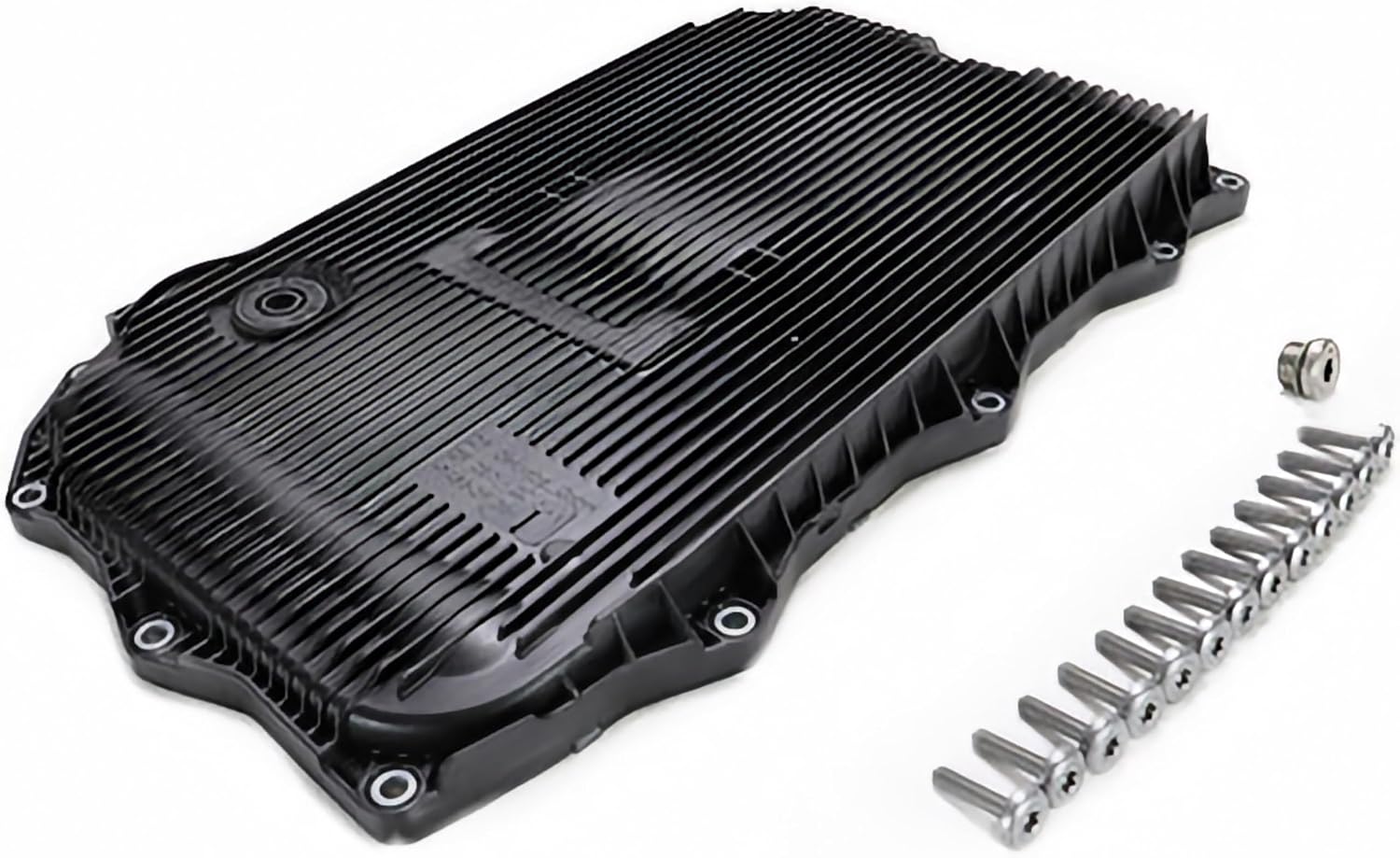
If your BMW 328i, 335i, 428i or X5 with the ZF eight-speed is engaging slowly on a cold morning, flaring between gears, or simply crossing 90,000 miles on its original fluid, the job you are shopping for is a pan and filter service. On the 8HP70 in these cars there is no separate filter to buy. The filter element is bonded into the plastic oil pan, so this kit, which replaces BMW 24117624192 (cross-reference 265-853, TFA92768), is the whole service in one box: pan with integrated filter, molded gasket and new mounting bolts.
What the oil pan and filter do in a ZF 8HP70
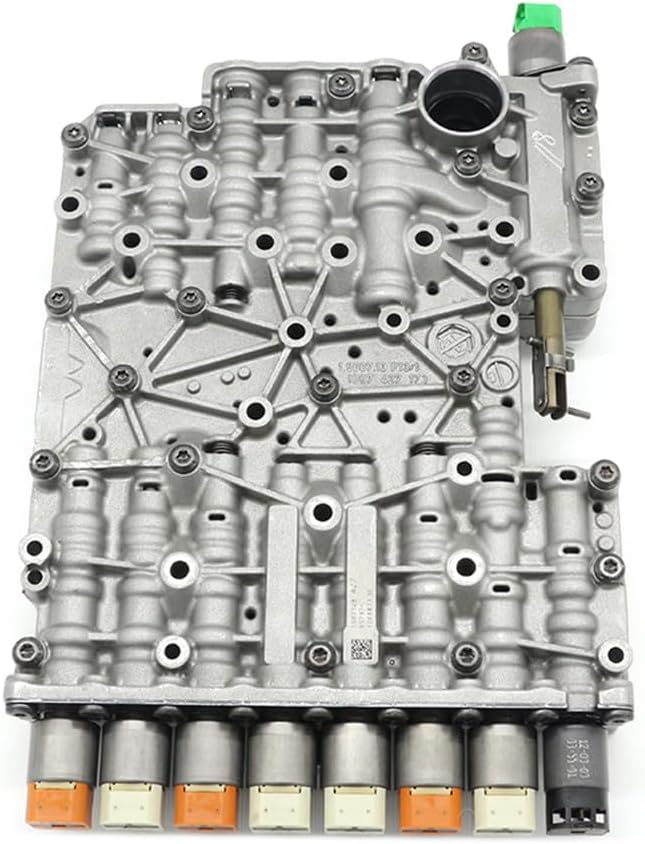
The 8HP70 draws fluid from the pan through the filter into a pump that feeds the mechatronic unit bolted directly above it. Every clutch apply, every shift and every lockup event depends on that pump getting clean, uninterrupted flow. Because the mechatronic sits right over the pan, anything the filter fails to catch goes straight into solenoid screens and valve bores. ZF calls the fluid lifetime fill, yet its own LifeguardFluid 8 data sheet recommends an oil change at 150,000 km (about 93,000 miles) and sooner after towing, high heat or an unknown history. On the plastic pan design, changing the oil properly means changing the pan.
Symptoms that point to a pan and filter service
- Delayed engagement into Drive or Reverse after the car sits overnight
- A flare or shudder on the 2-3 or 3-4 upshift once the fluid is warm
- A faint pump whine that rises with engine speed
- Shift quality that keeps changing as the adaptations chase worn or aerated fluid
- A seep at the pan lip or a cracked pan corner after a curb or jack strike
These overlap with the 8HP's known faults, including mechatronic sleeve leaks that drop pressure and harsh shifts from bad adaptations. A fresh filter will not fix a leaking sleeve, but it is the correct first step before anyone quotes a valve body.
How to confirm before you buy
BMW's own 8-speed troubleshooting bulletin starts every complaint with a fluid level check and a record of how much fluid was added, before any programming or adaptation reset. Do the same: read stored codes, save the adaptation data, then check the level at the correct temperature. If the fluid is dark and the car has never been serviced, the pan comes off. Our BMW 3 Series 8HP shift problem guide walks through separating a fluid problem from a mechatronic or clutch problem, and the ZF8HP filter and pan service guide covers the full job.
Fitment
The listing covers 8HP70-cased BMWs including the 2012-2018 320i, 328i, 328d, 330i, 335i and 340i, the 2014-2018 228i and 230i, the 2014-2018 428i and 430i, and X3, X5 and X6 applications. It also lists 2013-2014 Ram 1500, 2012-2013 Chrysler 300 and 2017-2018 Jaguar XE units with the same case. BMW fitted more than one 8HP pan across these years, and some builds use an 8HP45 or 8HP90 pan that looks similar but is not the same part. Before ordering, compare the number molded or stamped on your old pan with 24117624192, or send us the year and VIN and we will check it. Browse every ZF eight-speed part on our ZF 8HP transmission parts page.
Install notes
- Warm the transmission, then confirm the fill plug will break loose before you drain anything.
- Drop the old pan, let it drain fully and clean the case sealing surface. The molded gasket installs dry with no sealer.
- Start every bolt by hand, then tighten crosswise from the center outward. ZF lists 10 N-m for plastic pan bolts; an uneven pattern is what causes a corner weep later.
- Fill only with ZF LifeguardFluid 8 or the BMW-approved equivalent, no additives. Set the level with the engine idling and a scan tool showing 30-50 C fluid temperature, filling until it just trickles from the fill hole.
- On rear-drive housings ZF lists the M18 fill plug at 35 N-m and the drain plug at 8 N-m; X-drive cars with the all-wheel distributor use different plug hardware, so confirm which one you have.
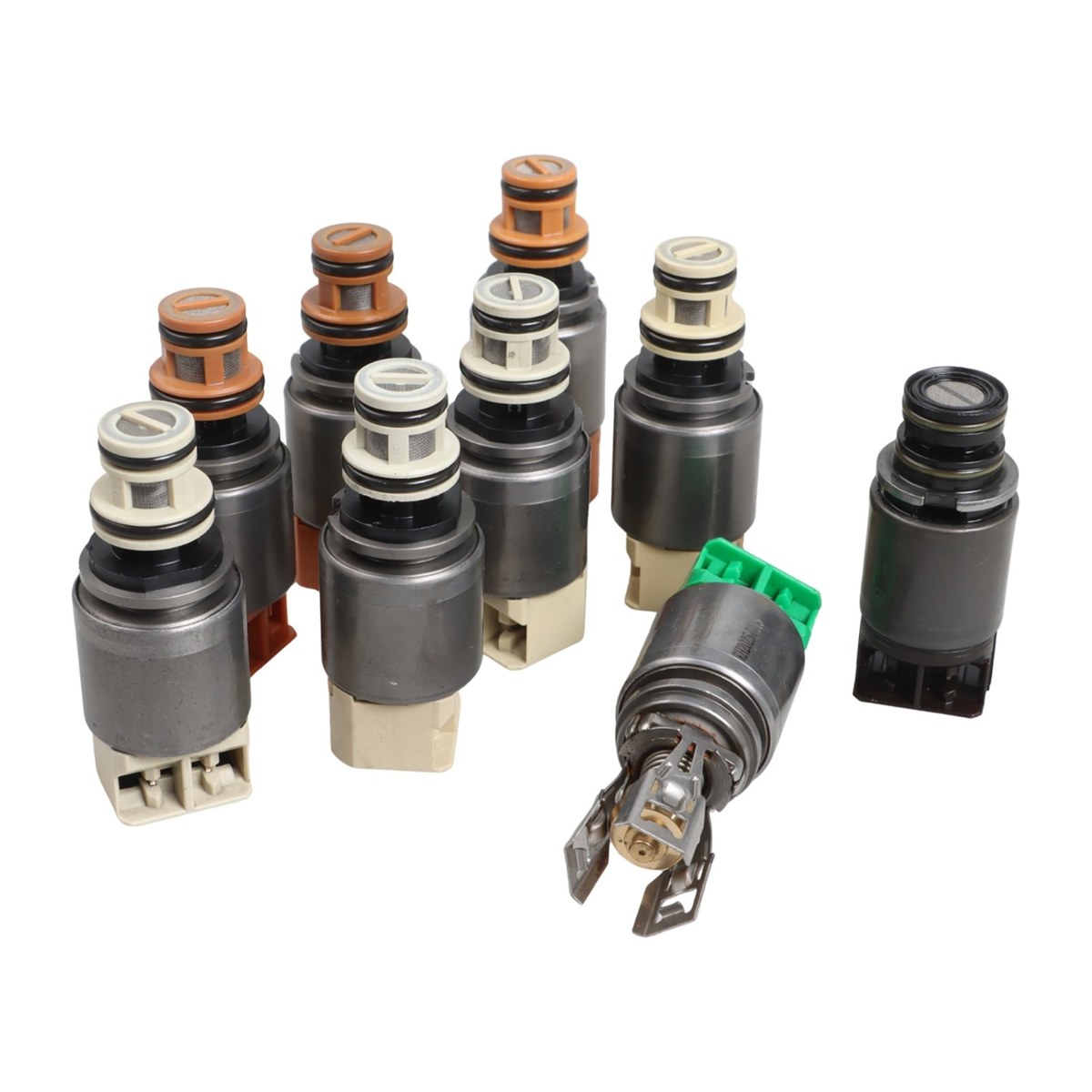
If you would rather have the fluid in the same box, the 8HP70 service kit with pan, filter and ATF covers it. If shift complaints remain after a correct service, the next suspects are solenoids and the mechatronic itself, covered by our ZF8HP solenoid kit.