The C6 Corvette was one of the first cars to get the Hydra-Matic 6L80, for the 2006 model year, and it stayed the Corvette automatic through the 2014 C7. That matters for a slip complaint, because the earliest 6L80s carried two production problems that GM later fixed: a clutch housing weld that could crack and pump cover seal rings that could leak. Both show up as a slip. Add the heat a Corvette makes in a rear-mounted transaxle, and the paddle-shifted redline runs these cars get, and you have a slip list that is different from a Tahoe's.
This post works one complaint on a 2006-2014 Corvette with the 6L80 (RPO MYC): it slips. Which gear, cold or hot, and what that points to. For the full list of Corvette six-speed issues, see our 6L80 Corvette common problems guide.
The short version: Write down which gears slip, then match them to the clutch chart below. A 2-3 flare only on the first shift after the car sits, or only with ATF at or below 85°F, is normal per GM PIP5429. On 2006-2009 cars, slips in Reverse, 3rd or 5th with P0776, P2715 or P2723 send you to GM bulletin 09-07-30-004G: air-test the 1-2-3-4/3-5-R housing weld (2006-2008) and check for 1-piece pump cover seal rings (2006 to early 2009). A slip with a cracked filter means pump damage (PI0488A, 2010-2012 Corvette). Cold drop-to-neutral in 1st points at a worn No. 1 check ball. Slips that start hot point at heat, and the fix includes the cooling side.
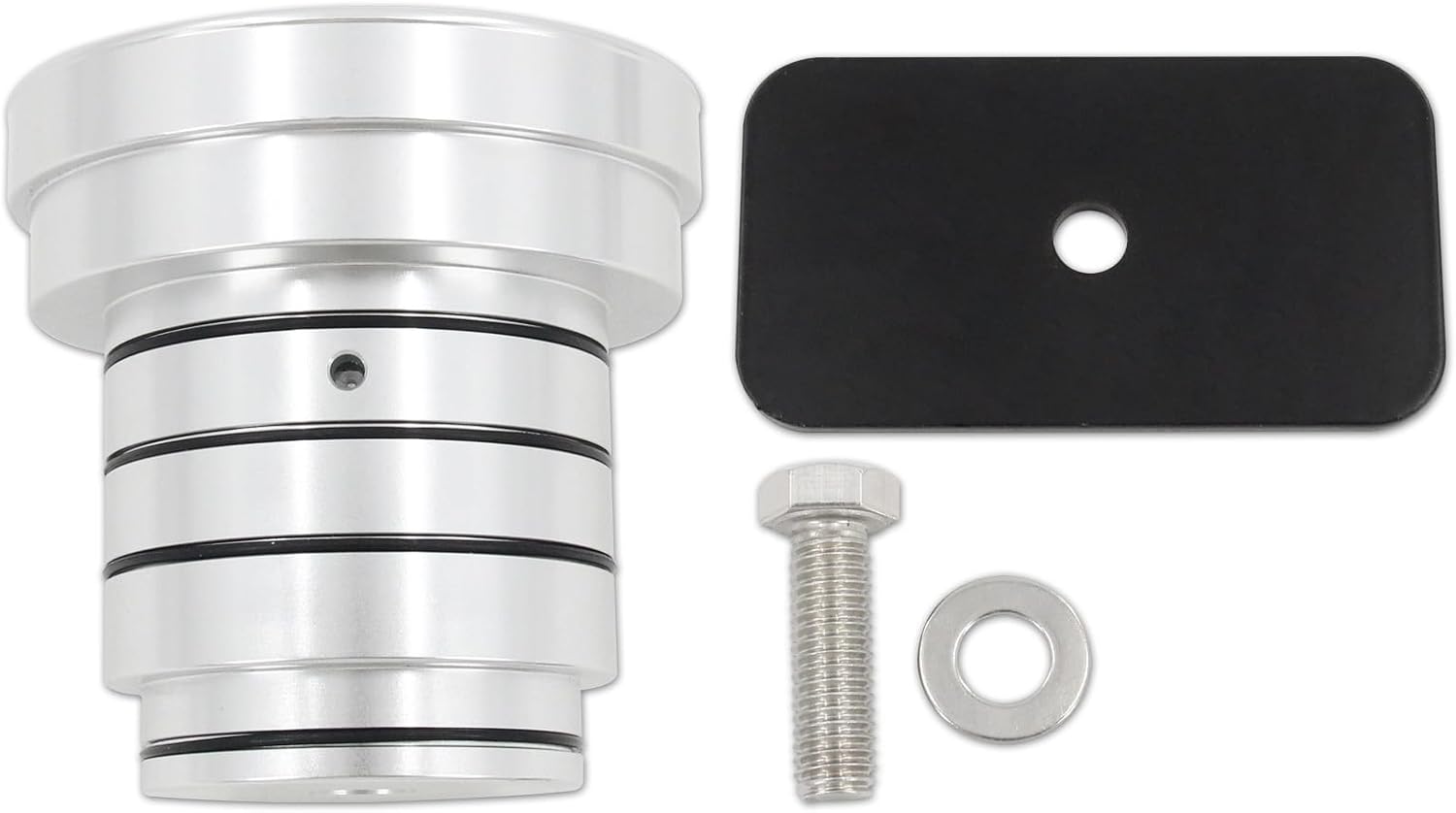
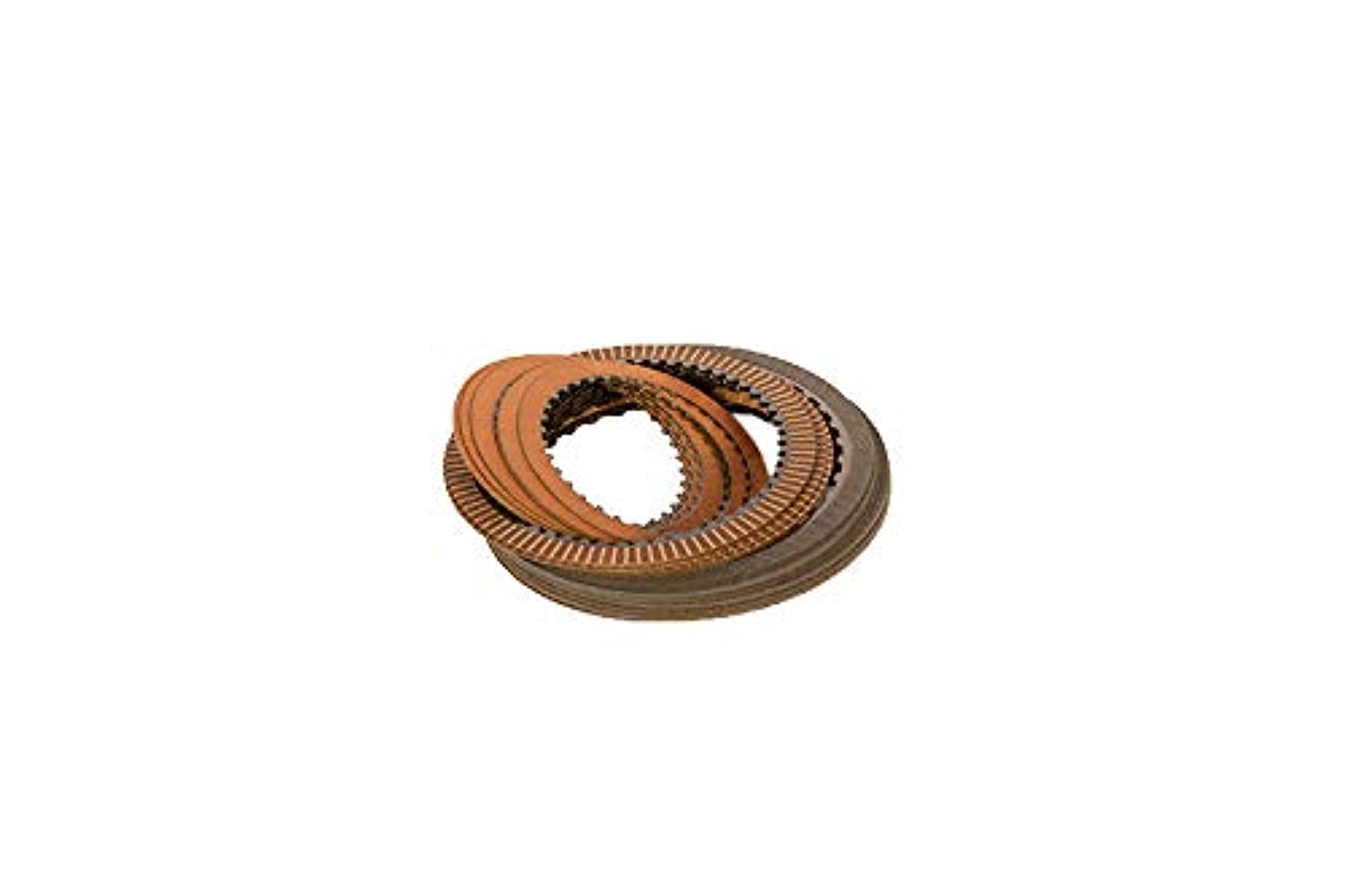
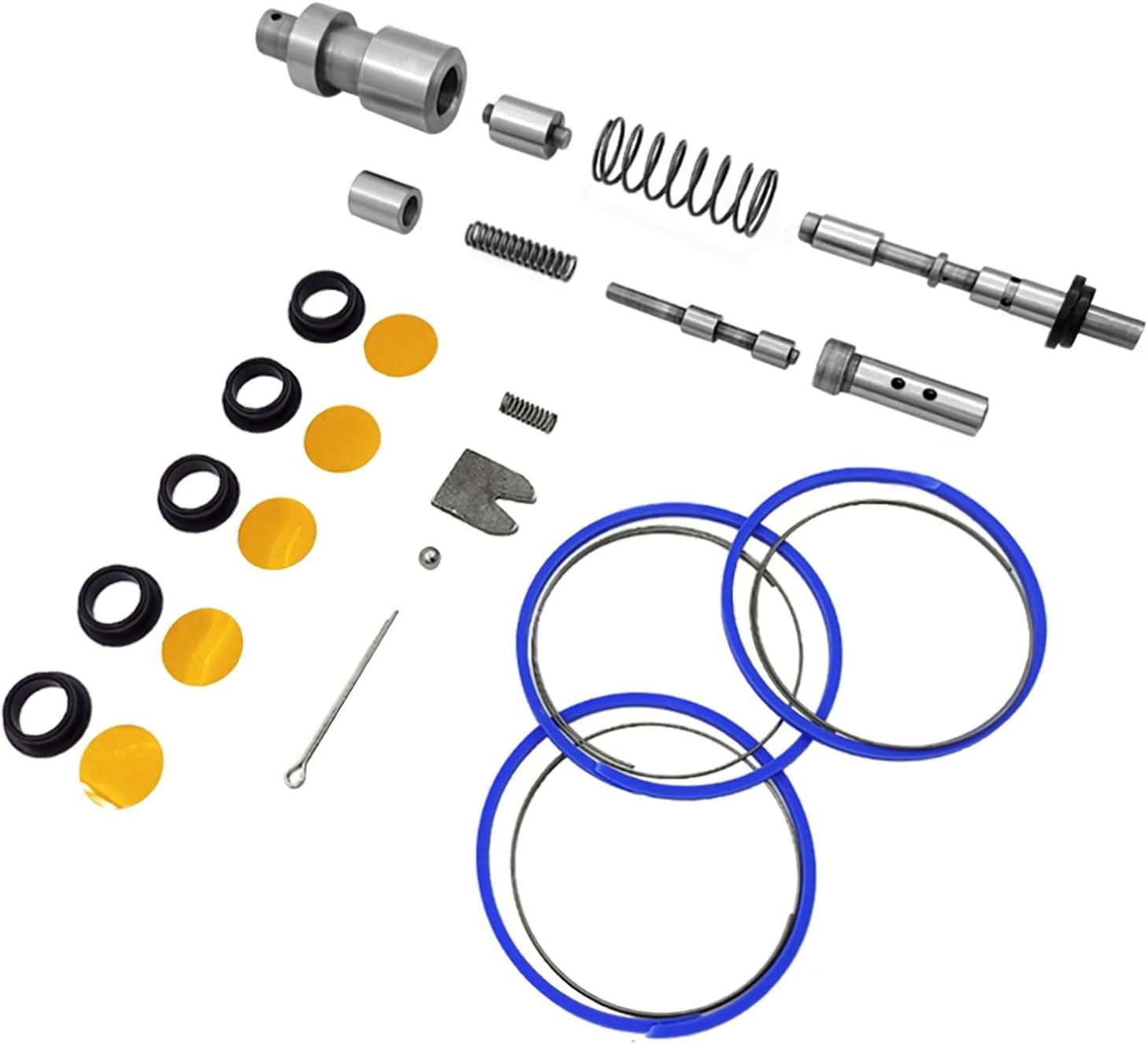
Confirm the Transmission and the Build Date
A two-pedal 2006-2014 Corvette is a 6L80. GM PIP5429 lists the Corvette from 2006 through 2014 with the 6L80, and the 2015-and-later cars moved to the 8L90 eight-speed, which slips and shudders for different reasons. The C6 Z06 and ZR1 were manual-only, so you will not see them here. If you are not sure which unit is in the car, our 6L80 vs 8L90 guide covers the identification.
Write down the model year before anything else. On a Corvette, the year decides which bulletin you start with. The 2006-2009 cars are covered by 09-07-30-004G. The 2010-2012 cars are named in PI0488A. Every year is covered by PIP5429.
Turn "It Slips" Into a Clutch Name
The 6L80 uses five clutches and a low sprag, and every gear applies two of them. That is the most useful fact in slip diagnosis, because the gears that slip tell you which circuit is losing pressure or friction.
| Range | Ratio | Applied elements |
|---|---|---|
| 1st | 4.03 | 1-2-3-4 clutch + low sprag (low/reverse clutch assists at launch) |
| 2nd | 2.36 | 1-2-3-4 + 2-6 |
| 3rd | 1.53 | 1-2-3-4 + 3-5-R |
| 4th | 1.15 | 1-2-3-4 + 4-5-6 |
| 5th | 0.85 | 3-5-R + 4-5-6 |
| 6th | 0.67 | 2-6 + 4-5-6 |
| Reverse | 3.06 | 3-5-R + low/reverse |
Read it like this. Slips in Reverse, 3rd and 5th: the 3-5-R circuit. Slips in 1st through 4th but not 5th or 6th: the 1-2-3-4 circuit. Slips in 4th, 5th and 6th: the 4-5-6 circuit. Slips in 2nd and 6th: the 2-6 circuit. Slips in every range: something they all share, which is the pump, line pressure or the fluid level.
One trap, from Gears Magazine: the low sprag holds on a 1st gear launch, and the low/reverse clutch applies to help until about 2 mph and then releases. A failed sprag makes the car feel like it dropped into neutral, which looks like a 1-2-3-4 failure.
What to log on the road test
On the scan tool, log input speed (ISS), output speed (OSS), commanded gear, throttle position, transmission fluid temperature and TCC slip speed. In a held gear, ISS should equal OSS times the ratio in the table. In 3rd, 1,000 rpm output should read about 1,530 rpm input. If input runs away from that number while the commanded gear has not changed, a clutch is slipping. If engine rpm rises but ISS still tracks OSS times the ratio, the clutches are holding and the slip is in the converter. Note the fluid temperature for every event. On a Corvette, a slip that appears only above 220-230°F is a different job from one that is there cold.
The 2-3 Flare GM Says to Leave Alone
Corvette owners report this more than anyone, because they notice everything. The car sits for a few hours, the first 2-3 upshift flares, and every shift after that is clean.
GM Preliminary Information PIP5429, "2-3 Upshift Slip or Flare," names the 2006-2014 Corvette. GM says air can be trapped in the 3-5-R clutch assembly while the engine is off. The first 2-3 shift purges it. A garage shift into Reverse before Drive purges the air and stops the flare. The bulletin also covers a cold version, with ATF at or below 85°F (30°C). For that one, note the throttle position where it flares, warm the fluid, and make several 2-3 shifts at that throttle so the adapts can learn the shift. GM calls this a normal characteristic that will not cause durability concerns, and it says no repair attempts should be made.
The pattern is the test. Cold or first-shift only, and the Reverse-first test clears it: leave it alone. Hot, on every 2-3, or also in 5th and Reverse: that is a real 3-5-R problem. Keep reading.
2006-2009 Corvettes: The Housing Weld and the Seal Rings
This is the Corvette-specific slip most shops miss. GM Service Bulletin 09-07-30-004G (March 2012) covers the 2006-2009 Corvette with the 6L80 or 6L90 (RPO MYC, MYD). The complaints it lists read like a slip checklist:
- Slip when Reverse is selected, or no Reverse
- Delayed engagement into Reverse
- DTC P0776, P2715 or P2723, active or in history
- Harsh 2-3 shifts
- Harsh 4-5 shifts, or slips in 5th
- Slips on acceleration when passing
Look at the clutch chart. Reverse, 3rd and 5th all use the 3-5-R clutch. The bulletin has two causes, split by year.
Cause 1 (2006-2008): a cracked 1-2-3-4/3-5-R clutch housing
The 1-2-3-4 and 3-5-R clutches share one housing, and on 2006-2008 units its weld can crack. Oil meant for the 3-5-R piston leaks out the crack, so that clutch never sees full apply pressure. The test in the bulletin takes a few minutes with the housing on the bench, assembled or apart:
- Brush soap solution over the weld area.
- Hold your thumb over the air bleed passage.
- On an assembled housing, blow compressed air into the 3-5-R clutch feed hole. On a bare housing, blow air into the housing.
- Watch the weld. Bubbles mean a cracked housing, and GM says it must be replaced.
GM now sells the housing fully assembled with pistons, seals, clutches and bearing: part number 24238694 for MYC (6L80) and 24238695 for MYD (6L90). Gears Magazine notes the updated drum carries a dot-matrix QR label, which is a quick way to tell an early drum from a late one. Some rebuilders weld the early drum as prevention. If the car slipped long enough to burn the 3-5-R frictions, replace them too.
Cause 2 (2006 to early 2009): 1-piece pump cover seal rings
The same bulletin says a harsh 2-3 shift can come from leaking 1-2-3-4 and 3-5-R fluid seal rings on the pump cover (the stator support). Units built in 2006, 2007, 2008 and early 2009 used a 1-piece seal ring. Starting December 2008, GM went to a 2-piece ring. GM says the 1-piece design can leak and cause a harsh 2-3, usually at low mileage, and that 1-piece rings should be replaced. The 2-piece rings only need replacing if worn or damaged.
Two warnings from the bulletin. First, the three rings must go in a specific orientation, and getting it wrong can bring back the harsh 2-3. Follow the ring installation procedure in service information. Second, never put 1-piece rings on a 2-piece pump cover. The 2-piece cover has a notch in each ring groove for the ring's tab. Gears Magazine adds that the early rings mostly leak when cold, causing delayed or slipping engagement, especially into Reverse, and that updated rings do not fit early pumps without replacing or machining the pump.
2010-2012 Corvettes: Slip With a Cracked Filter
GM Preliminary Information PI0488A (February 2012) names the 2010-2012 Corvette with the 6L80 or 6L90. On a confirmed no-forward, no-reverse or slip, GM tells the tech to check the filter for a cracked body or split seam. If you find one, take the pump apart and look for a scored rotor or vanes, a scored pump cover or rotor pocket, and a cracked pump slide. Then check the clutches.
A new filter alone will not fix this car. A damaged pump means the clutches have been living on low pressure. Gears Magazine traces most pump damage to the converter: the TCC lining wears through, the apply piston rubs the cover, and the metal goes into the pump. Their repair is the pump parts and the converter together, plus a new or properly flushed cooler. They also note the pump slide and rotor are selective fits, so check clearances even with factory parts. Our 6L80 pump failure guide covers the teardown.
Drops Into Neutral When Cold: The No. 1 Check Ball
If the Corvette slips pulling away, will not move forward, or falls into neutral in 1st when cold, look at the valve body before you buy a TEHCM. Gears Magazine (August 2024) traced this on all four 6L units to the No. 1 check ball in the upper valve body, part of the 1-2-3-4 clutch circuit. The ball wears from 0.250 in. to 0.180 in. or less, and once it cannot seal the spacer plate hole, the 1-2-3-4 clutch cannot hold.
P2723 may set. It needs three bad 1-2-3-4 ratio events with fluid above about 20°F and output speed above 67 rpm, and it drops the car into a Reverse-and-5th-only limp mode with maximum line pressure. Often no code sets at all. Replace every check ball whenever the valve body is apart.
Slips Only When Hot: Fix the Heat Too
The 2012 Corvette owner manual says the TRANSMISSION HOT IDLE ENGINE message comes on, with four chimes, when fluid temperature passes 270°F (132°C) or rises fast. GM notes that aggressive driving and long hills raise fluid temperature, and that the transmission may change shift patterns or apply the converter clutch to cool itself. Ask the owner if they have seen that message. A slip that came after it is a heat failure.
Heat hits the 4-5-6 clutch first. Gears Magazine lists a failed cooler bypass valve as a common cause of 4-5-6 clutch failure from overheating, and a fractured 4-5-6 dampener shaft as a cause of that clutch seeming not to apply at all. Slips in 4th, 5th and 6th with 1st through 3rd fine is the pattern. Gears also lists worn pressure regulator valve lands as a cause of clutch failure. A worn regulator lets every clutch run on less pressure than the TCM commands, so a hot Corvette that slips in every range needs a line pressure check before anyone orders clutches.
Fluid level matters more on this car than most. There is no dipstick. The 2012 manual lists DEXRON-VI and 6.2 L (6.5 qt) for a pan-and-filter service, and the level is set at the check plug with the engine running at the specified fluid temperature. A Corvette that is a quart low will aerate the oil, slip on hard corners and run hot before it ever sets a code. Our 6L80 fluid type and capacity guide has the level procedure.
A Diagnostic Order for a Slipping Corvette 6L80
- Confirm a 2006-2014 car with RPO MYC. Note the model year.
- Pull codes and freeze frame. Ask about the TRANSMISSION HOT message and track use.
- Set the fluid level by procedure. Smell it and look at it.
- Road test with ISS, OSS, commanded gear, throttle, fluid temperature and TCC slip logged. Match the slipping gears to the clutch chart.
- First 2-3 only, or cold only: Reverse-before-Drive test (PIP5429). If it clears, stop.
- 2006-2009 with Reverse/3rd/5th slips or P0776, P2715, P2723: air-test the housing weld and check the pump cover rings (09-07-30-004G).
- Any slip: drop the pan. A cracked filter means a pump teardown (PI0488A). Metal means converter, pump and cooler together.
- Cold drop-to-neutral in 1st: measure the No. 1 check ball.
- Hot slips: check the cooler bypass valve, line pressure and the 4-5-6 circuit.
- After any repair, reset adapts and road test both cold and hot.
Most comebacks on these cars come from skipping one step: new 3-5-R frictions in a cracked housing, a new filter on a scored pump, or a fresh rebuild run hot through a stuck cooler bypass.
FAQ
Why does my 6L80 Corvette slip on the first 2-3 shift?
GM PIP5429 covers the 2006-2014 Corvette and says air can get trapped in the 3-5-R clutch while the car sits, so the first 2-3 shift flares and later shifts are normal. A shift into Reverse before Drive purges the air. GM calls it a normal characteristic and says no repair attempts should be made.
What causes a 2006-2009 Corvette 6L80 to slip in Reverse, 3rd or 5th?
GM bulletin 09-07-30-004G says 2006-2008 units can have a cracked weld in the 1-2-3-4/3-5-R clutch housing, found with a soap-and-air test, and the housing must be replaced. Units built through early 2009 also used 1-piece pump cover seal rings that can leak and cause a harsh 2-3. DTCs P0776, P2715 or P2723 may be stored.
Can low fluid make a Corvette 6L80 slip?
Yes. There is no dipstick, so a low level often goes unnoticed. The 2012 Corvette owner manual lists DEXRON-VI and 6.2 L (6.5 qt) for a pan-and-filter service, and the level is set at the check plug with the engine running at the specified fluid temperature. A low level aerates the fluid and slips like a clutch problem.
What does a cracked transmission filter mean on a Corvette 6L80?
GM PI0488A, which names the 2010-2012 Corvette, says a cracked or split filter on a slipping 6L80 means the pump should be taken apart and inspected for a scored rotor, vanes, cover or pocket and a cracked slide. The clutches should also be checked. Replacing only the filter leaves the cause in place.
Sources
- General Motors — Service Bulletin 09-07-30-004G, "Slips in Reverse or Third, Delayed Reverse or Drive Engagement, DTC P0776, P2715, P2723, Harsh 2-3 Shifts (Inspect 1-2-3-4 / 3-5-R Housing and Pump Seal Rings)," March 2012 (hosted by NHTSA). Backs: 2006-2009 Corvette coverage (MYC/MYD), the complaint list, the cracked housing weld on 2006-2008 units and the soap-and-air test, housing part numbers 24238694 (MYC) and 24238695 (MYD), the 1-piece seal rings through early 2009, the December 2008 change to 2-piece rings, ring orientation and the notched-groove identification. GM 09-07-30-004G (PDF)
- General Motors — Preliminary Information PIP5429, "2-3 Upshift Slip or Flare," October 2016 (hosted by NHTSA). Backs: 2006-2014 Corvette 6L80 coverage, the air trapped in the 3-5-R clutch, the Reverse-before-Drive purge, the 85°F (30°C) cold condition, and the "no repair attempts" instruction. GM PIP5429 (PDF)
- General Motors — Preliminary Information PI0488A, "Diagnostic Information for Transmission No Forward, No Reverse, Slips, Cracked/Split Fluid Filter," February 2012 (hosted by NHTSA). Backs: 2010-2012 Corvette coverage, the filter inspection, and the pump rotor, vane, cover, pocket and slide inspection plus clutch check. GM PI0488A (PDF)
- General Motors — 2012 Chevrolet Corvette Owner Manual. Backs: the TRANSMISSION HOT IDLE ENGINE message at 270°F (132°C), DEXRON-VI, and the 6.2 L (6.5 qt) pan-and-filter capacity. 2012 Corvette owner manual (PDF)
- Gears Magazine (ATRA) — Steve Garrett, "Tackling Clutch Failure in the GM 6L80/90," June 2019. Backs: the low sprag and the 2 mph low/reverse release, cracked early drum welds and the QR-labeled updated drum, early seal rings leaking cold, converter debris damaging the pump, selective pump parts, worn regulator lands, the 4-5-6 dampener fracture and the cooler bypass valve overheating the 4-5-6 clutch. Tackling Clutch Failure in the GM 6L80/90
- Gears Magazine (ATRA) — Steve Garrett, "What's Old Is New Again: 6L45/6L50/6L80/6L90 No Forward, Slips Moving Forward," August 2024. Backs: No. 1 check ball wear from 0.250 in. to 0.180 in., the cold no-forward and drop-to-neutral symptoms, P2723 set conditions and limp mode, and replacing all check balls. No Forward, Slips Moving Forward