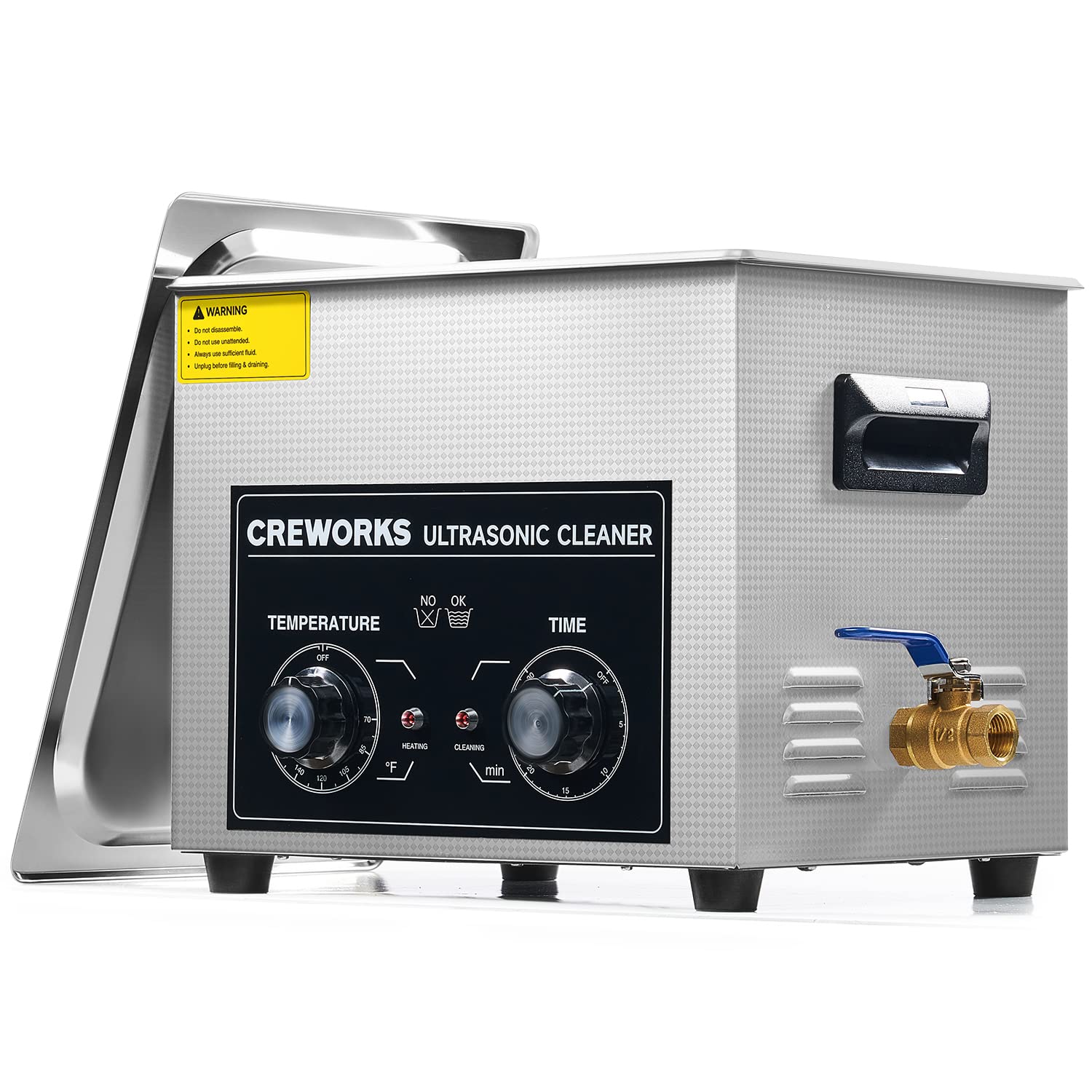
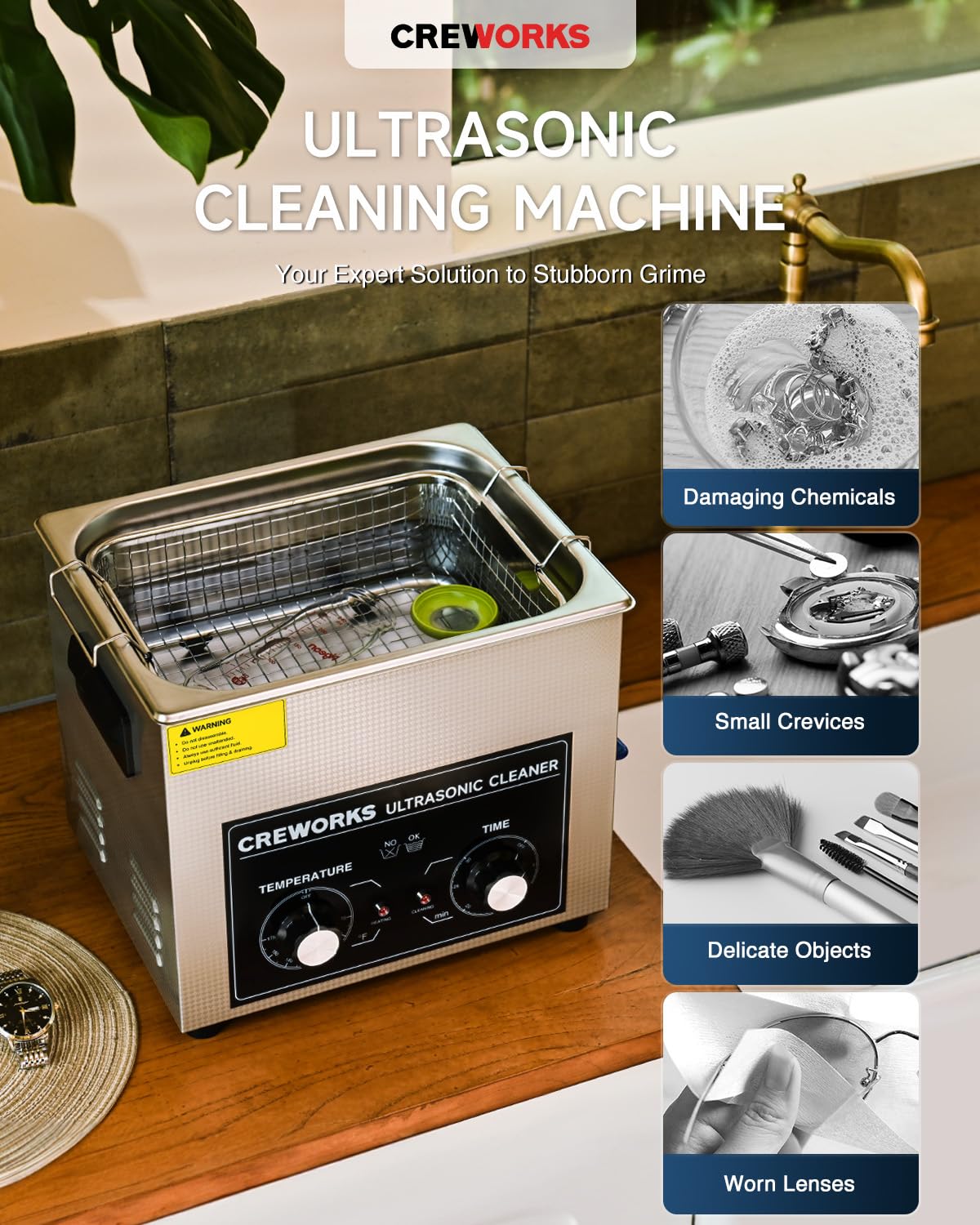
A 4L60E or 4L80E valve body that comes off the truck coated in blued fluid and clutch dust is not going to seal right no matter how good the gaskets are on the way back in. Hand-cleaning with brake clean and a rag cannot reach a blind bore, a checkball pocket, or the inside of a solenoid screen, and leftover varnish and fiber in those passages is what sticks a TCC regulator or boost valve after the rebuild and sends the truck back with a P1870 or P0741 code. This 10L heated ultrasonic tank is sized to clean a full GM valve body casting in one pass instead of breaking it into sections.
What this cleaner does for a 4L60E valve body rebuild
Cavitation from the 240W transducer array does the actual scrubbing - it pulls varnish, carbon and fine clutch material out of spool valve bores and checkball seats that a brush cannot reach. The separate 300W heater brings the solution up to around 140 degrees F, and warm solution cuts baked-on varnish far faster than cold. At 14.9 x 10.9 x 10.8 inches inside, the tank clears a 4L60E valve body, its separator plate, the pump body, solenoid screens and a basket of accumulator pistons and checkballs all at once, so nothing gets missed because it did not fit in a smaller tank.
Signs the valve body needs this kind of clean, not just a new gasket
- Harsh, late or flared shifts after the fluid and filter were already changed
- Slipping between gears or no upshift with no new fault codes present
- Torque converter clutch slip or shudder at steady cruise
- Limp mode with a stored shift or pressure control solenoid code such as P0741 or P0748
How to confirm the valve body needs it before you buy
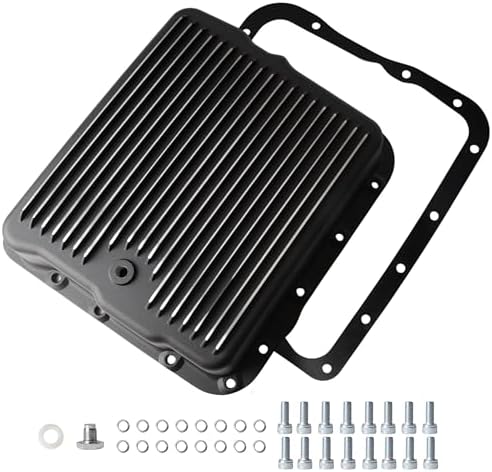
If the symptoms above showed up gradually and the old valve body has visible blued or gummy deposits in the bores when you pull it, cleaning and reinspecting is worth doing before spending on a reman unit. Our 4L60E valve body rebuild walkthrough covers the teardown and vacuum-test sequence, and our 4L60E valve body wear guide explains how to tell bore wear that cleaning cannot fix from varnish buildup that it can. If the bores vacuum-test worn after cleaning, see our 4L60E parts for a replacement valve body instead.
Fitment
The tank itself is universal - it is sized for GM 4L60E and 4L80E valve bodies and the related separator plates, pump bodies and small hardware, not keyed to one year or casting. It also handles smaller jobs like a 4L60E separator plate or a basket of checkballs between rebuilds.
Cleaning notes
Run a 15 to 20 minute cycle at roughly 140 degrees F in a diluted water-based parts solution, then rinse and blow the casting dry with shop air before reassembly - do not let it air-dry with solution still in the bores, since that leaves mineral spotting behind. Drain and refill the tank through the side valve between valve body jobs so you are not cleaning the next unit in dirty solution. Clean the valve body at the same time you change the fluid and filter and install a fresh 4L60E solenoid kit if the old solenoids tested weak, so debris from the old unit does not circulate through new parts.