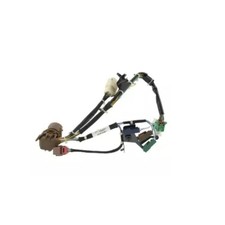
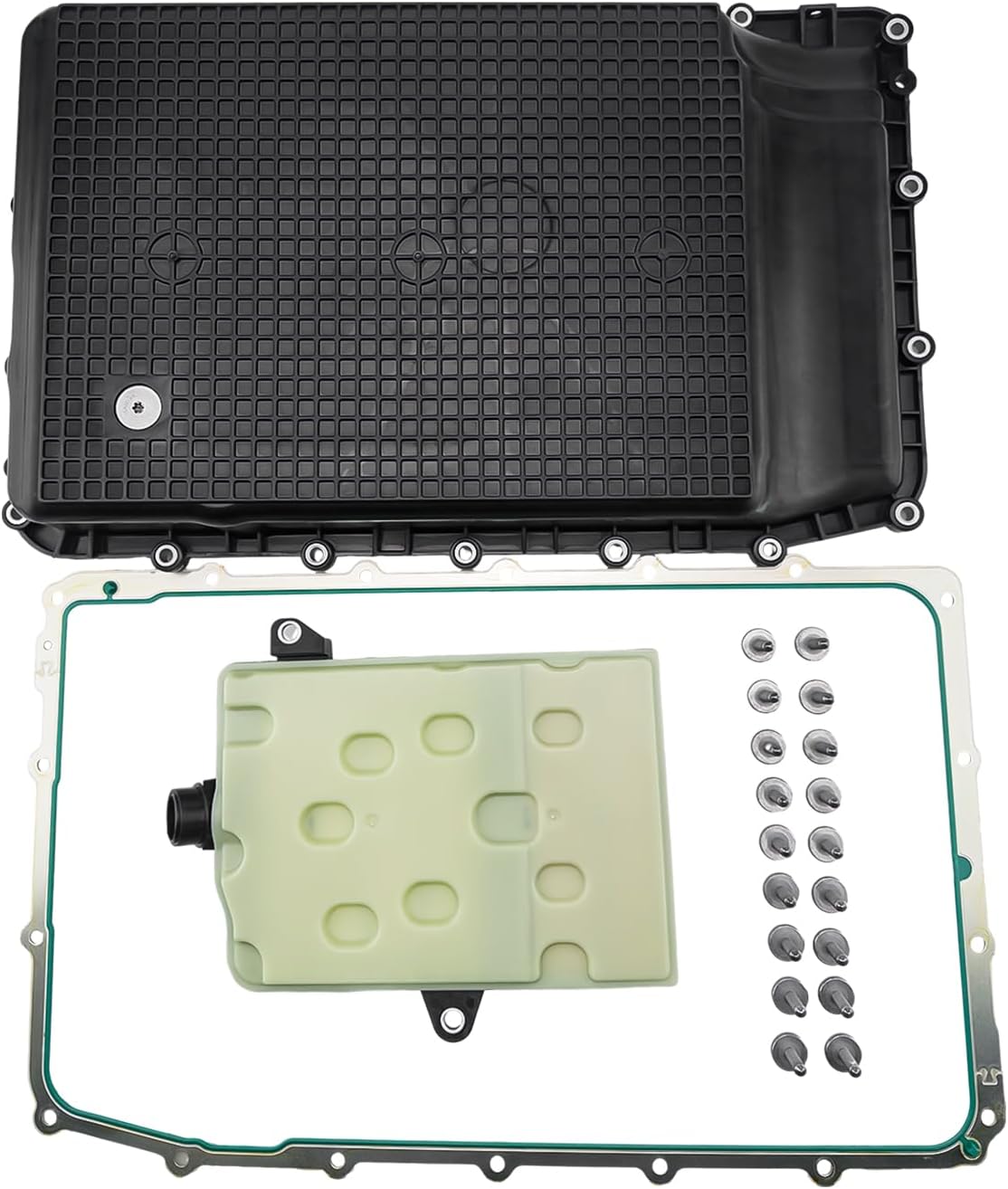
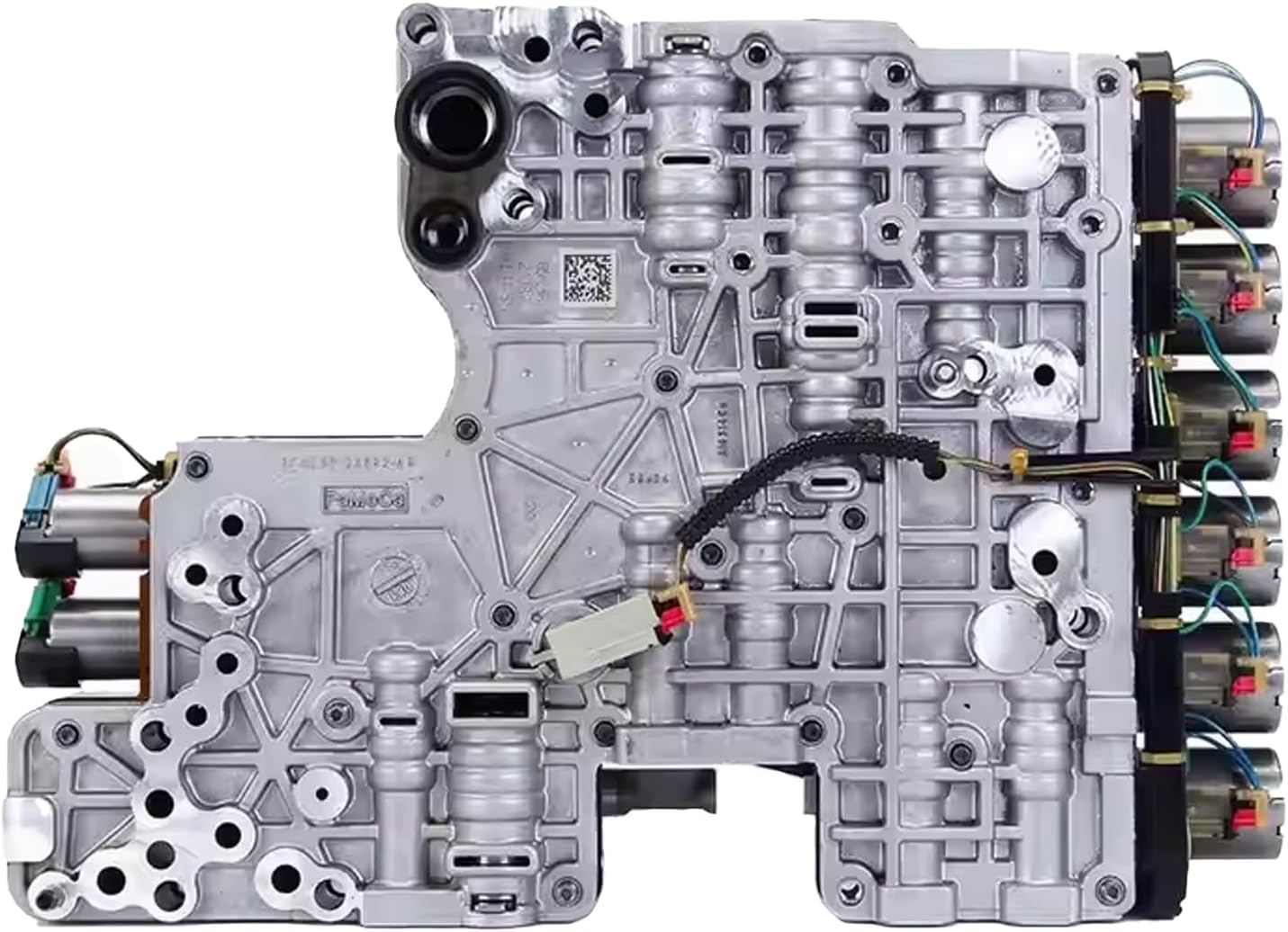
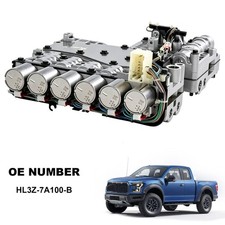
A new internal wiring harness for the Ford 10R80 ten-speed, listed for 2017-2024 F-150, Expedition, Navigator, Mustang and Ranger applications. If your truck is throwing speed sensor or range sensor circuit codes that come and go, drops into a commanded neutral, or shows wild ratio readings on a scan tool while the clutches themselves are healthy, the wiring inside the case is one of the few remaining suspects. Rubbed insulation, a cracked connector lock or a leaking case pass-through can all produce faults that look like a failing transmission.
What the internal wiring harness does in a 10R80
Every electrical signal the 10R80 depends on travels through this harness. Ford's workshop procedure splits it into two sections. The valve body section plugs into the torque converter clutch solenoid and the line pressure control solenoid, plus the park lock pawl solenoid on trucks that have one. The case section runs to the four speed sensors (turbine shaft, intermediate speed A, intermediate speed B and output shaft), the transmission range sensor, and the auxiliary fluid pump on vehicles with it. Both meet at the round case connector that passes through the transmission housing to the vehicle harness.
Sonnax explains that the four speed sensors are two-wire Hall-effect units supplied with about 9 volts. The controller compares their signals to calculate which gear it is actually in, so a broken or high-resistance wire does not just set a code; it can make the computer believe a clutch is slipping and command protective strategies.
Symptoms of a failing 10R80 internal harness
- Intermittent speed sensor circuit codes such as P0715 (turbine speed) or P0720 (output speed), often after the transmission is hot
- Transmission range sensor circuit codes (P0705 family) or a gear display that flickers or disagrees with the shifter
- Sudden neutral, limp mode or a frozen gear with the warning light on
- Gear ratio error codes that return even after clutches and solenoids were checked
- TCC or line pressure solenoid circuit faults that wiggle in and out
- ATF wicking past the case connector into the vehicle-side plug
How to confirm before buying
Start outside the transmission. Inspect the vehicle harness and the case connector for fluid, bent pins and a loose locking arm, and check the module power and grounds. Then watch live data: Sonnax recommends viewing TSS, ISSA, ISSB and OSS alongside commanded gear and measured ratio. A sensor that drops to zero for an instant while the others hold steady points to a wiring or connector break, while a reading that is steady but in the wrong place points to sensors installed in each other's positions. GEARS Magazine warns that the 10R80's failure-management modes raise line pressure and freeze adaptives, which feels like a mechanical failure, so clear up electrical codes in every module first. Our 10R80 common problems guide and the F-150 shift problems guide help separate harness faults from hard-part failures.
Fitment
This harness is listed for 10R80 transmissions from 2017-2024. Within that span Ford added equipment such as the auxiliary pump on auto start-stop models and the park lock solenoid on some vehicles, so harness branches can differ. Count the connectors and compare the routing and case plug with the photos and your old harness, match the Ford part number if you can read it, or send us your year and VIN to confirm. Browse the rest of the ten-speed lineup on our 10R80 parts page.
Install notes
- Drain the fluid and remove the main control valve body; the harness cannot come out with it in place.
- Unlock each connector's plastic slide before squeezing the tab. The case plug is pushed out through the case with Ford tool 307-746 or an equivalent sleeve.
- Lube the new case-connector O-rings with petroleum jelly, align the tab with the notch in the case, and torque the bolts to 97 lb-in and 106 lb-in as Ford specifies.
- Make sure every speed sensor plug goes back to its own sensor and every lock slides fully closed.
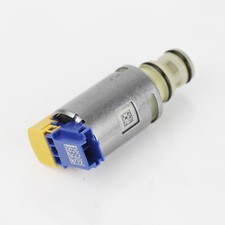
- If the valve body is coming out anyway, it is a good time to replace a suspect pressure control solenoid or install a 10R80 valve body.
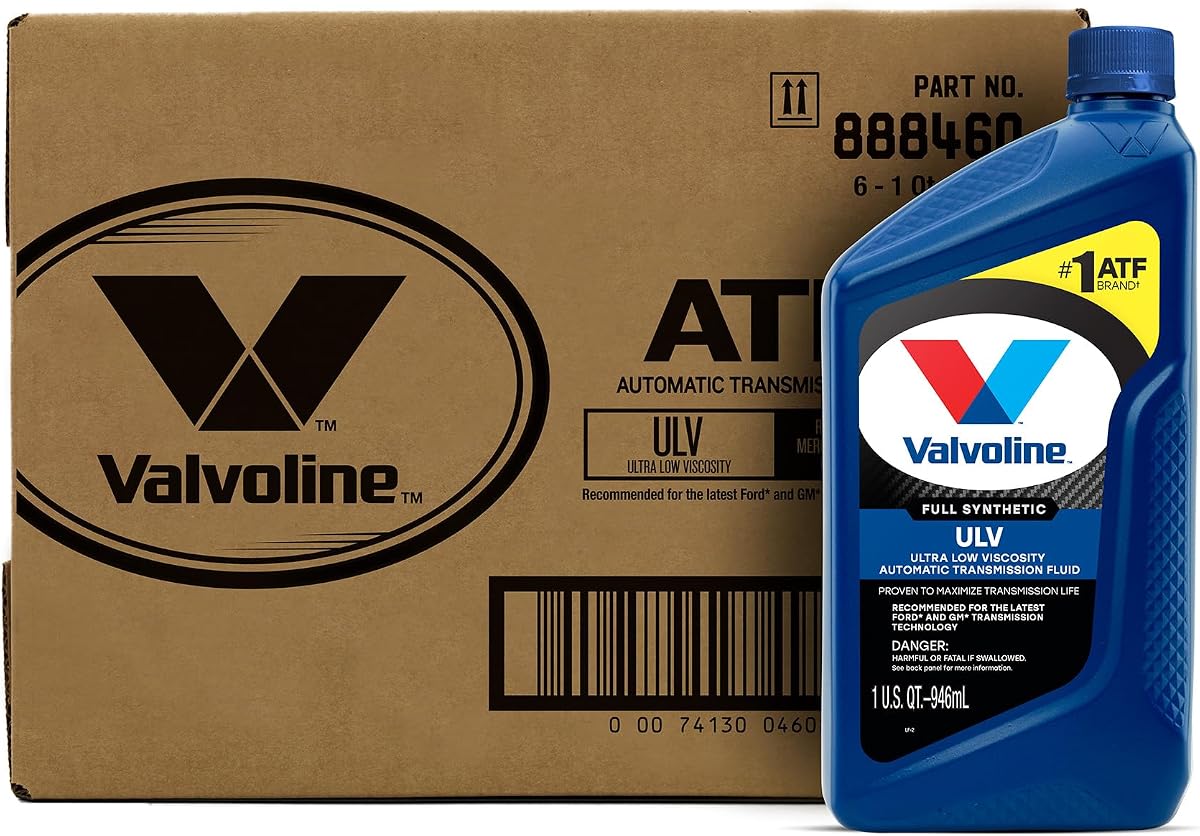
- Refill with MERCON ULV, clear codes, and run the adaptive learning drive cycle so shift quality settles.