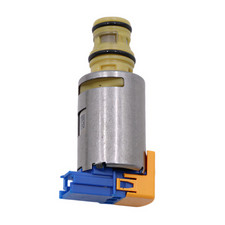
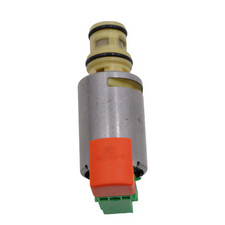
This new line pressure control (LPC) solenoid is listed for the full run of the Ford 10R80, from the first 2017 F-150 through 2026 models. That covers the F-150 and Transit, the Expedition, Navigator and Mustang that switched over for 2018, and the Ranger from 2019 on. Owners usually land here after a bang into Drive on a cold morning, shifts that feel mushy one day and abrupt the next, or a scan that shows a pressure control circuit code. Because one solenoid sets the base pressure for all ten gears, a fault here rarely stays confined to a single shift.
What the pressure control solenoid does in a 10R80
The 10R80 main control carries eight solenoids: six CIDAS shift solenoids, the torque converter clutch solenoid, and this one. The LPC is a variable force solenoid that sends a signal to the main regulator valve, and it is wired the opposite way to what many people assume. GEARS Magazine explains that it is normally high and inversely proportional: at roughly 50 mA the transmission gets full line pressure, and at roughly 850 mA pressure drops very low. So a solenoid that sticks or loses its coil pushes the unit toward maximum pressure, which is why harsh engagement is the classic complaint. A unit that cannot hold commanded current in the middle of its range gives the opposite: slow, soft apply and flare on upshifts.
Symptoms of a failing 10R80 LPC solenoid
- Harsh garage shifts into Drive or Reverse, worst with cold fluid
- Firm or banging upshifts across many gears instead of one problem shift
- Soft, slipping shifts or flare when the solenoid cannot control mid-range pressure
- Pressure control solenoid circuit codes in the P0960 to P0963 group, or P0748 on some scan tools
- Shift complaints that come back after the module has been reset, because adaptive tables are fighting a bad pressure signal
How to confirm it before you buy
On 2017 to 2023 trucks, check the Ford bulletin history first. TSB 23-2123 covers 2017-2020 F-150, 2018-2021 Expedition, Navigator and Mustang, and 2019-2023 Ranger with harsh or delayed engagement and shift complaints. Ford traced many of these to adaptive calibration not keeping up with hardware break-in, and the fix path starts with a reprogram and adaptive learning drive before anyone opens the main control. If shifts stay harsh after that, compare commanded pressure with the LPC current PID on a scan tool. Current that tracks the command while real pressure misbehaves points to the valve body; current that never moves, or a circuit code, points to the solenoid or harness. GEARS also warns that some stored codes freeze adaptive pressure control, so scan every module first. Our 10R80 pressure control solenoid symptoms guide walks through each reading, and the 10R80 F-150 shift problems guide separates solenoid faults from clutch and calibration issues.
Fitment
This listing is for the 10R80 from 2017 through 2026. It is not for the 10R60 in the Bronco or the heavy-duty 10R140. Ford revised the main control and calibration over that long span, so before ordering, hold your old solenoid against the product photos and match the connector and any part number printed on it. If you are not sure, send us your year and VIN and we will check it. Other year-specific versions and every related part are on the 10R80 parts page.
Install notes
- Drain the fluid and drop the pan and filter to reach the main control. Disconnect the battery first.
- Ford services the solenoid retaining clips separately, so replace any clip that is bent or weak rather than reusing it.
- Install new O-rings, lubricate them with clean ATF, and inspect the solenoid bore for scoring before seating the new part.
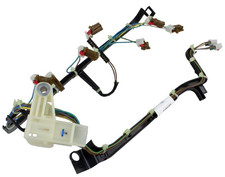
- Check the internal connector and terminals. A chafed lead produces the same circuit codes as a dead solenoid, and the 10R80 internal wiring harness for 2017-2026 replaces it in the same job.
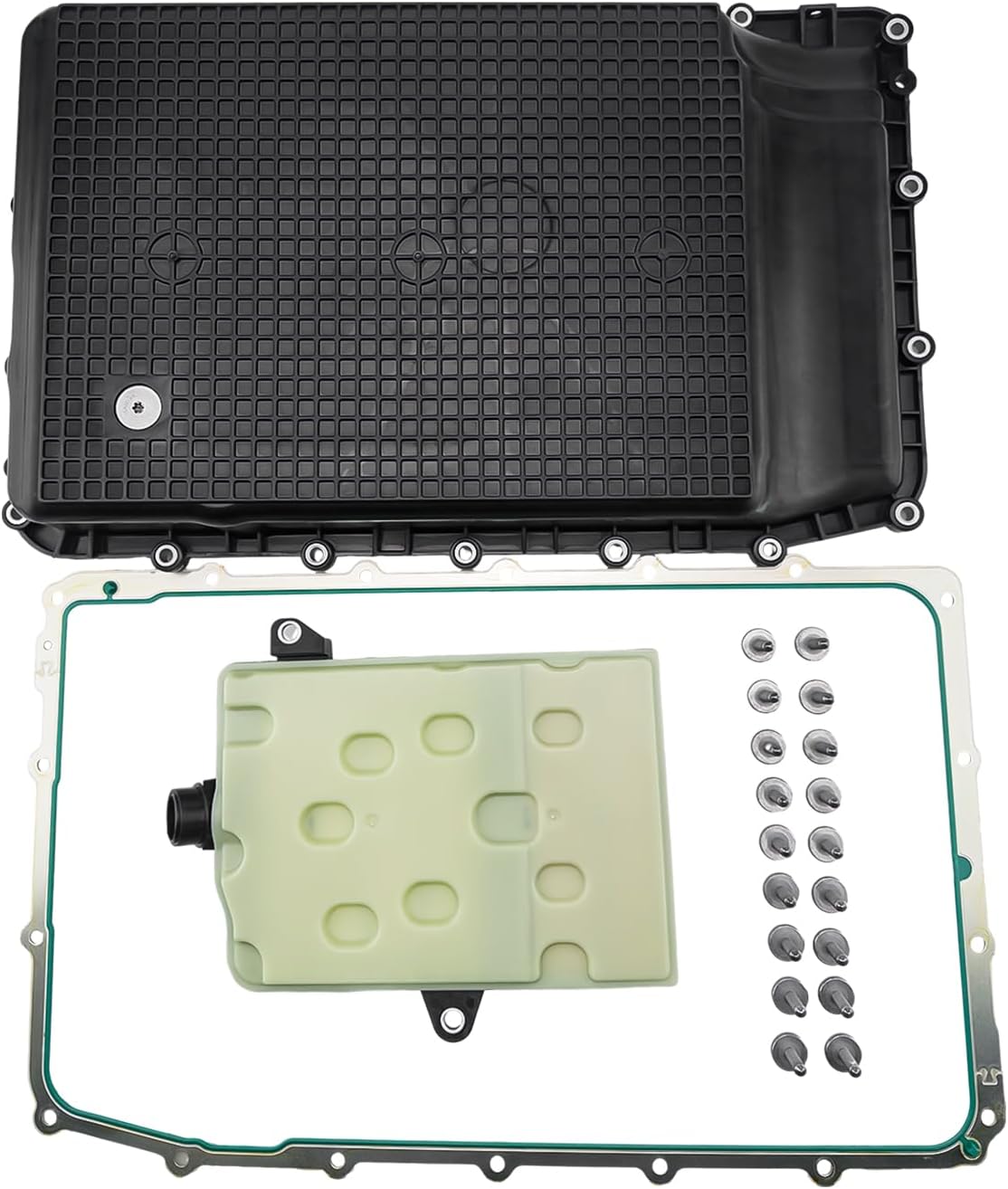
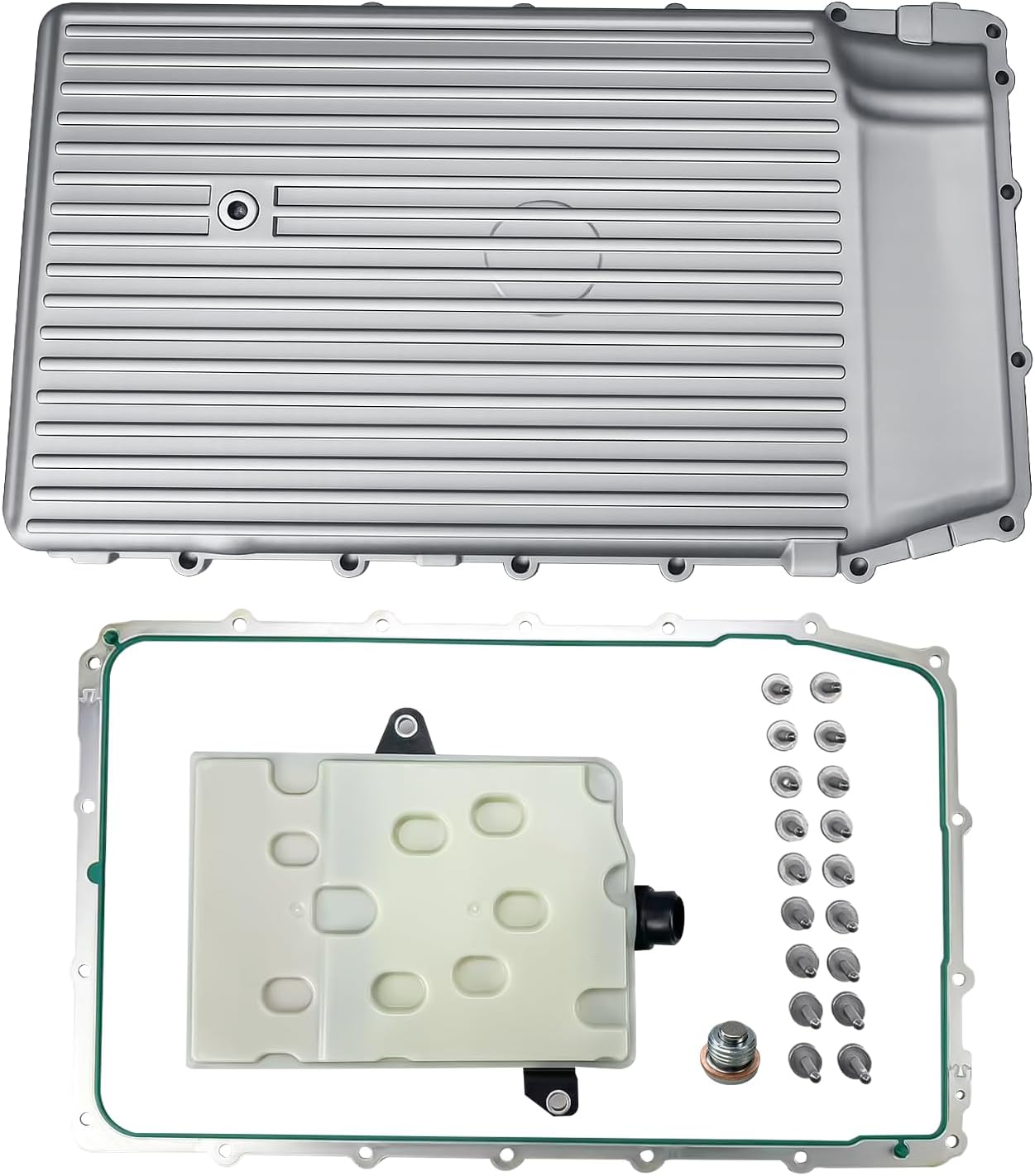
- A new filter and gasket are cheap insurance while the pan is off; the cast aluminum 10R80 pan kit with filter adds capacity and a drain plug.
- Refill with Mercon ULV only, set the level hot, clear codes, and complete the adaptive learning drive so the module re-learns clutch fill.
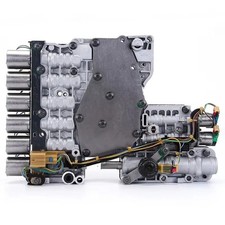
If the bores are worn or several solenoids test bad, a complete 10R80 valve body for 2017-2023 can cost less in labor than repairing piece by piece.