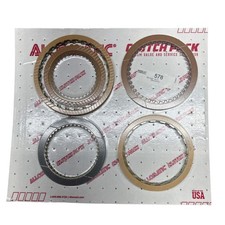
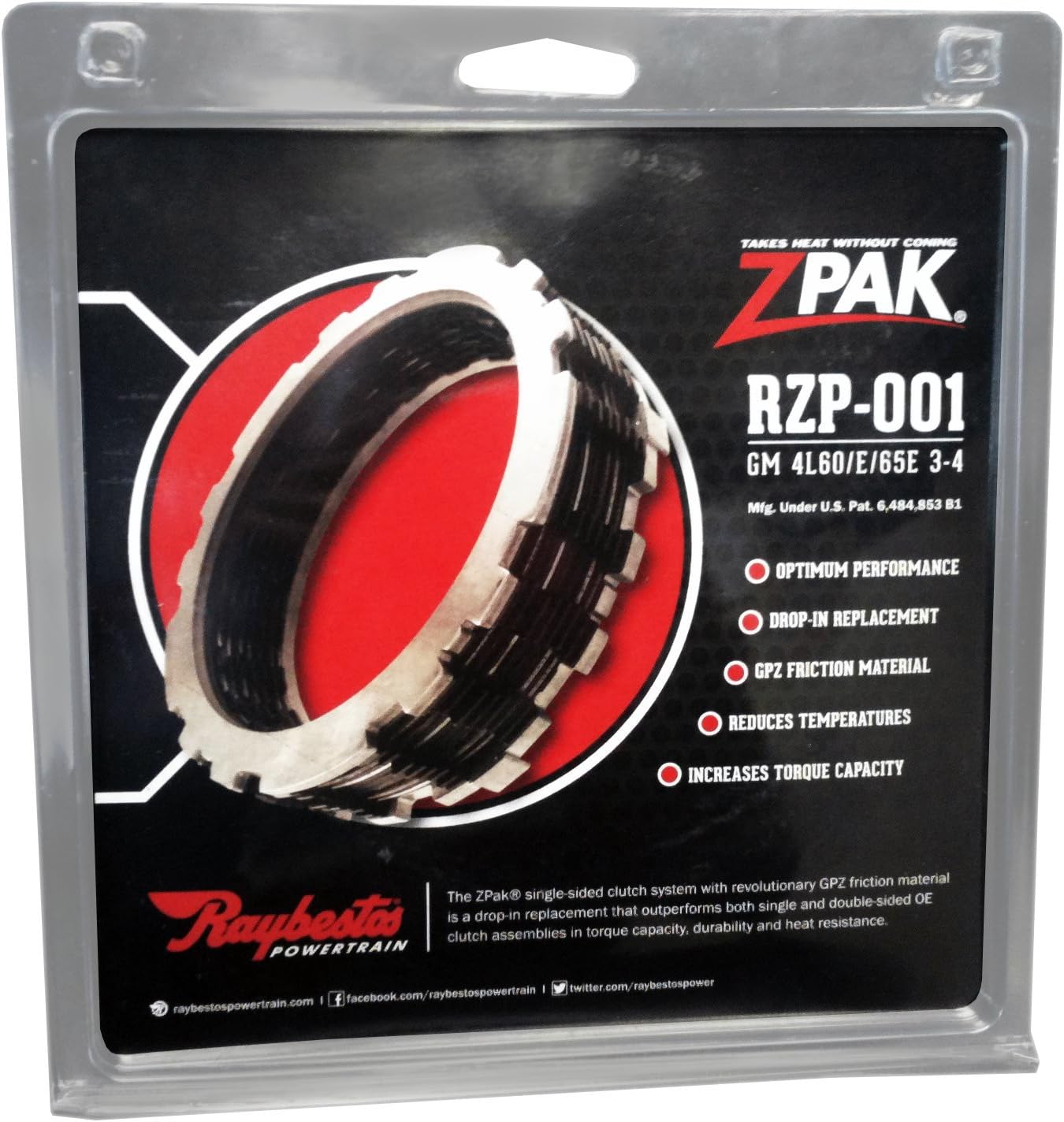
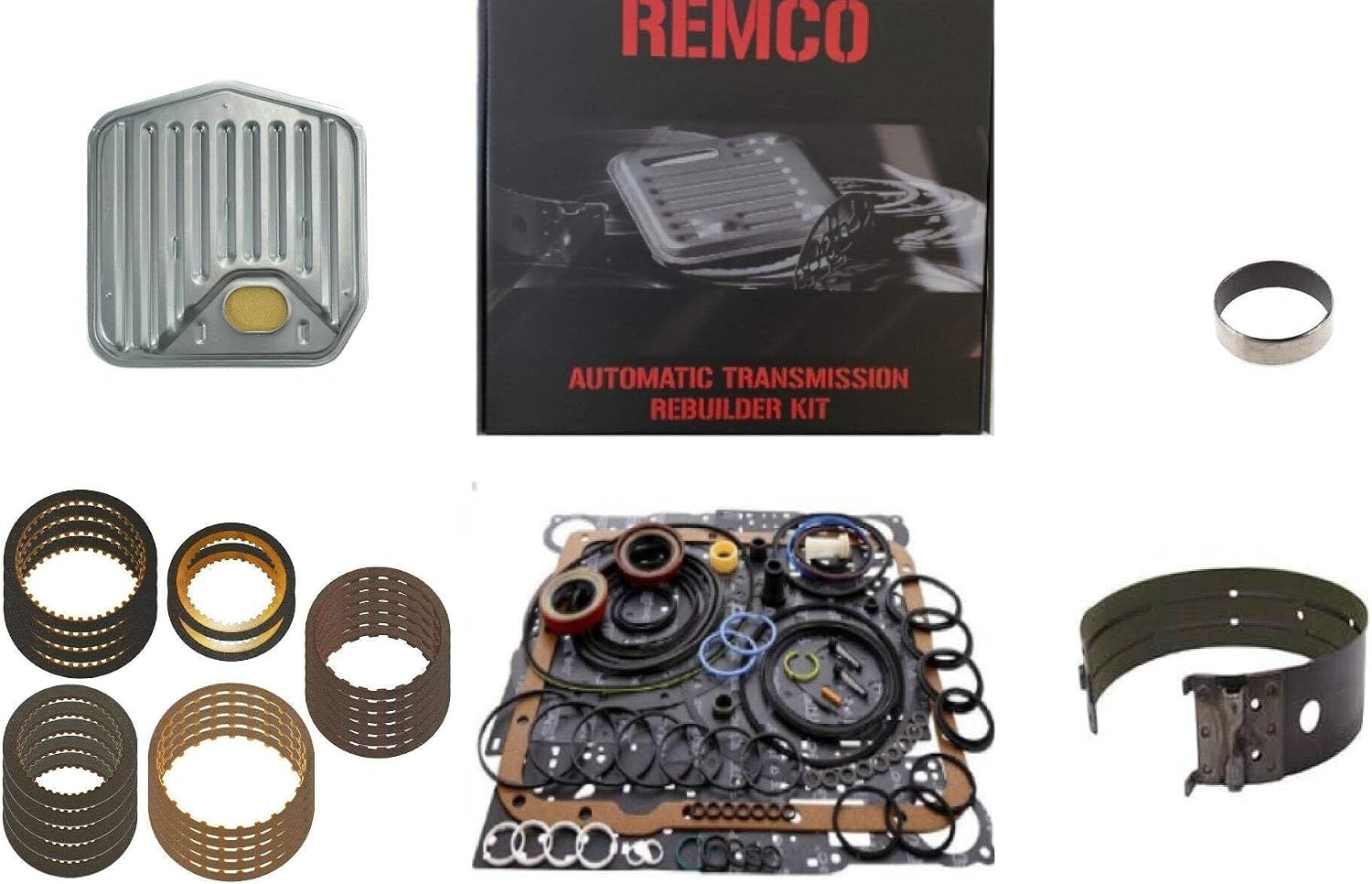
1993 was the first model year of the electronic 4L60E, the unit that replaced the cable-controlled 700-R4 behind GM's full-size trucks. If your 1993 Chevrolet or GMC C/K 1500, Suburban, full-size Blazer or Yukon is now flaring between gears, slipping when loaded, or has lost third and fourth gear, the clutches inside are the usual casualty. This is a new 4L60E clutch module for 1993 units, with a 1-year warranty. The photo shows a boxed pack of friction and steel plates; it is the clutch portion of an overhaul, not a complete rebuild kit, so plan on seals and gaskets separately.
What the clutch module does in a 1993 4L60E
A first-generation 4L60E still shares its basic geartrain with the 700-R4. The difference is upstream: shifts are commanded by the computer through solenoids instead of a throttle valve cable, and line pressure is set by an electronic pressure control solenoid. The clutches themselves do the same work they always did. Friction plates with a bonded lining alternate with plain steel plates, and when oil reaches the piston behind a pack, the stack clamps and locks two members of the geartrain together. Slip a pack under load and the lining glazes or burns, the steels heat-discolor, and the next shift is worse than the last. The 3-4 clutch takes the most abuse because it carries engine torque in third and fourth and sits in a cramped housing; Sonnax points out that the stock 700-R4 and 4L60-E 3-4 pack ran five or six frictions, one or two fewer than the later 4L65-E and 4L70-E.
Symptoms of burnt clutches
- Engine speed jumps on the 2-3 shift before the gear catches
- Pulls away in first and second only, with no third or fourth
- Slip in overdrive when climbing a grade or towing
- Slow engagement into drive or reverse after the truck sits
- Black, burnt-smelling fluid with friction material on the pan magnet
How to confirm before you buy
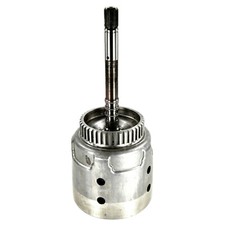
Pull the pan first. Fine gray paste is normal wear; black lining flakes mean a clutch pack let go, and bright metal points toward hard parts. A 1993 truck is old enough that you should also rule out the cheap causes of slip, since clutch burn is usually a result rather than the root problem. Sonnax traces most 3-4 slip complaints to low line pressure and leaks in the third-gear circuit, so a rebuild that only swaps frictions tends to burn up again. Our 3-4 clutch pack diagnosis guide walks through that circuit, and the forward clutch and sprag guide covers the slip-in-drive cases. Keep in mind that a stripped sun shell also causes no third or fourth with clutches that look fine.
Fitment
This module is listed for the 1993 4L60E. Confirm you actually have the electronic unit: a 1993 4L60E has an electrical connector on the case and no throttle valve cable, while a 700-R4 or 4L60 has the cable. Because the 4L60E was revised many times over its run, count the plates in your old packs and compare tooth profile and thickness against the new ones before assembly. If you are not sure, send us your year and VIN, or browse every option on our 4L60E parts page. For a 1994 unit see the 1994 4L60E clutch module.
Install notes
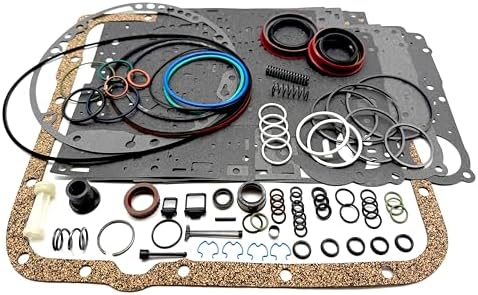
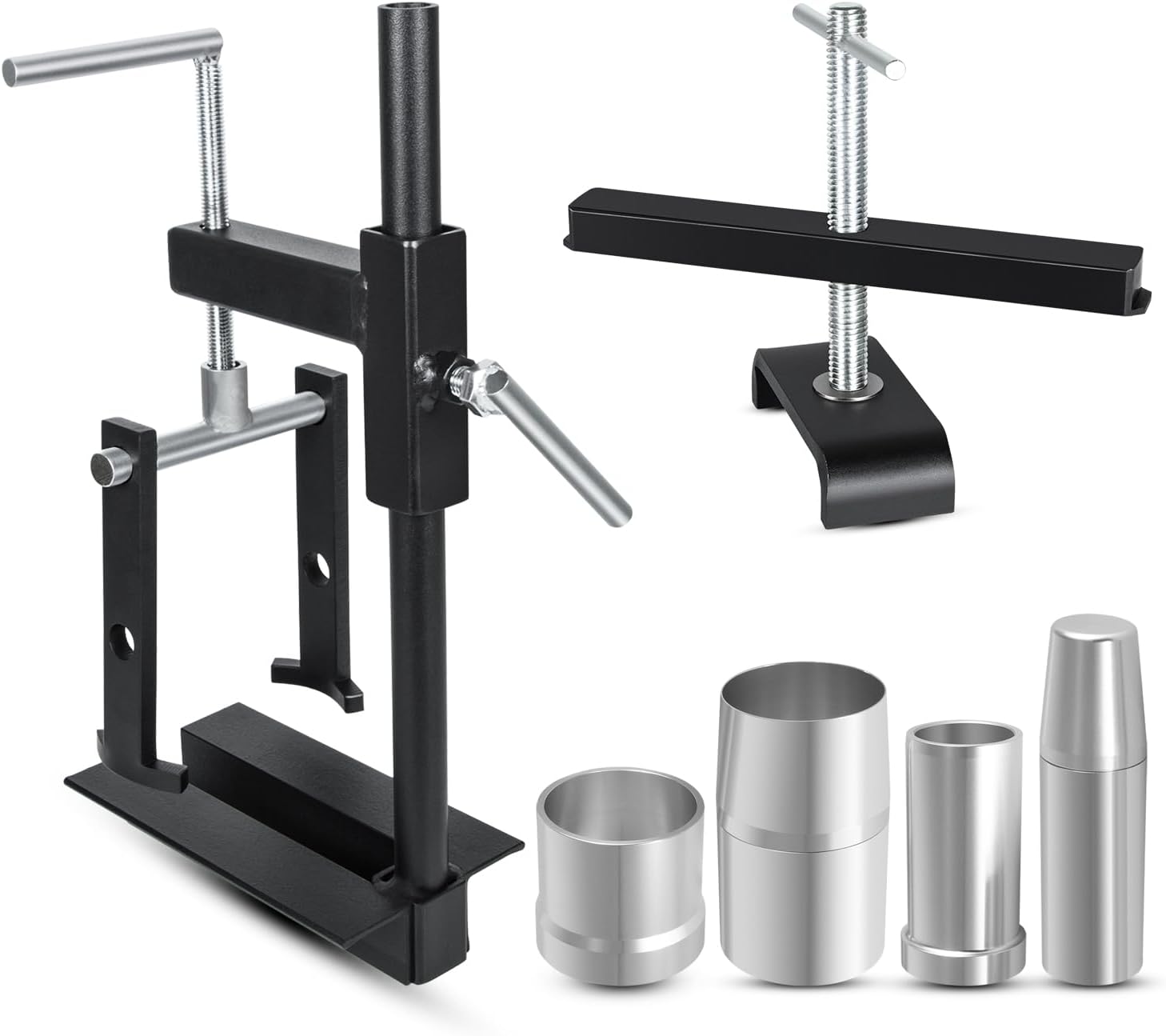
Soak every new friction in clean ATF for at least 30 minutes before stacking it. Install frictions and steels in the same order you removed them, then measure clutch clearance with a feeler gauge or dial indicator and correct it with the selective plate or snap ring. Replace the piston seals while each drum is apart; the 4L60E gasket and seal overhaul kit covers 1993-2003 units, and a drum spring compressor and seal installer set makes the piston work much easier. On early trucks, look at the converter clutch side as well: 1993 units use an on/off converter clutch solenoid, not the pulse-width control GM moved to in the mid-1990s, so do not mix later TCC parts in. Refill with Dexron VI, which is backward compatible with the Dexron fluid originally specified, and check the level hot.