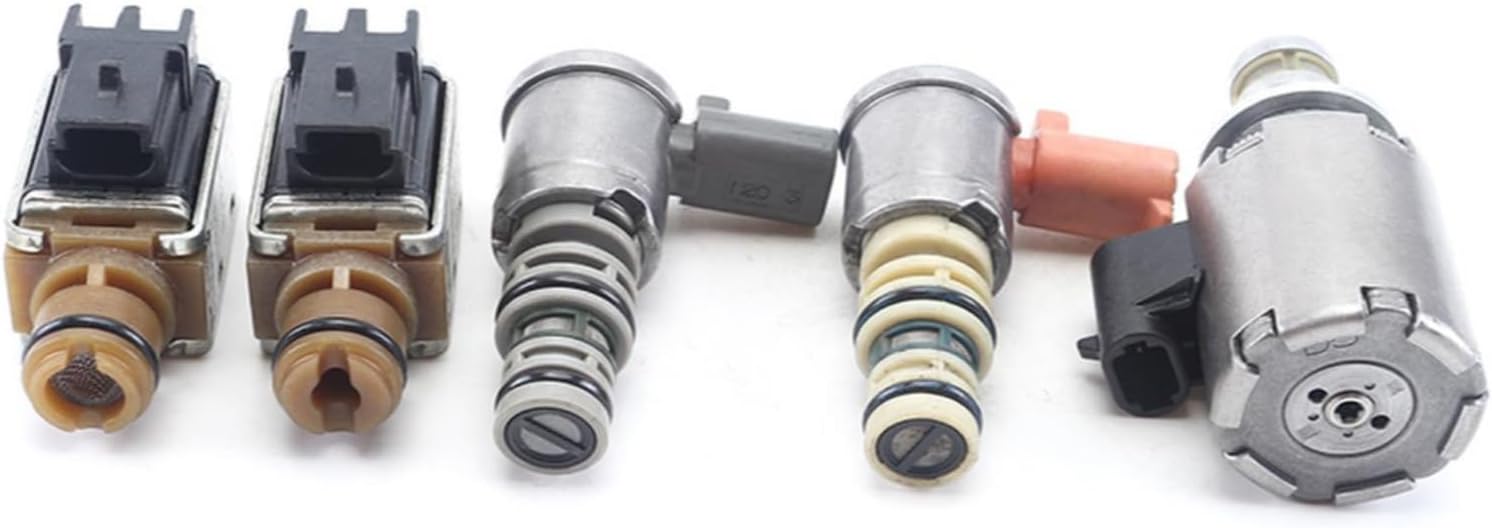
When a 1997-or-later Silverado, Sierra, Tahoe, Yukon, S10, Blazer, Escalade or Rainier starts holding 1st too long, banging into 2nd, refusing lockup on the highway or dropping into limp mode with a fistful of solenoid codes, the valve body electrics are the first place to look. This kit puts all five valve-body solenoids for the 1997-up 4L60E, 4L65E and 4L70E in one box: shift solenoid A, shift solenoid B, the EPC pressure control solenoid, the TCC lockup solenoid and the 3-2 downshift control solenoid. The listed OE references are 24230298, 24208576, 10478120, 10478131 and 24225815, so you can hold the box up against what comes out of your pan.
What these solenoids do in a 1997-up 4L60E
The 4L60E selects gears with only two on/off shift solenoids. The ATRA solenoid application chart in GEARS Magazine lists the pattern: A and B both on for 1st, A off and B on for 2nd, both off for 3rd, and A on with B off for 4th. If either one sticks, the computer loses a gear or skips one, and the truck can start in 2nd or never reach overdrive. The EPC solenoid sits in a separate role, trimming line pressure so every clutch and the 2-4 band apply with the right force. The TCC solenoid locks the converter at cruise, and the 3-2 solenoid manages how the 3-4 clutch releases against the 2-4 band apply on a part-throttle downshift. Sonnax notes that all five are fed by the AFL valve at roughly 115 psi, so one tired circuit can affect how the others perform.
Symptoms this kit addresses
- P0753 or P0758 (shift solenoid A or B electrical), P0740 (TCC circuit) or P0785 (3-2 solenoid circuit)
- Starts in 2nd, no 4th gear, or shifts that come late and firm
- Converter shudder or no lockup at 45-55 mph
- A flare or bind on the 3-2 downshift when you ask for passing power
- Harsh or mushy shifts across all gears, often with P0748 when the EPC is involved
How to confirm before you buy
Do the wiring first. ATRA Technical Bulletin 583 documents a poor terminal crimp on the shared solenoid power circuit setting P0740, P0753, P0758, P0785 and P1860 at the same time, and a fresh set of solenoids will not fix a bad crimp. Measure at the case connector: ATRA bulletin 269 gives 20-40 ohms for each shift solenoid (pins E-A and E-B) and 3.5-8.0 ohms for the EPC at pins C and D. Several codes at once with good resistance points to the harness or connector; one out-of-range reading points to that solenoid. Our shift solenoid A and B code guide walks the pin checks, and the TCC and P0740 guide covers lockup complaints.
Fitment
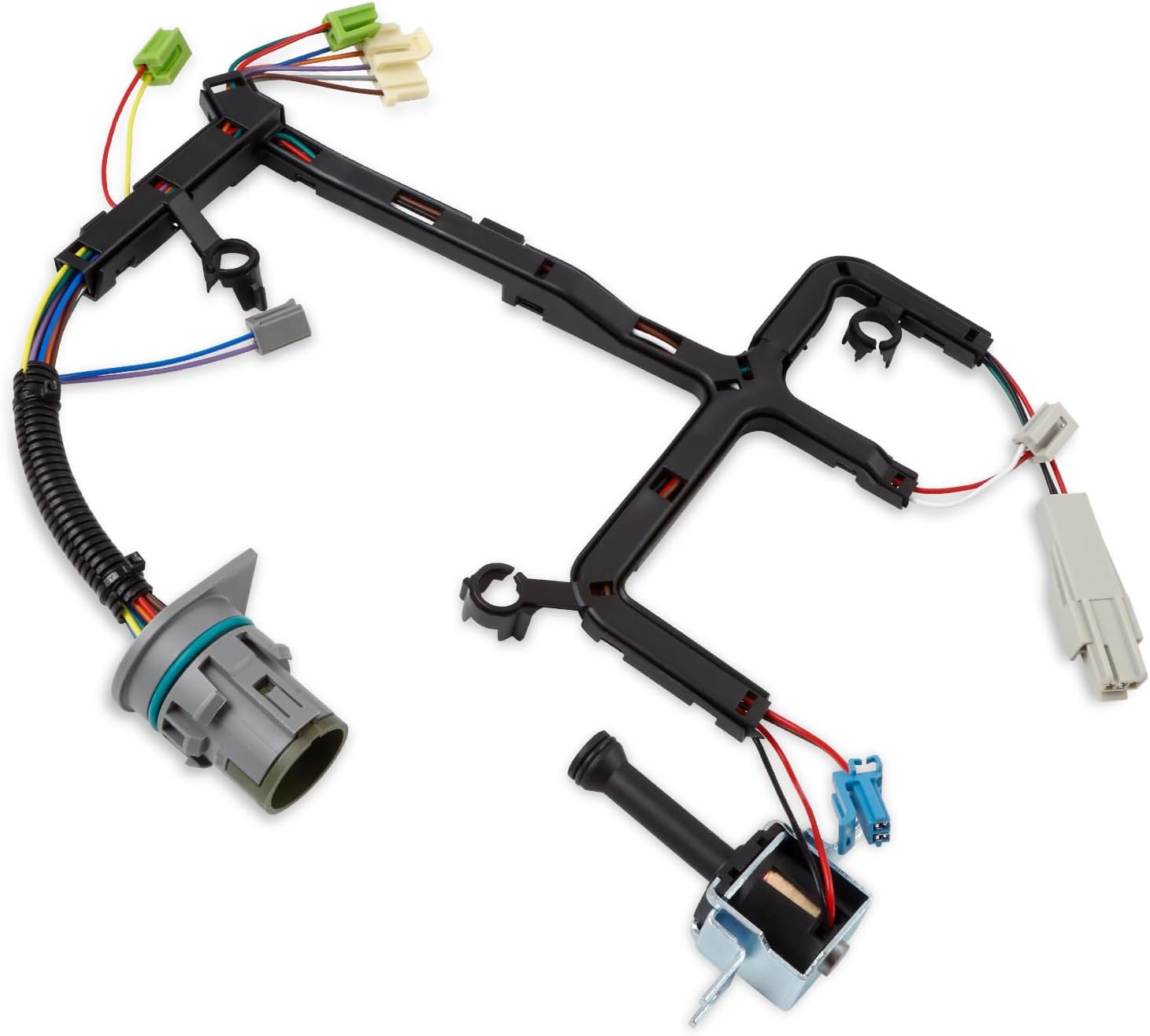
This set is built for 1997 and later 4L60E valve bodies, along with the 4L65E and 4L70E that share that layout. It does not fit the 1993-1996 early-style 4L60E, which used a different EPC and harness arrangement. Within 1997-up there were running changes, so lay your old solenoids beside the product photo and compare connector shape and body length, or send us your year and VIN before you order. If your truck is older, or you want a different combination of parts, browse the full 4L60E parts collection. If only the A and B units test bad, the shift solenoid A and B kit is the smaller job.
Install notes
- Drain and drop the pan, pull the filter and unplug the internal harness from the case connector and each solenoid.
- Shift solenoids A and B come out after their retaining clips; the EPC, TCC and 3-2 solenoids are held by brackets and bolts.
- Lube every new O-ring with clean ATF so it seats without rolling, then snug bracket bolts lightly; the valve body is aluminum.
- Inspect the harness while it is out. Heat-hardened insulation or green pins justify a new internal wiring harness on 2006-2008 units.
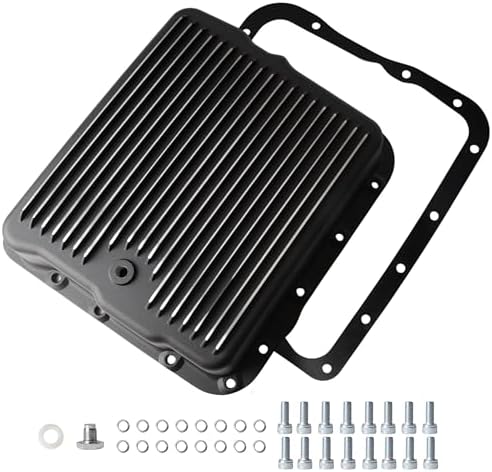
- Fit a new filter and pan gasket, refill with Dexron VI, check level hot, clear codes and let the computer relearn shifts on a road test through all four gears and lockup.
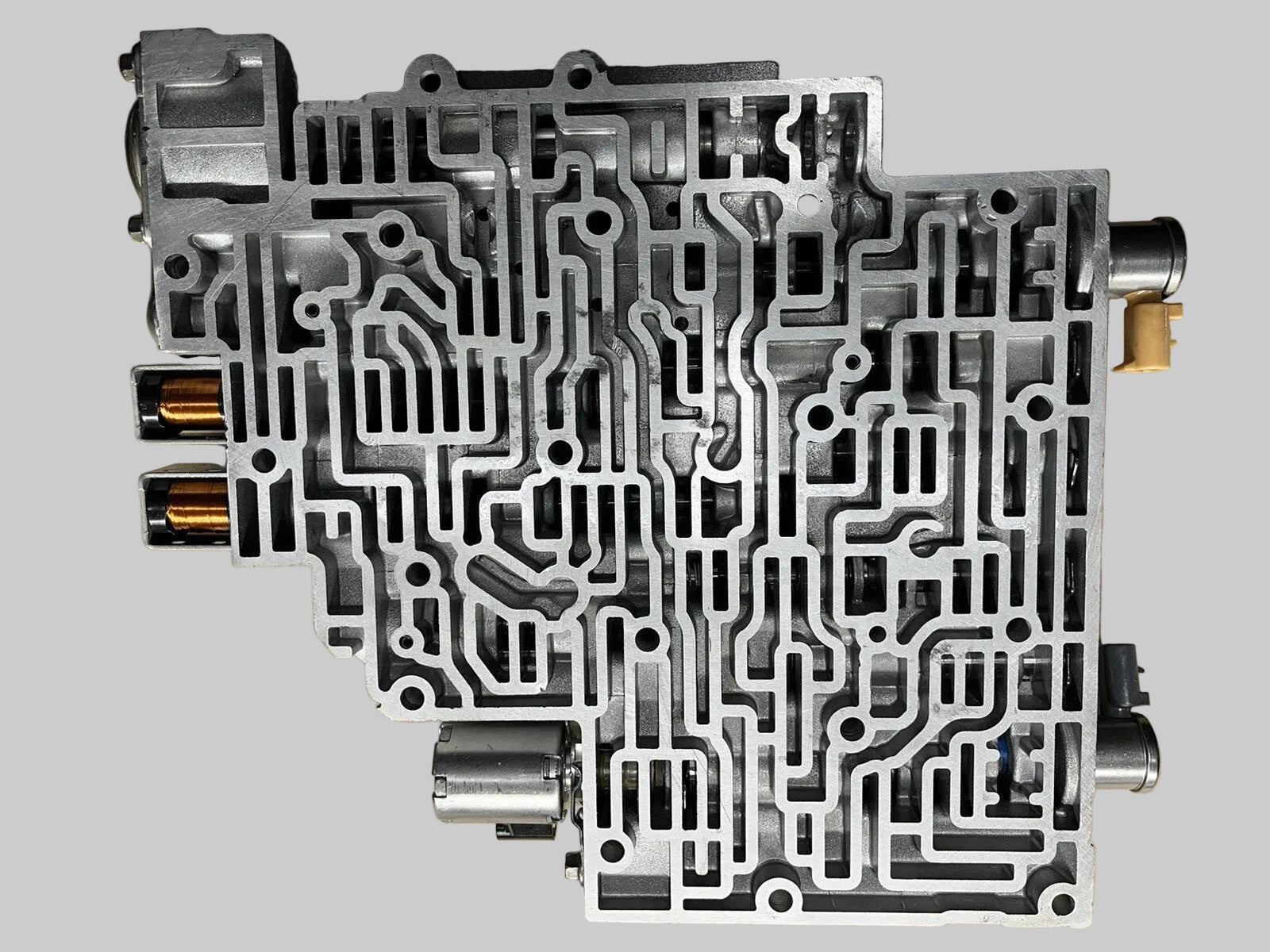
If the fluid shows heavy clutch material or the vacuum test fails, solenoids alone will not restore shift quality. In that case a remanufactured 4L60E valve body is the better spend.