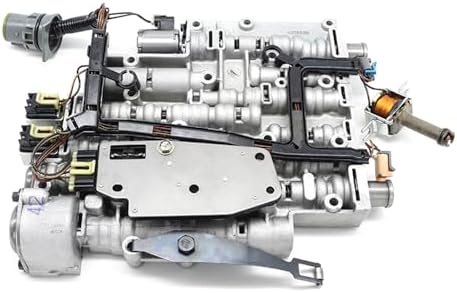
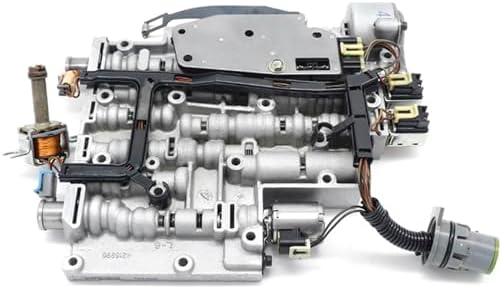
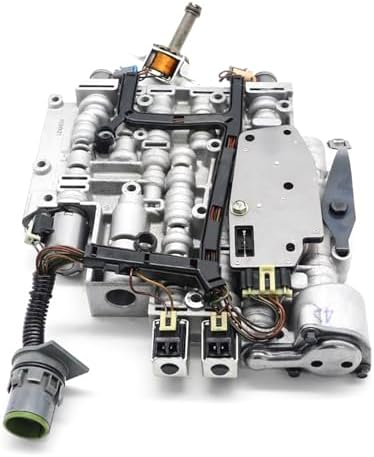
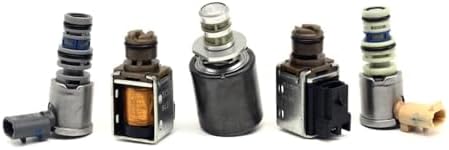
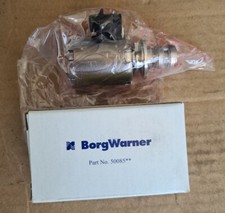
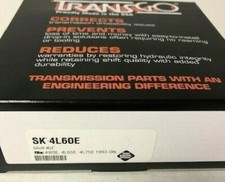
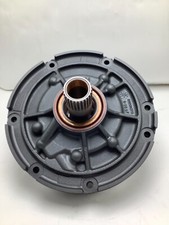
A lot of 4L60E and 4L65E owners chase a converter clutch shudder or a P1870 slip code through a solenoid, a flush, and sometimes a full rebuild before anyone looks at the valve body's aluminum bores, which is where this complaint almost always actually starts. This refurbished valve body covers 1996-2007 GM, GMC, Pontiac, and Buick applications and ships with the EPC and shift solenoids and the internal wiring harness already installed, but the part that matters most is inside the casting: the TCC regulator bore has been resleeved with a wear-resistant aluminum insert and fitted with new regulator and isolator valves, rather than just bolted together with worn stock parts.
Why the bore wears and what sleeving fixes
The TCC regulator and isolator valves in a 4L60E valve body cycle constantly to apply and release the torque converter clutch, and that repeated motion wears the soft aluminum bore around them. Once the bore opens up, the valve can no longer hold apply pressure against the converter, so the clutch slips under load instead of locking solidly. GM's own fix for this on later production used a harder bore liner; this assembly does the same thing on the bench, sleeving the worn bore back to spec before installing new valves into it, so the repair actually addresses the metal wear instead of putting new parts into an oversized hole.
Symptoms of a worn TCC bore
- Converter clutch shudder between 35 and 55 mph that comes and goes with load
- A stored P1870 code (some older scan tools display it as code 894) with no other drivability complaint
- Overheated transmission fluid from the converter slipping under power, which then accelerates clutch and seal wear elsewhere in the unit
- Harsh 1-2 or 3-2 shifts if EPC pressure control is also affected
- Symptoms returning soon after a solenoid-only repair, because the solenoid was never the actual leak path
The interchange numbers this casting and solenoid set cross to include GM 10478112, 10478120, 10478131, 24230298, 24215111, 24219581, 24220158, 24203101, 24209276, 8677314, 8684216, 24212690, 24227792, 8683187, 24212327, and 24209121; matching one of those against your old unit is the fastest way to confirm this is the right valve body before ordering.
How to confirm it before you buy
Pull codes and verify P1870 or a converter clutch complaint rather than a straight shift-quality issue, since a hard shift problem usually points elsewhere in the valve body. Our valve body wear guide covers the vacuum and flow testing a shop uses to confirm bore wear on the bench, which is the same failure this sleeve corrects.
Fitment across 1996-2007
This covers 4L60E and 4L65E applications from 1996 through 2007, but GM changed the EPC solenoid and its case connector in 2003, so a 1996-2002 truck and a 2003-2007 truck are not using the identical electrical interface even though the hydraulic bore design is related. Compare the solenoid shape and the case connector in the listing photos against your own unit before dropping the pan, or send us the year, make, and VIN. Every 4L60E valve body we carry by year range is listed on the 4L60E parts page.
Install notes
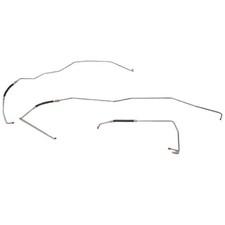
Drain the pan, pull the filter, unplug the case connector and the solenoids, then remove the valve body bolts while supporting the assembly so the separator plate does not shift and drop its checkballs. Confirm every checkball position against the old unit, set the new valve body with the bolts torqued to spec in the factory crossing sequence, and reconnect the harness before closing up. Fit a new filter and pan gasket, refill with Dexron VI, and road test through a full lockup cycle before clearing codes so you can confirm the shudder is actually gone. If the internal harness on the old unit looks brittle, a replacement internal harness is worth installing alongside this valve body, and a transmission cooler helps keep converter temperatures down going forward if the slip ran hot for any length of time before the fix.