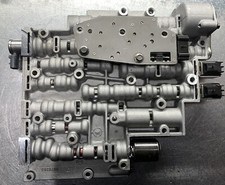
A 1993 or 1994 Chevrolet or GMC half-ton truck, Suburban, Camaro, or Corvette running the 4L60E that shifts harsh, slips between gears, or will not hold the torque converter locked is dealing with one of the oldest valve body designs GM ever used on this transmission. This is a remanufactured, bench-ready 4L60E valve body built specifically for 1993-1994 applications, backed by a 1-year warranty.
What the valve body does in a 4L60E
The 4L60E is GM's 4-speed rear-wheel-drive electronic automatic. The valve body is its hydraulic control center: the pressure regulator sets main line pressure, and the 1-2 and 2-3 shift valves route that pressure to each clutch and band on command from the computer. Every valve rides in a precision bore machined into the aluminum casting, and on a transmission this old, those bores have usually been wearing for three decades, letting pressurized fluid leak past the valves instead of applying the clutches cleanly.
Why 1993-1994 is its own part
The 4L60E replaced the hydraulically-shifted 700R4 as GM's electronically controlled 4-speed automatic starting in the 1993 model year, which makes a 1993 or 1994 unit as early as the 4L60E gets. These first two model years ran the torque converter clutch with simple on/off apply, before GM introduced pulse-width-modulated (PWM) TCC control in 1995 for smoother converter lockup. That means the TCC circuit, solenoid pack, and connector count on a 1993-1994 valve body are built to the earlier control logic and do not interchange with the PWM-era valve body used from 1995 forward. These early units are also the least common on the used market, which is part of why matching the exact casting and connector count matters more here than on later, more standardized years.
Symptoms that point to this part
- Harsh, late, or flared 1-2 or 2-3 shifts
- Torque converter clutch that will not apply, or applies and releases erratically
- Slipping under load or delayed engagement into gear
- Starting out in 2nd gear, or a stored solenoid or ratio code
- Repeated 3-4 clutch or band failure after a rebuild, from low line pressure letting them slip
How to confirm it before you buy
Scan for codes and check fluid condition before buying parts, since burnt fluid points to the clutches rather than the valve body. Our 4L60E valve body bench walkthrough and valve body wear guide both cover how to separate valve body wear from a clutch or band problem before you spend on parts.
Fitment: 1993-1994 4L60E
Because this is the earliest and least standardized 4L60E valve body GM produced, confirm your old unit's connector count and casting number against this listing before ordering, or send us your year, vehicle, and VIN and we will match it for you. The full lineup of 4L60E valve bodies we carry by year, including the 1995 PWM changeover year right after this one, is on the 4L60E parts page.
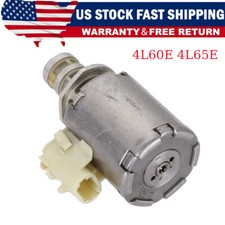
Install notes
Drop the pan, unplug the internal wiring harness, and remove the bolts in the order GM specifies so the check balls stay seated. Install a new filter and pan gasket at the same time so debris from the old unit does not circulate into the new one, and refill with Dexron VI. If the rest of the transmission is due for attention at this mileage, a 4L60E rebuild kit covering 1992-2000 units handles the soft parts, and a 1-2 and 3-4 shift solenoid is worth replacing if yours is original. Let the computer relearn its shift adapts over the first several drives.