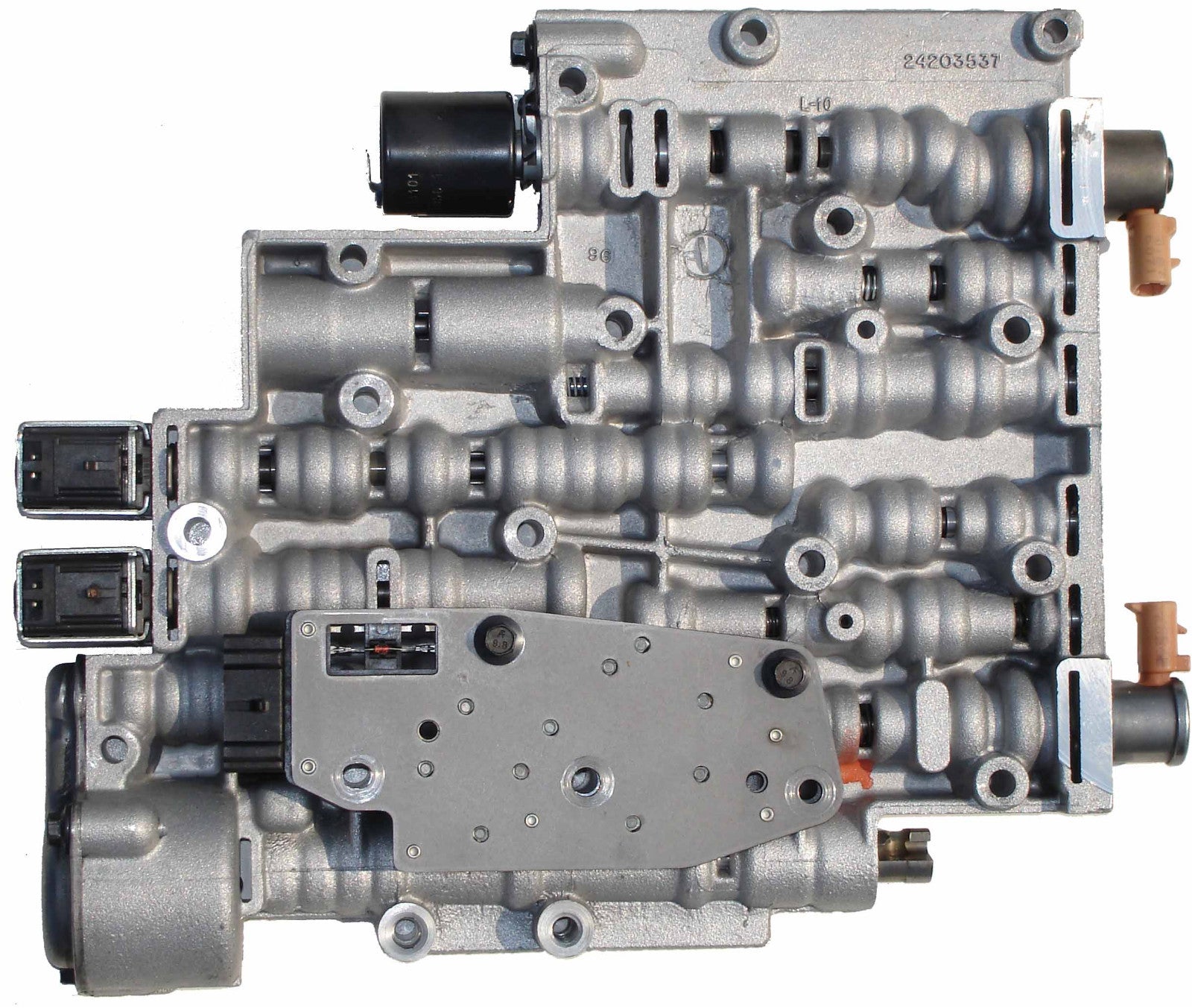
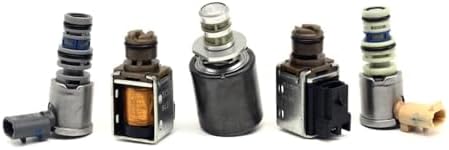
If your 1996-2000 Silverado, Suburban, Tahoe, Sonoma, Camaro, or Corvette behind a 4L60E has started flaring between gears, slipping, or lost 3rd and 4th entirely, the valve body is the most common place that trouble starts. This is a remanufactured 4L60E valve body built specifically for 1996-2000 production, bench-verified before it ships.
What the valve body does on a 4L60E
The valve body is the hydraulic brain of the transmission. Line pressure from the pump runs through the pressure regulator and boost valves, then through the 1-2 and 2-3 shift valves and the TCC apply circuit, all controlled by solenoids the powertrain computer commands. Every one of those circuits lives inside a precision-machined aluminum bore, and on a unit with this much mileage on it, those bores wear. A worn bore lets pressure leak past the valve instead of building clean apply pressure, and that shows up as soft or flared shifts long before anything mechanical actually fails.
Symptoms this valve body addresses
- 1-2 or 2-3 shift flare, or a shift that hangs before it catches
- Slipping between gears, especially under load or going up a grade
- Torque converter clutch slip or shudder, often logged as code P0741
- No 3rd or 4th gear, or the transmission starting out in 2nd
- 3-4 clutch pack failure that keeps coming back after a rebuild, because low pressure cooked the new clutches too
Confirm it before you order
Dark, burnt-smelling fluid points at the clutch packs, not the valve body, so check fluid condition and pull stored codes first. Our valve body wear and bench fix guide covers the vacuum test a rebuilder uses to confirm bore wear by circuit, and the low line pressure guide is the right read if the complaint is harsh engagement and a hot-running converter rather than flare.
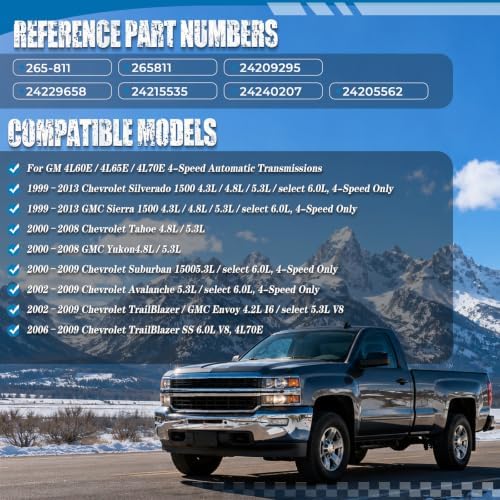
Fitment: 1996-2000, with one thing to check
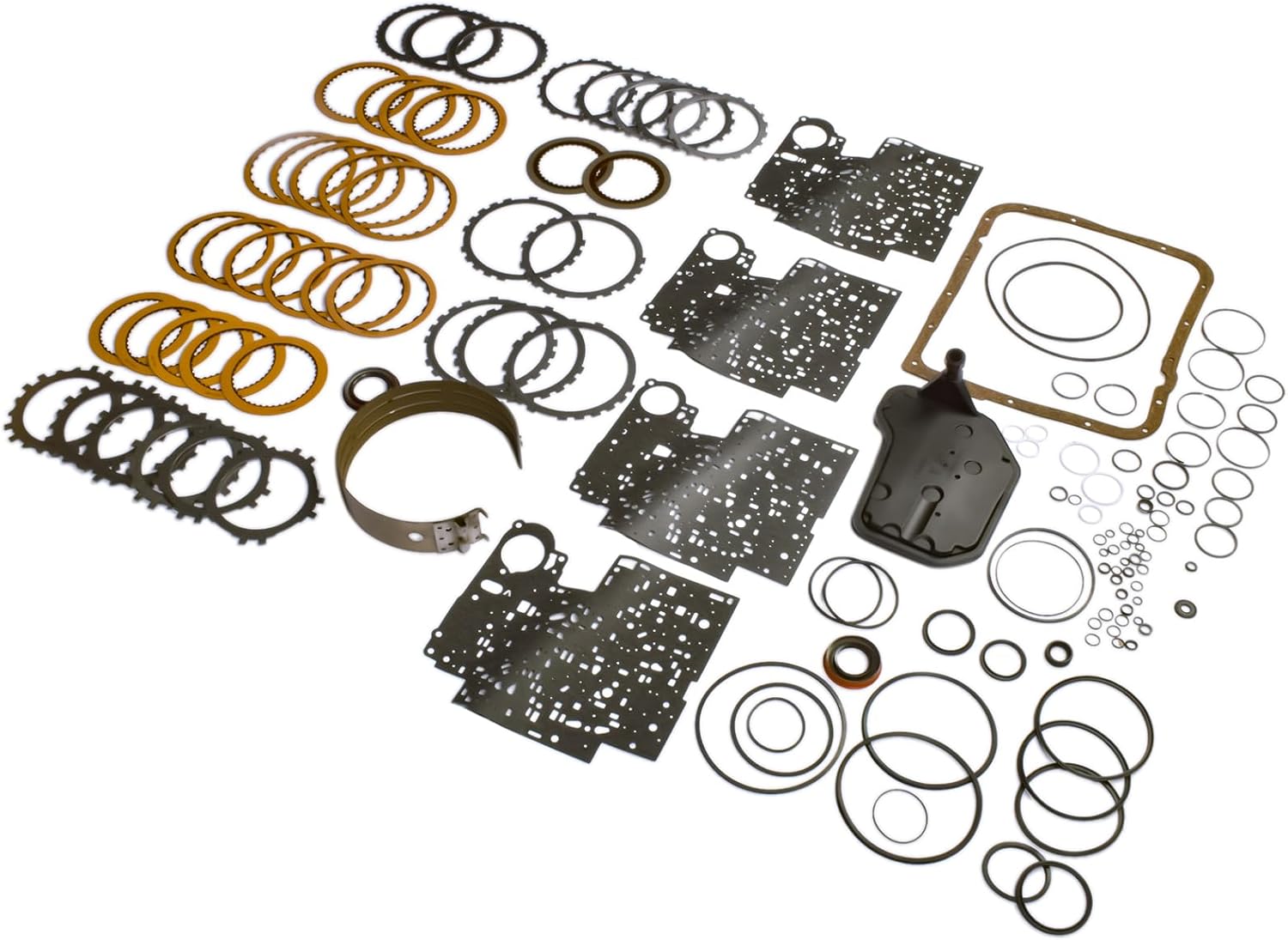
GM carried the same basic 4L60E case and valve body architecture across 1996-2000, but the control electronics were not static through that span: 1998 is when GM's EC3 control strategy became standard, which changed how the computer commands some of the same valves this body carries. We build and verify this part against both sides of that transition, but because connectors and calibration can vary by specific application within any given year, match the casting number and solenoid connector layout on your old unit against the listing photos before ordering, or send us your exact year, vehicle, and VIN and we will confirm fitment. Every other 4L60E year we stock is on the 4L60E parts page.
Install notes
Drop the pan and disconnect the internal harness before pulling the valve body bolts, and keep the plate supported as the last bolts come out so the check balls stay in their pockets. Install a new filter and pan gasket at the same time so debris from the old valve body does not circulate into the new one, torque the bolts in GM's specified sequence, and refill with Dexron VI. Pair the install with a deep aluminum pan if you want added fluid capacity and cooling, and let the computer relearn its shift adapts over the first several drives afterward.