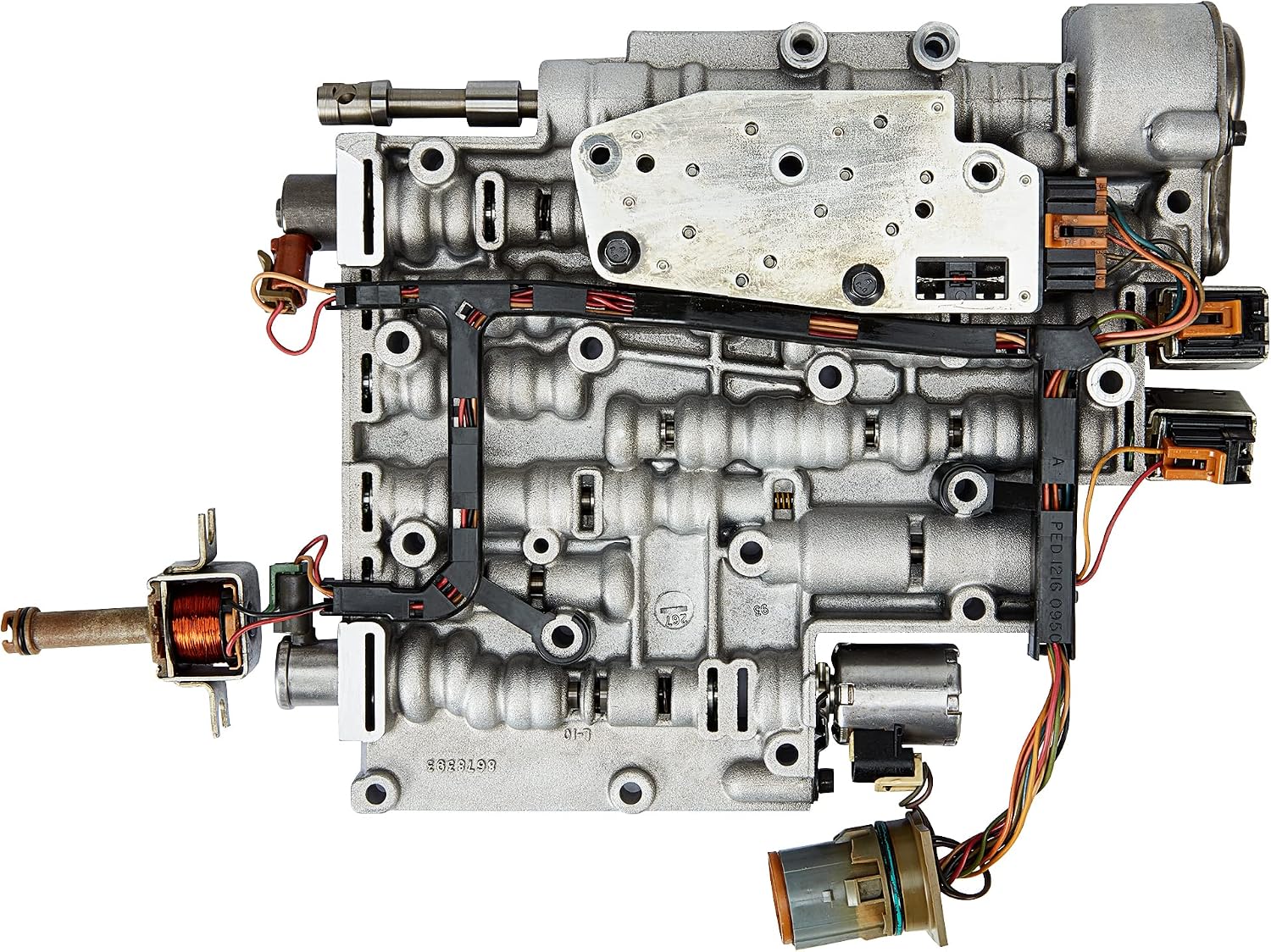
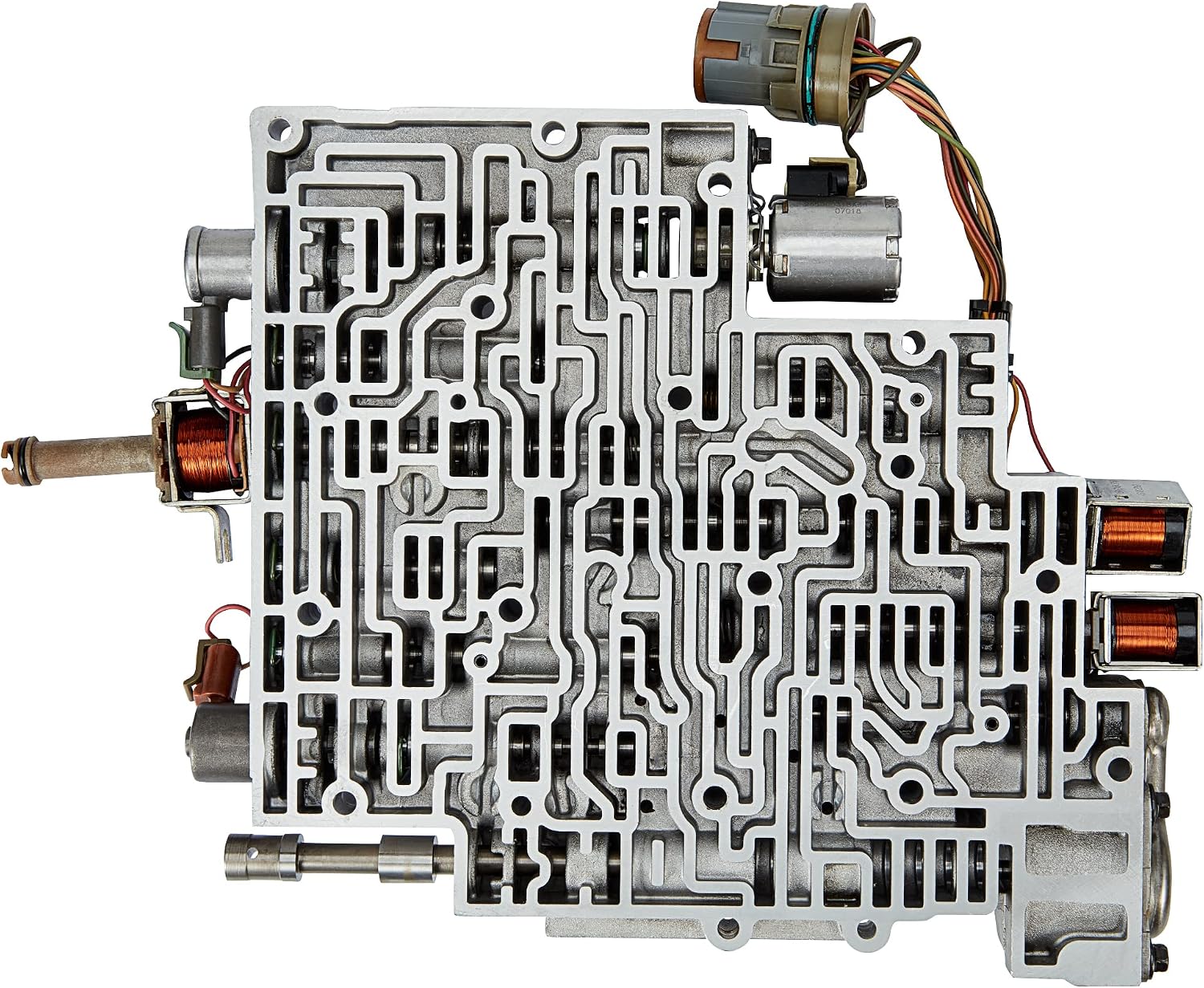
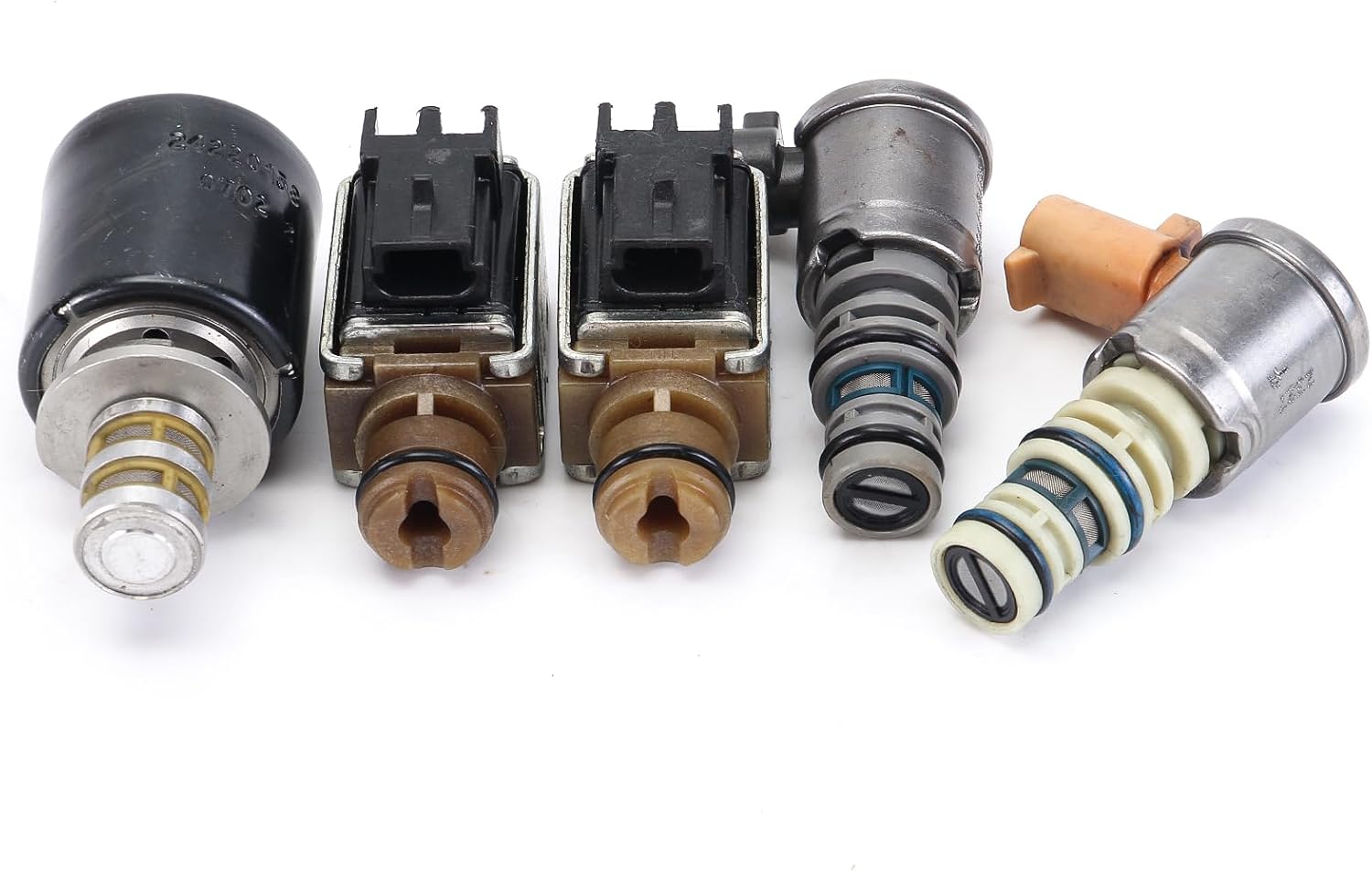
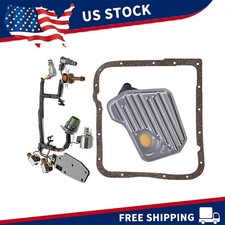
If a 2003-2005 Silverado, Sierra, Suburban, Tahoe, Yukon, Envoy, Jimmy, or full-size van is shifting soft under load, flaring on the 1-2 or 2-3 change, or has a torque converter clutch that will not hold lockup with a stored P1870, the valve body is the part most likely to blame. This is a refurbished, complete 4L60E valve body assembly built for 2003-2005 GM rear-wheel-drive and 4x4 applications, and it also fits the 4L65E from the same years.
What the valve body does in this transmission
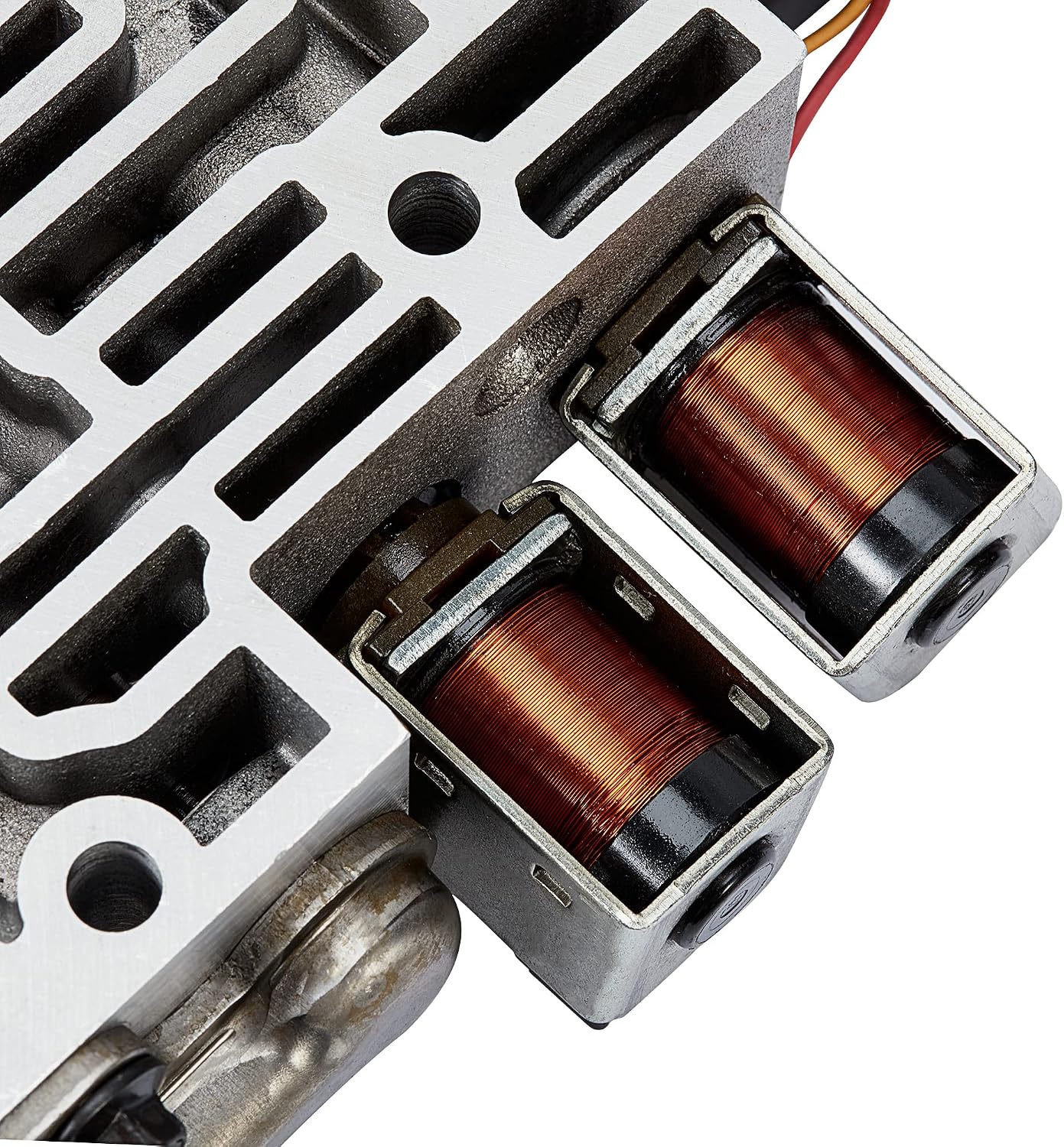
The 4L60E and its heavier-duty sibling the 4L65E route every shift through the valve body. Spool valves sliding inside aluminum bores set main line pressure and direct it to each clutch and band, while the TCC regulator and isolator valves control how hard the torque converter clutch locks up. On 2003-2005 units the shift solenoids and TCC solenoid mount directly to this casting, so the valve body is also where the computer's shift commands turn into actual hydraulic pressure.
Symptoms this assembly addresses
- A flare or soft feel on the 1-2 or 2-3 upshift
- Torque converter clutch shudder, slip, or a stored P1870 code
- Harsh or inconsistent shifts that change as the fluid warms up
- A rebuilt transmission that came back with the same shift complaint, because the valve body was the part left untouched
Most 4L60E and 4L65E valve bodies fail the same way: the aluminum bores wear oval where the valves stroke thousands of times a day, and once a bore is oval the valve bleeds pressure no matter what springs or shift kit sit inside it. Our valve body wear guide covers how that wear pattern develops and why reusing the same casting rarely holds.
Confirming the diagnosis before you order
A P1870 code with a converter that runs hot, or a shift feel that gets worse the longer the truck drives, both point at bore wear rather than a solenoid alone. The bench walkthrough on our blog shows the vacuum and flow tests a rebuilder uses to separate a worn valve body from a good one before spending on parts.
Fitment: 2003-2005 4L60E and 4L65E
This assembly is built for 4L60E and 4L65E units in 2003-2005 GM trucks, SUVs, and vans, both RWD and 4x4. The 4L60E changed internally more than once over its production run, and 2003-2005 valve bodies differ from the earlier and later versions, so compare the solenoid positions and harness routing on your old unit against this one before bolting it in. The full 4L60E lineup we stock by year is on the 4L60E parts page.
Install notes
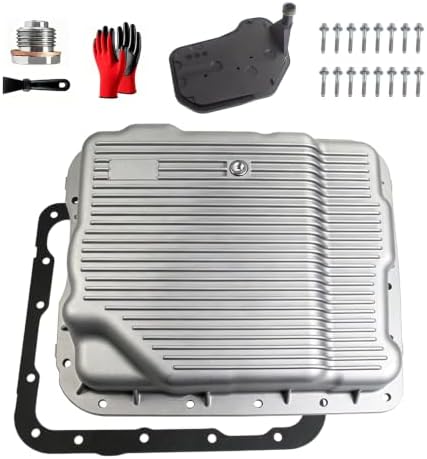
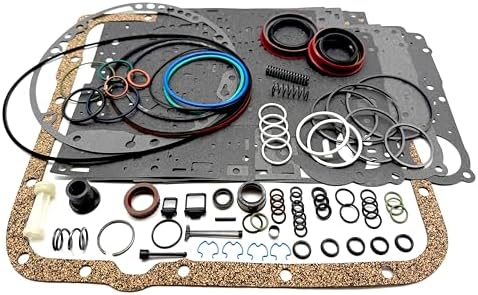
Drop the pan and filter, disconnect the case connector and solenoid leads, then remove the valve body bolts in sequence while holding the separator plate so the check balls stay in the case. Confirm every check ball is present before setting the new assembly in place, torque the bolts evenly so the casting seats flat against the plate, and reconnect the harness. Install a gasket and seal overhaul kit with it, refill with Dexron VI, and verify line pressure before the vehicle goes back on the road. If the EPC solenoid is original, swap it for a GM pressure control solenoid while the pan is down.