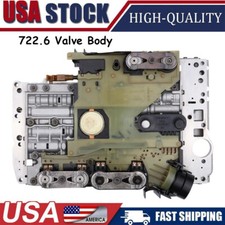
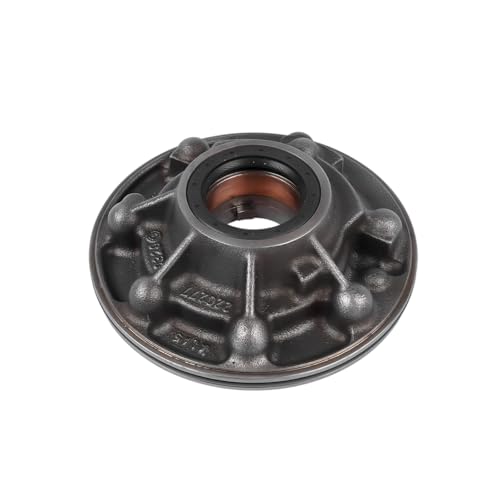
2000 through 2004 sits at the front end of the 722.6's long production run, before the running changes Mercedes-Benz made to the valve body later in the decade. If a C-Class, E-Class, S-Class, M-Class or CL-Class from this early window is slipping, shifting hard, or has dropped into limp mode, this valve body is remanufactured to the casting used on that early build.
What the valve body does in a 722.6
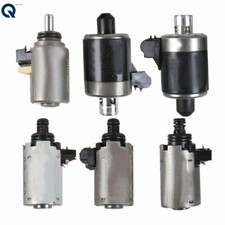
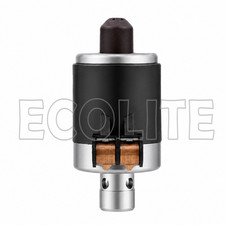
The 722.6 is a five-speed electronically controlled automatic, and its valve body is the hydraulic switchboard that turns the transmission control module's commands into actual clutch apply pressure. Pump flow passes through a bank of precision-bored passages and spool valves bolted together with a conductor plate carrying the shift and pressure-control solenoids; wear in any one of those bores lets pressure bleed off before it reaches the clutch pack it was meant for.
Symptoms on an early-build 722.6
- Harsh or flared 2-3 and 4-5 shifts
- Slipping or delayed engagement once the fluid is hot
- Torque converter clutch shudder at steady highway speed
- Limp mode with a stored pressure-control or shift-solenoid fault
How to confirm it before you order
On this early run, the most common cause of limp mode is not the valve body at all - it is the conductor plate's integrated speed sensors going open-circuit, a known weak point documented by Mercedes-Benz dealers and independent shops alike. Rule that out first with our 722.6 speed sensor symptoms guide. If the sensors and connector check out and the transmission is still shifting hard or slipping, the 722.6 valve body symptoms and testing guide covers the vacuum-test method that isolates which bore inside this valve body has worn.
Fitment
This valve body is remanufactured to the 722.6 casting used across 2000-2004 production, which covers the C-Class, E-Class, S-Class, M-Class and CL-Class built in that window - the GL-Class had not launched yet, so it is not part of this early range. Mercedes-Benz specifies a 236-series ATF for this transaxle, and the exact spec changed more than once over its production life, so confirm which one your service records call for rather than assuming. Match the connector pin count and casting marks in the photos against your own unit, or send your VIN, before ordering. The 722.6/722.9 transmission parts collection carries later year ranges if your build falls outside 2000-2004.
Install notes
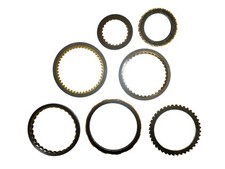
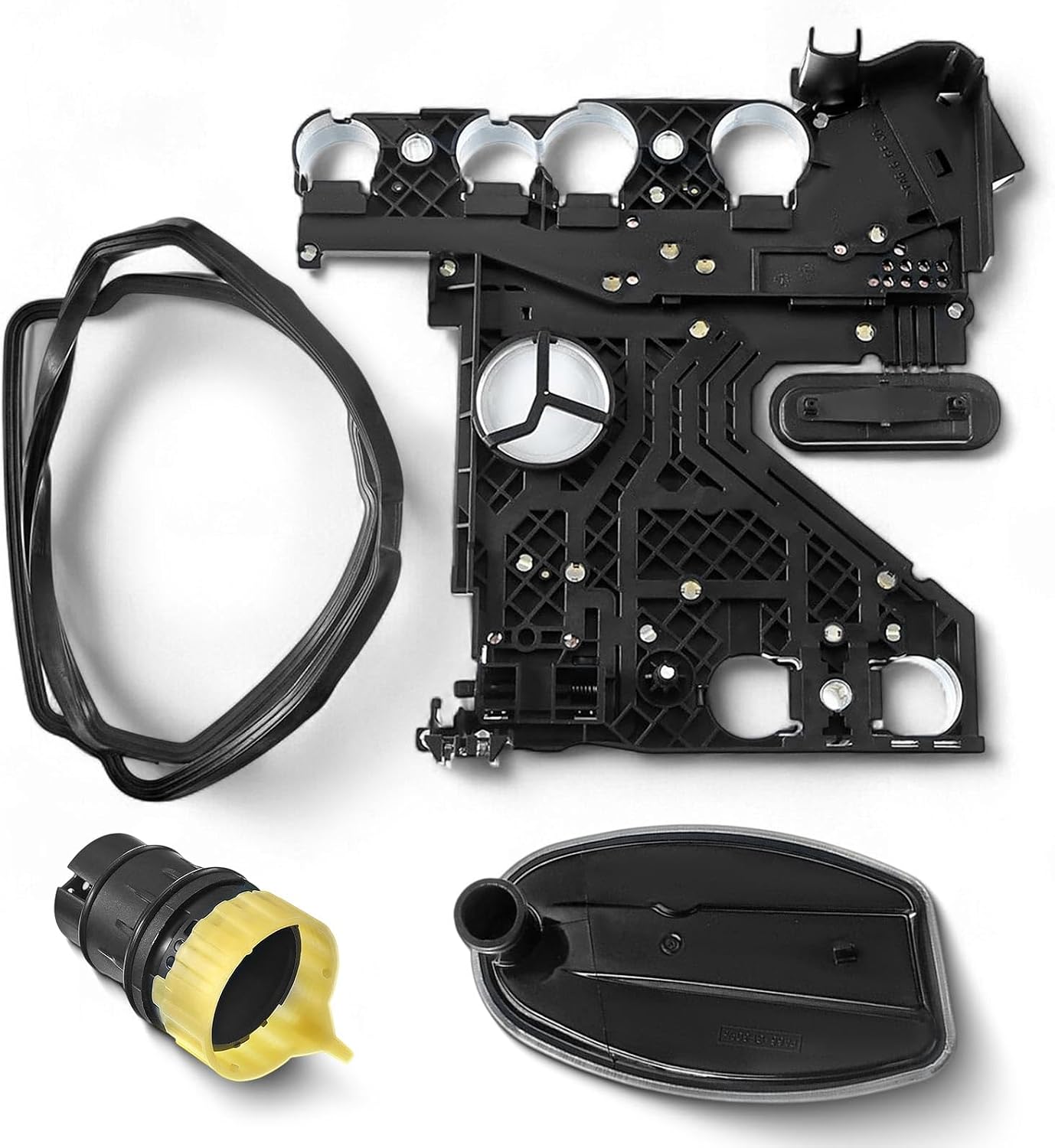
Replace the conductor plate at the same time if its sensors are original and have not already been tested, since it sits on the same mounting bolts as the valve body and failing it a second time means pulling the pan again. Remove the bolts in a crossing pattern so the separator plate and check balls stay seated, refill with the correct 236-series fluid at operating temperature through the fill plug, and run the adaptive relearn through a mix of light and moderate throttle. The 722.6 conductor plate, filter and gasket kit covers that in one order, and the 722.6 clutch module is worth inspecting if the transmission was slipping under load before these symptoms began.