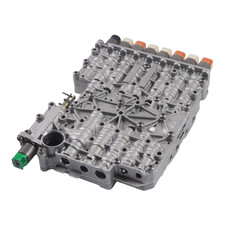
The ZF 8HP90 is the high-torque member of the ZF eight-speed automatic family, built to carry considerably more torque than the 8HP70 below it in the lineup - it is the transmission behind the 707-hp Dodge Challenger and Charger Hellcat. When an 8HP90 starts hanging on a shift, bangs into gear, shudders at steady throttle, or throws a solenoid or pressure code, the valve body is the most common point of failure, and replacing it as a tested assembly is usually the repair that actually holds.
What the valve body does in the 8HP90
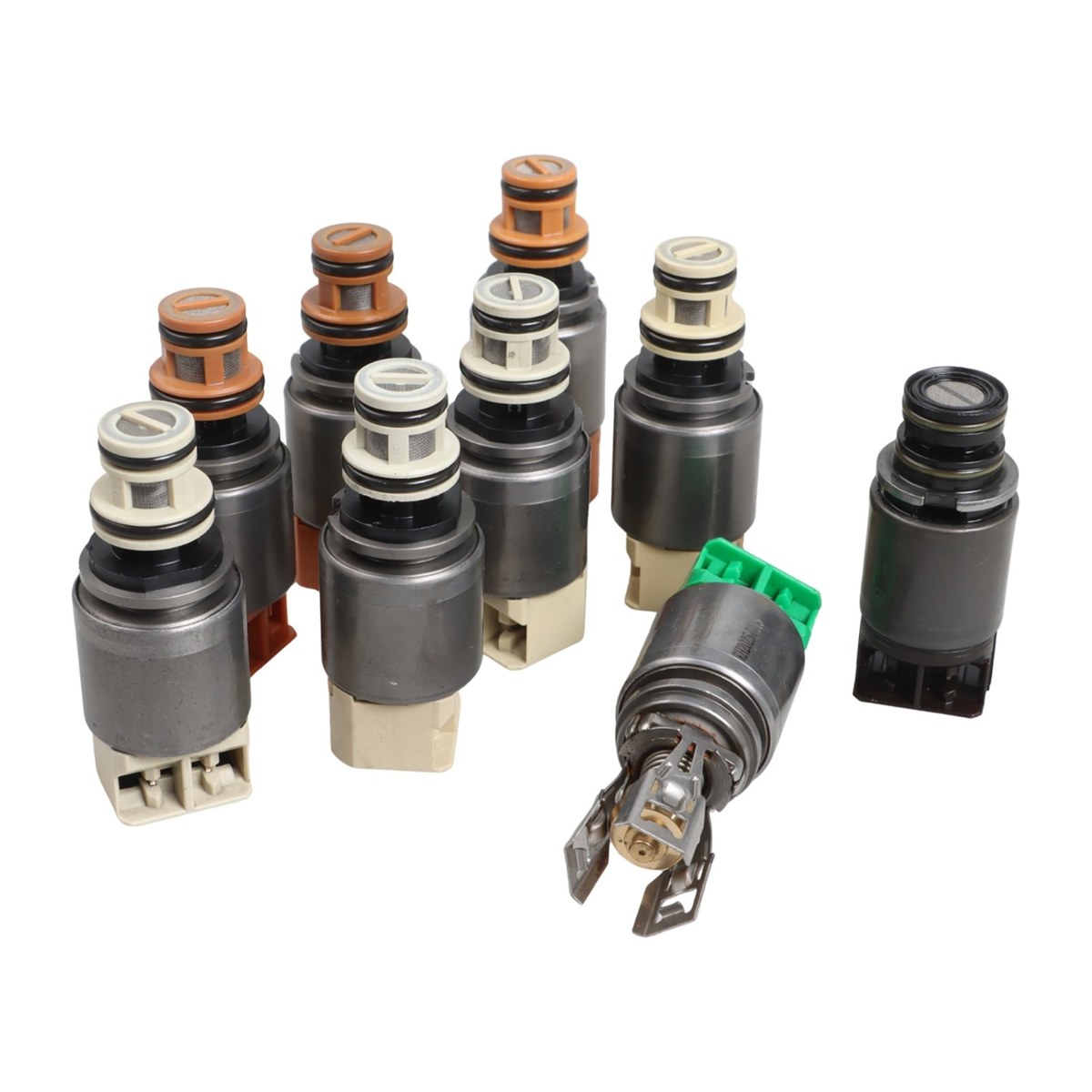
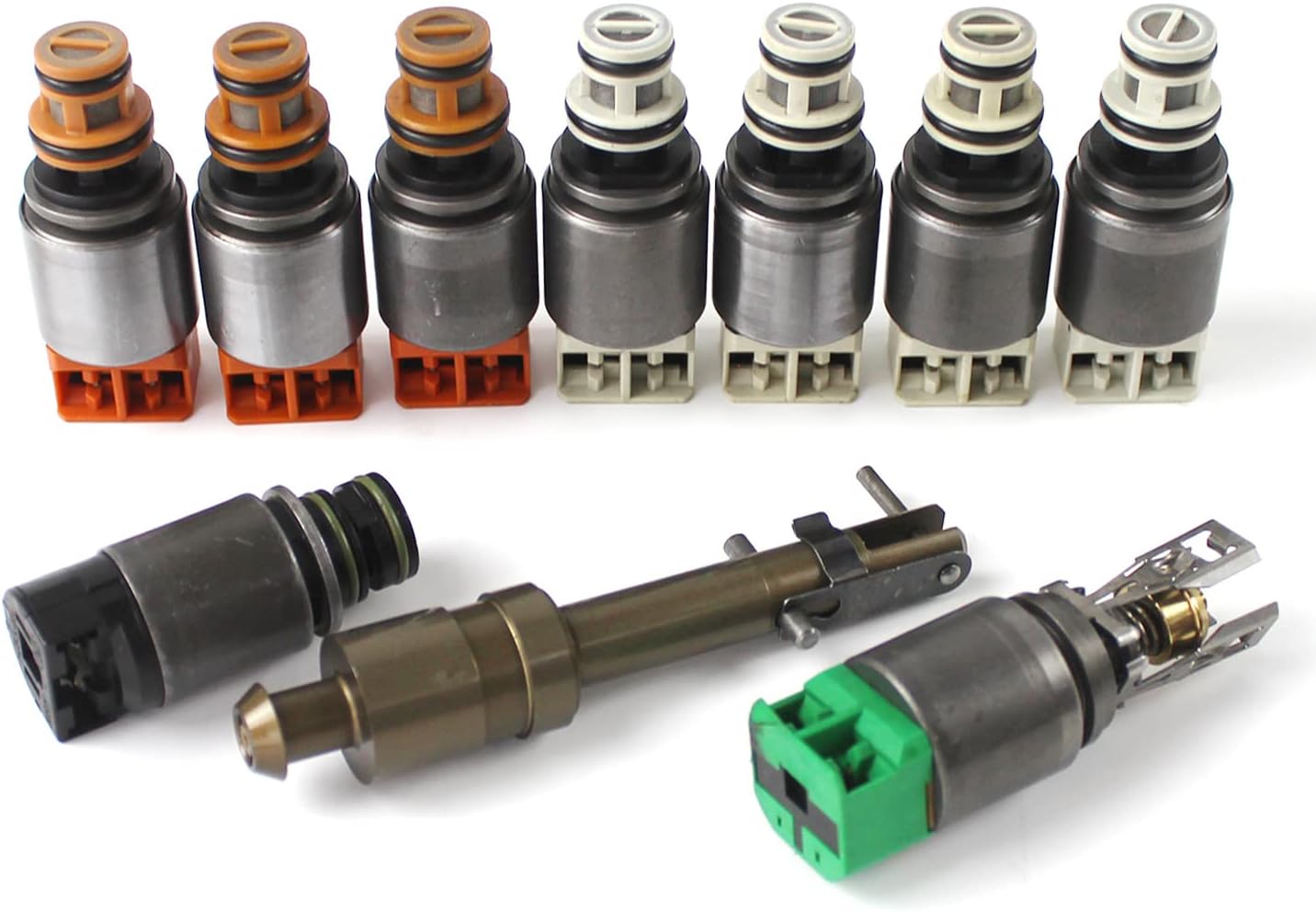
Like the rest of the ZF eight-speed lineup, the 8HP90 routes line pressure through a stack of precision bores and spool valves in the valve body to apply each clutch and band, and the shift and pressure-control solenoids mounted on it are what the transmission control module uses to time every shift. Because the 8HP90 runs higher line pressures to hold its higher torque rating, worn bores and tired solenoid seals tend to show up sooner and harder than they do on the lower-torque 8HP45 or 8HP70. Our ZF8HP common problems guide covers the wear pattern across the whole eight-speed family.
Symptoms
- Harsh, late or flared shifts, especially under load
- Slipping between gears or a missing upshift
- Torque converter clutch shudder or slip at cruise
- Delayed engagement from park or neutral
- Limp mode with a stored pressure or solenoid performance code
How to confirm it before you order
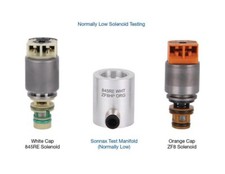
Pull codes and check the fluid level and condition before replacing the valve body - low or burnt fluid produces nearly identical symptoms and costs nothing to rule out first. Our valve body wear and bench-fix guide walks through the vacuum test shops use to isolate exactly which bore is leaking, and our EPC solenoid symptom guide covers testing a single solenoid when the complaint tracks to one gear or one clutch circuit rather than the whole transmission.
Fitment
This valve body fits the ZF 8HP90. Confirm your application against your transmission's stamped tag code and original part number before ordering - the 8HP90 ran through several production updates, and the related 8HP95 used in the Jeep Grand Cherokee Trackhawk and Dodge Durango SRT Hellcat is a different, higher-capacity unit that is not interchangeable with this one. If you are not sure which you have, send us your year, make and VIN and we will confirm before you order. See the full ZF 8HP parts collection for the rest of what we stock across the eight-speed family.
Install notes
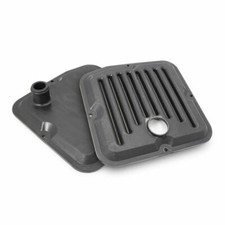
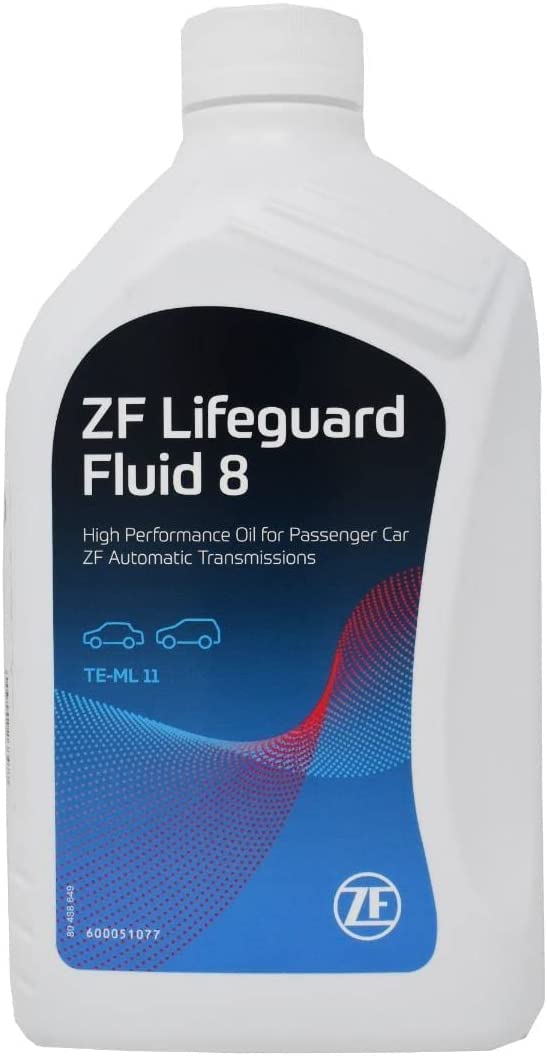
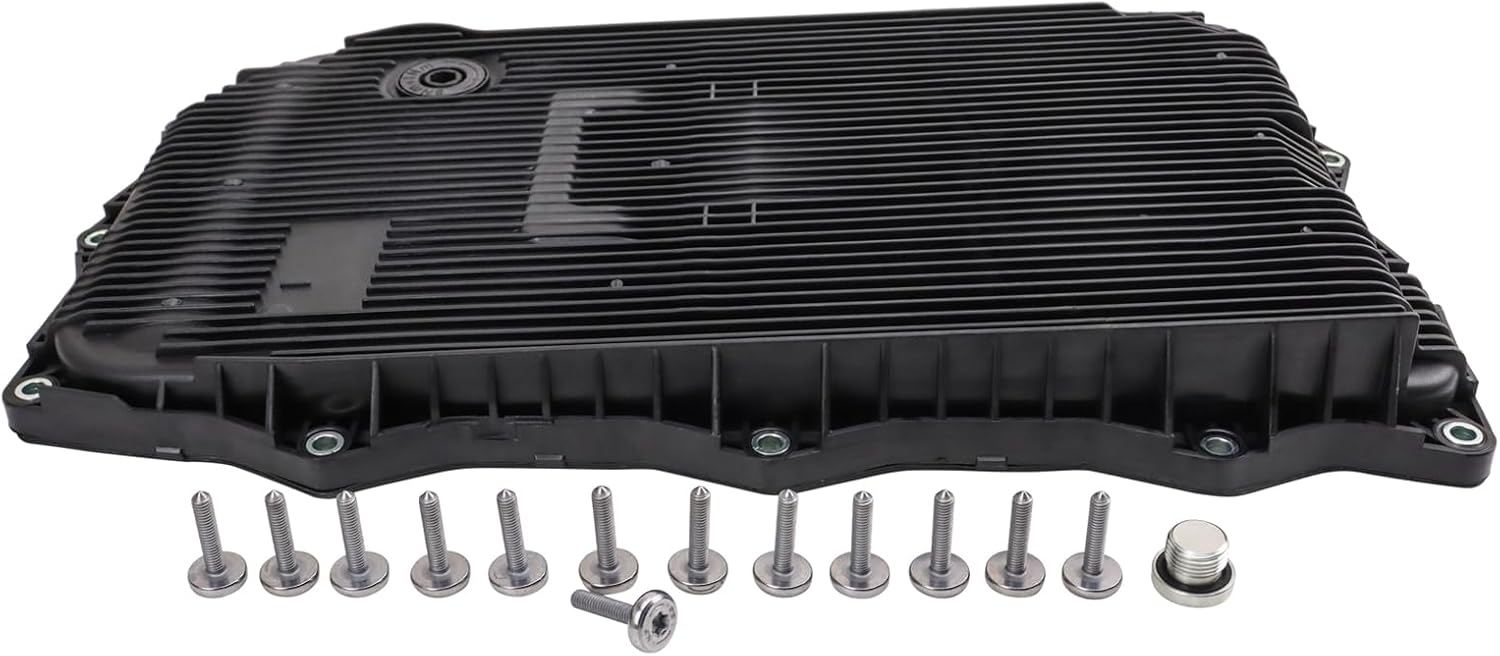
Drop the pan and filter before pulling the valve body so debris from the failing unit does not recirculate through the new one, and torque the valve body bolts in sequence to spec rather than all at once. Refill with ZF Lifeguard 8 ATF and set the level correctly at operating temperature - a ZF Lifeguard 8 service fill covers that in one part. Run the adaptive relearn with a scan tool once everything is buttoned up; on a higher-output application like this, skipping the relearn is the most common reason a freshly installed valve body still shifts firm or flares for the first several miles. If the transmission has been run hot in the past, a ZF8HP transmission cooler is worth adding at the same time so the new valve body does not inherit the same heat damage.