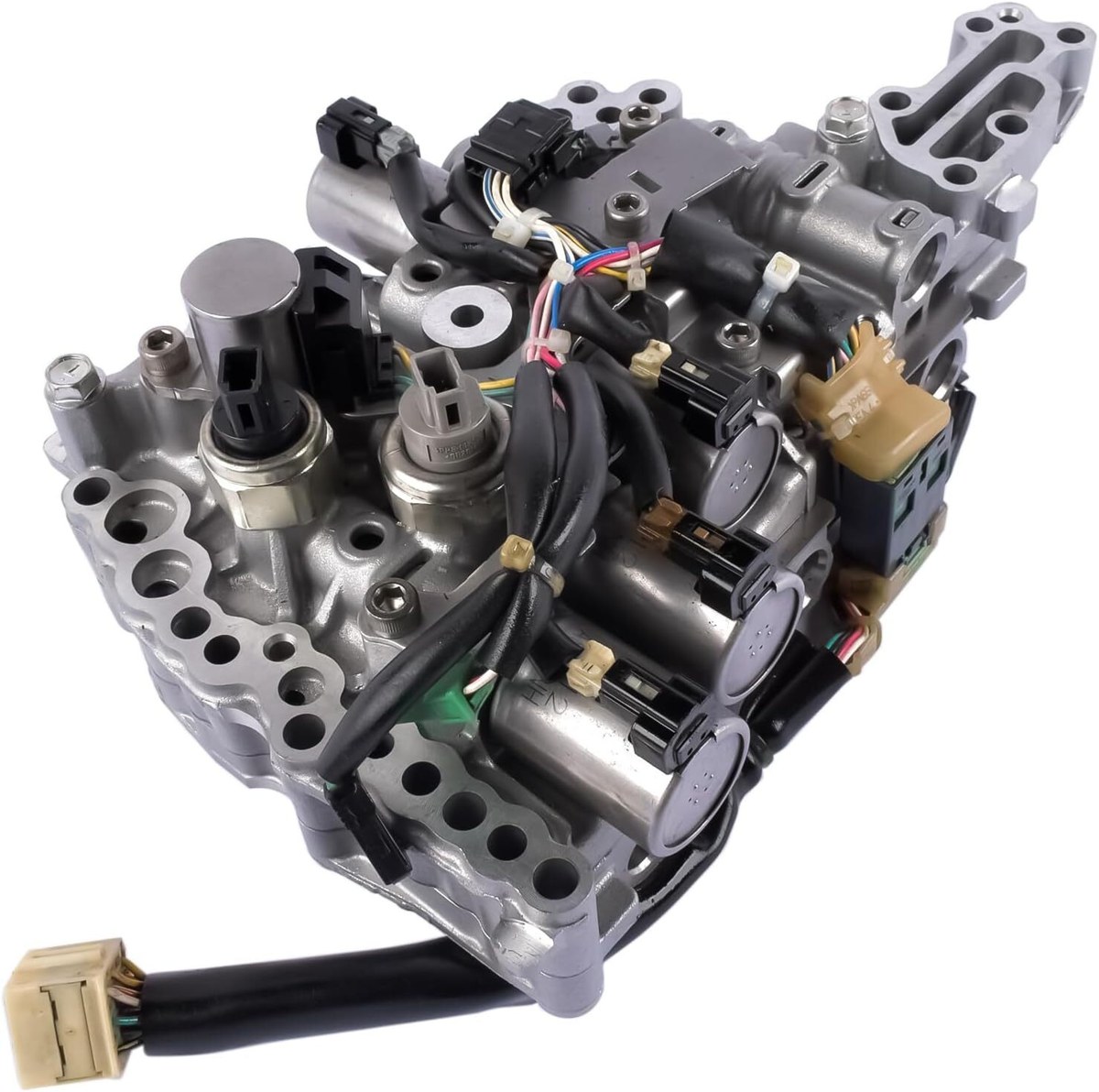
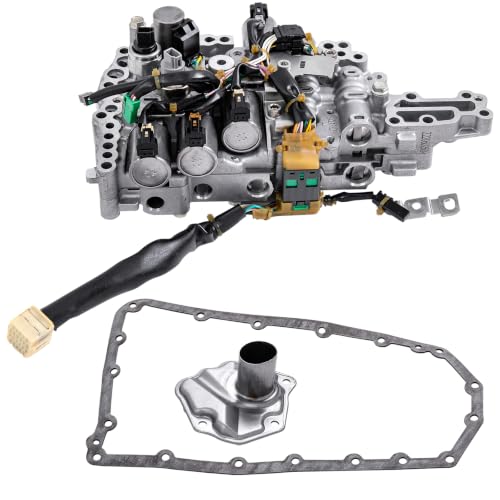
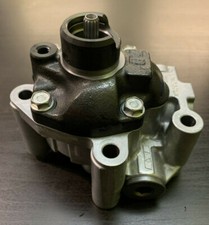
Owners of 3.5L V6 Nissans and Infinitis from 2013 through 2019 often land on the valve body after a shop rules out fluid and finds a converter that will not lock smoothly, a shudder around 30 to 50 mph, or a CVT that feels like it slips when towing or climbing. This remanufactured JF017E valve body is priced well below a dealer replacement and gives you a rebuilt hydraulic unit for the 2013-19 range instead of a gamble on a used core.
What the valve body does in a JF017E
The JF017E (Nissan code RE0F10E) is the heavier-duty sibling of the four-cylinder JF016E, built to handle V6 torque in vehicles like the Pathfinder and QX60 that are often loaded with passengers or pulling a trailer. Its valve body regulates the oil that clamps the steel belt between the primary and secondary pulleys and sets ratio, and it houses the lock-up control plunger valve that applies the torque converter clutch. More torque means higher clamping demand, so a regulator that bleeds off a little pressure shows up as slip or shudder faster on this unit than on a lightly loaded car.
Symptoms of a worn JF017E valve body
- Converter shudder or vibration at steady cruise once lock-up engages
- Torque converter clutch apply codes, or a converter that overheats and burns its lining
- Slip or flare under load, most noticeable towing, merging or on grades
- Fluid running hotter than normal as pressure leaks internally
- Harsh or delayed engagement into Drive or Reverse when the fluid is warm
Sonnax ties converter shudder, burnt converters and TCC apply codes on this family directly to wear in the lock-up control sleeve bore, one of the areas a remanufactured body addresses. The CVT failure patterns guide compares how this failure looks next to belt and pulley wear.
How to confirm it before you buy
Rule out fluid first: check level at temperature and look at its color and smell, since worn or wrong fluid can produce shudder by itself. Pull codes and use a scan tool to watch commanded versus actual lock-up and pulley pressures. A shudder that appears only when the TCC is commanded on, with clean fluid, points to the lock-up circuit in the valve body; slip that persists with lock-up off and metal in the pan points toward the belt and pulleys, which is a bigger job. For the full inspection order, see our Jatco CVT problems and fixes guide.
Fitment
This valve body is listed for the JF017E in 2013-2019 production, the V6 CVT used behind the 3.5L in the Pathfinder, Murano, Maxima and Infiniti QX60. It does not fit the four-cylinder JF016E (RE0F10D) in the Altima and Rogue. Valve body revisions and TCM calibrations changed during that run, so match your transmission tag (RE0F10E), connector and casting, or send us your year, make, model and VIN to verify before ordering. Early units can also use the JF017E valve body for 2012-14, and every option is on the CVT parts collection.
Install notes
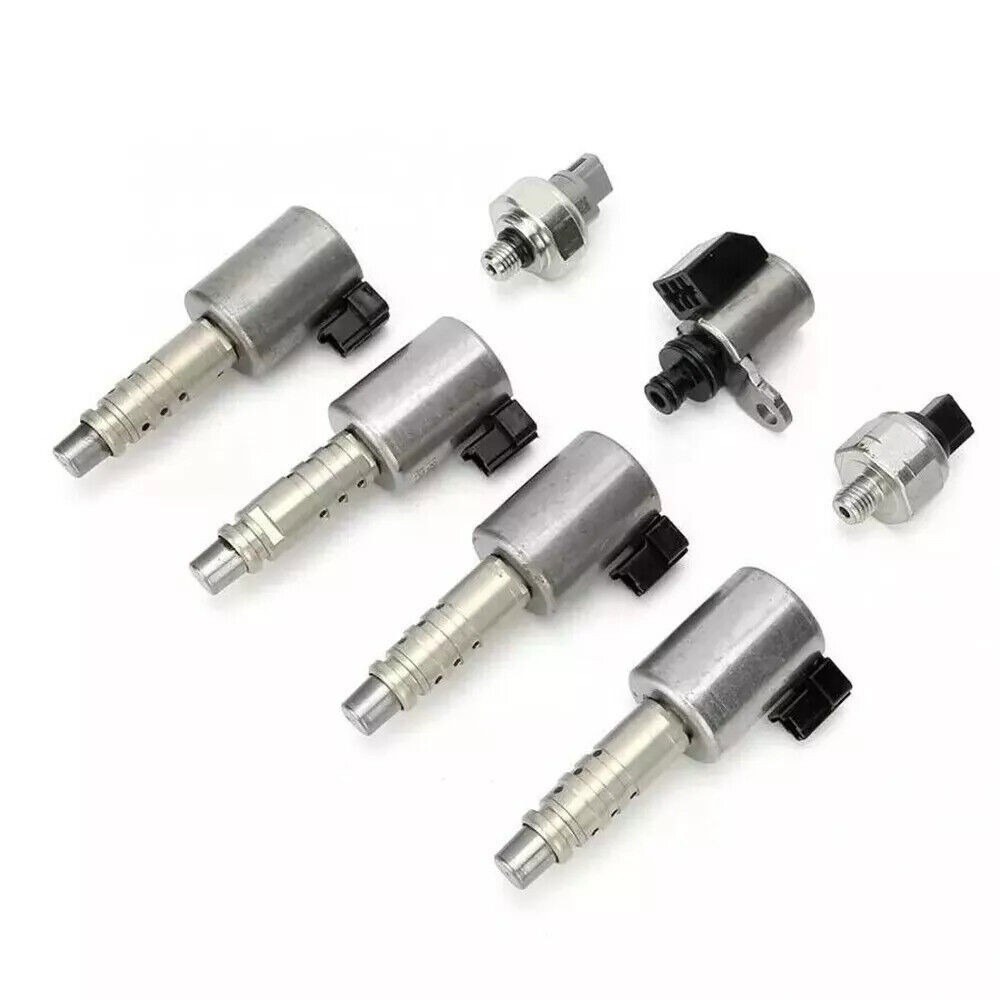
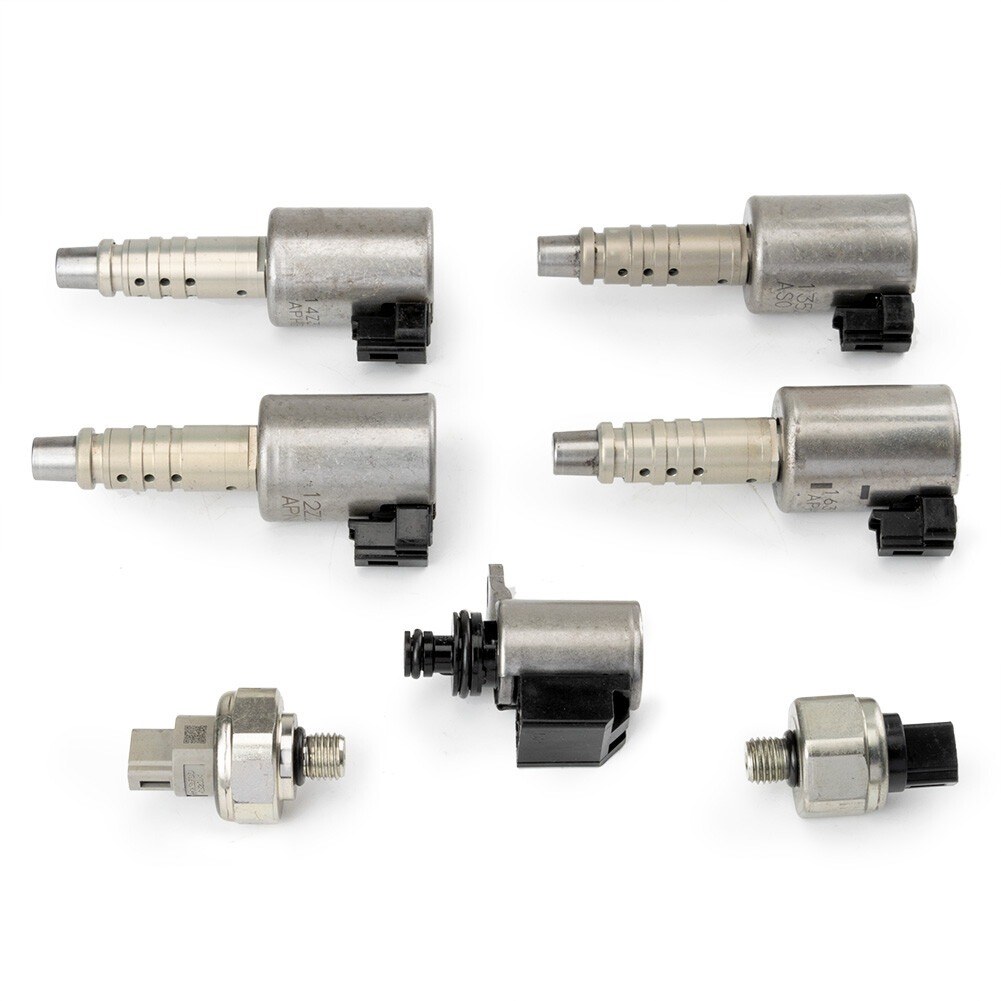
Drop the pan with the transmission in the vehicle and inspect it before going further; heavy steel on the magnet means pulley or bearing damage beyond the valve body. Unplug the harness, remove the body, and keep the bolts in order since lengths vary. Install a new strainer and pan gasket, then torque the replacement body in the factory sequence. Refill with Nissan NS-3 CVT fluid, set the level at the specified temperature, clear codes and run the CVT learning procedure followed by a road test. If the converter clutch circuit was the original complaint, consider a JF017E TCC solenoid while the pan is off, and a JF017E filter and gasket kit covers the service parts in one box.