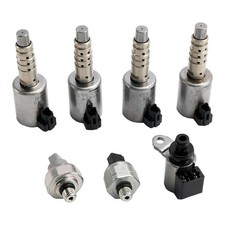
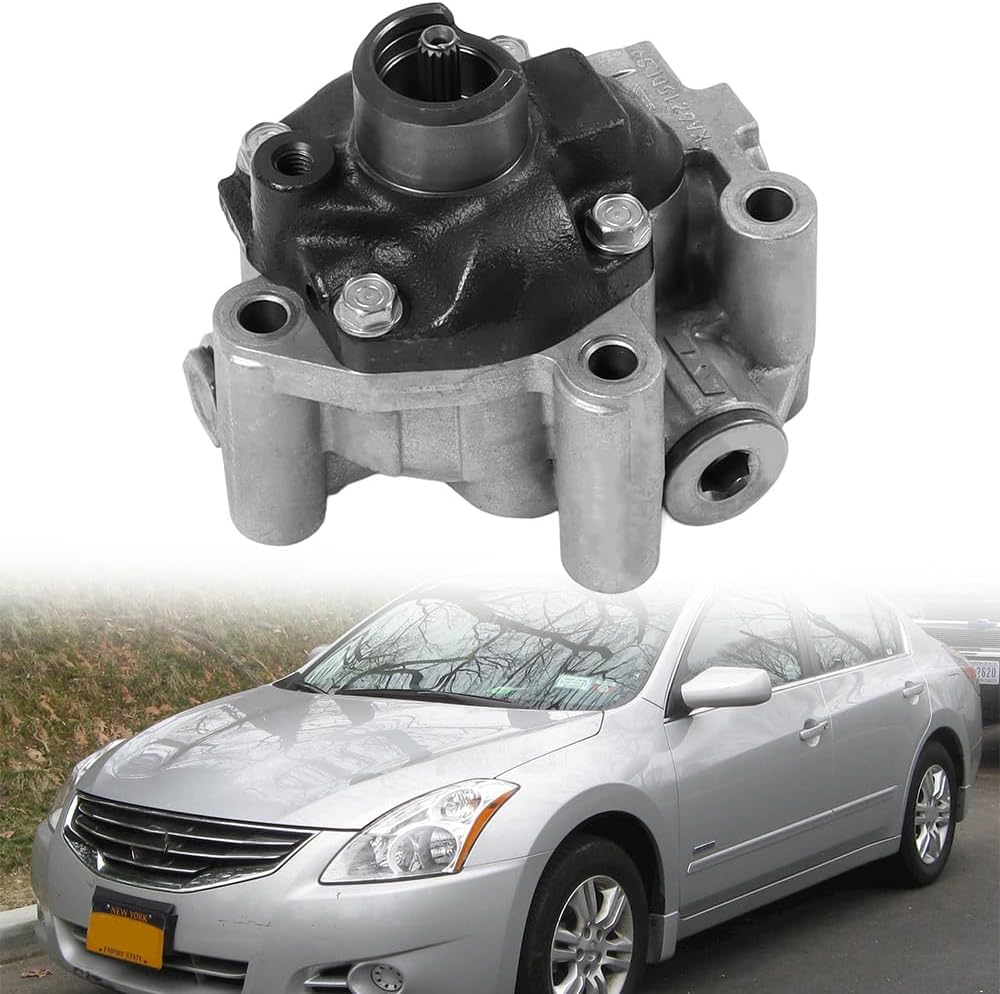
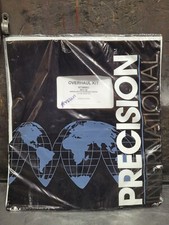
A Pathfinder, Murano, Maxima, Quest or Infiniti QX60 3.5L that judders on light throttle, slips when pulling away or engages late into Drive is usually carrying a Jatco CVT8, the JF017E that Nissan tags RE0F10E. This master rebuild kit is the clutch and soft-parts package for overhauling that unit, and the listing also covers its 2.5L sibling, the JF016E (RE0F10D). In the box you get forward clutch and reverse brake friction plates, the matching steel plates, and the gaskets, lip seals, O-rings and sealing rings needed to reseal the case.
What the master rebuild kit does in a JF017E or JF016E
The CVT8 drives through a steel push belt running between a primary and a secondary pulley. Ahead of the pulleys sits a planetary set with two clutch packs: the forward clutch for Drive and the reverse brake for Reverse. On the JF017E a single select solenoid sets the pressure to both packs, while separate linear solenoids control line pressure and the primary and secondary pulley pressure. That means every complaint in this transmission is ultimately a pressure complaint. Worn frictions slip on engagement, and hard or cut sealing rings leak the pulley and clutch circuits so the belt clamp and the apply both get weaker. A master kit renews the clutch packs and the seals in those circuits during one teardown.
Symptoms that point to an overhaul
- Judder or shudder on light acceleration, often between 20 and 40 mph
- Delayed engagement or slipping in Drive and Reverse
- RPM flare on takeoff or under load, with poor acceleration
- Nissan judder codes P17F0 or P17F1 on 2013-2015 V6 Pathfinder and Altima, 2015 Murano and Quest, and 2016 Maxima
- Burnt fluid, friction debris or metal on the magnet, and leaks from more than one seal
How to confirm before you order
Start with the bulletin. Nissan NTB15-014C covers those judder codes on the early V6 CVT8 builds, and on many of them the first fix is a TCM reprogram, not a teardown. P17F1 points to the control side, while P17F0 points inside the transmission. Next, pull a fluid sample and check the pan. Clean fluid with a code that clears after reprogramming is a software story; dark fluid with metal on the magnet means internal wear. Sonnax also ties delayed engagement, low line pressure and push belt slippage to worn regulator and pulley reducing valve bores, so vacuum test the valve body during the rebuild. Our CVT harsh or delayed shifts guide and the Jatco CVT Nissan problems and fixes guide cover the full diagnostic order.
Fitment
The listing covers the JF017E / RE0F10E and JF016E / RE0F10D. GEARS Magazine places the JF017E in the 2013-2018 Altima 3.5L, 2013-2018 Pathfinder, 2015-2018 Murano, 2015-2018 Quest and 2014-2018 QX60 with the 3.5L, and the listing adds the JX35 and the 2016-up Maxima. The JF016E side covers 2.5L Altima and Rogue applications. Plate counts and seal sizes can differ between the 2.5L and 3.5L units, so match the RE0F10D or RE0F10E code on the transmission tag before ordering, or send us your year and VIN. Older 3.5L units with the RE0F09A need the JF010E master rebuild kit. Browse all CVT8 parts on the CVT transmission parts page.
Install notes
- Inspect the belt and both pulley faces first. Scored sheaves or a stretched belt mean the unit needs hard parts beyond this kit.
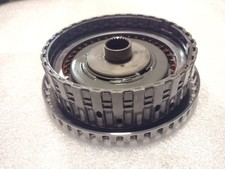
- Check the forward clutch drum for wear on the piston bore and splines; a replacement JF017E clutch drum is available if yours is damaged.
- Soak the new frictions, then set forward clutch and reverse brake clearance with the new steels.
- Replace every sealing ring on the pulley and clutch feeds. The kit does not include a filter, so fit a new one on reassembly.
- If the valve body fails a vacuum test, a JF017E / RE0F10D valve body is the cleaner fix.
- Fill with Nissan CVT Fluid NS-3 only, check the level hot, then clear codes and confirm the TCM software is current before the road test.