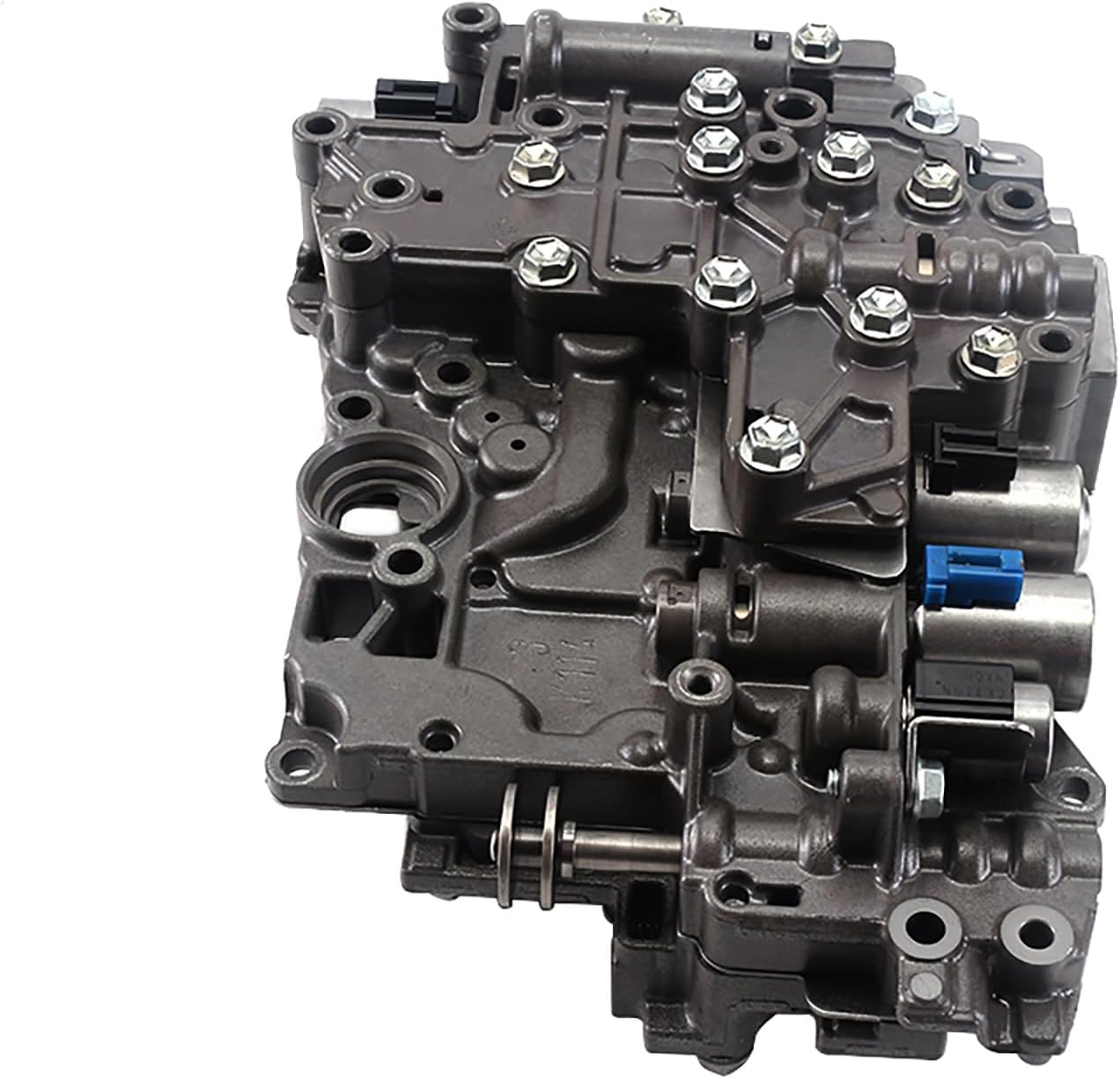
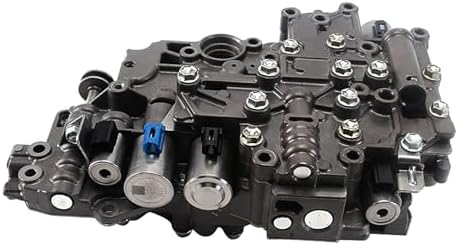
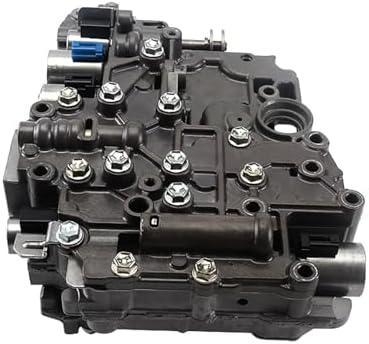
A belt that slips under throttle, a shudder at light cruise, drifting line pressure, or pressure-ratio codes that keep returning after a solenoid or fluid service are the usual reasons an Aisin K114 CVT ends up here. This is a complete replacement valve body for the K114, the aluminum body machined with its spool valves fitted and ready to bolt to the case.
What the valve body does in the K114
The K114 is a belt-and-pulley continuously variable transaxle, and like any CVT it has no fixed gear ratios to fall back on if hydraulic control slips - the valve body holds primary and secondary pulley clamping pressure steady while the pulleys change ratio on the move, and on electronically controlled units it also houses the shift and pressure solenoids the computer uses to adjust that ratio. Once the aluminum bores wear or a spool scores, pressure control gets inconsistent and no amount of fresh fluid or a solenoid swap fixes it - the bore itself has to be replaced.
Symptoms on the K114
- Belt or chain slip under throttle
- Shudder at light, steady cruise
- Line pressure that drifts rather than holding steady
- Pressure-ratio codes that return after a solenoid or fluid service
How to confirm it before you order
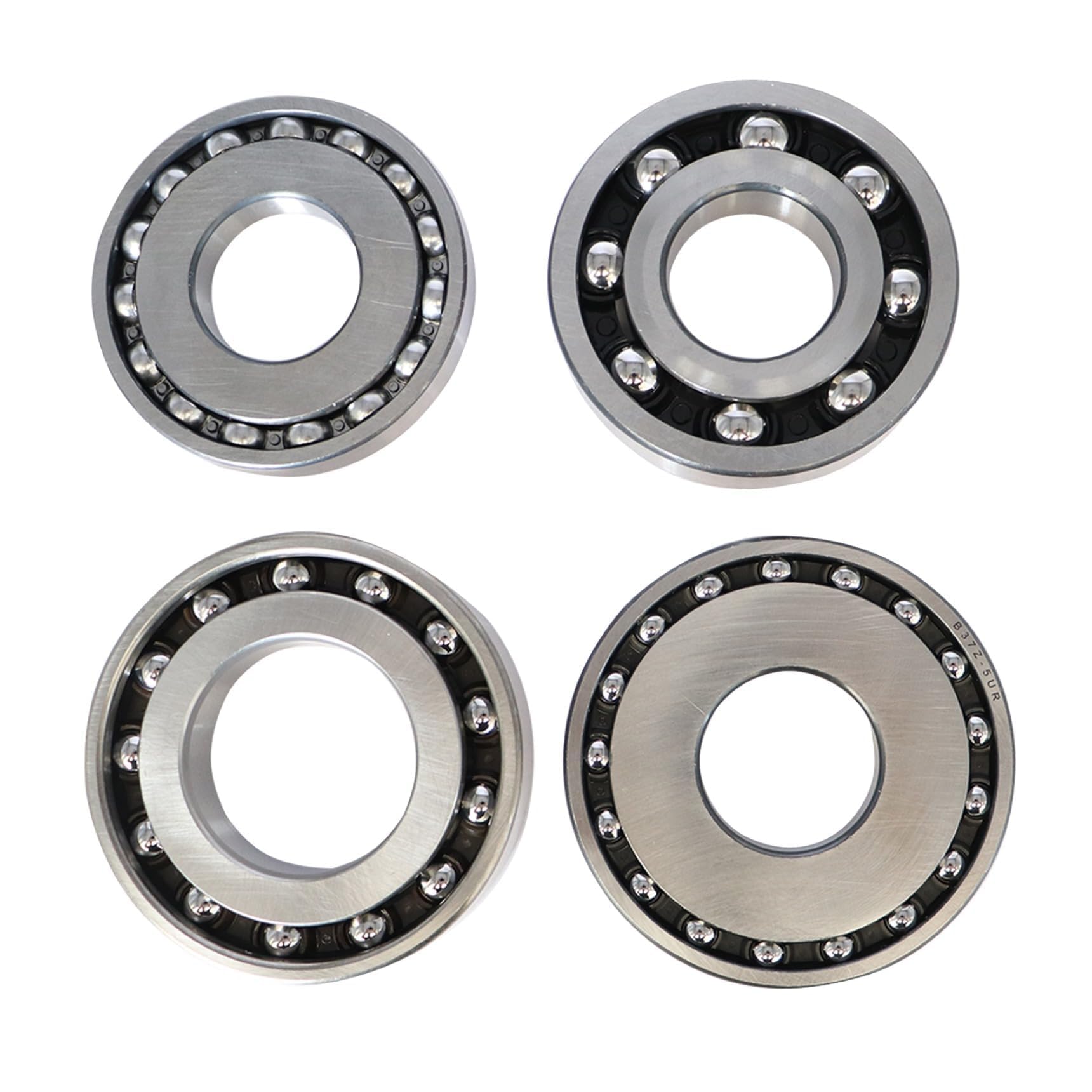
Those symptoms are pressure-control problems, and they are a different failure than the whining or grinding noise some K114-equipped C-HR and RAV4 owners have reported to NHTSA - those complaints describe a final-drive or carrier bearing inside the CVT wearing out and requiring a dealer to replace the whole transmission, not the valve body. If your complaint is a noise rather than a shift-quality or pressure problem, a valve body will not fix it. Our CVT failure patterns guide covers how to tell belt, bearing and valve body failures apart before you spend money, and our valve body cleaning and inspection guide walks through what bore wear and spool scoring actually look like on the bench.
Fitment
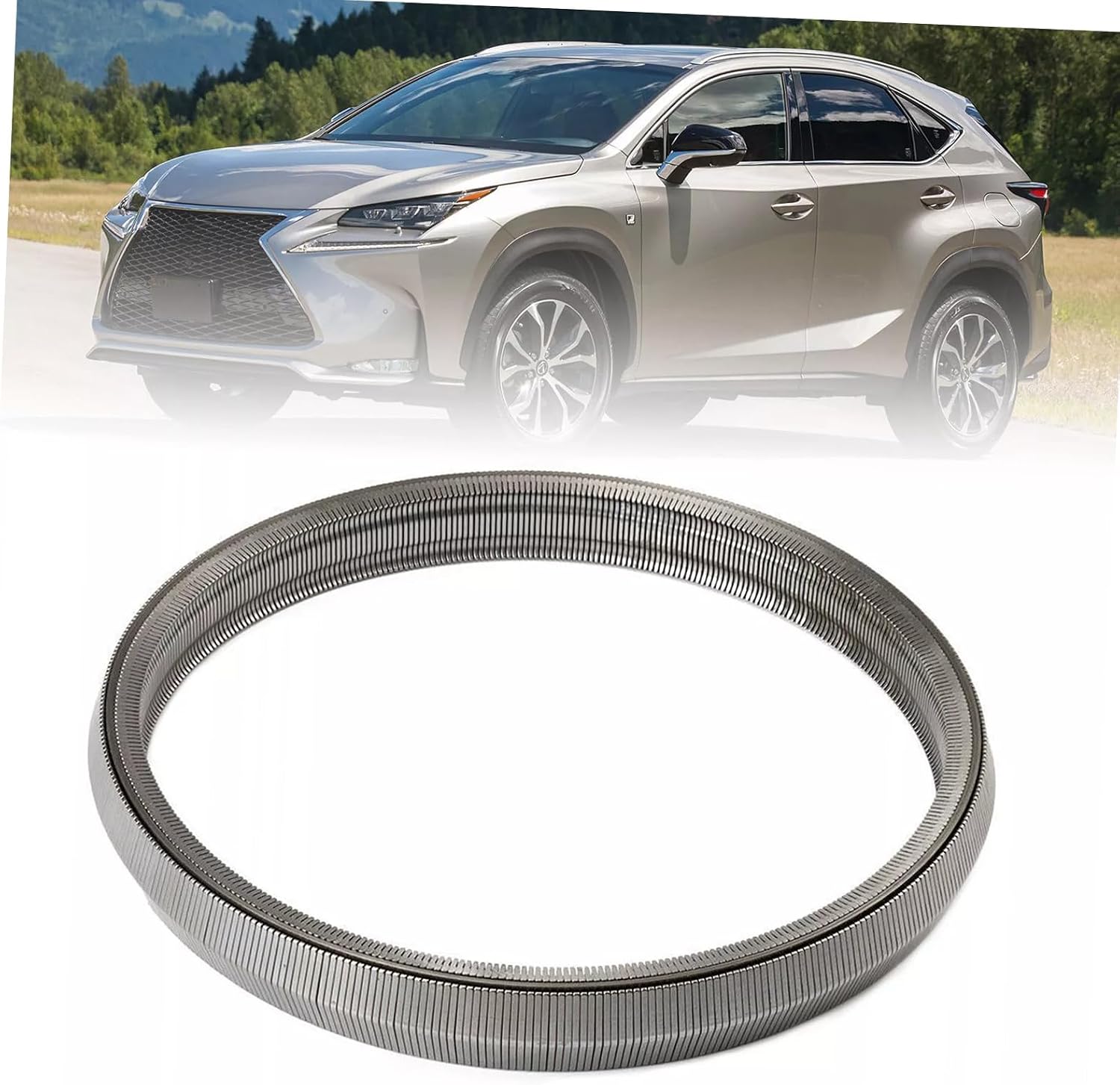
The K114 is used across multiple Toyota, Nissan and Mitsubishi Outlander CVT applications, including the Toyota C-HR and IZOA with the 2.0L engine from 2018 on. The K114 shares a family look with several other Japanese CVT valve bodies, and the bolt pattern and solenoid pockets are not interchangeable between them, so pull the stamping off your own transaxle and compare it, and the solenoid locations and manual valve end, against the photos here before you order. The full CVT parts collection has the rest of what we stock for continuously variable transmissions, including K114 pulley bearing kits if a bearing rather than the valve body turns out to be the fault.
Install notes
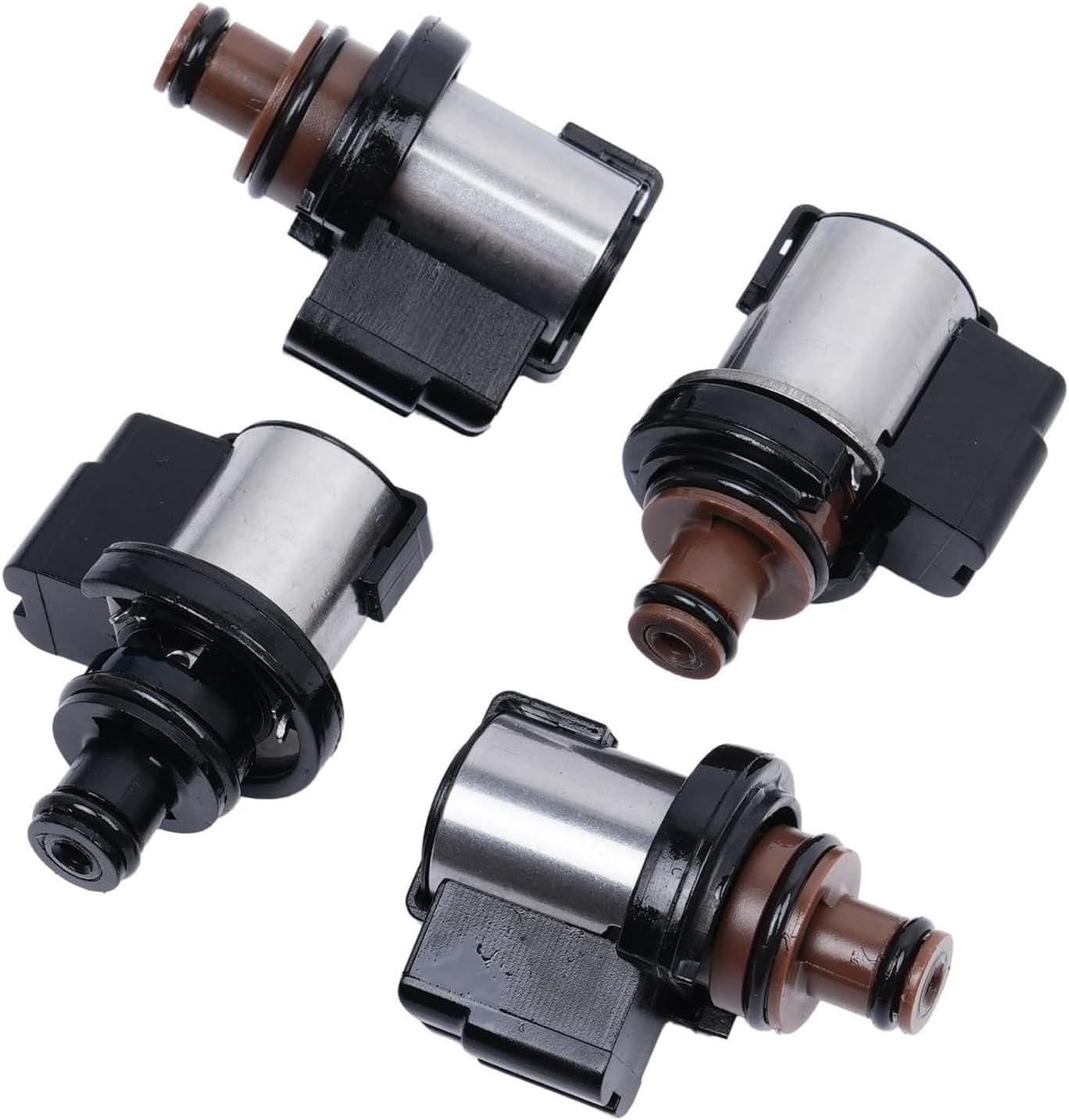
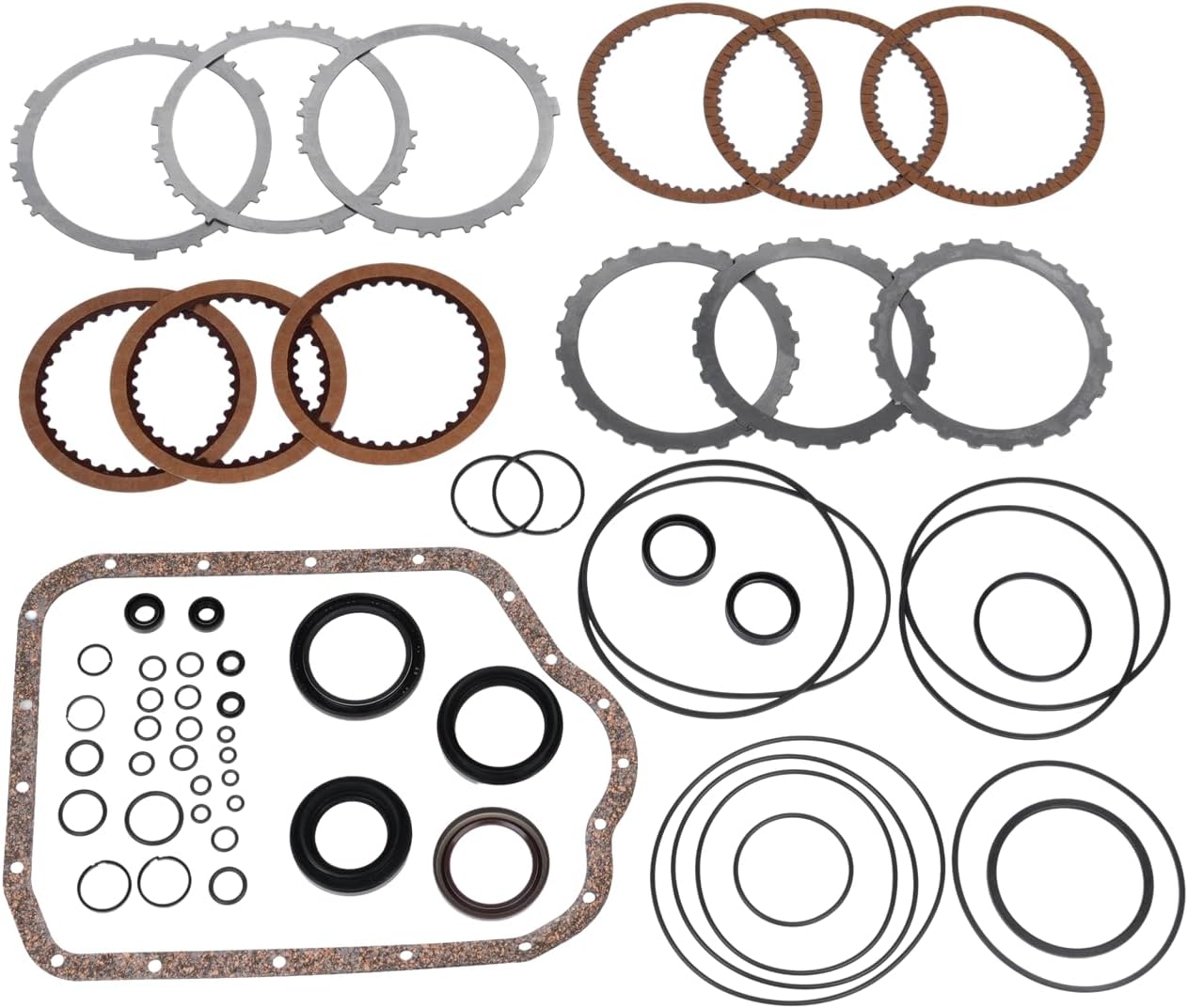
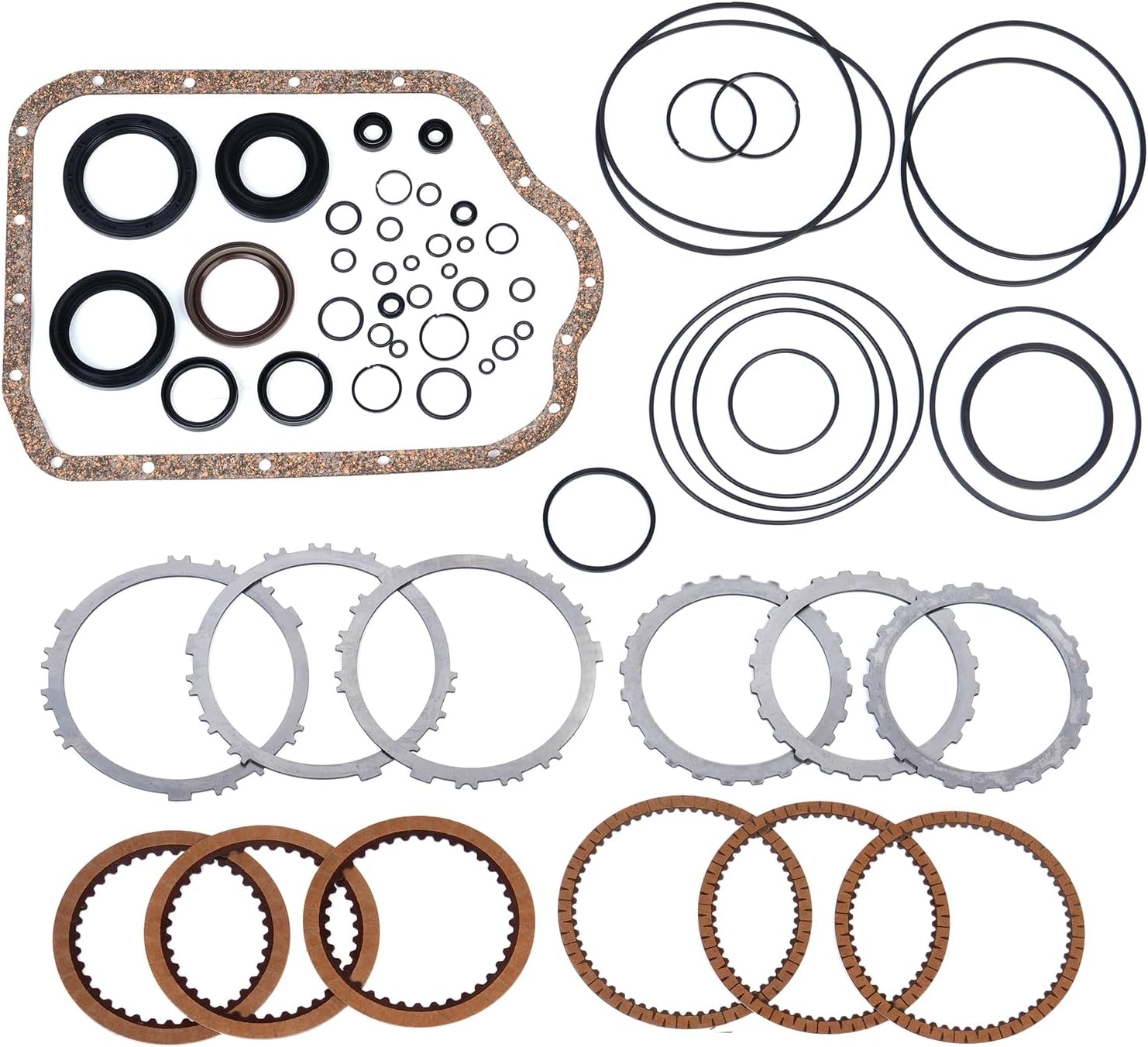
Drain the fluid, drop the pan and remove the filter before you unplug the solenoid harness and unbolt the valve body in sequence. Transfer your own solenoids across if you are keeping them, torque the retaining bolts evenly working from the center out, and refill with the CVT fluid specified for your application - Toyota's K-series units are particular about fluid spec, so match it to your year and model rather than using a generic CVT fluid. Run the transmission pressure and pulley-ratio relearn afterward so the TCM re-adapts to the new unit instead of the worn one. If the bores on your old unit were scored from debris, a chain kit or master rebuild kit is worth checking at the same time, since debris that damaged the valve body usually came from somewhere else in the unit.