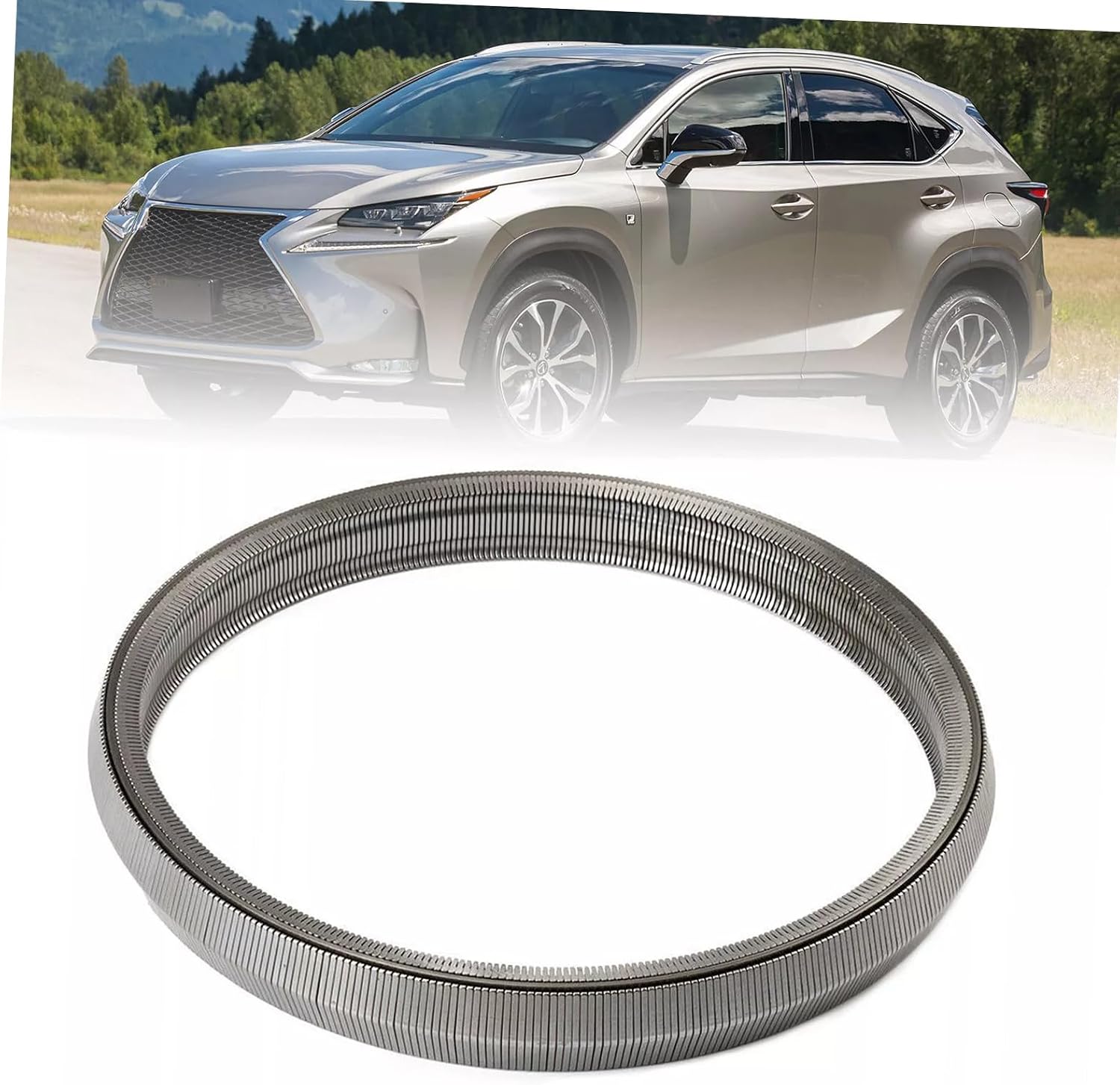
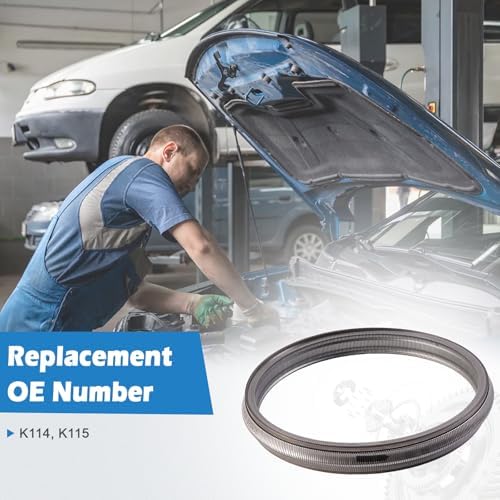
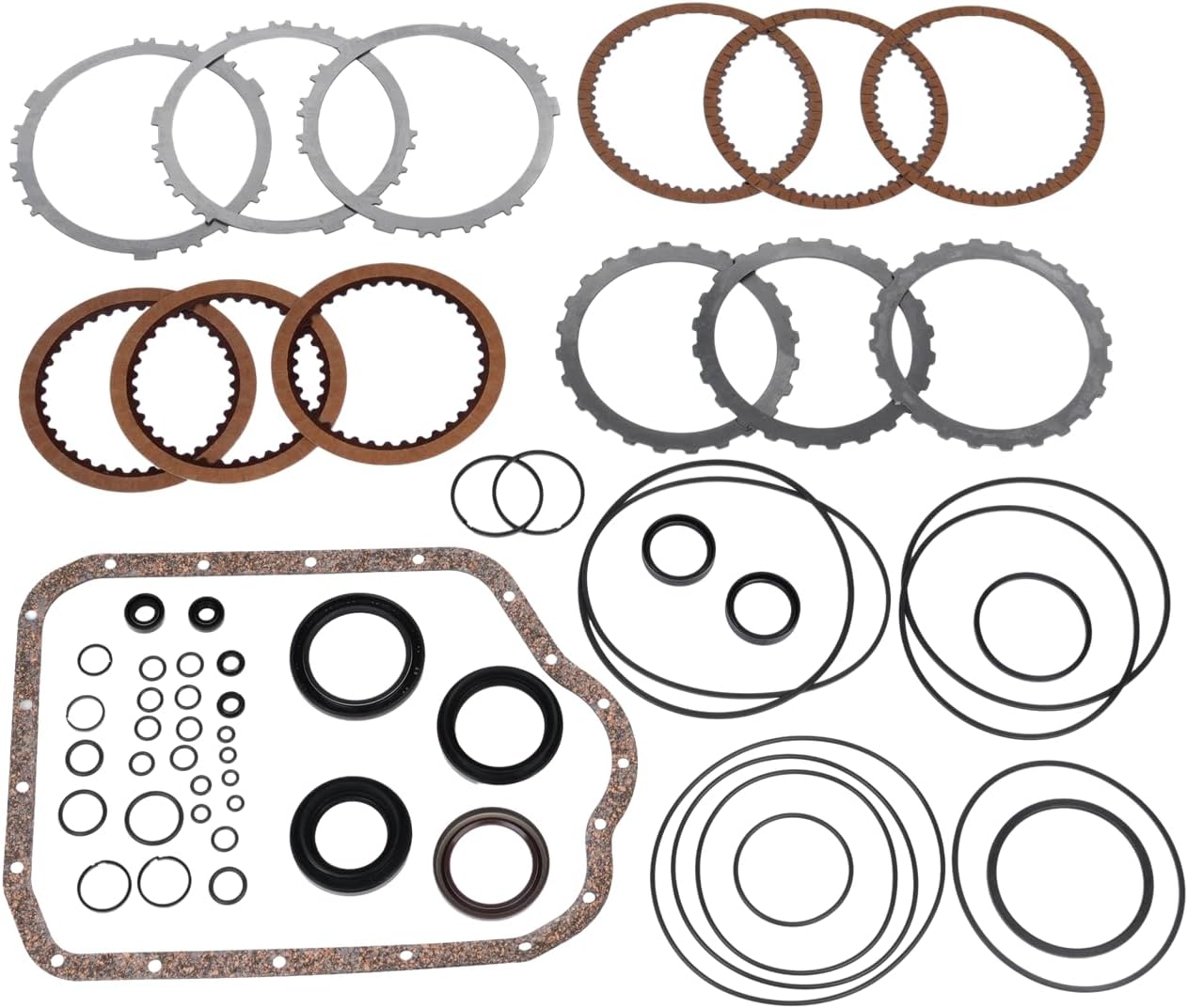
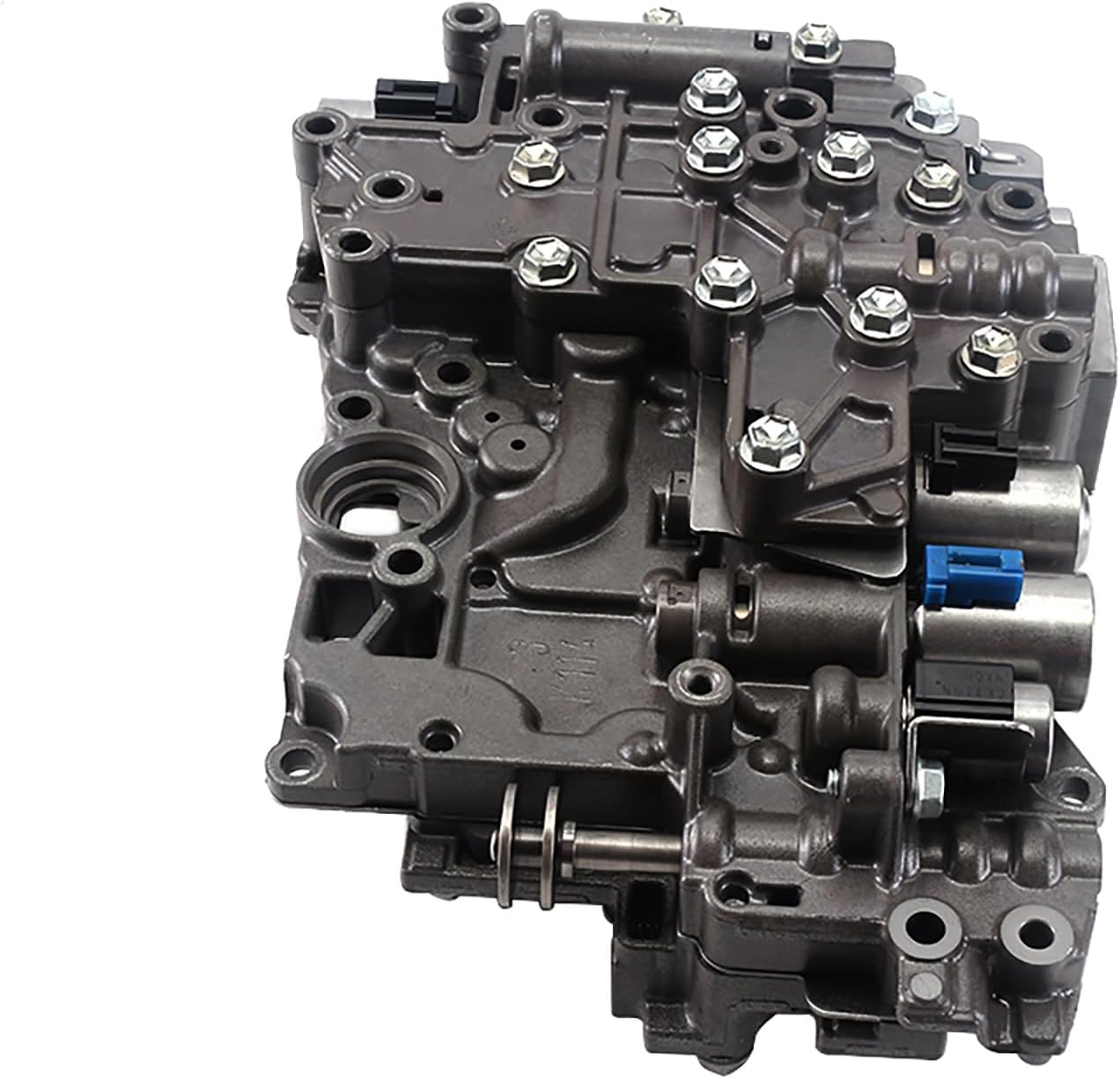
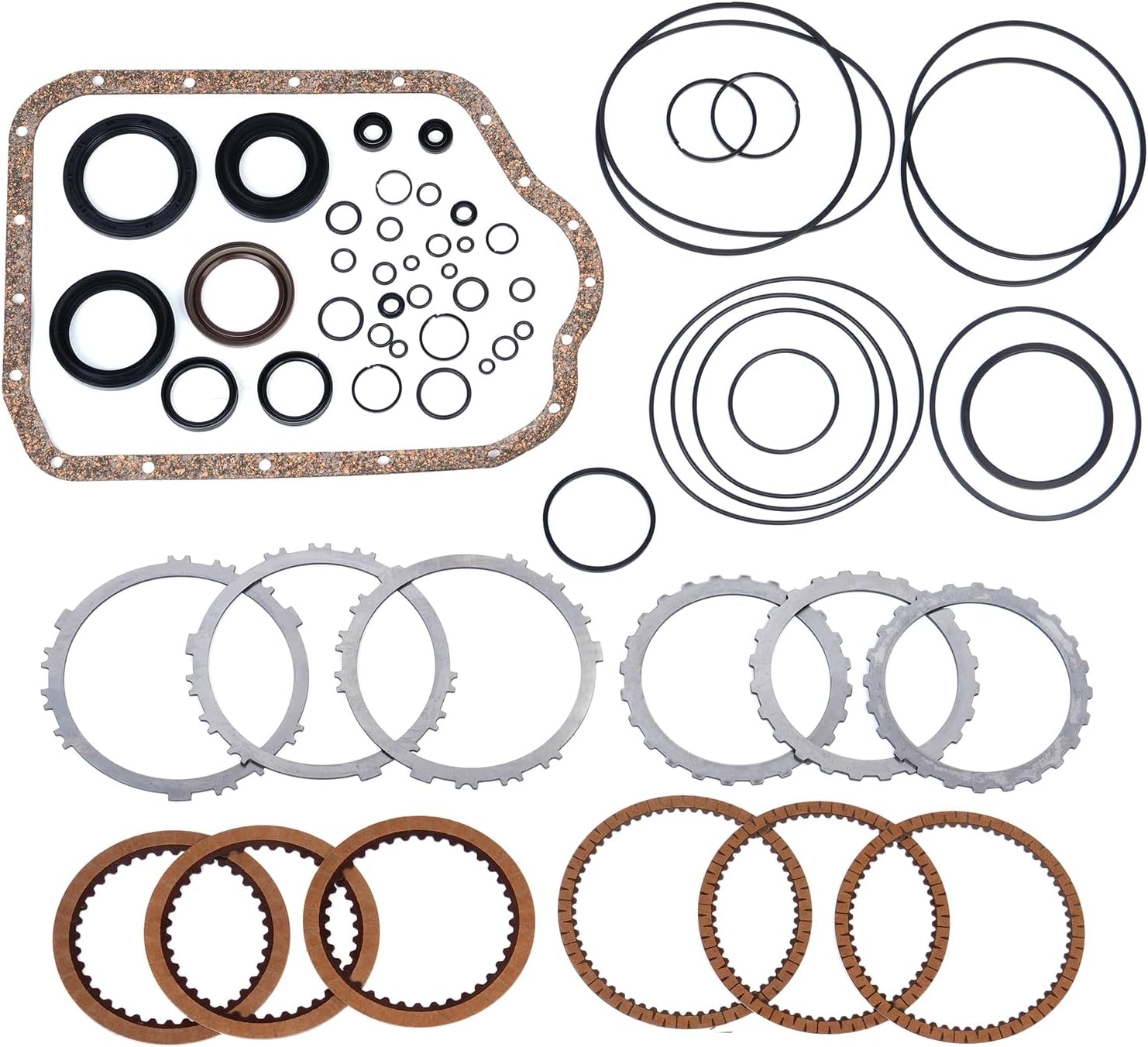
When a Toyota K114 CVT flares on a hard launch, shudders at light throttle in the 25-40 mph range, or trips ratio and belt-clamping faults because the computer can no longer hold the ratio it commands, the drive element between the pulleys is often stretched or worn on its flanks. This is a remanufactured OE-pattern replacement for that element. It is usually sold as a CVT chain, but as the photos show it is the push-belt type Toyota uses: hundreds of hardened steel elements stacked on steel bands, which is exactly what the K114 runs.
What the drive belt does in a K114 CVT
Toyota's service manual describes the K114 as a fully electrohydraulically controlled, steel belt type continuously variable transaxle. The belt runs between a primary pulley on the input side and a secondary pulley on the output side. Each pulley is a pair of cone-shaped sheaves, and hydraulic pressure squeezes them together or lets them part, which changes the working diameter of each pulley and with it the ratio. An oil pressure sensor reports the clamping pressure on the belt so the control unit can hold it tight enough to transmit torque without slipping. When the belt elements and bands wear, the belt rides at the wrong radius and needs more clamping force than the hydraulic system can supply, so it slips under load and the sheave faces start to score.
Symptoms of a worn K114 belt
- Engine speed flares on a hard launch or uphill without a matching rise in road speed
- Shudder or judder at light throttle, typically around 25-40 mph
- A whine or growl that changes with ratio rather than with engine speed
- Fail-safe or reduced-power operation with ratio or belt-clamping faults stored
- Glittery metallic debris on the drain plug magnet or in the filter
How to confirm it before you buy
Not every K114 slip is the belt. Low or aged fluid, a weak oil pump and a sticking pressure solenoid in the valve body can all reduce clamping pressure and mimic a worn belt. Check the fluid level and condition first, then follow our walkthroughs on CVT slipping under load and CVT failure patterns across brands. If the transmission is already apart, lay the old belt beside the new one: worn element flanks, cracked bands, or sheave faces with a polished step all confirm the belt has to be replaced, and scored sheaves mean the pulleys need attention too.
Fitment
This belt is for the Aisin K114. The confirmed North American application is the 2018-2022 Toyota C-HR with the 2.0 L 3ZR-FAE engine. The listing title also names the Lexus NX and RAV4; in those lines the K114 belt CVT was used on the non-turbo, non-hybrid 2.0 L versions sold outside North America. The NX200t uses a conventional six-speed automatic, the NX300h and Harrier Hybrid use a hybrid transaxle with no belt, and US-market 2013-2018 RAV4s used a six-speed automatic, so none of those take this part. The newer Direct Shift CVT (K120) and the older K111 and K112 do not interchange either. Check the transmission code on the case or send us your year and VIN before ordering. More parts for belt-type transmissions are in our CVT parts collection.
Install notes
- This is a case-off job. The belt comes out together with the primary and secondary pulley assemblies, so plan for a full teardown on the bench.
- Inspect both pulleys' sheave faces and replace any with scoring or a step; a new belt on damaged sheaves will slip again.
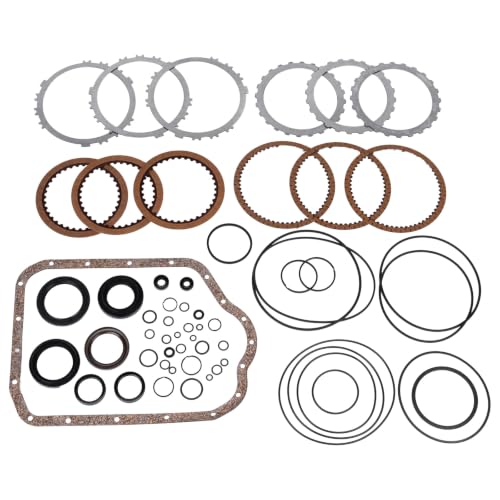
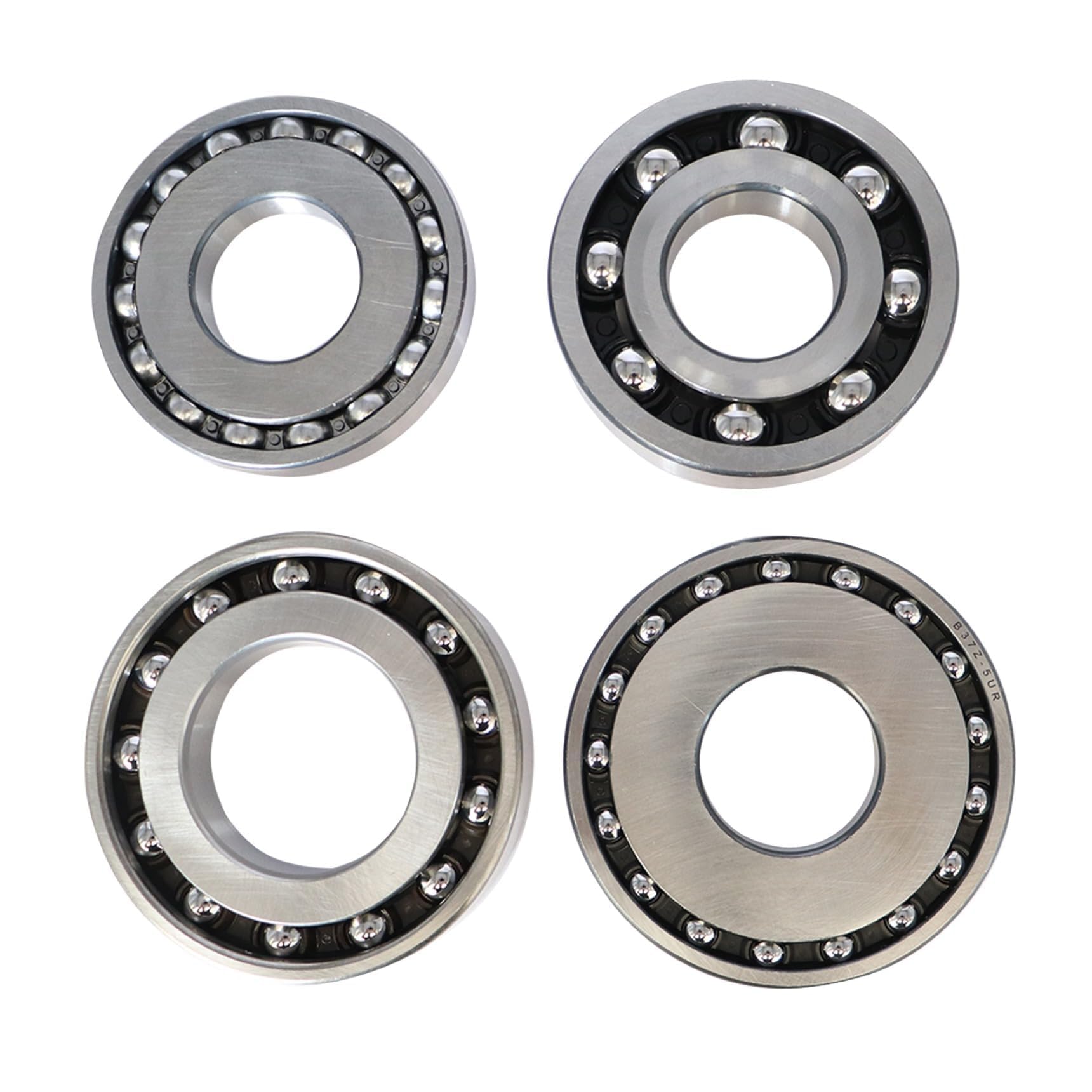
- Replace the pulley bearings and seals while the pulleys are out; our K114 pulley bearing kit covers them.
- Refill only with Toyota Genuine CVT Fluid FE. There is no dipstick; the level is set at the overflow plug with the fluid between 35 and 45 C (95 and 113 F).
- After the transaxle has been rebuilt or replaced, Toyota calls for a Reset Memory and the CVT oil pressure calibration with a scan tool before the vehicle is driven normally.
No instructions are included and the part carries a 6-month limited warranty that excludes installation damage, so this is bench work for a technician who has been inside a belt CVT before. If the unit also has delayed engagement or harsh shifts, read CVT harsh or delayed shifts and consider the K114 valve body assembly at the same time.