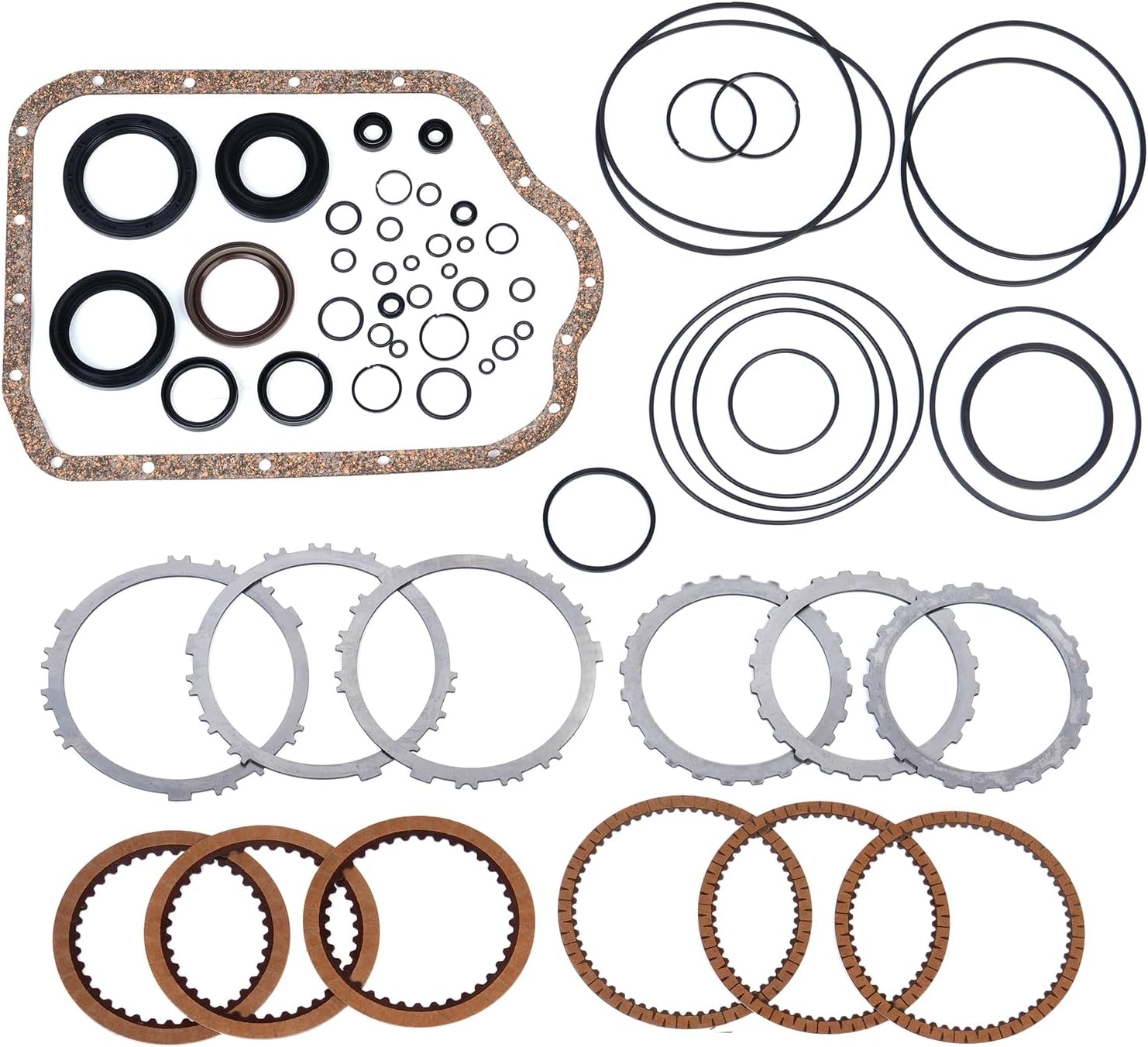
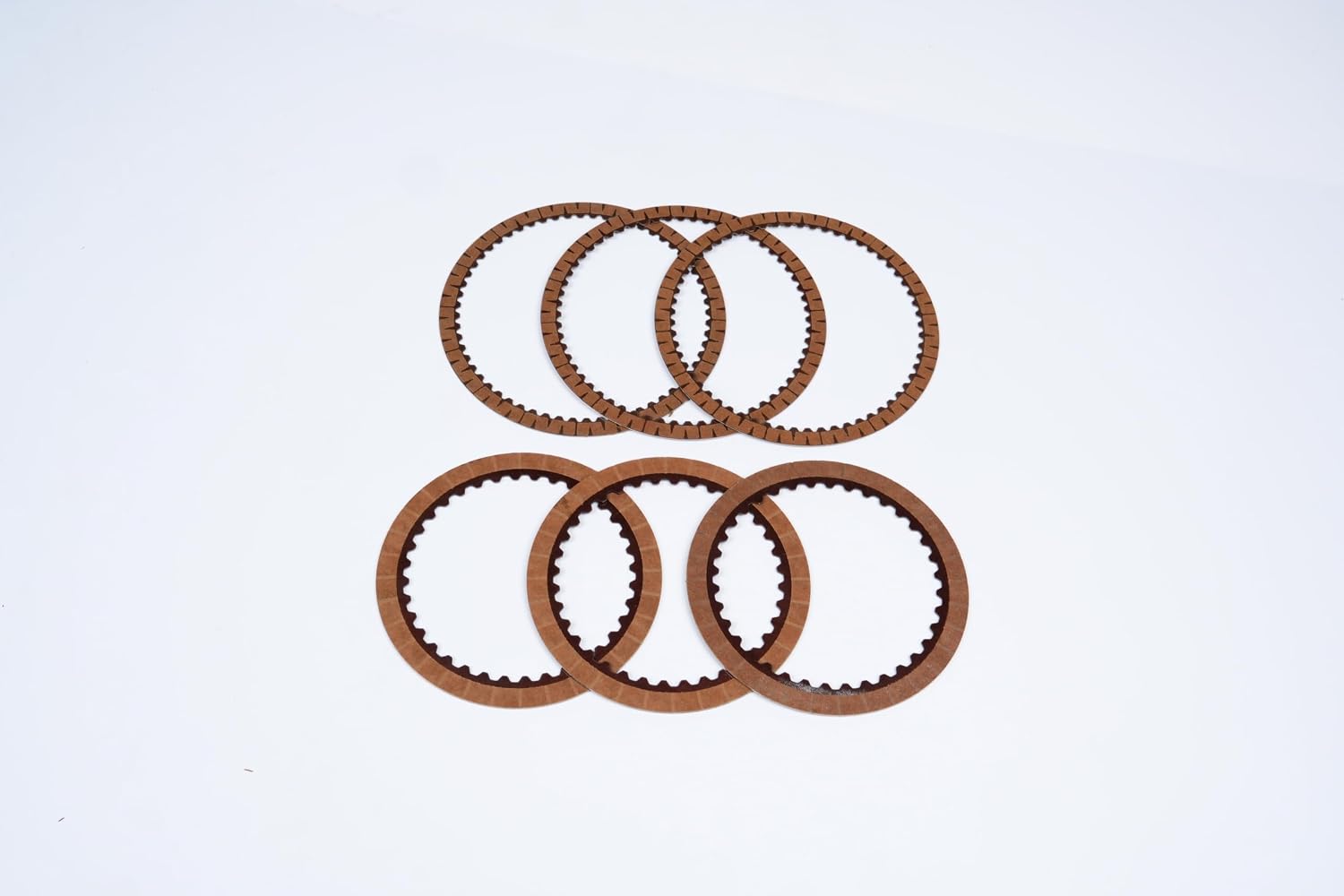
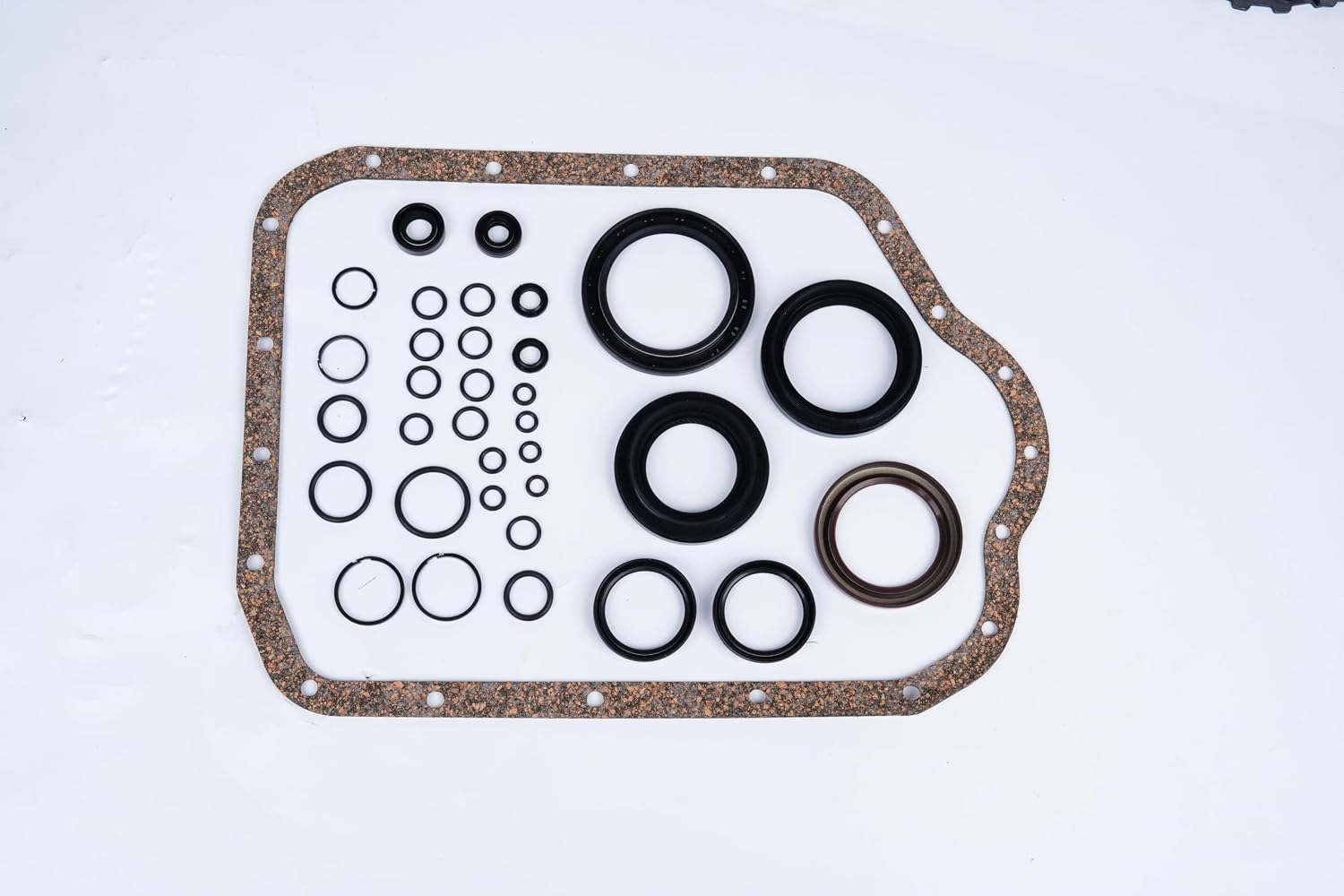
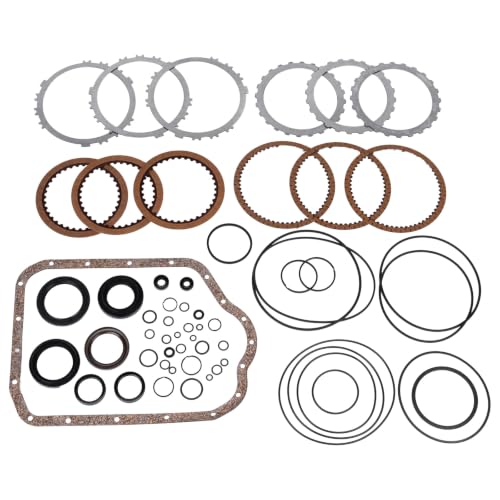
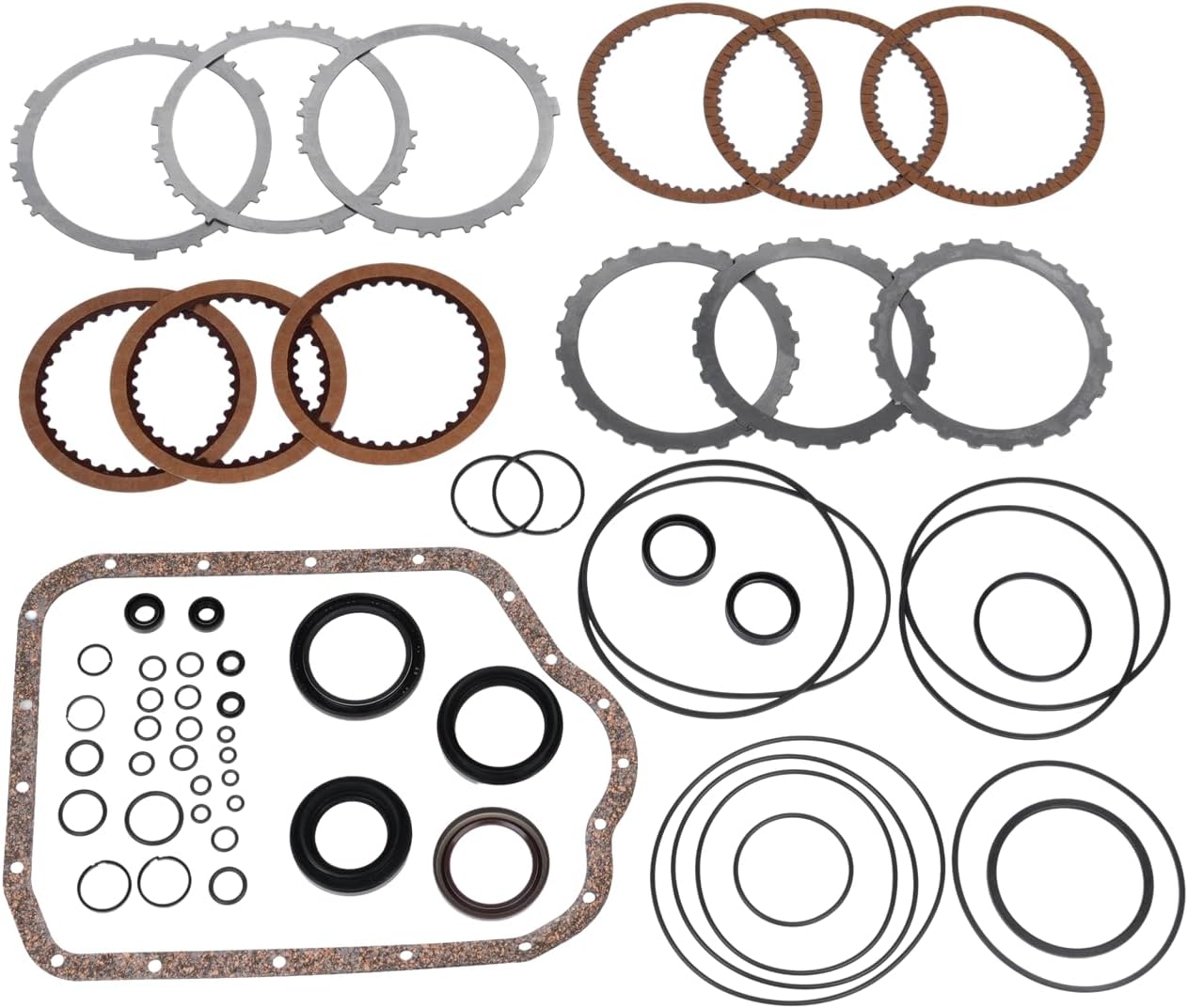
A Toyota C-HR that hesitates before it moves off in Drive, clunks into Reverse, or seeps CVT fluid from the axle seals or pan rail usually ends up with the K114 transaxle on the bench. This kit is built for that teardown on the 2018-2022 C-HR 2.0L: six friction plates, six steel plates, the piston and drum sealing rings, a full O-ring set for the valve body and case passages, the axle, input and pump lip seals, and a cork oil pan gasket.
What the clutch packs and seals do in a K114
The K114 is not a geared automatic. Toyota's C-HR service manual describes it as a fully electrohydraulic steel-belt CVT. Ratio comes from the belt riding between the primary and secondary pulleys, but a belt cannot pick a direction, so a forward clutch and a reverse clutch sit ahead of the pulley set. Shift solenoid SLU applies those clutches when you select a gear, then solenoid SC switches SLU over to run the converter lock-up clutch. Solenoids SLP and SLS set pulley pressure, and an oil pressure sensor tells the ECM how hard the belt is being clamped.
All of that is hydraulic, and every circuit depends on rubber and sealing rings to hold pressure. When the rings in the clutch drums harden, apply pressure leaks away and the pack fills slowly. When the frictions glaze, the pack slips during the engagement the ECM is trying to smooth out. Fresh frictions, steels and seals put the clutch side of the unit back to a known state.
Symptoms on a C-HR that point to this kit
- A pause of a second or more after shifting from Park or Neutral into Drive
- A thump or bang going into Reverse, or Reverse that only engages once the engine is warm
- Flare in engine speed when pulling away from a stop, before the car starts to move
- Dark, burnt-smelling fluid with fine friction material on the pan magnets
- Fluid weeping at the axle seals, the input seal or the pan gasket
How to confirm before you order
Start with the fluid. The K114 has no dipstick or filler tube, so level is checked at the overflow plug in the pan with the engine idling at the temperature the manual specifies. A low unit will act exactly like a worn one. Next, pull codes and watch live data. The manual lists P0841 and P2829 for oil pressure sensor range and performance faults; diagnose those before blaming the clutch packs. If codes are clear and engagement is still slow, compare turbine speed against primary pulley speed during the shift into gear: a lag there is a clutch problem, not a belt problem. Our guide to CVT harsh or delayed shifts lays out that order of checks, and CVT slipping under load explains how to separate clutch slip from belt slip.
Fitment
This kit is listed for the Toyota C-HR with the 2.0L gasoline engine, model years 2018-2022, which in the US used the K114 CVT. Toyota's manual pairs the K114 with the 3ZR-FAE engine. Hybrid C-HR models use a different power-split transaxle and are not covered. Check the transaxle identification before you order, and if anything does not match, send us the year and VIN and we will confirm it. More units for this family are on our CVT parts page. If you have a RAV4 or Lexus NX200 2.0L instead, see the K114 frictions and steels kit for RAV4 and NX200.
Install notes
- Soak the new frictions in Toyota Genuine CVT Fluid FE for at least 30 minutes before stacking. The manual specifies FE for the K114; do not substitute a universal fluid.
- Check each clutch pack clearance with a feeler gauge after assembly, before the case goes back together.
- Replace every O-ring at the valve body and case passages, including the ones that look fine.
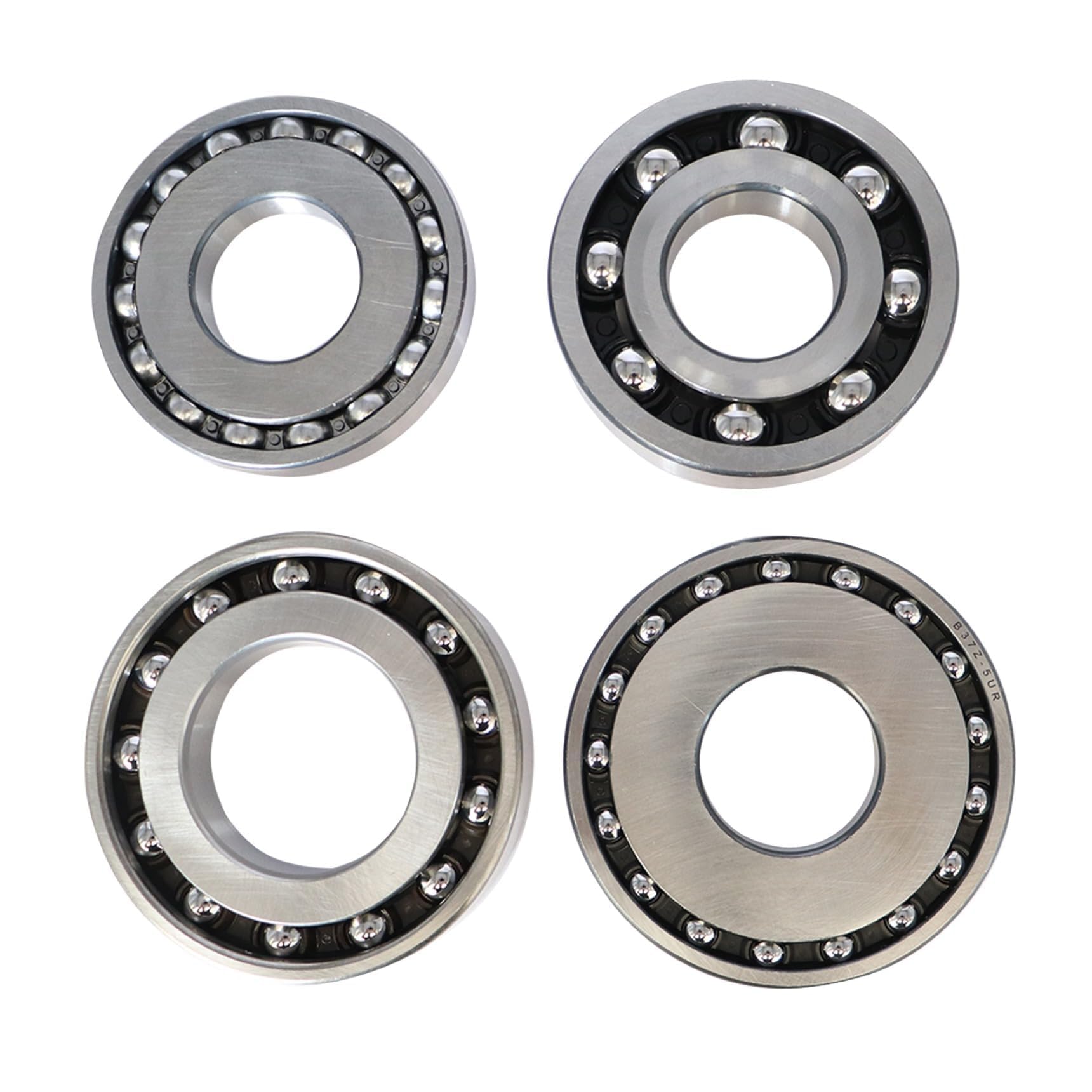
- Inspect the pulley faces and belt. Scoring or heat marks mean hard parts, which this kit does not include. If the unit was whining, replace the K114 pulley bearing kit while it is apart.
- Fill cold, around 68 F, through the refill hole with the car level, then warm it up and set level at the overflow with the engine idling.
- Toyota calls for Reset Memory followed by the CVT oil pressure calibration with a scan tool when the transaxle assembly is replaced. Treat an overhauled unit the same way so the ECM relearns pressure.
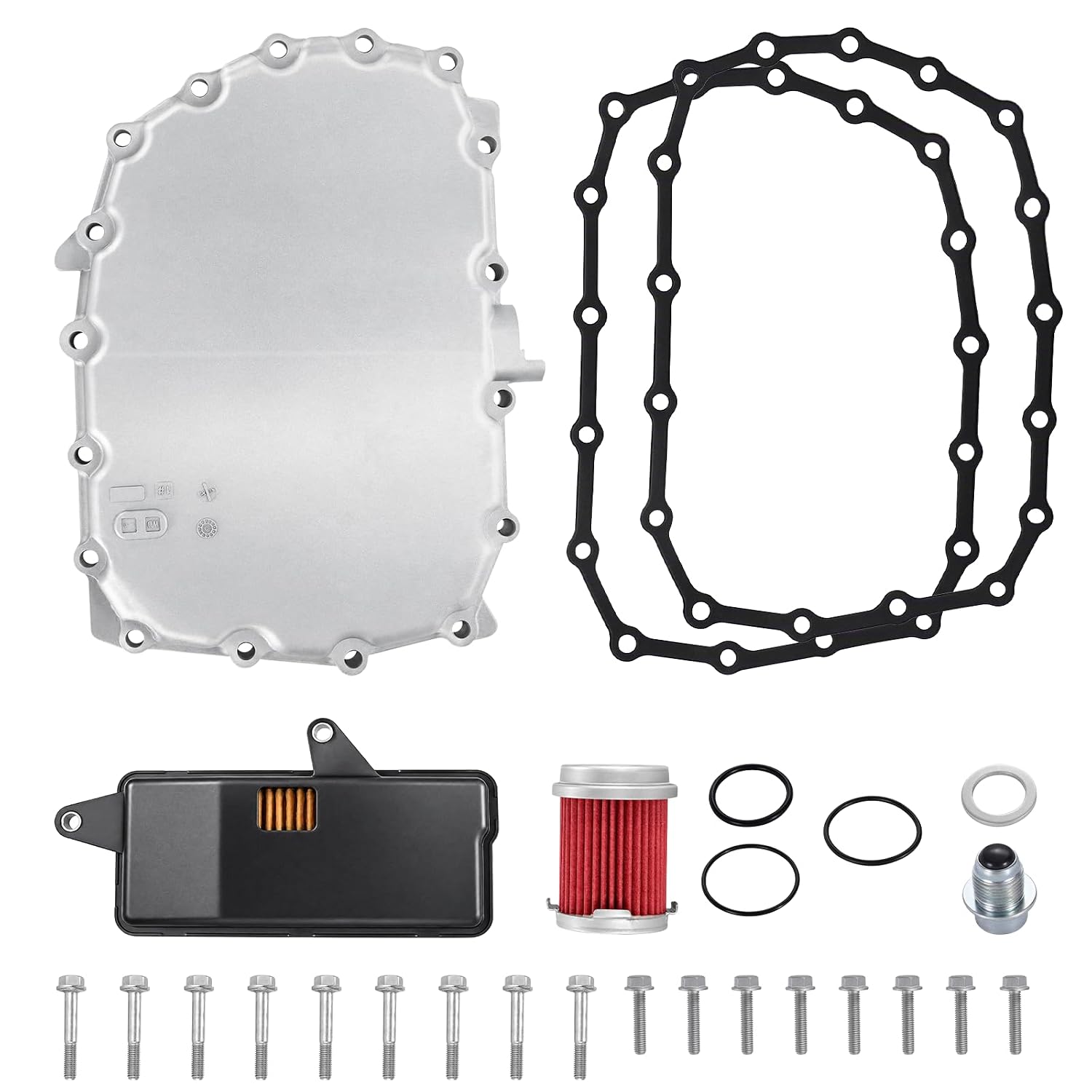
Not included: the steel belt, pulleys, valve body, solenoids and filter.