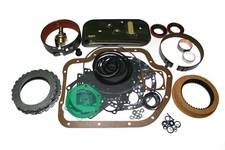
1968 is where the Turbo 400 settles into the design most builders know: the switch-pitch converter option of the early Buick, Olds and Cadillac cars was gone, and the same basic three-speed went on to back GM cars, muscle cars, pickups, vans and motorhomes for decades. If your 1968-up TH400 now slips when it shifts, hangs in 1st, takes a second to grab Drive or Reverse, or has dark fluid that smells cooked, this master rebuild kit gives you every wear part for a full overhaul in one box.
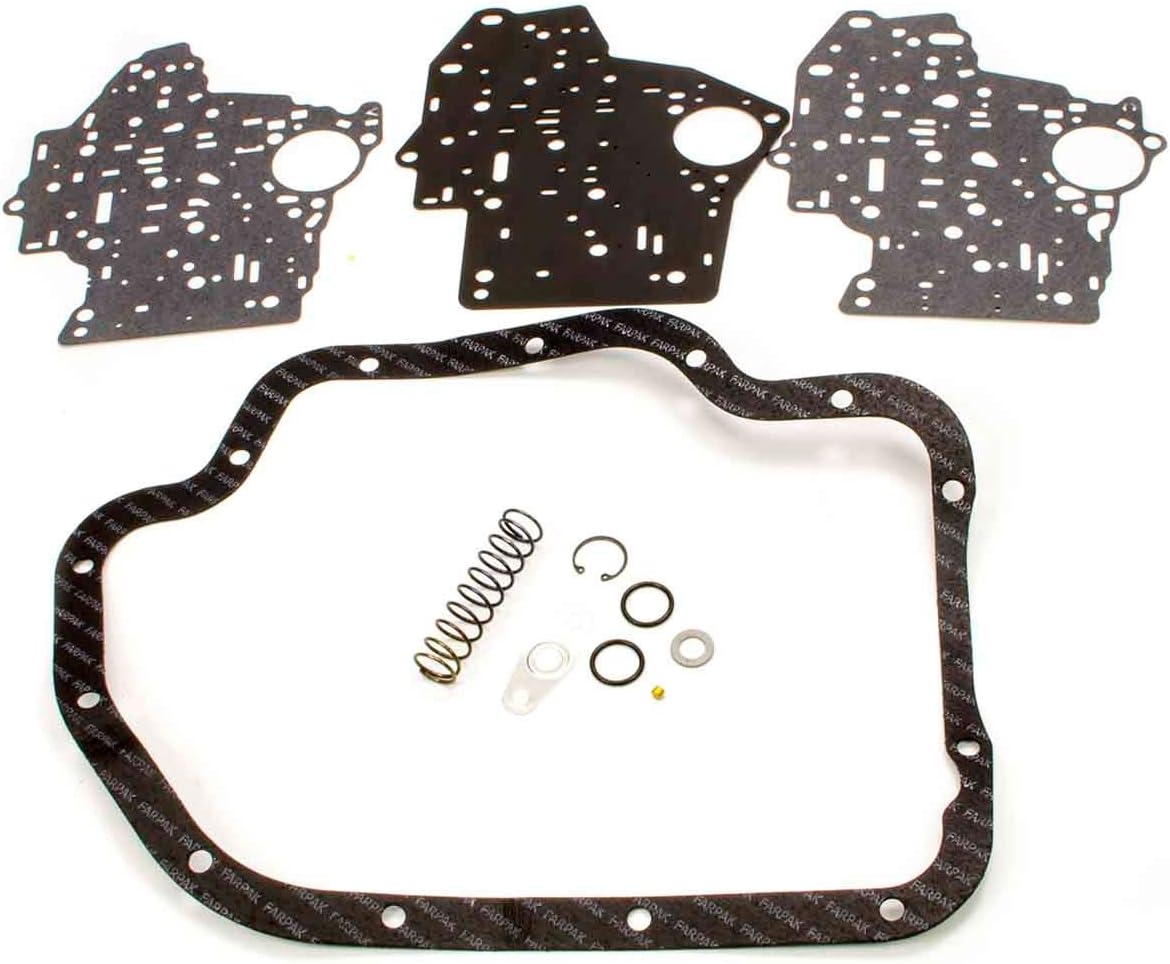
What comes in the 1968-up kit
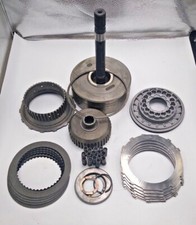
- Borg-Warner frictions for every clutch pack
- Steel plates, which cheaper kits leave out and most cores need
- Transtec soft parts: the full set of rubber seals and gaskets
- Filter, plus front and rear bushings
- A new adjustable vacuum modulator
- Both the front and the rear band
Getting both bands matters on a 400. The front band applies in manual Second for engine braking, and the rear band applies in Reverse and manual Low, so a glazed rear band left in a fresh build can still leave Reverse soft or slipping.
How the parts in this kit work in a TH400
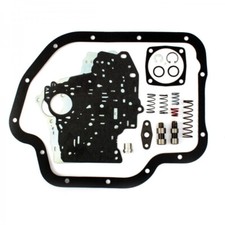
Nothing in a TH400 is computer controlled. The vacuum modulator reads engine load and moves the throttle valve, which raises line pressure under load; the governor reads road speed; and the shift valves in the valve body decide when to apply each clutch and band. The detent (kickdown) solenoid is the main electrical part. That means shift quality depends on clutch packs that are still thick, seals that still hold pressure and a modulator that is not leaking. A master kit renews all three, which is why it fixes problems a fluid change or shift kit alone will not.
Symptoms this kit addresses
- Engine flares between shifts or under heavy throttle
- Slipping Reverse or no Reverse, often a rear band or direct clutch problem
- Late or harsh shifts from a leaking modulator diaphragm
- Delayed Drive engagement when cold, typical of hardened seals and a worn pump bushing
- Friction material, brass or metal in the pan
- Leaks at the pump seal, rear seal or side cover gaskets
How to confirm it needs a rebuild
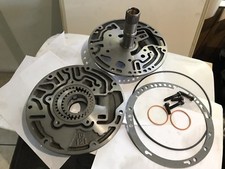
Start with the cheap checks: correct fluid level, a modulator that has not pulled fluid through its vacuum line, and correct linkage adjustment. Then pressure-test the unit. Our TH400 valve body testing guide explains how to tell a sticking valve from worn clutches, and if the pump is noisy or pressure is low across every range, read the TH400 pump failure guide before you order, because a damaged pump needs replacing along with the kit.
Fitment
This kit is listed for the TH400 from 1968 on; the kit maker builds it for 1968-up units and offers a separate kit for 1965-1967. That covers the TH400 in GM passenger cars, Chevy and GMC trucks and vans, and the many non-GM applications that used the same transmission. Truck, motorhome and heavy-duty variants can differ in clutch count and hard parts, so check your clutch pack count during teardown, and send us your year, vehicle and VIN if you want us to confirm it first. Owners of a 1965-1967 switch-pitch unit should use the 1965-1967 TH400 master rebuild kit instead. See all parts for this transmission on our TH400 page.
Install notes
- Soak the frictions and bands in transmission fluid for about 30 minutes before you build the packs.
- Set rear endplay to .007 to .019 in. with the selective washer at the bottom of the case, then check front endplay, front-to-rear planetary play and forward hub to direct drum play. GM's book covers only two of the four.
- Inspect the output shaft thrust washer and case tabs; on a loaded 400 the gear train pushes back hard enough to spin a worn washer and damage the case.
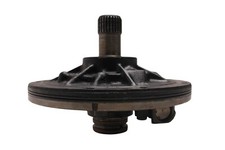
- Check the pressure regulator bore in the pump for wear; a worn bore leaks line pressure no matter how good the new clutches are.
- Fill with current licensed DEXRON. A drained pan takes about 7.5 pints, but a dry unit plus an empty converter needs roughly 10 to 11 quarts plus the cooler, so finish by the dipstick hot.
If you want firmer, quicker shifts, install a TH400 shift kit while the valve body is out, and replace a scored pump with a TH400 pump. Our TH400 wear points guide lists the upgrades worth making during the job.