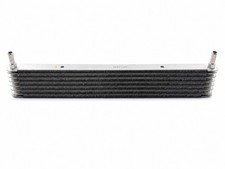
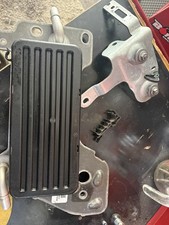
Pink fluid on the front skid plate, a transmission temperature gauge that creeps up every time you tow, or a cooler core flattened by a rock: those are the reasons people shop for a 10R80 transmission cooler. This is a new aluminum stacked-plate ATF-to-air cooler for 10R80 applications from 2017 to 2025, with tube stubs at each end for the cooler line connections, as shown in the photo. It replaces an auxiliary cooler that leaks, has a damaged core or was taken out in a front-end hit.
What the cooler does in a 10R80 system
Ford's 10-speed is built to run warm. GEARS Magazine lists normal operating temperature at 206 to 215 F, and the main tool for managing it is a coolant-to-ATF heat exchanger, often called the warmer, with a coolant control valve that the powertrain computer opens and closes. That lets the fluid come up to temperature quickly on a cold morning and then be cooled on demand. Heavier-duty applications add a second stage: a remote ATF-to-air cooler fed through a manifold with a thermal bypass valve. This part is that second stage. Once the bypass opens, hot fluid passes through the plates, airflow through the grille pulls heat out, and the fluid returns to the transmission cooler than it left. GEARS also notes that most larger-displacement 10R80 applications carry this auxiliary cooler in addition to the warmer.
Symptoms of a failing transmission cooler
- ATF dripping at the front of the vehicle or oily grime on the cooler plates and tube ends
- A falling fluid level, followed by slips, flares between gears or delayed engagement
- Transmission temperature climbing higher than usual when towing, idling in traffic or in hot weather
- Fluid venting from the transmission after a hard run
- Burnt-smelling or darkened MERCON ULV at the next service
How to confirm it before you buy
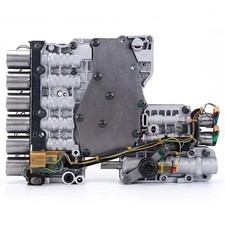
A leak is simple: clean the core, drive, and look again. Overheating takes more care, because a good cooler will not help if fluid never reaches it. GEARS recommends following the heat with an infrared gun or a thermal camera on the lines in and out of the transmission and heat exchanger. It warns that rubber cooler hoses can collapse internally and choke off flow, and that the coolant control valve can fail electrically or mechanically. Also make sure the transmission is not simply overfilled; Sonnax found that one quart too much in a Ford 10-speed is enough to cause overheating and venting. If shift quality has already gone bad, our 10R80 common problems and fixes guide and the 10R80 F-150 common problems guide help separate heat damage from valve body or software faults.
Fitment
This cooler is listed for 10R80 applications from 2017 through 2025. Ford packaged the auxiliary cooler differently across F-150 cab and engine combinations, Expedition and Navigator, and other 10R80 vehicles, and the core size, tube end positions and mounting points change with the package. Before you order, measure your old core and compare where the inlet and outlet tubes exit and how it mounts, or send us your year and VIN and we will check it. For other 10R80 parts, browse the 10R80 parts collection; a later truck may be better served by the 2021-2025 10R80 cooler.
Install notes
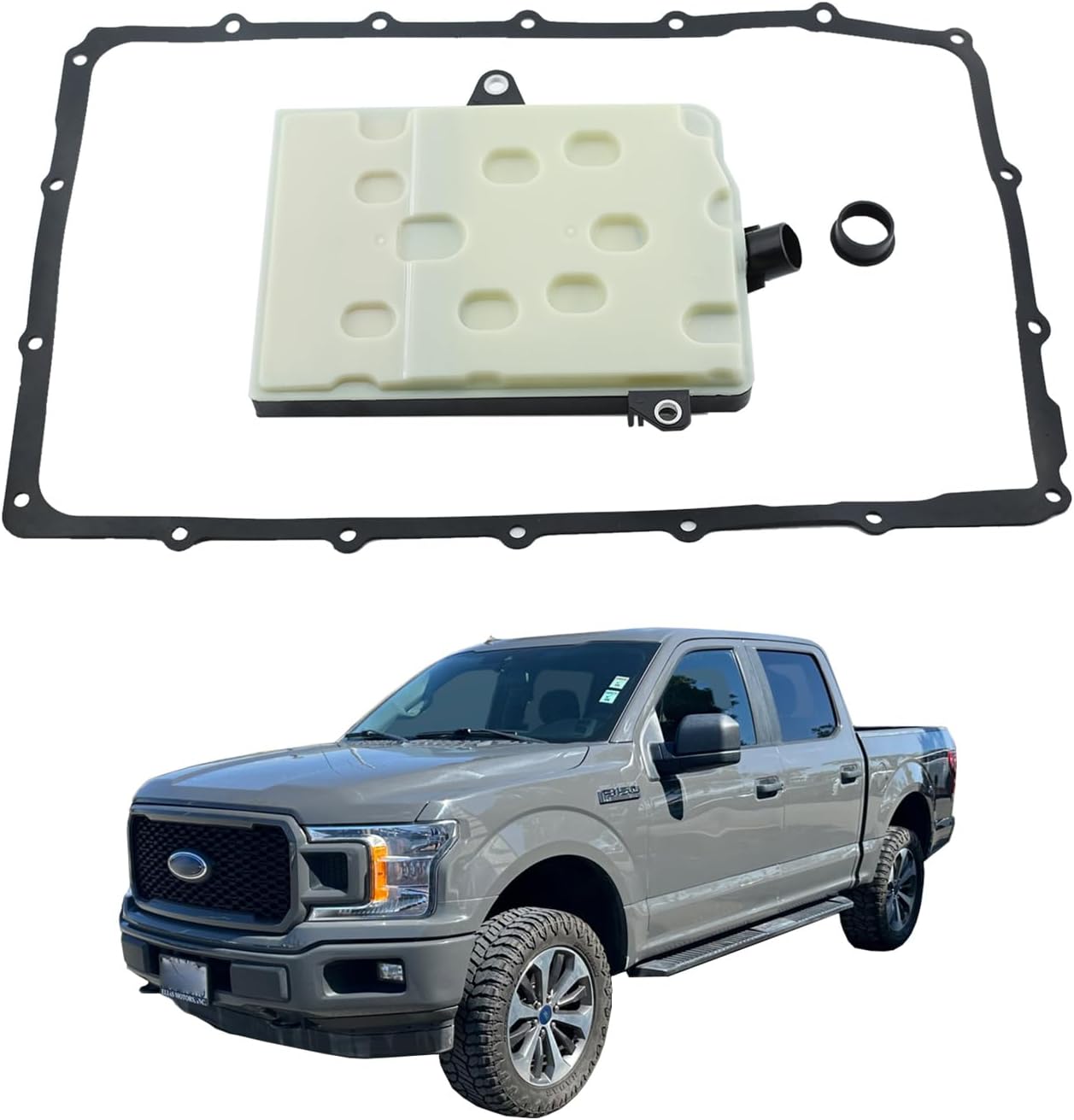
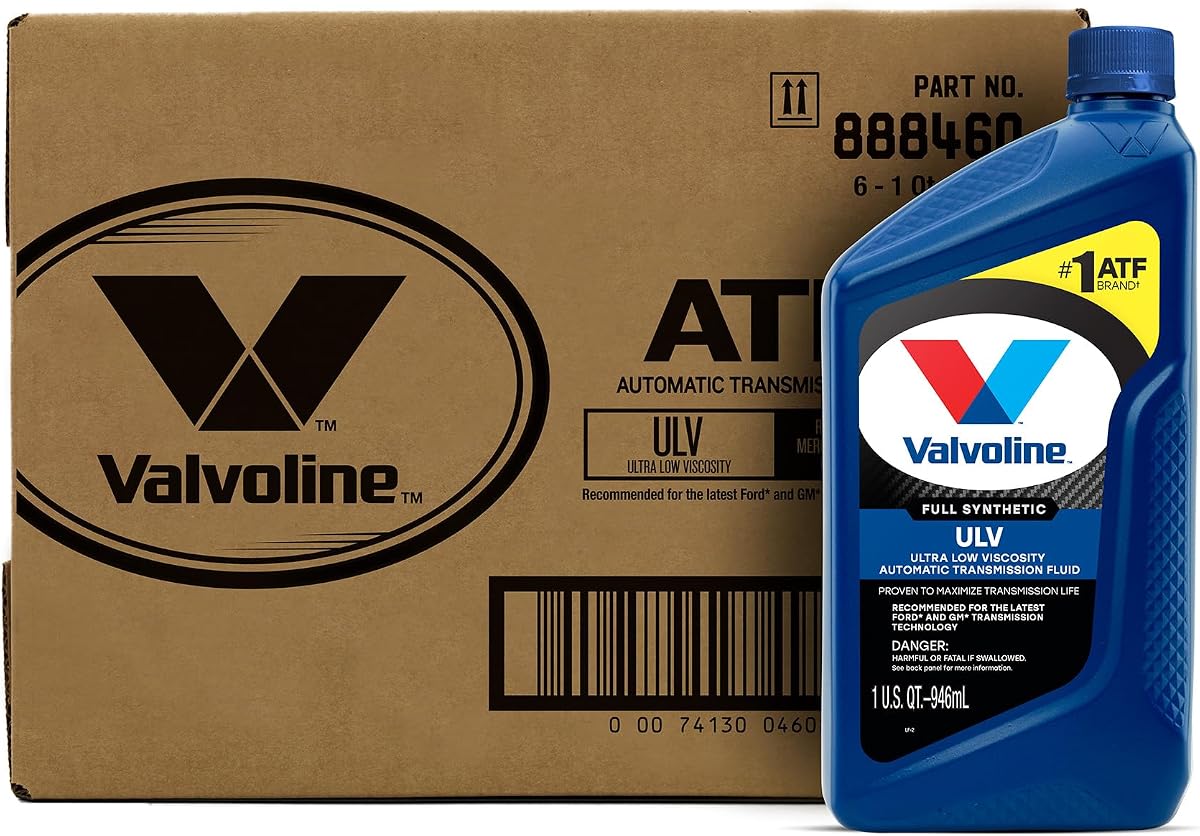
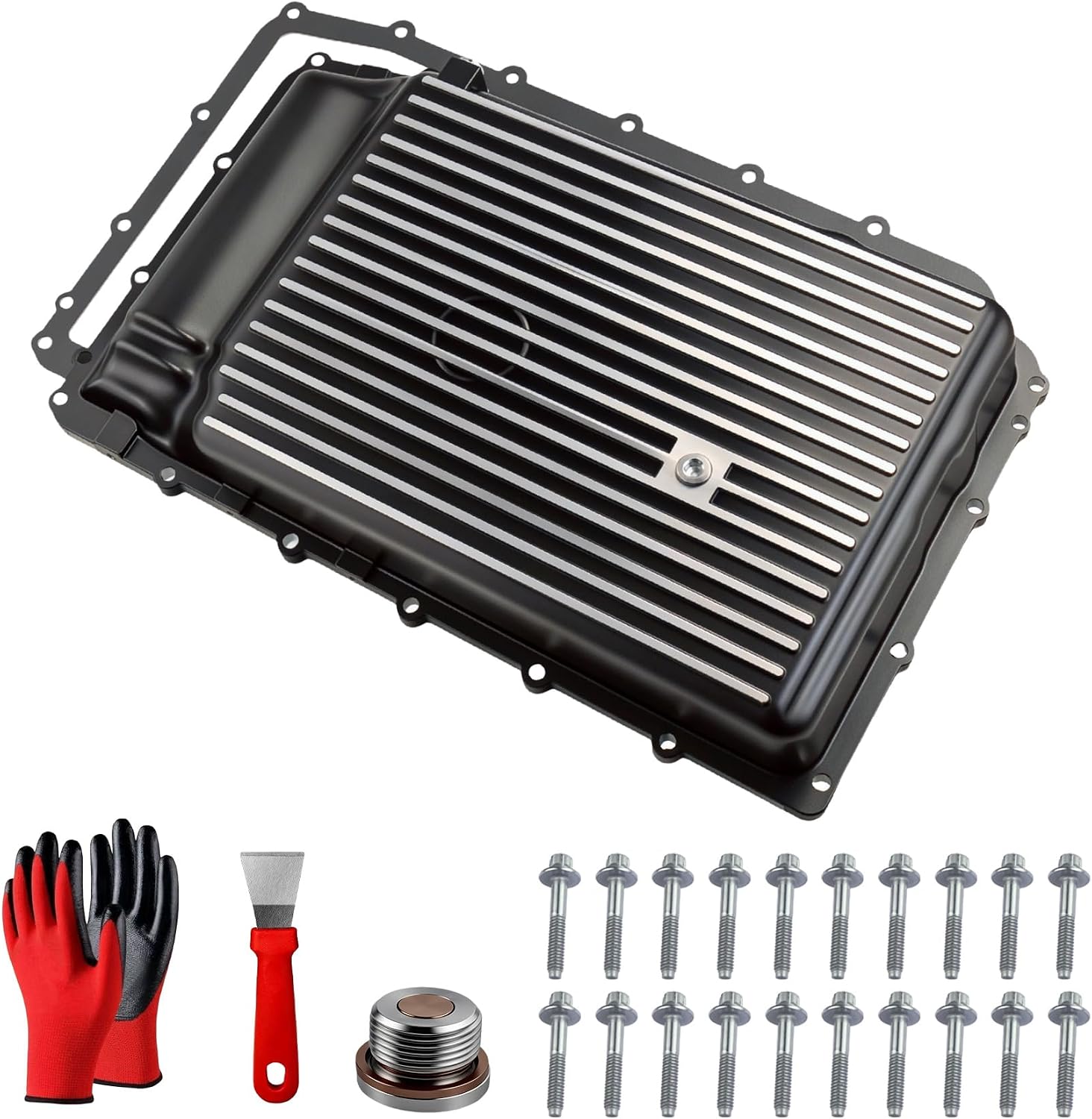
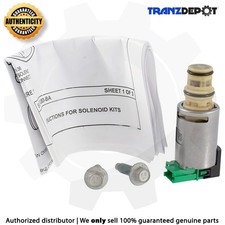
Catch the fluid when you open the lines, and inspect the old cooler for metal or friction material; debris in the core means debris in the transmission, and the cause has to be found. Back-flush the lines and the heat exchanger before connecting the new core, and replace any soft or swollen rubber hose. Refill with MERCON ULV, then set the level with the fluid at the 206-215 F check range, not cold. Sonnax gives a 13.0 quart dry fill for a 2020 F-150 4x4 as a reference point, but a cooler swap only needs the fluid you lost topped back up. This is also a good time for a pan and filter service; the 10R80 aluminum pan kit with filter adds a drain plug for future changes. If heat has already caused converter clutch shudder, the 10R80 TCC solenoid is the usual next check.