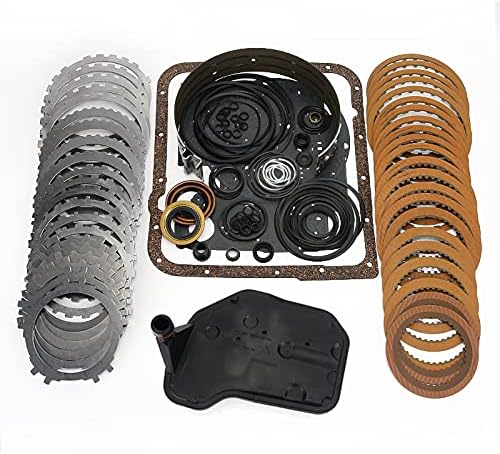
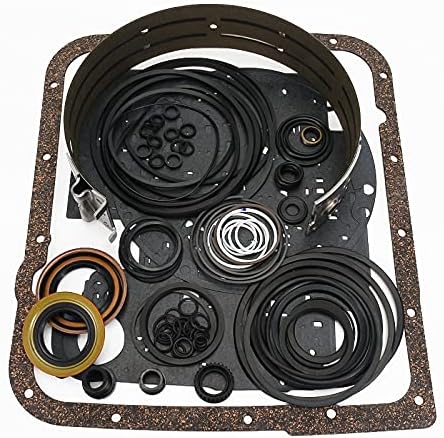
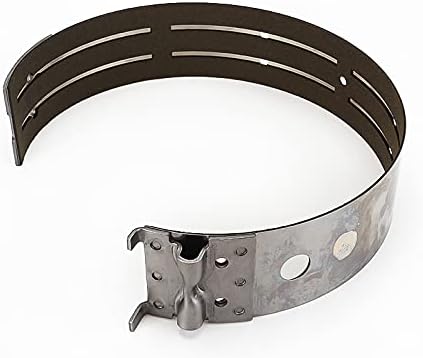
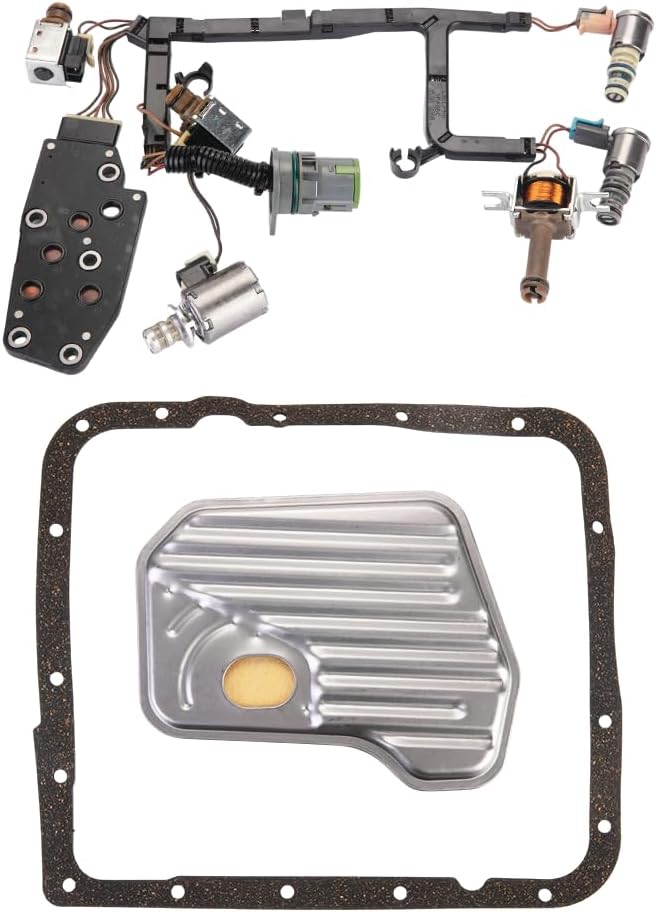
If your 1997-2003 Silverado, Sierra, Tahoe, Yukon, Suburban, S10, Sonoma, Blazer, Camaro or Corvette has lost fourth gear, flares on the 3-4 shift, or came back with black fluid and clutch material in the pan, this is the box that lets you rebuild the whole 4L60E at once. It pairs a full overhaul set (pan gasket, case and valve body gaskets, sealing rings, lip seals, O-rings and small parts) with high-energy friction plates, a full set of steels, a new pan filter and a wide 2-5/8 in. 2-4 band. The kit is also listed as fitting the 4L65E.
What a master rebuild kit does in a 4L60E
The 4L60E gets its four gears from the forward, 3-4, reverse input and overrun clutches plus the 2-4 band, so every gear depends on soft parts this kit replaces. Each drum is sealed by rings and lip seals; once those harden or the frictions glaze, apply pressure leaks away and the pack slips, which cooks the fluid and speeds up the next failure. Renewing every seal and every clutch surface in one teardown resets all of them to the same starting point instead of leaving an old pack next to a new one.
The heavy-duty angle here is the 3-4 pack and the band. The 3-4 clutch is the usual first casualty in this transmission, and the wider band spreads holding force across more drum surface for second and fourth gear. Sonnax notes a trade-off worth knowing: cramming in more, thinner plates raises static holding but reduces the steel mass that pulls heat out of the pack, so do not treat any kit as a cure for a tune that is overloading the unit.
Symptoms that call for a full rebuild
- No fourth gear, or a flare and engine rev on the 3-4 upshift
- Slipping in second that gets worse when hot, which points at the 2-4 band
- Burnt-smelling, dark fluid with friction material or metal in the pan
- Leaks from several places at once: pan, rear seal, cooler fittings
- No third and fourth after a bang, a sign of a stripped sun shell (a hard part not in this kit)
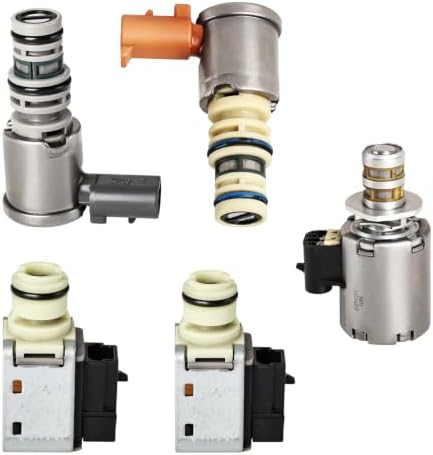
- Converter clutch slip code P0741 coming back after a repair, often tied to valve body bore wear
How to confirm before you buy
Drop the pan first. Fine gray paste is normal; flakes of friction material, brass or steel chunks mean internal damage and a rebuild. Check fluid level and condition, then scan for codes so you know whether a solenoid or valve body problem is part of the story. If the pan looks clean and the complaint is only shift feel or converter slip, a valve body repair may be enough; our 4L60E valve body rebuild walkthrough shows how to vacuum test bores before committing to a full teardown.
Fitment
This kit is listed for 1997-2003 4L60E transmissions and the 4L65E. GM changed seals, pistons and some drums over the 4L60E run, which is why we stock separate 1993-1996 and 2004-up kits. Confirm your build date and transmission tag before ordering, or send us your year and VIN and we will check it. You can compare every version on our 4L60E parts page.
Install notes
- Soak new frictions in clean ATF before assembly and air-check each clutch after it is built.
- The wide band should go on a new or resurfaced drum. Sonnax warns that an old band leaves a subtle dish on the drum, and a wider band on that dish slips and glazes in second.
- Set 2-4 servo travel rather than shimming the servo; Sonnax gives 0.075 to 0.125 in. as the target range.
- Check gear train end play. Transmission Digest cites a 0.005 to 0.036 in. spec with 0.020 to 0.025 in. preferred.
- Refill with Dexron VI, GM's current fluid that replaces the original Dexron III spec.
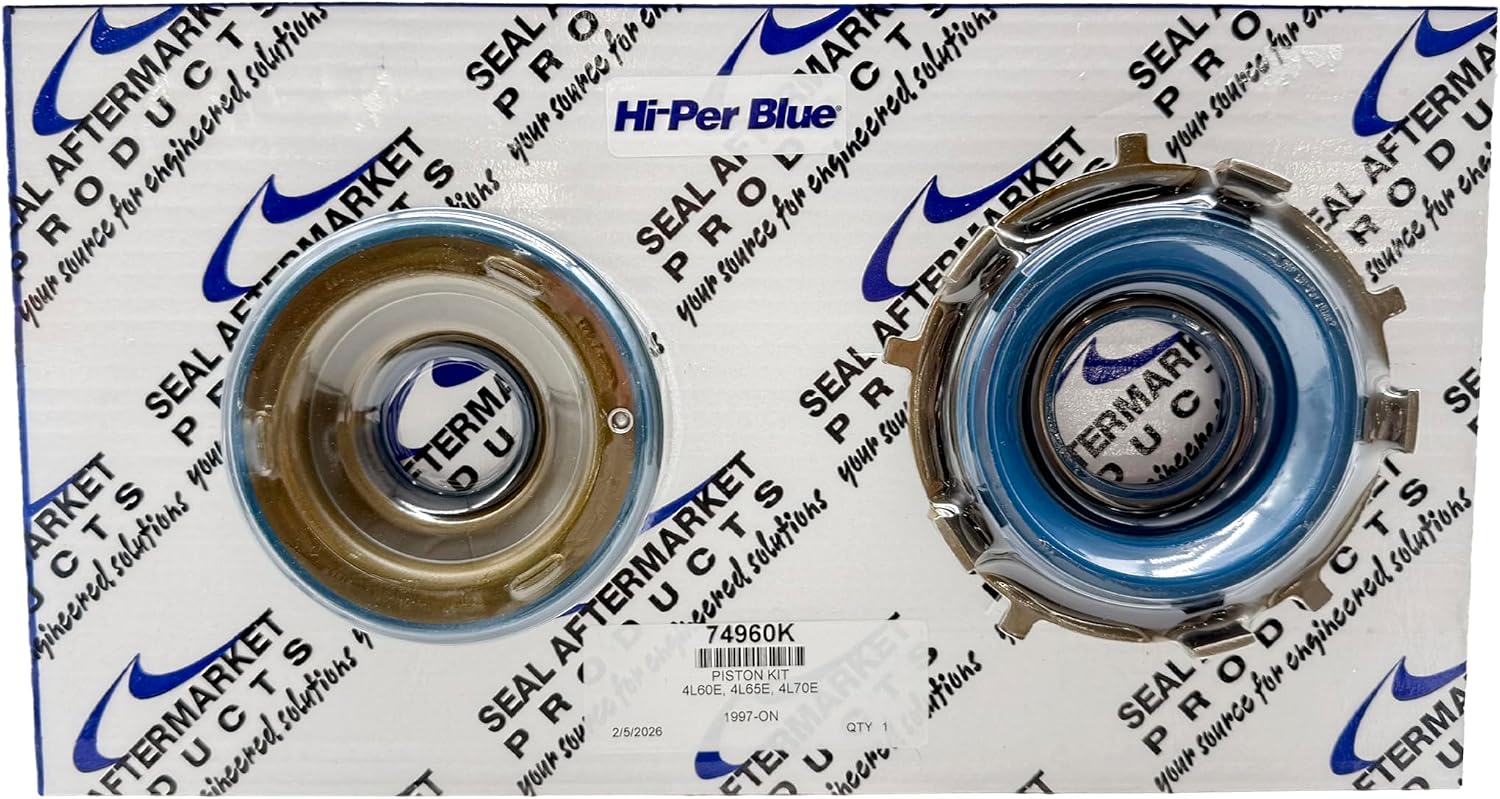
Inspect the drums, bushings, sun shell and pump while it is apart, since hard parts are not included. Bonded pistons such as our Hi-Per Blue piston kit are a smart add, and the Teflon seal installer and resizer set makes the turbine and stator shaft rings go on without damage. Our 4L60E bench tool guide lists the rest of what you will need on the bench.