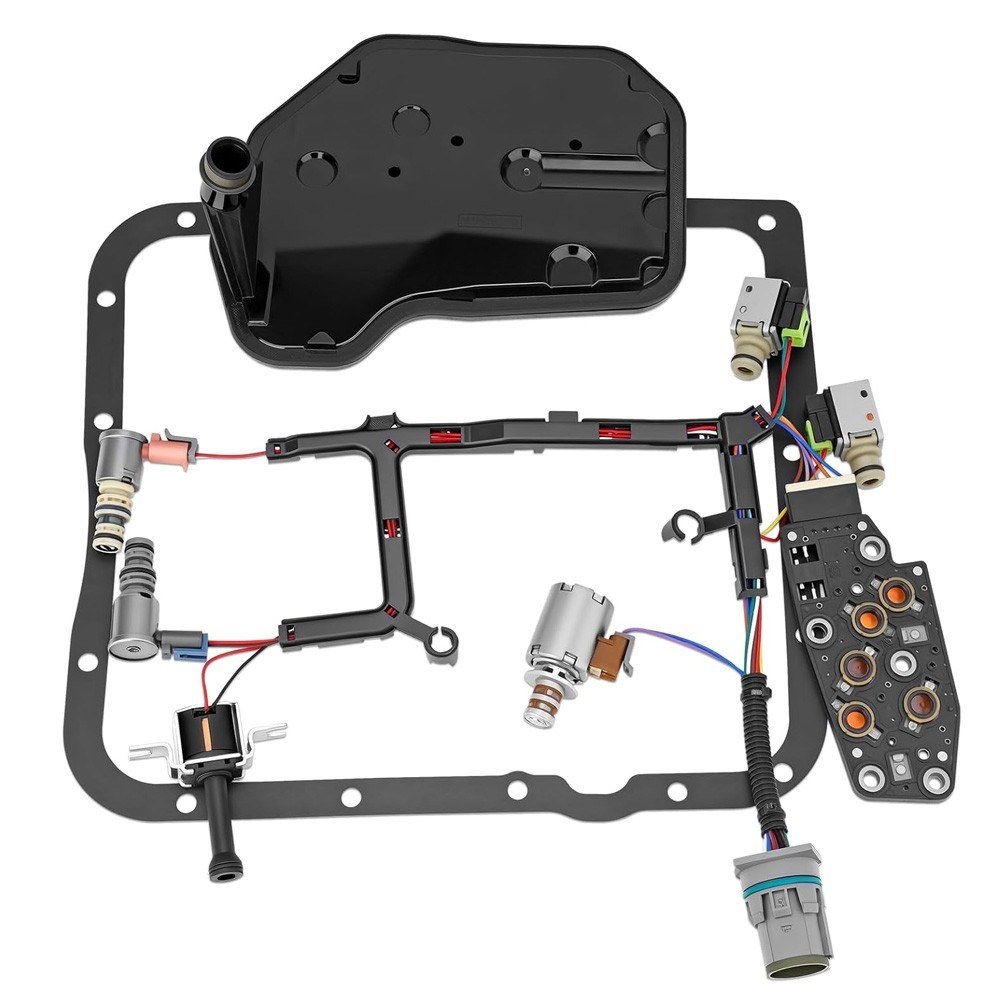
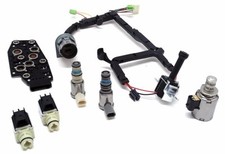
When a 2003-2006 Silverado, Sierra, Tahoe, Yukon, Suburban, Avalanche or other 4L60E vehicle starts banging into gear, firming up every shift for no reason, or slipping soft on the 2-3 and 3-4 under load, line pressure control is the first circuit to suspect. This is a new GM pressure control solenoid, also called the EPC or force motor, listed for the 2003-06 4L60E at $130.99 with a 1-year warranty. It is the single part that decides how hard every clutch and band in the transmission is applied.
What the pressure control solenoid does in a 2003-06 4L60E
The pressure control solenoid is fed a steady supply of oil by the AFL valve and turns a varying electrical current from the computer into a signal pressure. That signal pushes on the boost valve, which moves the pressure regulator and sets main line pressure. More current means less pressure, so at idle the computer commands close to an amp and at wide-open throttle it drops current toward zero for maximum line pressure. Because the solenoid is constantly oscillating to hold that balance, both the solenoid and the bores around it wear. A sticky or contaminated solenoid tends to leave pressure high and every shift firm. A weak one, or a worn bore that bleeds signal oil, lets pressure fall and the clutches slip, which is how a 3-4 clutch pack gets burned.
Symptoms on 2003-06 vehicles
- P0748 stored for the pressure control solenoid electrical circuit
- Hard engagement from Park into Drive or Reverse, worst when cold
- Firm, abrupt upshifts at light throttle that never settle down
- Soft or slipping upshifts while towing or climbing, followed by burnt fluid
- Shift feel that changes from day to day with no codes at all
How to confirm it before buying
Electrical first, hydraulic second. ATRA's 4L60E circuit test bulletin shows how to read actual EPC current with a meter in series or an amp clamp and compare it with what the scan tool says it is commanding. Transmission Digest warns that the commanded amperage reading on the scan tool cannot be trusted by itself, so get a real measurement and put a gauge on the line pressure port. A solenoid that measures correctly while pressure still will not rise with throttle points to the boost valve, pressure regulator or AFL bores, not the solenoid. Our 4L60E EPC solenoid guide explains the circuit, and the line pressure specs and testing guide shows where the gauge goes and what readings to expect.
Fitment
This listing covers the 4L60E in 2003 through 2006 vehicles. Sonnax's 4L60-E valve body identification guide marks 2003 as the start of a later valve body casting and EPC style, so a 1993-2002 transmission needs the earlier part, such as our 1994-2003 pressure control solenoid. The 2006 model year also brought an input speed sensor and a revised internal harness and pass-through connector, so on a 2006 confirm the connector on your old solenoid matches the photo before ordering. Check that your vehicle is a 4L60E (RPO M30) rather than a 4L65E or 4L70E, compare the solenoid body and connector, or send us your year and VIN and we will confirm the fit. All other versions are on the 4L60E parts page.
Install notes
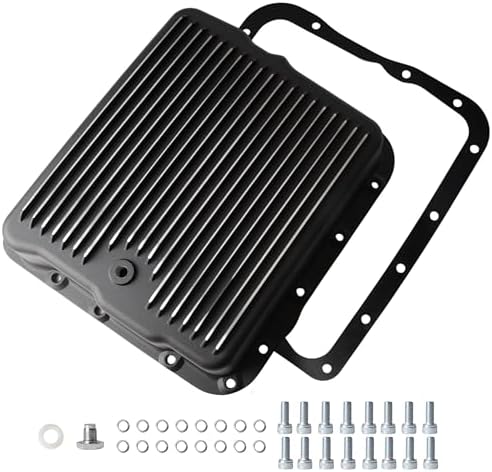
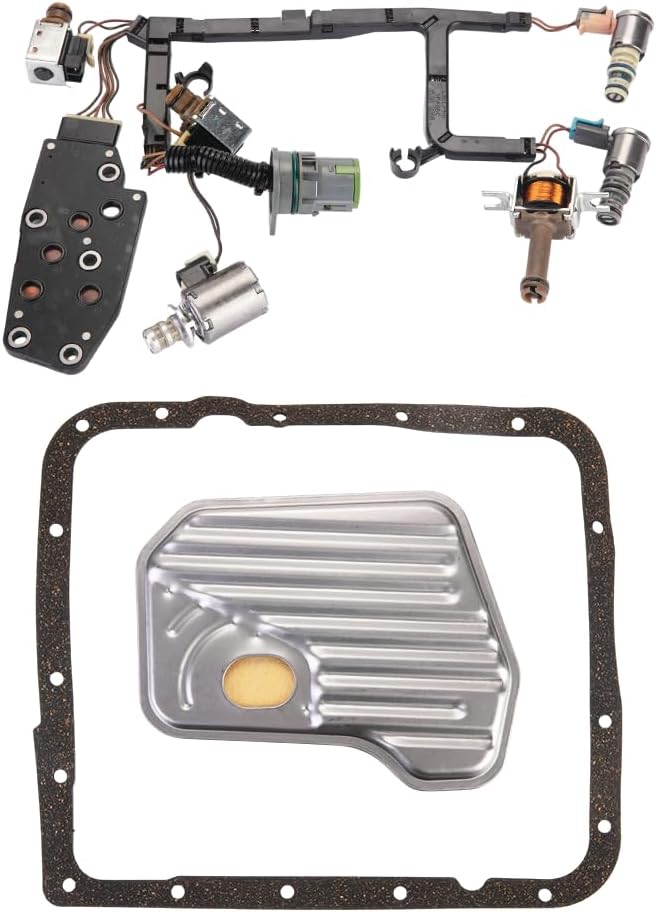
Drain the fluid and drop the pan, then inspect the filter and magnet. Clutch material in the pan means the solenoid has already let something slip and a high energy 3-4 clutch pack may need to go on the order. Unplug the solenoid from the internal harness, remove its retaining bracket and pull it from the valve body. Look inside the bore and at the solenoid screen for varnish or metal. Lube the new O-rings with ATF, push the solenoid in by hand, refit the bracket and reconnect the harness. Install a new filter and gasket, refill with Dexron VI and set the level hot. Clear codes and reset adapts, since the computer may have been adding pressure to compensate for the old solenoid. If the shift solenoids are original too, the 2003-2007 4L60E solenoid kit renews them in the same job.