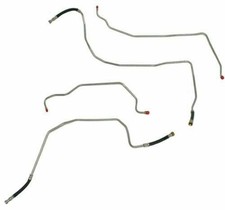
On a 2000-2006 GM truck or SUV with the 4L60E, the transmission cooler circuit is a run of steel tubing from the case to the radiator tank and any auxiliary cooler, and after twenty years of road salt those lines rust through, weep at the crimped hose sections or get crushed by a jack. As the photo shows, this listing is a new steel cooler line set with its rubber hose sections, not a radiator-style core. If you are chasing a red drip under the passenger side, a low fluid level that keeps coming back or an overheating warning after a cooler leak, this is the part that fixes it.
What the cooler lines do in a 4L60E
The 4L60E sends hot fluid out of the torque converter circuit to the cooler, and the cooled return oil feeds the transmission's lubrication circuit on its way back into the case. GM's cooler flow bulletin identifies the 4L60E feed as the bottom fitting at the case and the return as the top fitting, and it states plainly that insufficient cooler flow causes premature transmission failure. A pinhole, a kink or a collapsed hose section does two jobs of damage at once: it lets fluid out and it starves the lube and converter circuits of flow.
Symptoms of failing 4L60E cooler lines
- ATF dripping or spraying near the transmission, along the frame rail or at the radiator end
- Fluid level dropping between checks with no leak at the pan or seals
- Transmission temperature climbing toward the hot warning when towing or idling in traffic
- Rust scale, swelling or cracked rubber on the hose sections
- Burned 3-4 clutches or a slipping 3-4 shift after a line let go at highway speed
How to confirm the lines before you buy
Clean the lines and fittings, run the engine and check them hot, because a seeping line often only shows under pressure. Inspect the full length with a light, paying attention to where the steel passes clips and crossmembers, which is where rust starts. If the transmission has already failed or the fluid smelled burnt, the lines and cooler must be flushed or replaced, since debris left in them goes straight into the new parts. Our 4L60E cooler flush guide covers the flow test, and the 4L60E overheating guide explains the heat side. Sonnax documented a 2000 Chevrolet pickup that lost its 3-4 clutches after the radiator line retaining clip failed and the top line walked out of the case.
Fitment
This set is listed for the 4L60E in 2000-2006 applications. Cooler line routing changes with chassis, cab and bed length, wheelbase, engine, two- or four-wheel drive and whether the truck has an auxiliary or tow-package cooler, so the same transmission can use different lines. Compare the bends, fitting ends and hose locations in our photo to your existing lines, or send us the year, VIN and configuration so we can confirm a match before it ships. See all 4L60E parts for other components in this range.
Install notes
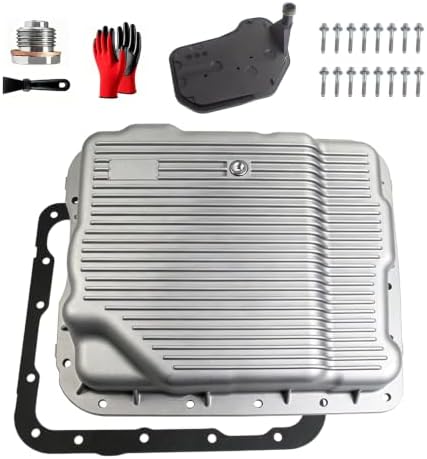
Lay the new lines next to the old ones before removing anything to confirm the bends. Release the case fittings with the correct quick-connect tool and inspect the retaining clips, replacing any that are cracked or weak so a line cannot back out. Route the new lines through the original clips so they do not rub the frame or exhaust. Refill with Dexron VI ATF, run the engine and check the level hot, then recheck for leaks after a drive. If the fluid was contaminated, change the filter with a fresh pan, filter and gasket kit, and consider adding an external cooler with a braided 6AN cooler line kit if the truck tows regularly.