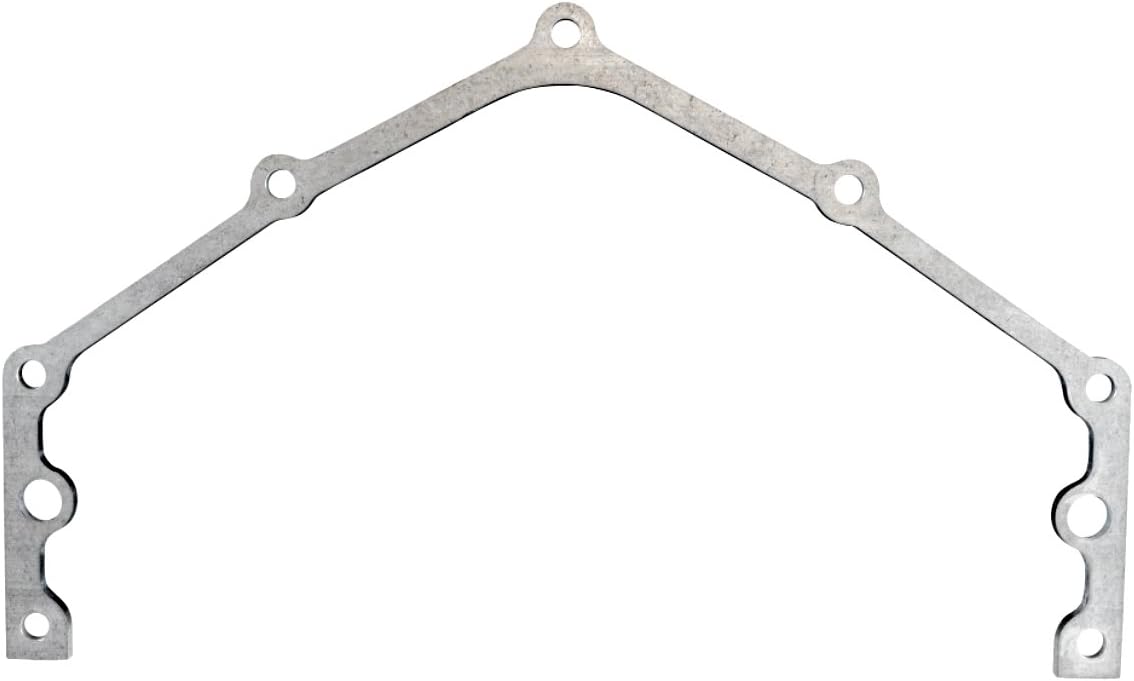
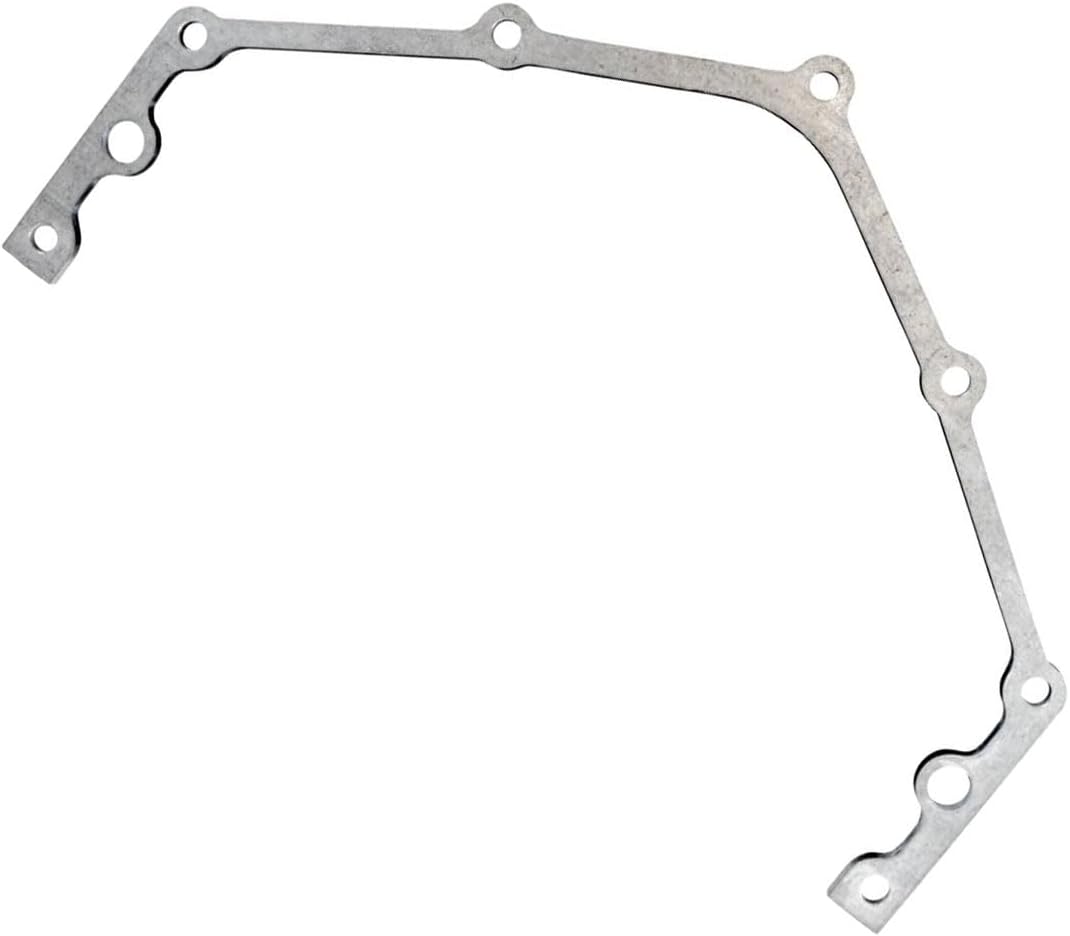
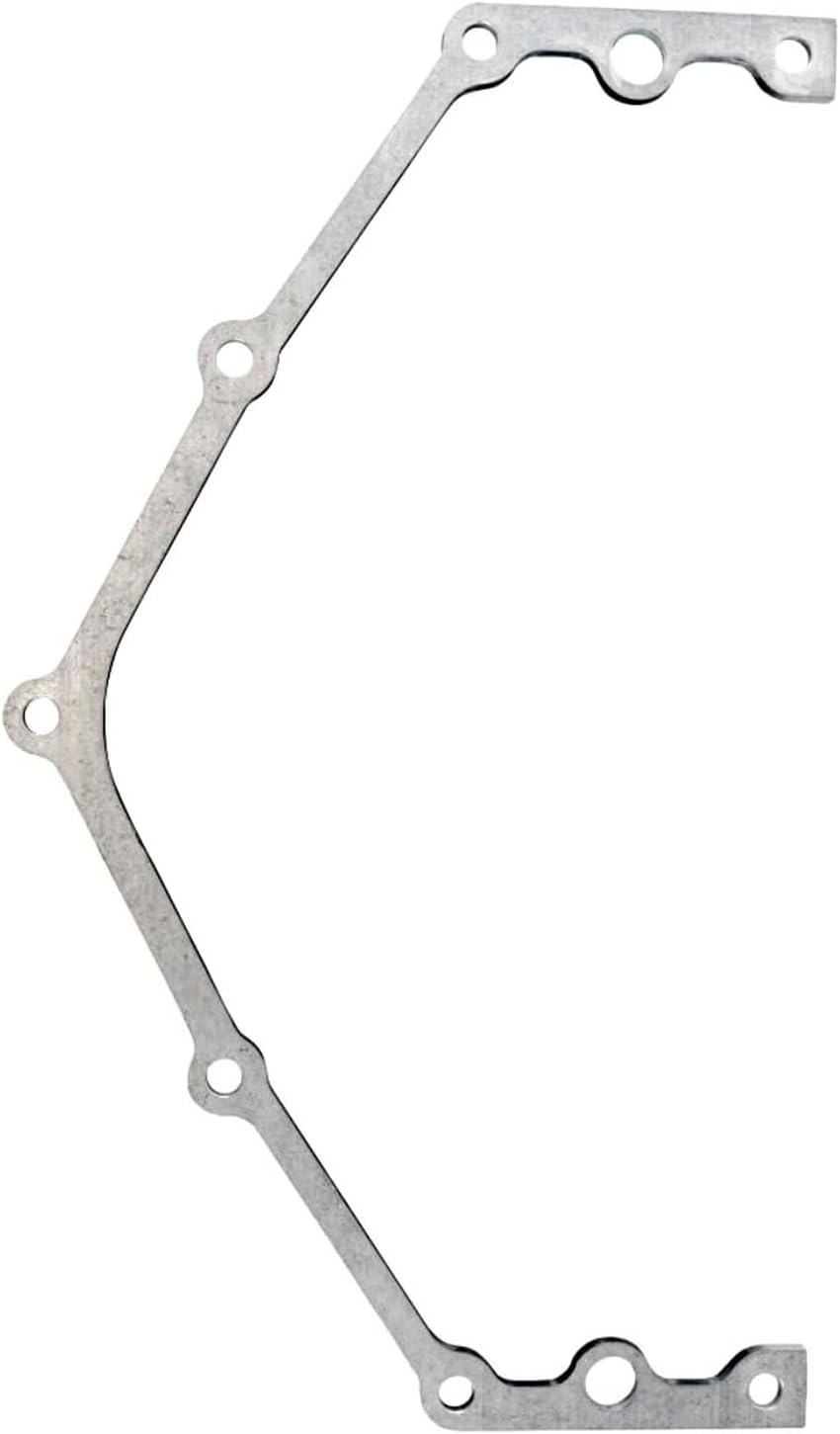
If you are bolting a 4L80E, 4L60E, TH400 or TH350 behind an LS or LT engine and the torque converter will not pull forward to meet the flexplate, you have a depth problem, and forcing it closed is how front pumps get destroyed. This quarter-inch billet aluminum spacer plate goes between the engine block and the bellhousing, moving the whole transmission back 0.250 in. so the converter sits where the pump was designed to see it. It is one piece, machined from hardened aerospace-grade billet, part number 551820-250, and made in Wichita, Kansas.
What the spacer plate does in a 4L80E or 4L60E swap
Every automatic expects a fixed distance between the block face and the point where the converter snout pilots into the crank. When the crank flange sits deeper than the transmission expects, which is common on LS and LT engines, short-crank truck engines and mixed-generation swaps, the converter bottoms out in the crank pilot before its pads reach the flexplate. Bolt it up anyway and the converter hub is pushed into the pump gears. The pump then wears itself out, often within a few hundred miles. Adding a quarter inch between block and bellhousing restores that lost depth without touching the crank, the flexplate or the case. On a 4L80E, with its large converter and heavy-duty pump, getting this wrong means a full teardown, so it is worth measuring before the first start.
Problems this plate prevents
- A whine or growl from the front of the transmission shortly after the swap, from converter hub load on the pump gears
- A leaking front seal and a worn pump bushing
- A converter that cannot be bolted to the flexplate without drawing the engine and transmission together with the bolts
- Cracked flexplates from a converter that is preloaded against them
How to confirm you need it
With the converter fully seated in the pump (you should feel it drop in over the input shaft, stator splines and pump drive), mate the transmission to the engine and try to slide the converter forward to the flexplate. You want 1/8 to 1/4 in. of free play between the converter pads and the flexplate before you install the bolts. No play, or a converter that already touches the plate, means it is sitting too deep and the spacer is the fix. Too much play after you add the spacer means the flexplate is wrong, not the plate. Read the crank flange notes on our 6-bolt 4L80E flexplate listing, and see the LS to TH350 and 700R4 adapter kit if your problem is converter pilot engagement at the crank rather than bellhousing depth.
Fitment
The plate uses the standard Chevy small-block bellhousing bolt pattern and the factory dowel locations, so nothing is drilled or clearanced. Engine side, it fits Gen I through Gen V Chevy engines: small-block, big-block, LS1, LT1, 4.8, 5.3, 6.0 and 6.2. Transmission side, it works with any case carrying the SBC pattern: Powerglide, TH350, TH400, 700R4, 4L60E, 4L65E, 4L70E, 4L80E, 6L80E, 6L90E, 8L80E and the T56 manual. It is a swap and build part, not a replacement for anything a factory truck shipped with, so measure your own combination. Browse matching swap and service parts on our 4L60E parts page.
Install notes
- Bolt the plate to the block face first, then set the bellhousing against it. You need bellhousing bolts 1/4 in. longer than stock; they are not included.
- Dowel pins are not included either. Make sure your dowels engage both the plate and the bellhousing so the transmission stays centered on the crank.
- Recheck converter free play after the plate is on, then torque the converter bolts.
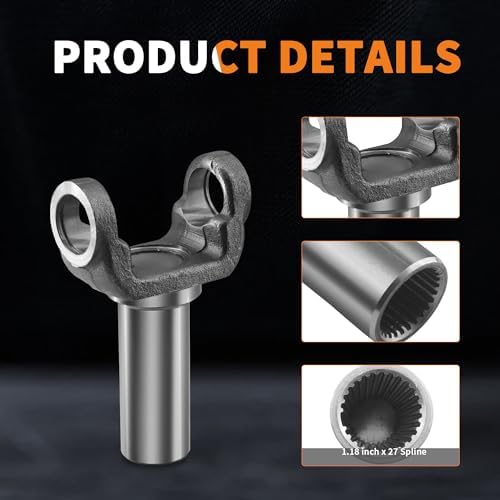
- Moving the transmission back shortens the space for the driveshaft. Check slip yoke engagement and consider a new 1350 series 4L60E slip yoke if yours is worn or marginal. Check the crossmember and mount position too.
- Some short-crank LS builds stack two plates when converting an automatic crank to a manual setup. Measure before stacking.
- If the pump already ran with a preloaded converter, inspect the pump bushing and gears before reusing it. Our 4L60E common problems guide covers what internal damage looks like.