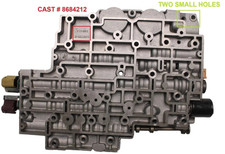
The 4L80E's 1992-1996 production run covers two real running changes worth knowing before you order a valve body: GM deleted the separate output speed sensor and its toothed wheel on 4WD units during the 1994 model year, moving that pickup point to the transfer case, and the valve body's boost valve circuit was revised in 1995 to stop a reverse-oil leak past a worn boost valve sleeve. A 1992-1996 4L80E that shifts harsh, slips, hangs before engaging, or sets a pressure or ratio code needs a valve body built for the correct side of those changes, and this listing is remanufactured specifically for that year range, backed by a 1-year warranty.
What the valve body does in a 4L80E
The valve body is the hydraulic brain of the transmission. Line pressure from the pump passes through a stack of precision bores and spool valves, and those valves direct pressure to the correct clutch pack or band for the gear the computer has selected. On these early electronic 4L80E units, the valve body also houses the boost valve and pressure regulator assembly that sets base line pressure before the shift solenoids ever get involved, so wear here can push pressure either too low or too high depending on which bore is affected.
Symptoms this fixes
- Harsh, late, or flared shifts between gears
- Slipping between gears or no upshift under load
- Reverse-only leakage causing weak or no reverse engagement
- Buzzing noise or unusually high, climbing line pressure from a worn boost valve sleeve
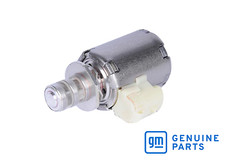
That last symptom catches people off guard, since most valve body wear is assumed to cause low pressure and slipping. On the pre-1995 boost valve design specifically, a worn sleeve can let pressure climb instead, which feels like harsh shifting rather than slipping. On 4WD trucks built before the 1994 change, a confusing shift complaint can also trace back to the separate output speed sensor rather than the valve body — our speed sensor symptoms guide covers how to tell the two apart.
How to confirm it before you buy
Test line pressure in Reverse, 3rd, 4th and manual 1st against the factory chart, and note whether pressure is low (classic slip/delay symptoms) or unusually high (boost valve sleeve wear on pre-1995 units). Diesel trucks in this range with the 1994-and-later 6.5L electronic injection pump have their own documented low line pressure path separate from the valve body, so rule that out first if you're on a diesel. Our valve body testing guide covers the gear-by-gear pressure check, and the wear guide maps the specific bore numbers tied to each symptom.
Fitment
This valve body fits the 1992-1996 4L80E behind GM gas V8s and the 6.5L diesel in the 1991-2009 Chevrolet and GMC 2500/3500 pickups, Suburban 2500, and Express/Savana vans. Do not interchange output planetary carriers between pre-1994 output-speed-sensor units and 1994-and-later units without confirming the carrier matches — they are not universally interchangeable. If you're not certain which side of the 1994 or 1995 changes your truck falls on, our 1991-1996 and 1993-1996 listings cover adjacent spans, or browse the full 4L80E parts collection.
Install notes
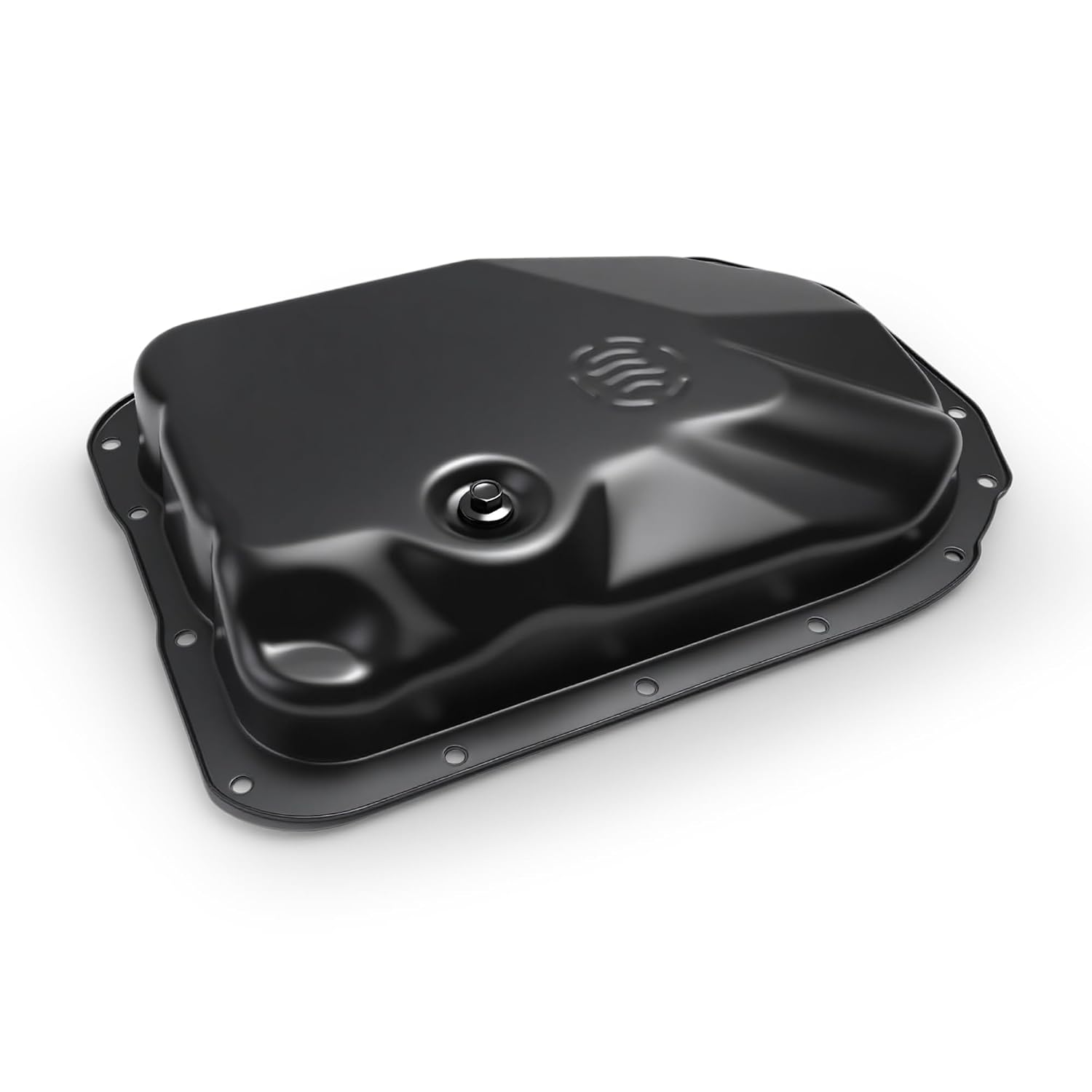
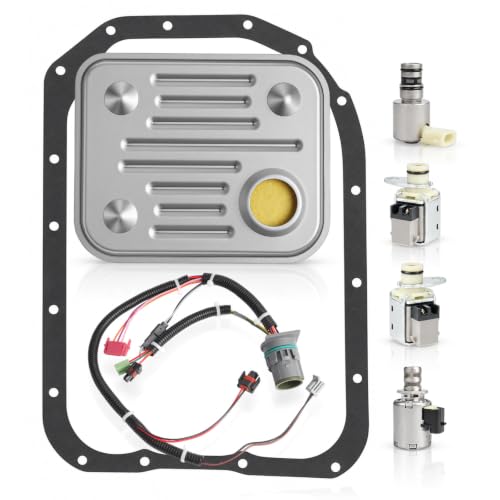
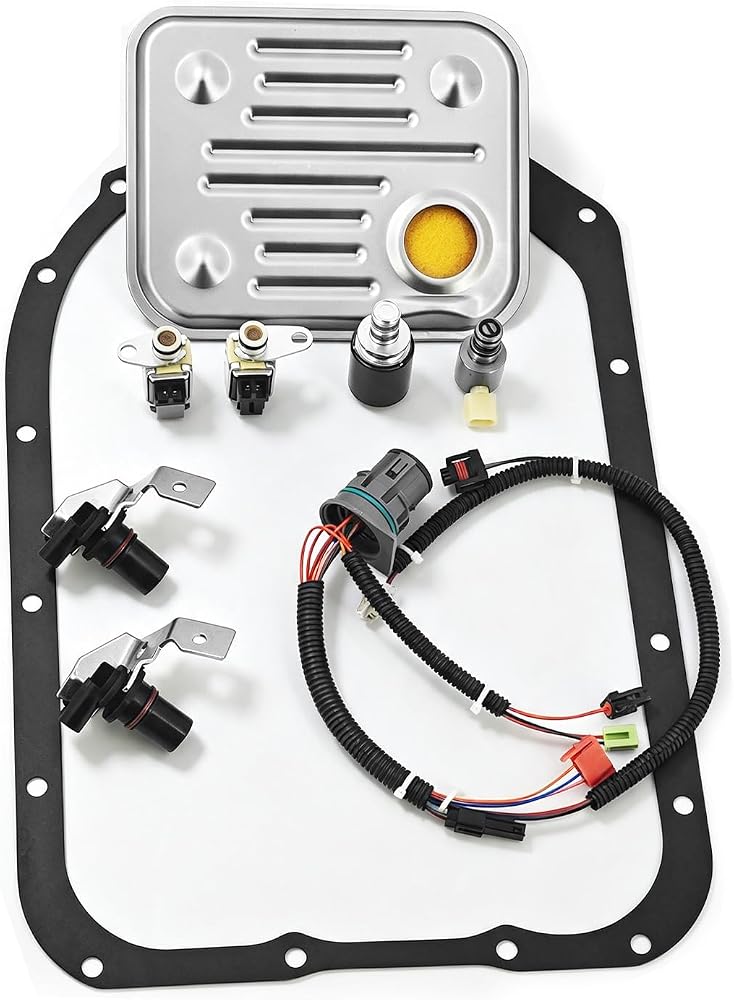
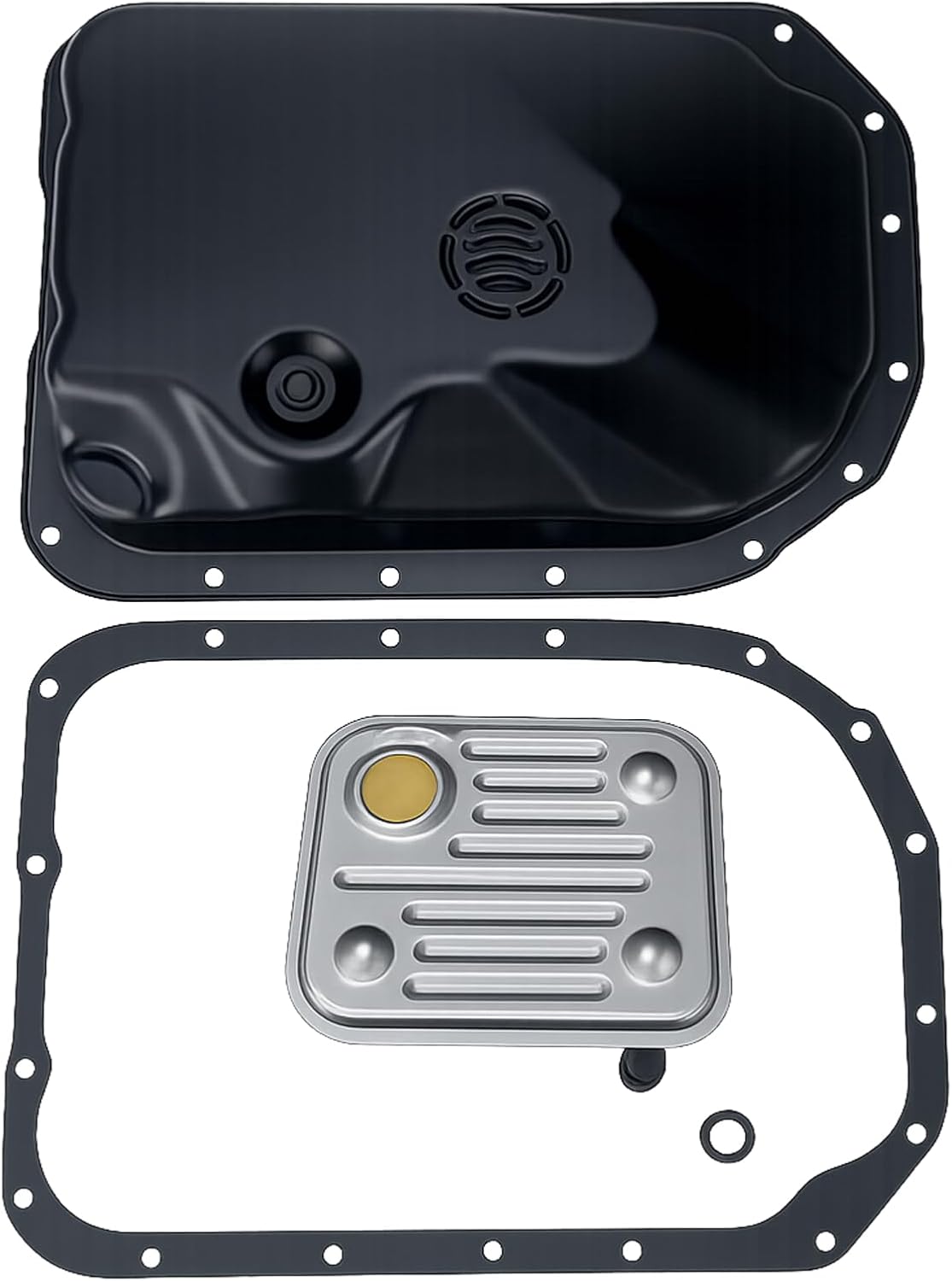
Drop the pan and install a fresh filter and gasket — our oil pan kit with filter and gasket covers that — and fill with Dexron VI ATF. Torque the valve body bolts in sequence to spec, then run the adaptive shift relearn. If the output speed sensor or its wiring is original to the truck, test it while you're in there; a solenoid kit with harness and speed sensors is worth pairing with this install on a high-mileage early unit rather than reusing 30-year-old wiring.
Sources
- ATRA, Technical Bulletin #266, "4L80E Updates"
- Sonnax, Boost Valve Kit 34200-01K
- Transmission Digest, "Low Line Pressure in 4L80-E in Diesel-Powered Trucks"