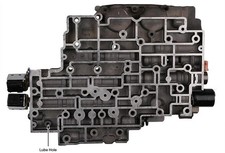
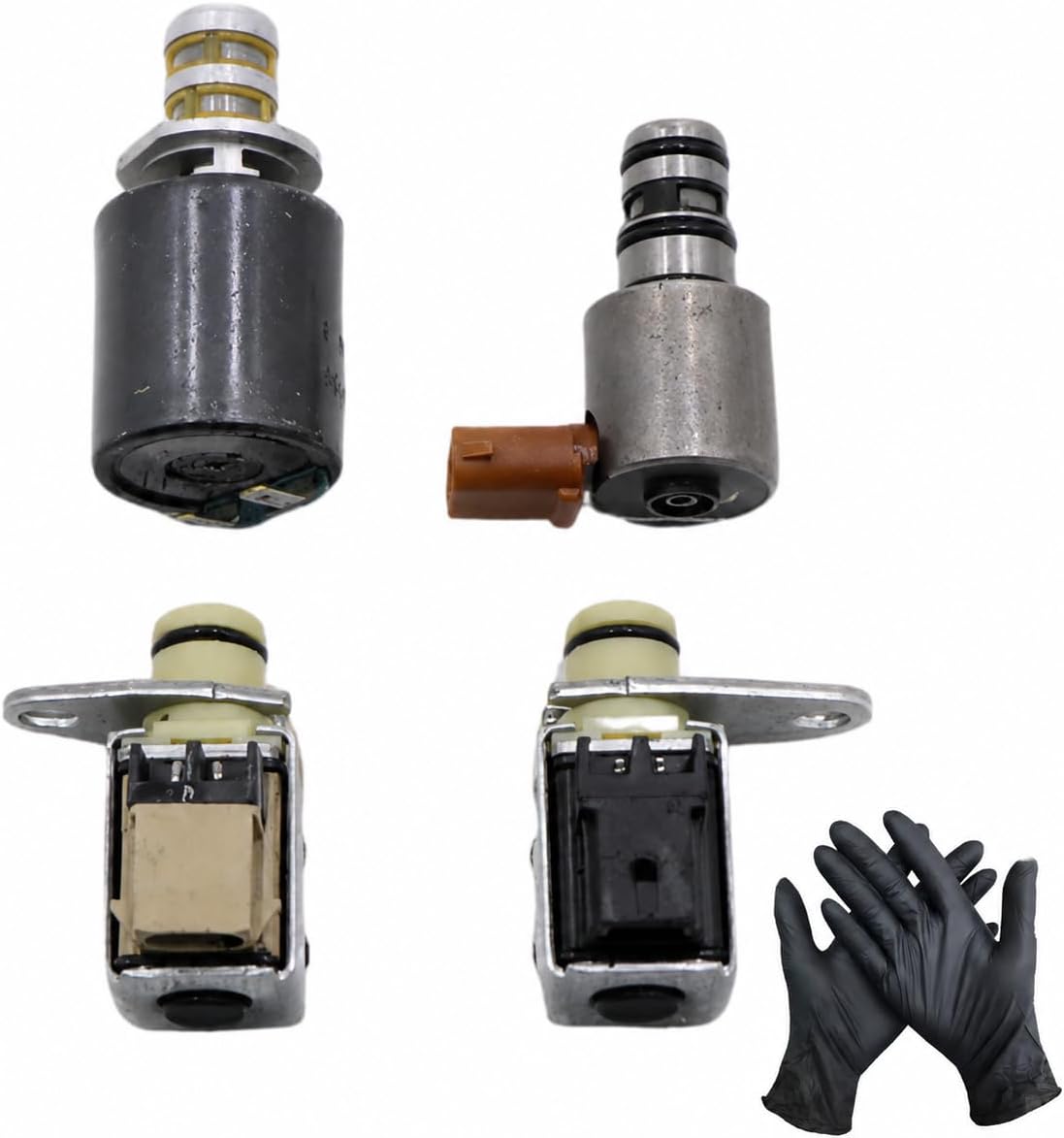
A 1997-2003 Chevrolet or GMC 2500/3500, Suburban 2500, or full-size van running the 4L80E that has started shifting harsh, flaring between gears, or shuddering when the torque converter clutch locks up is usually telling you the valve body has worn past where fluid changes and solenoid swaps can fix it. This remanufactured valve body is bench-built for that 1997-2003 production run and is ready to bolt in once the old unit comes out.
What the valve body does in the 4L80E
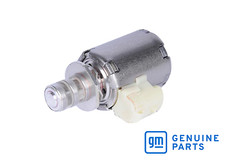
The 4L80E is GM's heavy-duty electronic automatic built for towing and payload work, and the valve body is the part that turns the computer's shift commands into actual hydraulic action. Line pressure from the pump routes through precision bores and spool valves to apply the clutch packs and bands, while the shift and pressure control solenoids mounted on the casting are what the transmission control module fires to time every shift. By the 1997 model year, GM's production had already picked up the mid-1990s boost valve revision, so a worn unit in this range is almost always failing from mileage and heat rather than the earlier casting issue.
Symptoms this fixes
- Harsh, late, or flared 1-2, 2-3, or 3-4 shifts
- Slipping between gears, or a 4th gear that will not engage
- Torque converter clutch shudder or slip-bump at cruise, especially towing
- Limp mode with a stored pressure control or shift solenoid code
- On 6.5L diesel-powered trucks in this range, line pressure that reads low across the board even after the solenoids have been checked
Our 4L80E valve body problems and testing guide walks through splitting the hydraulic, electrical, and mechanical circuits before you condemn the valve body, including how the diesel injection pump path can mimic a line pressure fault that actually traces back to the pump itself.
How to confirm it before you buy
Pull codes first and road test with a scan tool watching line pressure and solenoid commands. A healthy pressure control solenoid should draw roughly 0.9 to 1.1 amps at idle and drop toward 0.2 amps or less at wide-open throttle; a reading well outside that range, paired with a harsh or slipping shift pattern, points at the valve body rather than the solenoid itself. If the fluid is already dark and burnt, check the clutch packs too, since a tired valve body and worn clutches often show up together on a truck that has towed hard for years.
Fitment: 1997-2003 4L80E
This valve body is built for the 4L80E as installed in 1997-2003 Chevrolet and GMC 2500/3500 pickups, Suburban 2500, Express and Savana vans, and the Hummer H1. The 4L80E ran through several running changes across its production life, so match your old unit's casting number and connector count against this one, or send your year, model, and VIN before ordering if you are not certain. Every 4L80E part we carry is grouped on the 4L80E parts page.
Install notes
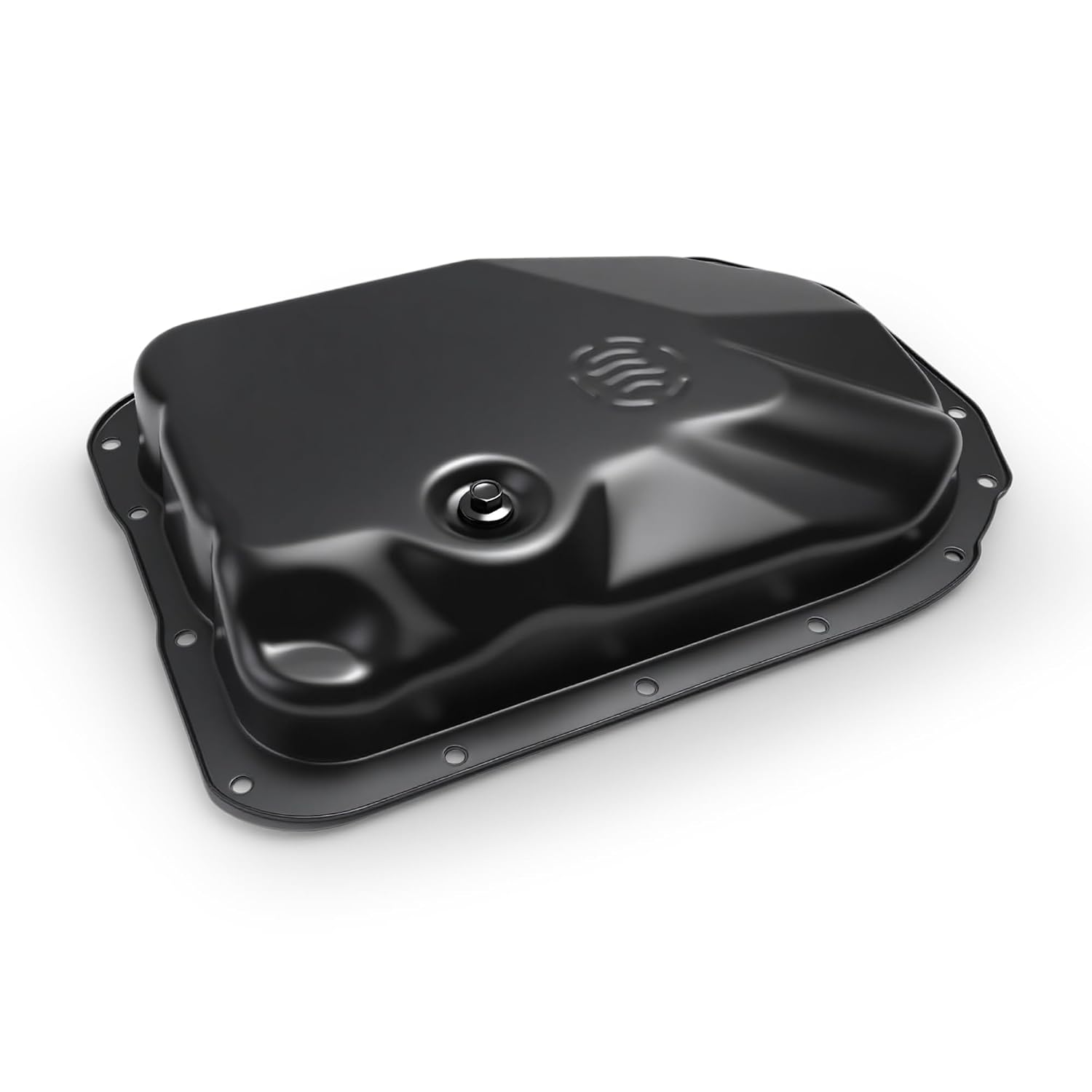
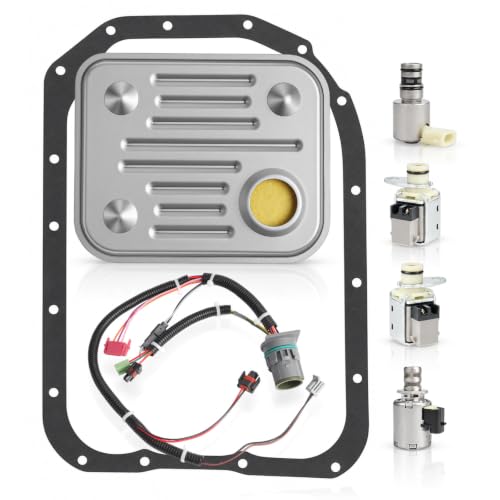
Drop the pan and change the fluid and filter at the same time the valve body goes in, so metal and clutch debris from the old unit never reaches the new solenoids. Torque the valve body bolts in the GM-specified sequence rather than a star pattern, refill with Dexron VI, and run the transmission control module's adaptive relearn once the truck is back on the road; skipping the relearn is the most common reason a freshly installed valve body still shifts rough for the first few drives. If the original failure included a stored shift solenoid code, pair this with a shift solenoid A and B kit rather than reusing the old solenoids on the new casting, and if towing uncovered clutch wear alongside the shift complaint, see our 4L80E common problems guide for the other failures that tend to show up at the same time.