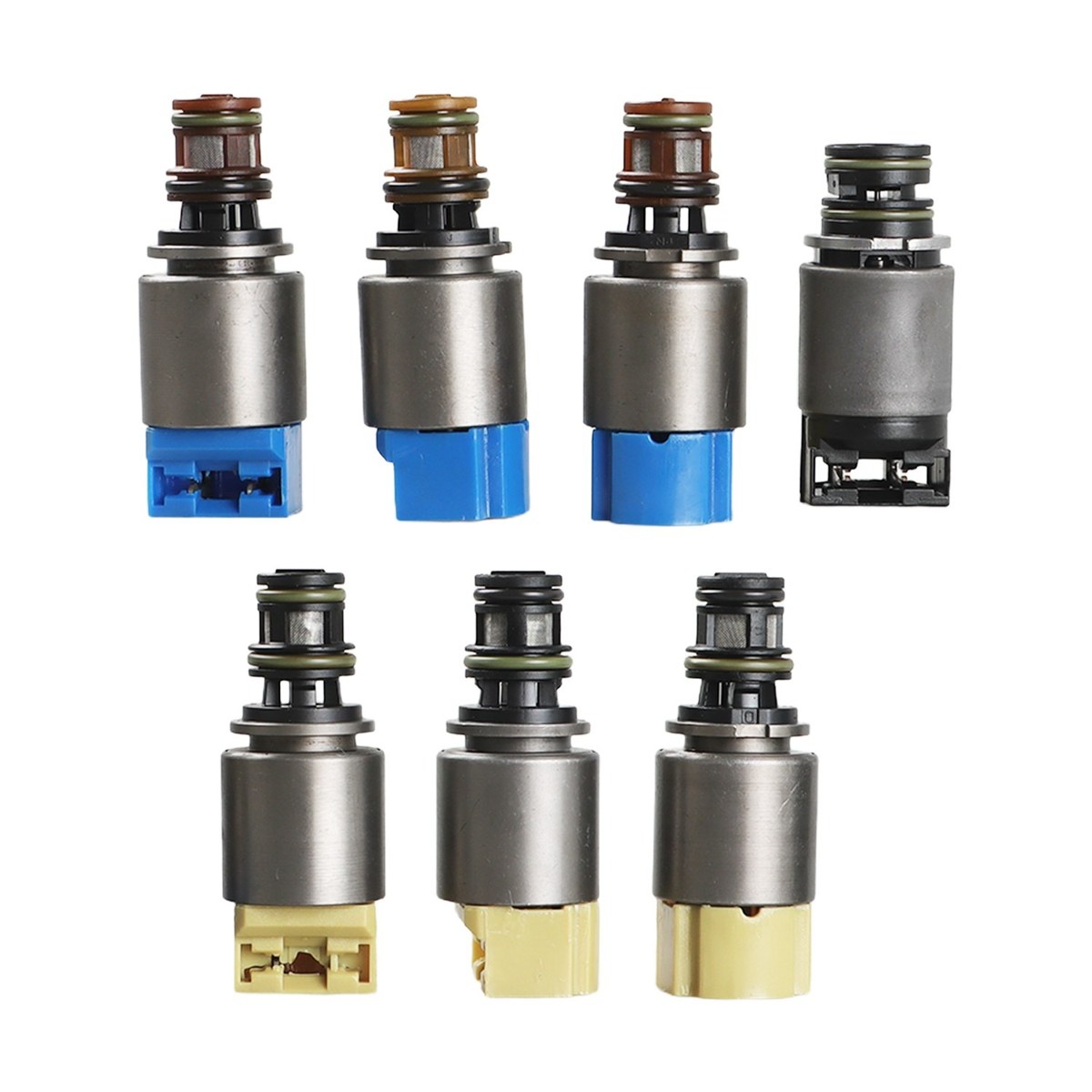
A 2005-2009 ZF 6HP26 that bangs into Reverse, flares between second and third, or drops into a locked gear with a transmission warning on the dash usually has one thing in common: tired solenoids on the mechatronic. This 6HP26 is the high-torque first-generation six-speed found mostly behind V8 and big diesel engines in BMW, Jaguar, Land Rover and Audi models of that era. The set shown is remanufactured and carries a 1-year warranty, so you replace the whole solenoid bank in one pan-off job instead of guessing at one coil at a time.
What the solenoid kit does in a 2005-2009 6HP26
The transmission computer on a 6HP26 never moves a clutch by itself. It sends a controlled current to a solenoid, the solenoid turns that current into a precise oil pressure, and that pressure positions the valve that fills or exhausts each clutch. On the Gen 1 units the solenoid bank is a mix of pressure-regulating EDS solenoids (the blue and tan caps in the photo) and one on-off MV solenoid with a black body, which the second-generation 6HP28 dropped. One of the regulating solenoids sets line pressure for the whole box, so a weak one there is felt on every shift, not just one. All of them draw their working oil from a single solenoid pressure regulator valve, and the module learns a separate flow correction for each bore, which is why a worn set eventually runs the adaptations out of range.
Symptoms that point to this kit
- Flare or a brief neutral feel on one particular upshift, usually 2-3 or 3-4
- Harsh or delayed engagement from Park into Drive or Reverse
- Shift quality that changes as the fluid gets hot, then improves after a restart
- Drivetrain or transmission fault message with the box held in one gear
- Solenoid performance or gear ratio faults in the factory scan tool; a generic reader may only show P0700
- Torque converter clutch slip at cruise alongside harsh shifts, which suggests the shared feed or line pressure side
How to confirm the solenoids before you buy
Rule out the cheap causes first. Check fluid level at temperature and look at the pan magnet, then unplug the round connector at the case. On BMW cars a leaking sealing sleeve lets fluid wick into that plug and causes faults that look exactly like solenoid failure; a wet connector means fix the sleeve before anything else. Once the solenoids are out, test each one twice: a resistance check with the circuit board removed (the Sonnax test manifold instructions give 5 to 6 ohms at 68 F and warn against meters that put out more than 0.6 volts) and a vacuum test, because internal leakage is the failure an ohmmeter misses. Our ZF6HP shift solenoid guide walks through both tests, and if every shift is harsh rather than just one, read the ZF6HP pressure control solenoid guide first, since a worn regulator bore can mimic a bad set.
Fitment: 2005-2009 6HP26
This set is for the first-generation 6HP26 built 2005 through 2009. That window matters because ZF was rolling out the second-generation 6HP28 at the same time, and several later V8 applications switched over before 2009 ended. The Gen 2 box uses a different solenoid layout with no MV solenoid and orange caps at two positions, so this set will not suit it. Read the ID plate on the side of the case: 6HP26, 6HP26X or 6HP26A belongs here; 6HP28 or 6HP21 needs the Gen 2 6HP21 and 6HP28 solenoid kit instead. Compare your old solenoids to the photo too, remembering that cap colors fade toward green and tan with heat. If you are not sure, send us your year and VIN before ordering. Everything else we carry for this family is on the ZF 6HP parts page.
Install notes
- Drain the fluid, drop the pan, unplug the mechatronic and lower it out with the valve body attached. Keep it level so check balls stay put.
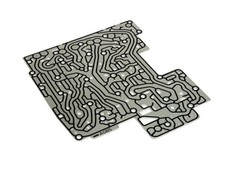
- Lift the circuit board, then swap solenoids one bore at a time so each new piece goes into the position its color and type match.
- Fit new O-rings to every solenoid and lube them with clean ATF. Look over the harness and connector sleeve while it is apart; if the plastic is cracked or brittle, the 6HP26 solenoid kit with harness replaces both at once.
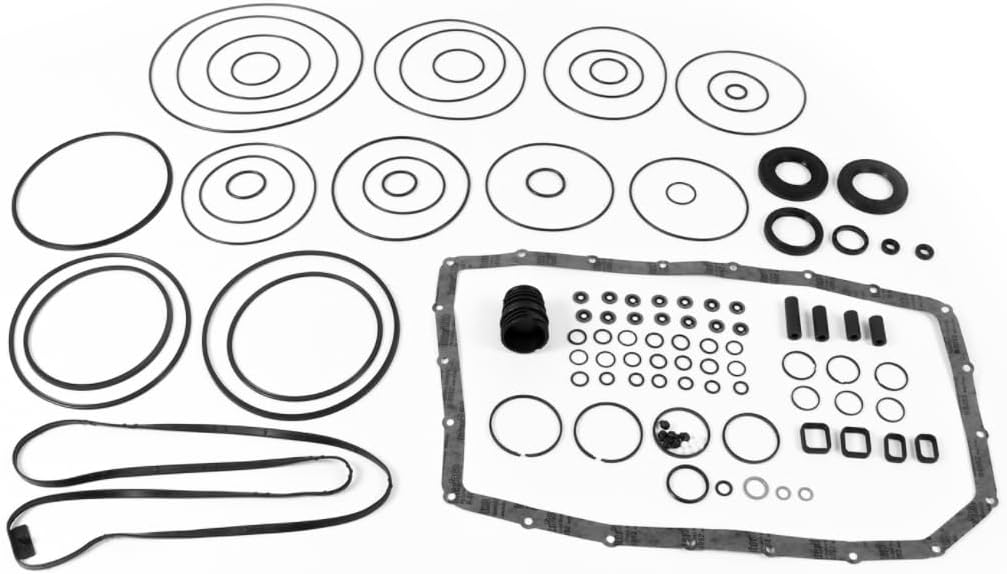
- The pan on most 6HP26 cars is plastic with the filter built in and should be replaced with a new pan or gasket, such as the 6HP26 pan, filter and gasket kit.
- Refill with ZF LifeguardFluid 6 or an approved equivalent, setting the level with the engine idling and the fluid in its specified temperature range.
- Clear codes and reset the shift adaptations with a capable scan tool, then drive it through every gear gently so the module relearns the new flow rates.