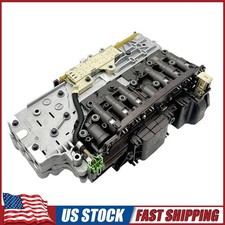
If a 2010-2019 Silverado, Tahoe, Suburban, Camaro, Corvette, Sierra, Yukon or Escalade has started shifting harsh, shuddering under light throttle, or throwing a transmission control module code, the valve body is one of the first places a shop looks on the 6L80. This is a remanufactured valve body built for 2010-2019 production, the span where GM carried the TEHCM-integrated control module on the unit and later issued a thermal bypass valve fix for shudder complaints.
What the valve body does on a 2010-2019 6L80
On these model years the valve body is bolted directly to the TEHCM, the transmission electro-hydraulic control module that houses the shift and pressure control solenoids. The valve body itself routes line pressure through spool valves and clutch regulator valves to apply the 1-2-3-4 clutch, the 3-5-R clutch, the 4-5-6 clutch and the bands, while the TEHCM times when each one fires. Because the two parts share mounting and electrical connections, a worn valve body on a 2010-2019 unit usually shows up as both a hydraulic complaint and a stored electronic code at the same time.
Symptoms that point to this valve body
- Harsh, delayed or flared shifts, especially 1-2 and 2-3
- Torque converter clutch shudder or surge at light, steady throttle
- Codes P0716, P0717 or P0751 for input speed sensor or shift solenoid faults
- Overheating or a stored high transmission fluid temperature code
- Slipping between gears or no upshift under load
Our 6L80 valve body problems and testing guide walks through separating a hydraulic valve body fault from a wiring or TEHCM-only fault before you spend money.
How to confirm it before you buy
Scan for codes first. P0716, P0717 and P0751 point at the valve body and TEHCM together, while a shudder complaint with no stored code often traces to a plugged thermal bypass valve rather than the valve body itself. Our 6L80 common problems and fixes guide breaks down the seven failures that actually show up on this transmission, including the clutch wear that can mimic a valve body problem.
Fitment: 2010-2019 applications
This unit is built for 6L80 production from 2010 through 2019, which covers Chevrolet Silverado and GMC Sierra, Tahoe, Suburban, Yukon, Escalade, Camaro and Corvette depending on year. GM issued thermal bypass valve coverage on 2014-2019 Silverado and Sierra and 2015-2020 Tahoe, Suburban and Yukon under RPO MYC, so a 2014-and-up truck with a shudder complaint should have that bulletin checked alongside this valve body. Confirm your casting and connector against the original before ordering, or send your year, vehicle and VIN and we will verify fitment. Every 6L80 part we carry is on the 6L80 parts page.
Install notes
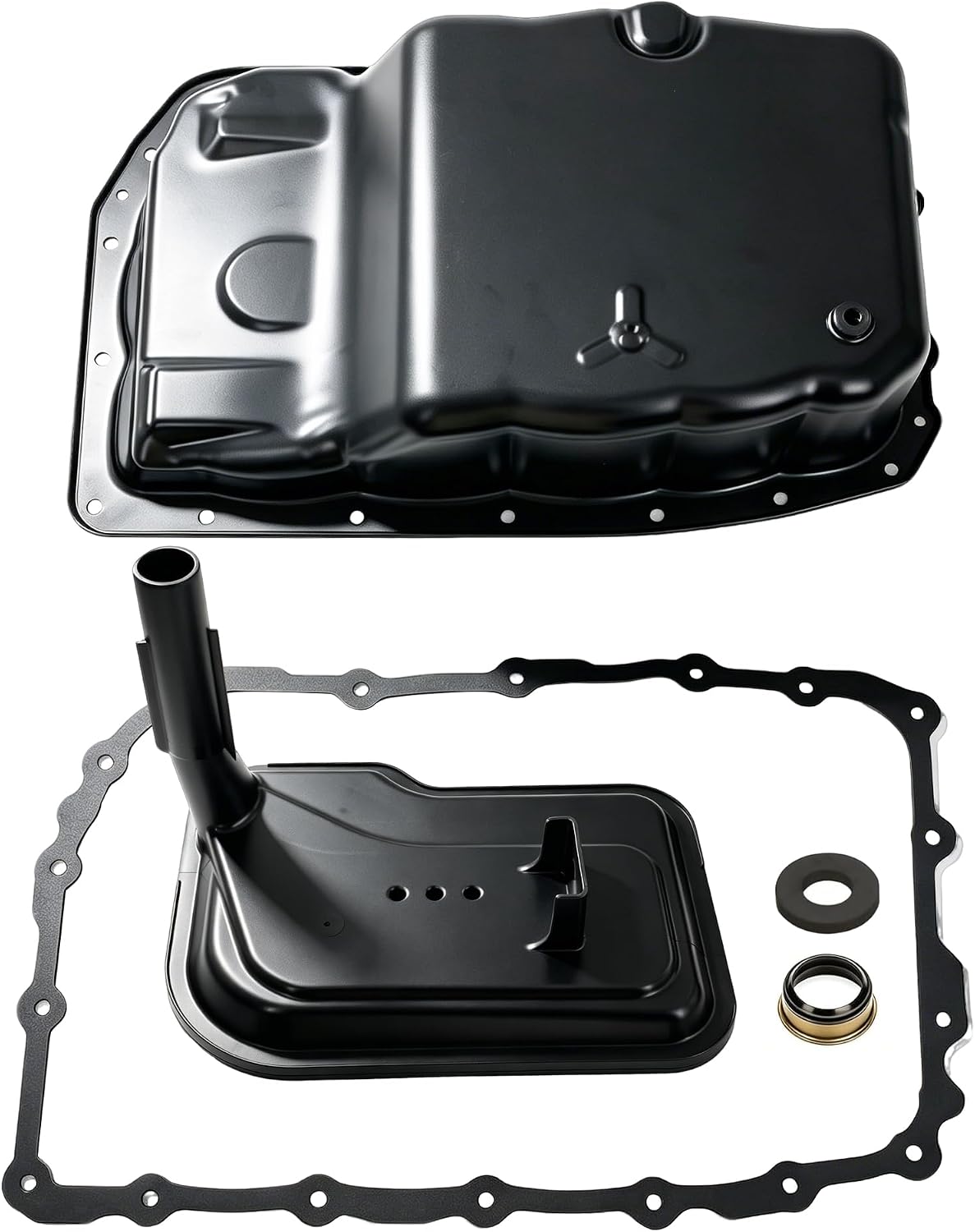
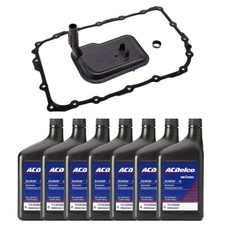
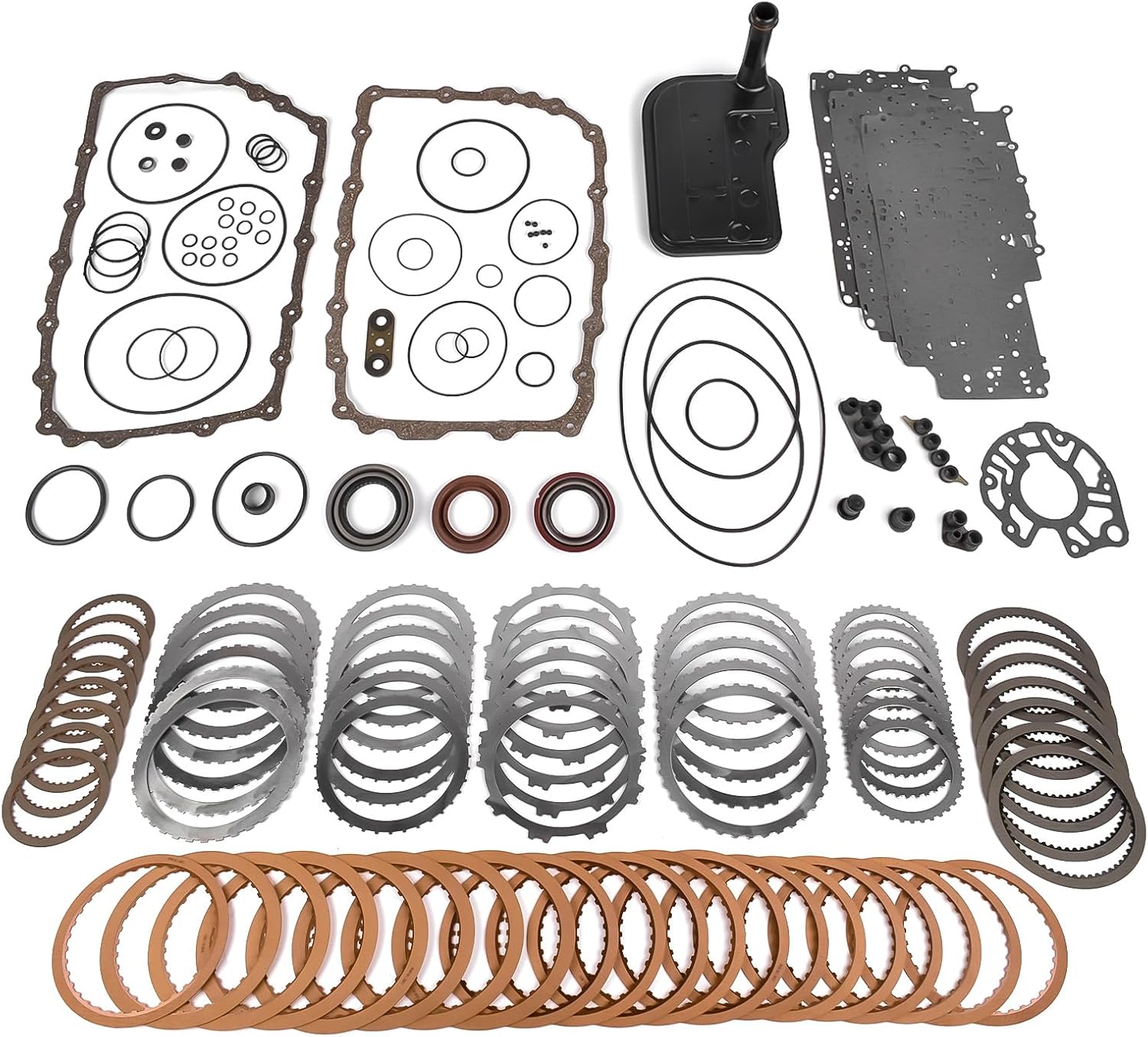
Drop the pan and change the filter at the same time so debris from the old valve body does not circulate through the new one, and refill with Dexron VI to the correct level. Torque the valve body bolts in sequence to spec and run the transmission control module's adaptive relearn after the first drive cycle. If the truck has a shudder complaint, check the transmission cooler and lines for the thermal bypass update at the same time, since a plugged cooler circuit will bring the shudder right back; our 6L80 transmission cooler and the 6L80 cooler line replacement guide cover what GM's bulletin actually calls for. If you are rebuilding the unit at the same time, a 6L80E master rebuild kit with filter covers the soft parts behind it.