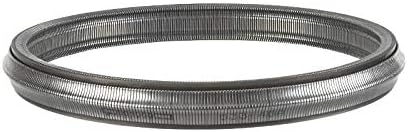
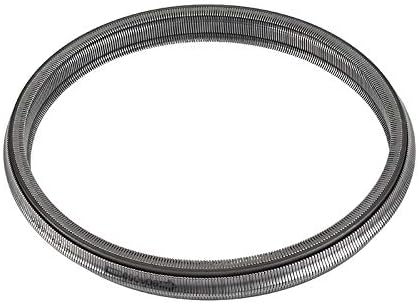
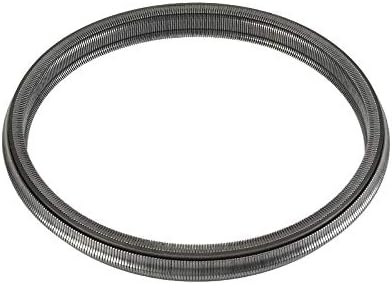
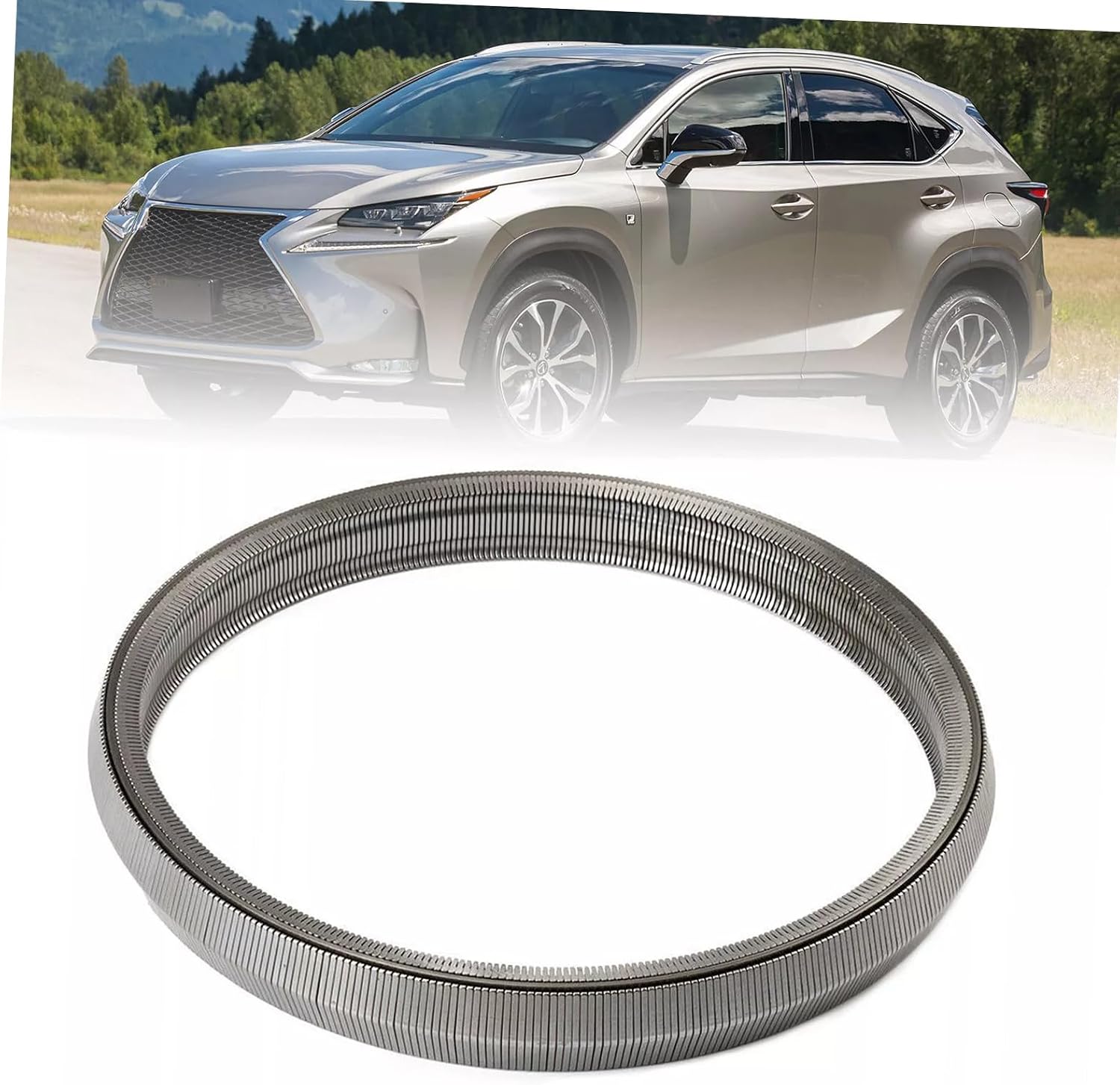
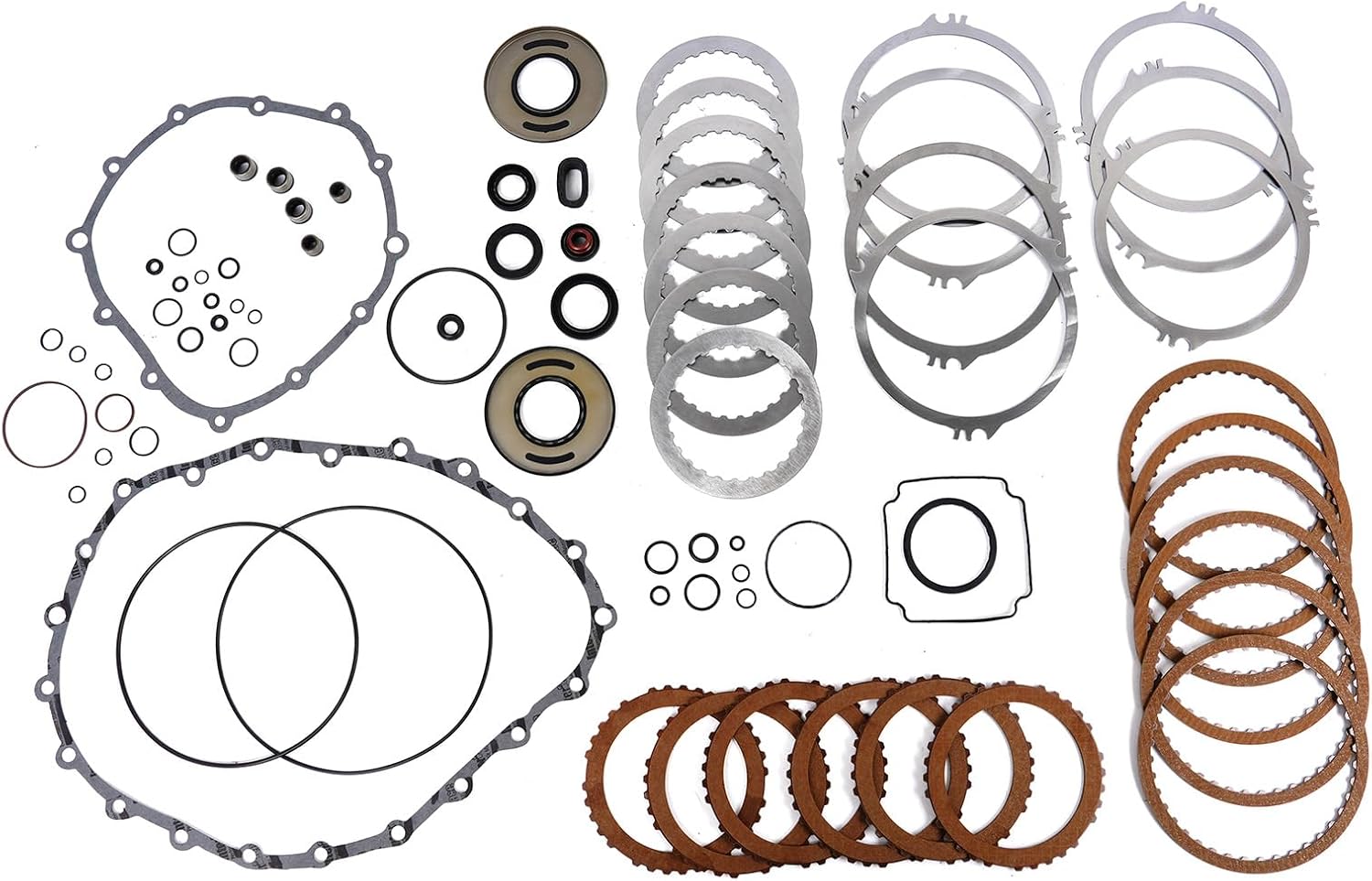
A first-generation Mini Cooper with the automatic that flares, slips when you press the gas, or shudders pulling away is usually running the ZF VT1F continuously variable transmission, and a worn drive belt is one of the parts behind those complaints. This is the steel drive belt for that unit, reference numbers 901050, 901086 and 901064, listed for the VT1F, CFT25 and CFT27 transmission codes. It is sold as a chain in many catalogs, but in this transmission it is a push belt: a stack of steel segments held together by thin steel bands.
What the belt does in the Mini VT1F CVT
The VT1F (Mini calls it the GA CVT16Z) has no fixed gears. Two pulleys, each made of two cone-shaped halves, are linked by this belt. Hydraulic pressure squeezes the pulley halves together or lets them spread apart, which moves the belt up or down on each pulley and changes the ratio smoothly. Every bit of engine torque on the way to the front wheels passes through the friction between the belt and the pulley faces. When the belt flanks or the pulley faces wear, the clamping force cannot hold the belt, and it slips.
Symptoms of a worn CVT belt
- Engine speed rises under acceleration with no matching gain in road speed (flare)
- Shudder or judder at light throttle from a stop or at low speed
- A whine or drone that follows engine speed instead of road speed
- Weak acceleration and a feeling that the car is pulling through a rubber band
- Metal particles on the pan magnet and a dark, burnt fluid smell
Not every slip is the belt. Low or wrong fluid, a clogged filter and pressure-control problems cause the same feel, which is why diagnosis comes first. Our guide to CVT slipping under load walks through the order of checks.
How to confirm the belt is the problem
Start with the fluid: level, smell and what is on the magnet. Fine grey paste is normal wear; flakes and slivers of steel mean the belt or pulley faces are coming apart. Scan for stored transmission codes and check whether the problem changes as the fluid warms. If a fluid and filter service with the correct fluid does not settle it and the debris is heavy, the unit needs to come apart. Inspect both pulleys when it does: a new belt on scored pulley faces will slip again. Our overview of CVT failure patterns across every brand shows how belt and pulley wear usually develop together.
Fitment
This belt is listed for 2002-2009 Mini Cooper models with the CVT, transmission codes VT1F, CFT25 and CFT27. In practice the CVT was offered on the non-supercharged Cooper: the R50 hatchback and the R52 convertible (catalogs list the R50 from 2002 and the R52 from 2005, both through 2008). The supercharged Cooper S (R53) used a manual or a conventional six-speed automatic, not this CVT, and the second-generation R56 hatch also went to a conventional automatic, so neither takes this belt. Confirm the transmission code on your unit's tag, compare against the numbers above, or send us the year and VIN before ordering. Browse more parts in our CVT parts collection.
Install notes
- This is a bench job. The transmission comes out and the case is split to reach the variator.
- Fit the belt with the pulley pairs handled as an assembly. The belt cannot be stretched over set pulleys, so the movable pulley halves have to open to let it in.
- Check the pulley faces for scoring or a step worn into them; replace damaged pulleys instead of fitting a new belt to them.
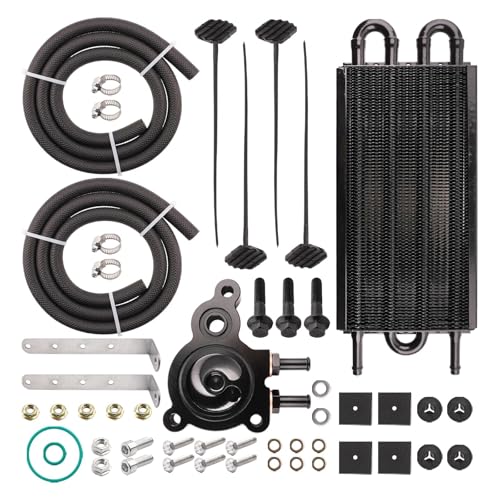
- Replace the filter and pan gasket, clean the magnet and flush the cooler and lines so old debris does not ride back into the new belt.
- Refill with the CVT fluid Mini specifies, ESSO EZL 799, or a fluid sold as its documented equal. Do not use the fluid meant for the six-speed automatic in the Cooper S. Fill slowly and set the level at operating temperature.
If the rest of the unit is tired, a harsh or late engagement after the rebuild points at valve body and pressure issues; see CVT harsh or delayed shifts before you pull it again.