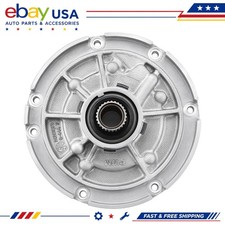
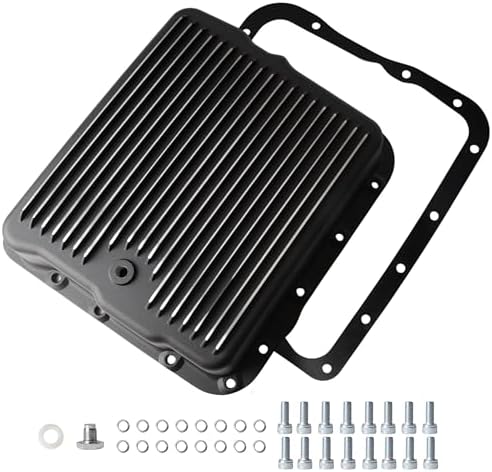
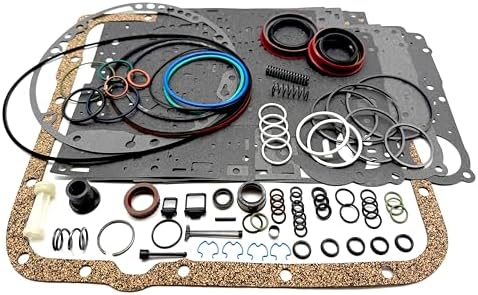
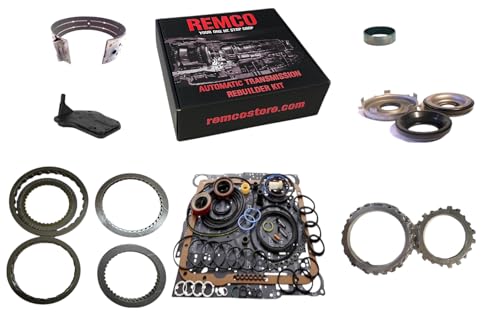
Searching for a 4L60E pump because your 1995-2003 Chevy or GMC truck takes too long to go into gear, slips when you lean on it, or whines with engine speed? This is a new GM 4L60E front pump assembly listed for 1995 through 2003, the long stretch of Silverado, Sierra, Tahoe, Yukon, Suburban, S-10, Sonoma, Blazer, Camaro and Corvette production. New matters here: these castings are now 20 to 30 years old, and a used or reworked core can carry bore wear you cannot see. It carries a 1-year warranty.
How the pump works in a 1995-2003 4L60E
The 4L60E uses a variable-displacement vane pump. The converter hub turns a rotor carrying 13 vanes inside a slide, and the slide pivots on a pin under control of the pressure regulator valve in the pump cover. Swinging the slide changes how much oil the pump moves, so it delivers high volume at low engine speed and backs off once pressure is up. The cover also houses the converter clutch control valving and the stator shaft that feeds oil into the converter.
The 1995 start of this range lines up with a real hydraulic change. That year GM added a pulse-width modulated converter clutch solenoid alongside the on/off solenoid, and from 1998 every 4L60E used the EC3 slip-controlled converter strategy. Both rely on clean, stable oil from the pump to the converter. The range ends at 2003, before GM's 2006 input speed sensor changed the pump and input shaft to accept a sensor.
Symptoms that point to the pump
- Long pause before drive or reverse engages, especially with hot fluid
- Slipping that shows up in all ranges
- Whine or buzz that tracks RPM even in park
- Converter clutch slip or shudder, sometimes with P1870 or P0741
- Repeat 3-4 clutch burn-up on a unit that has already been rebuilt once
That last one is worth thinking about. A rebuilder can install a new clutch pack, reuse a tired pump, and the low pressure torches the new frictions within months. If you are on your second 3-4 pack, the pump deserves suspicion.
Diagnose before you order
A line pressure gauge settles it. Check idle and stall readings in drive and reverse. Pressure low across the board points to the pump rotor, vanes, slide or seal rings. Pressure that drops only in reverse or at wide-open throttle points more toward the regulator and boost valve or a solenoid fault. Our guide to 4L60E pump rotor and bushing wear details what to look for, and the 1-2 accumulator guide covers shift-feel complaints that are often blamed on the pump by mistake.
Fitment
The listing covers 4L60E units built for 1995-2003 GM applications. Within those nine years GM made running changes to pump valving and seal-ring locations, so before ordering compare your old pump cover, the input shaft and the converter, or send us your year and VIN. It is not listed for 1993-1994 units, and it is not the design for 2006 and later units with an input speed sensor. See every pump, kit and hard part on our 4L60E transmission page.
Install notes
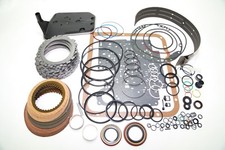
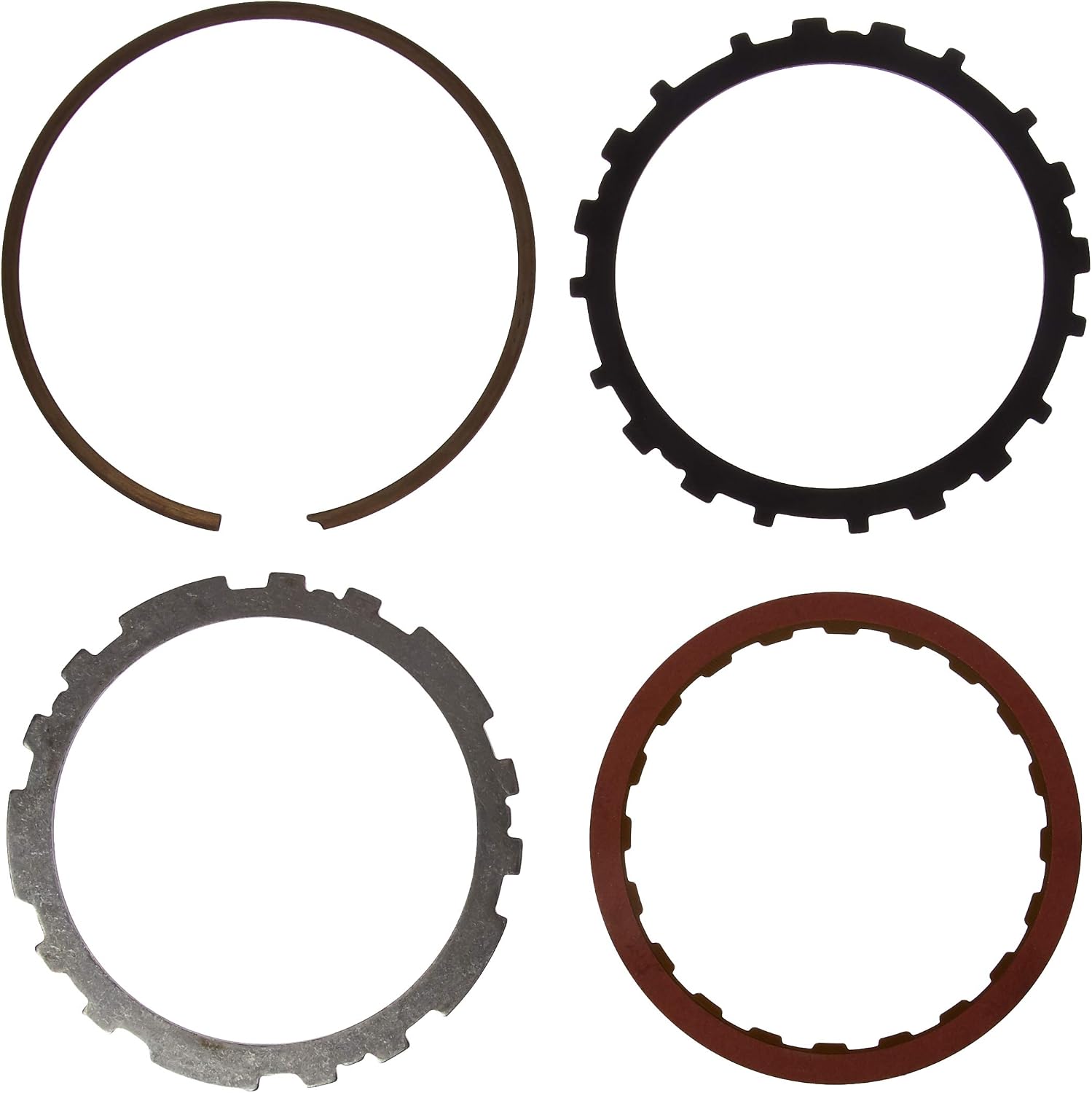
Check input shaft end play during teardown and reassembly, replace the front seal and the large pump O-ring, and torque the pump bolts in steps with the pump centered. A GM front pump alignment band keeps the bushing concentric with the converter hub. Look at the hub sealing surface and the stator shaft splines for wear, prime the pump with Dexron VI before first start, and verify fluid level hot. If the unit is open anyway, a master rebuild kit or the later 1997-2003 overhaul kit covers the seals and frictions a pump failure usually takes with it.