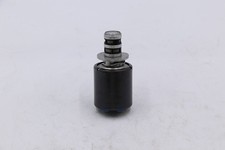
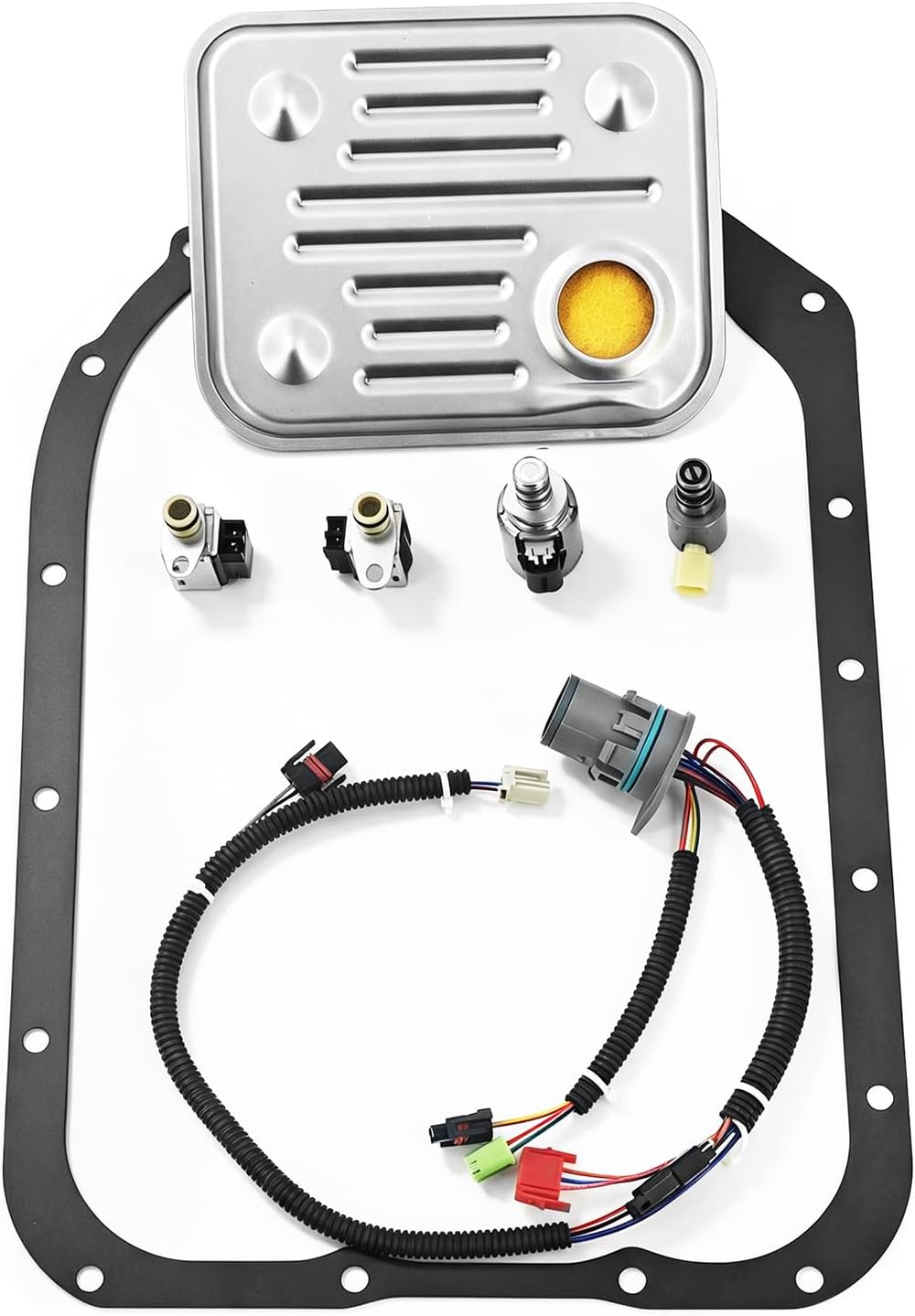
This is a new pressure control solenoid for the 4L80E built from 1996 through 2007, reference number 24220158. It is the part to look at when a Chevrolet or GMC 2500 or 3500, a Suburban 2500, or an Express or Savana van suddenly bangs into every gear, or when the shifts have gone soft and long and the fluid is starting to darken. Both complaints come from the same component, and one solenoid is far cheaper than a set of burned clutches.
What the pressure control solenoid does in a 4L80E
The 4L80E has no throttle valve cable and no vacuum modulator. The module reads throttle position, engine speed and load, picks a line pressure, and drives this solenoid with a varying current. The solenoid bleeds torque signal oil, that oil positions the pressure regulator valve, and the regulator sets line pressure for every clutch and band. The relationship is inverse: in the GM service data the current runs from about 0.1 to 1.1 amp, and more current means lower pressure. If the module sees the return current stray from what it commanded, it sets a code and drives line pressure to maximum on purpose so the clutches survive the trip home.
Symptoms of a failing EPC solenoid
- Every shift and every engagement into Drive or Reverse is harsh, no matter how lightly you press the pedal
- P0748, pressure control solenoid electrical, often with the truck held in a limp gear
- Soft, flared upshifts under load and a burnt smell when the solenoid leaks and pressure stays low
- Delayed engagement that is worse cold and improves as the fluid warms
- Slip or ratio codes that follow a pressure problem rather than a mechanical one
How to confirm it before buying
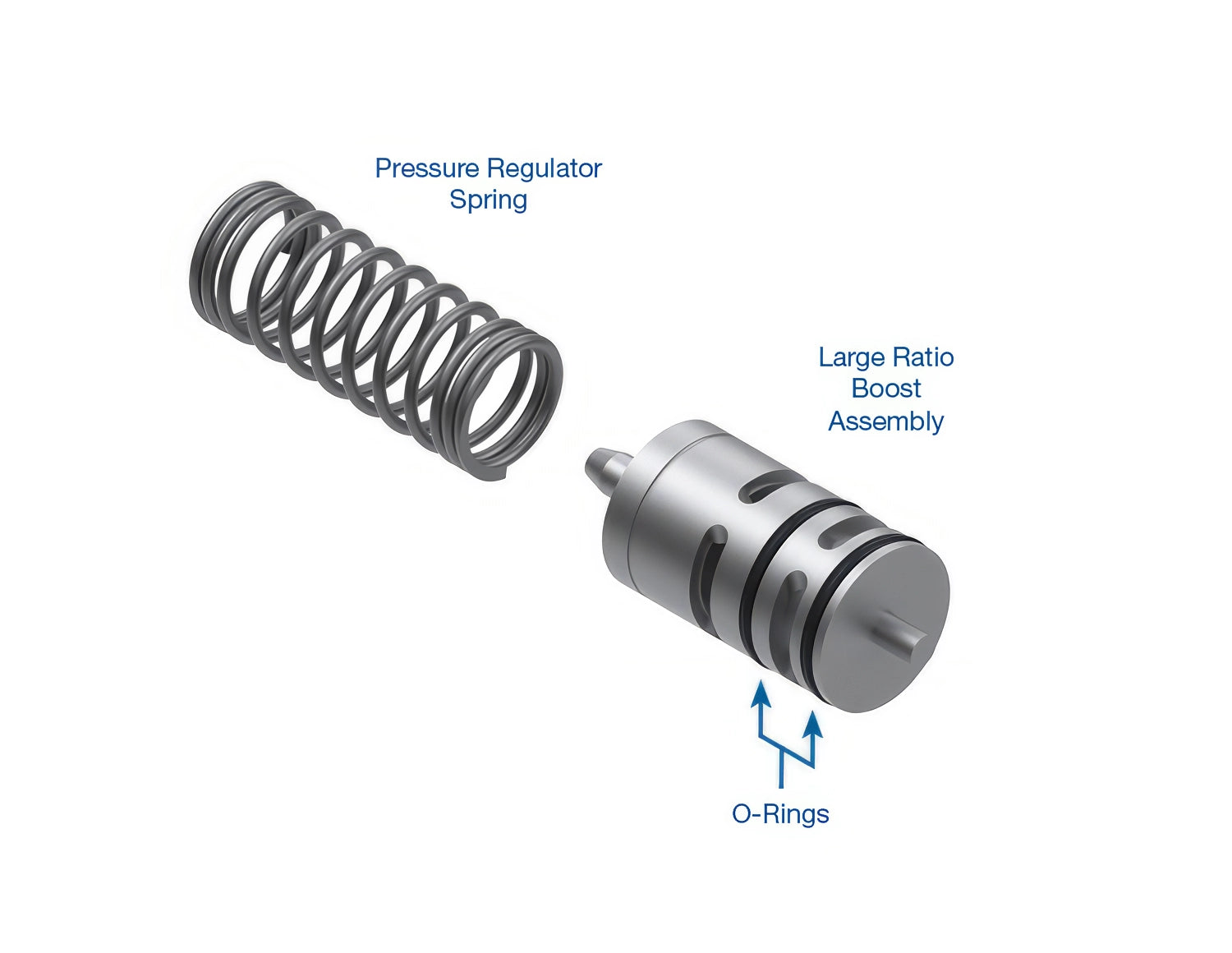
Do the electrical check first. With the internal harness unplugged at the case connector, the EPC reads roughly 3.5-5.2 ohms on the factory chart, and ATRA gives a slightly wider 3-8 ohm window for the later Holley-built design that these model years use. Then put a 325 psi gauge on the line pressure tap: the chart calls for 35 psi minimum at idle in Park, Neutral and Drive, and up to 324 psi in Reverse at greater throttle. A solenoid that measures correctly while pressure stays low points at the pump regulator, the boost valve or a worn actuator feed limit valve bore. On 1994-and-later 6.5L diesel trucks, a failing injection pump can also tell the module the engine is barely loaded, so it commands low pressure and burns clutches with a perfectly good solenoid. Our 4L80E low line pressure guide covers that trap, and the EPC solenoid symptoms guide has the full pressure chart.
Fitment
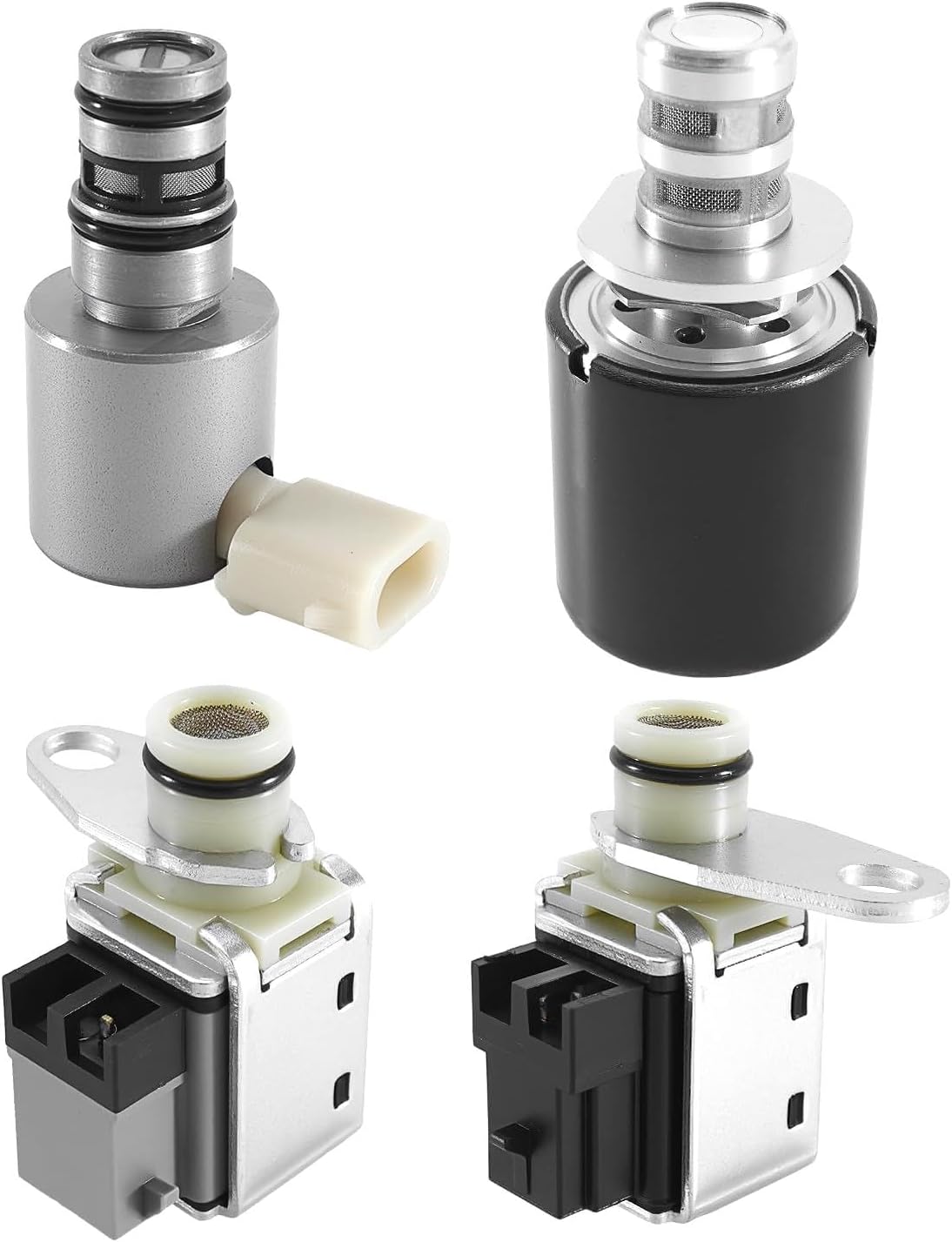
The listing covers the 4L80E from 1996 through 2007. All of those years fall after GM's 1994 switch from the silver Bosch force motor to the black Holley-style unit, so this is not the part for a 1991-1993 transmission that still has its original valve body. GM also revised the 4L80E internal harness and solenoids around 2004, so on a 2004-2007 unit compare the connector and body of your old solenoid with this one, or match the 24220158 reference, before you install. If anything does not match, send us your year and VIN. Other parts for this unit are on the 4L80E collection page.
Install notes
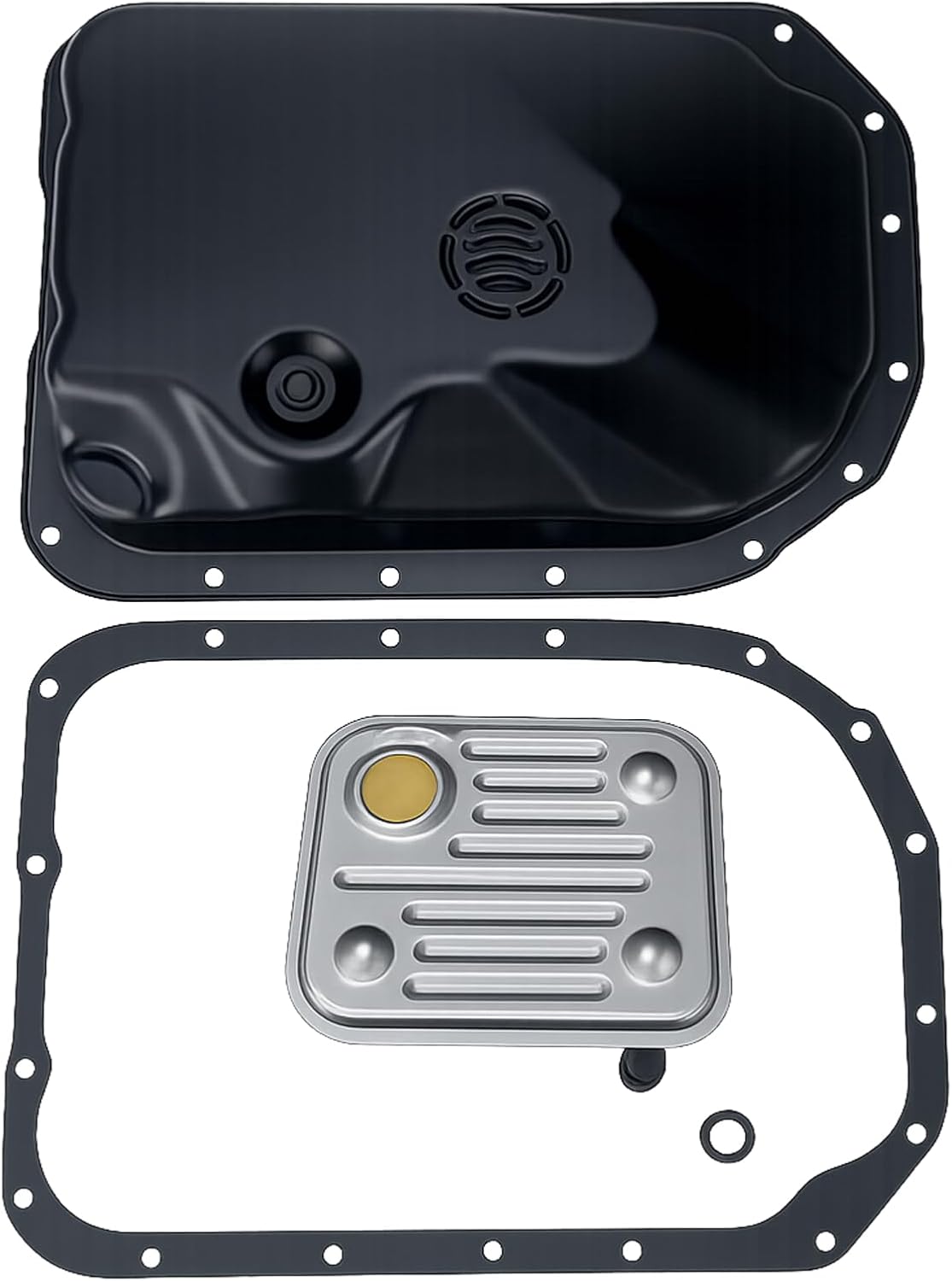
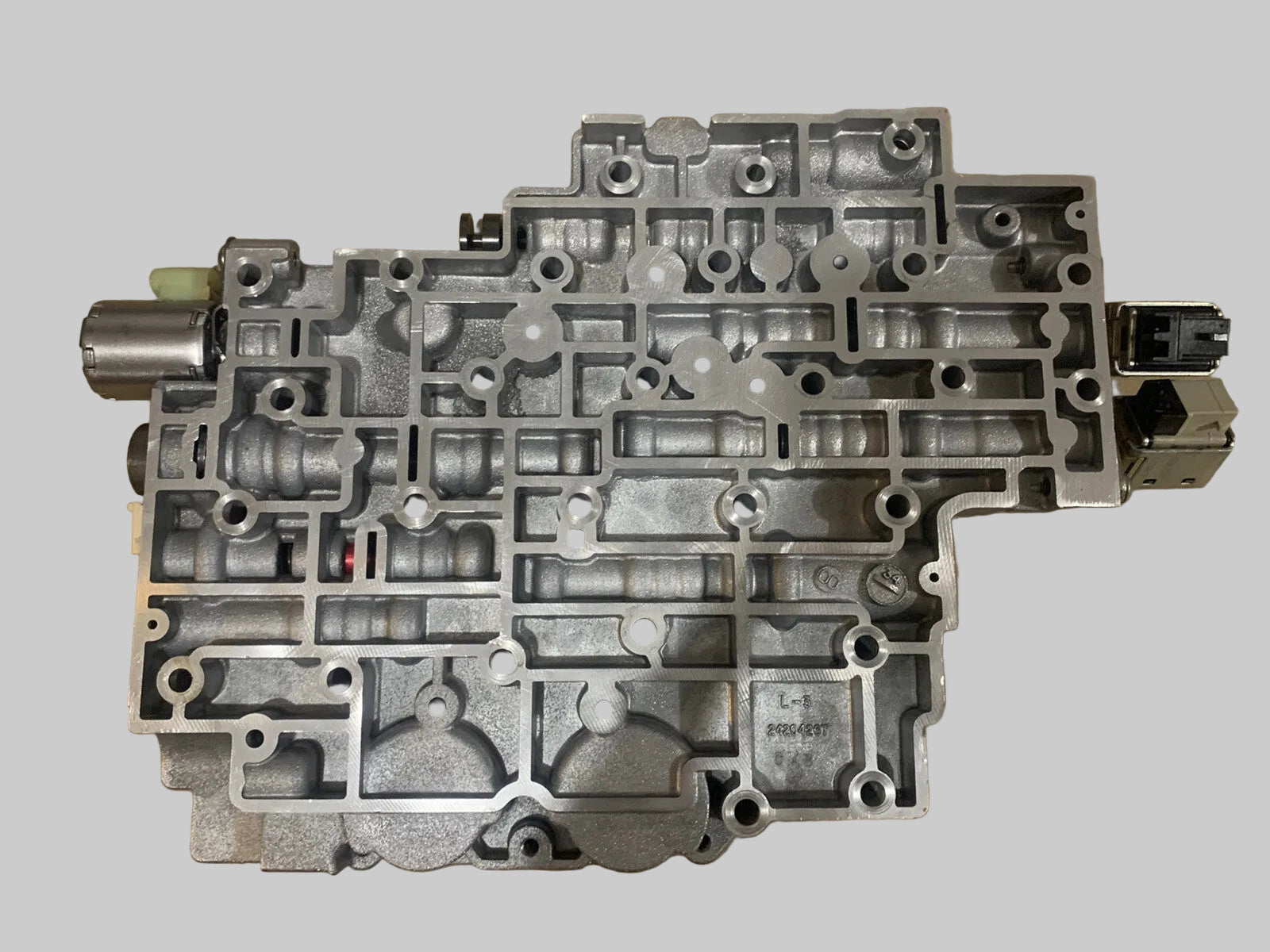
Drain the fluid, drop the pan and remove the filter. Unplug the solenoid, remove its retainer and pull it straight out of the valve body. Clean the bore, fit new O-rings lubricated with ATF and push the solenoid in by hand until it seats. Refill with Dexron VI, clear the codes, then confirm the repair with the gauge rather than by feel. If the EPC failed on a high-mileage unit, the shift and TCC solenoids have the same miles; a 2004-up solenoid kit with harness and filter or a separate 4L80E TCC solenoid can go in during the same pan drop.