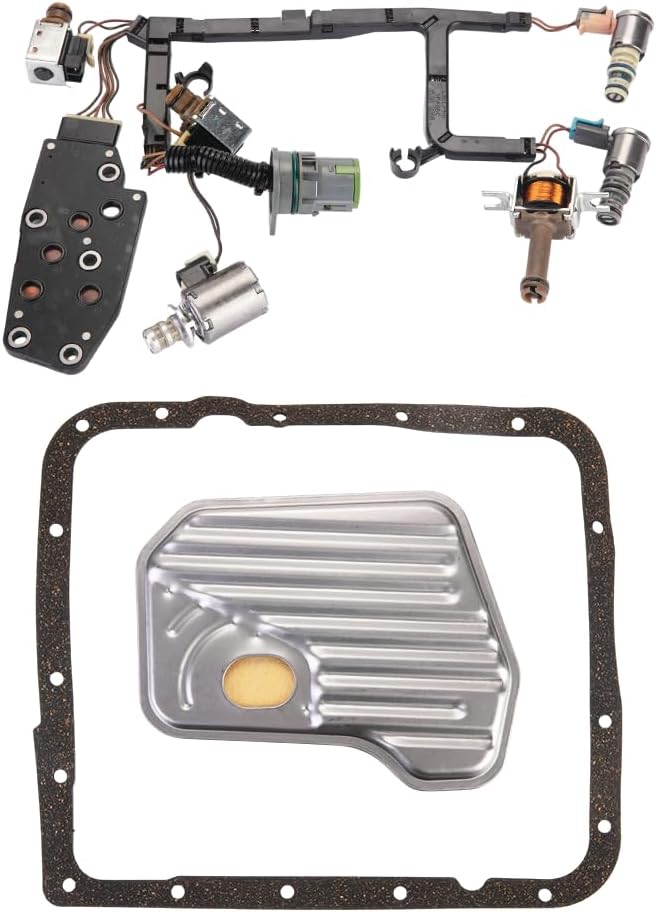
If you have a 4L60E out of a Silverado, Sierra, Tahoe, S10, Blazer, Camaro or Corvette sitting on the bench, the hard part is not pulling it apart. The hard part is knowing which washer went where, what the clutch clearances should be, and which of the check balls you just watched roll across the floor belongs in which pocket. This is the ATSG (Automatic Transmission Service Group) technical manual for the GM 4L60-E, the electronic successor to the 700R4 that GM used from 1993 on. It is a printed softcover service book, and it is the reference most rebuild shops keep open next to the case.
What this manual does for a 4L60E rebuild
A 4L60E is a stack of parts that only works when every clearance is right. Two planetary gearsets, four clutch packs, a 2-4 band, two one-way clutches and a valve body with check balls that are easy to misplace. The ATSG book lays that out in the order you actually work: disassembly sequence, pump and stator inspection, clutch pack clearance figures for the forward and 3-4 packs, selective and thrust washer charts, end play checks, and exploded views drawn in house by ATSG. On the electrical side it gives the solenoid and connector pinouts, line pressure and shift speed charts, and the trouble code list explained for this unit rather than as generic OBD text.
Problems the book helps you chase
- Burnt 3-4 clutches, often from low line pressure or a 3rd gear oil leak rather than the clutches themselves
- Lost 2nd and 4th, or no reverse, from a stripped reaction sun shell
- TCC slip and code P0741 from valve body bore wear
- Harsh or soft shifts and code P0748 from a worn pressure control (EPC) solenoid
- P0894 or P1870 with a harsh 1-2 after a converter or transmission swap, a case GM addressed in a service bulletin
How to decide if you need a teardown first
Before you buy parts, read codes and check the fluid level hot. A unit that has a code and clean fluid may only need a solenoid or valve body repair, and the manual's pinout and solenoid state charts let you test those in the pan without pulling the transmission. If the fluid is black and the pan has friction material in it, you are into a rebuild. Our 4L60E common problems guide walks the symptom side, and the overrun clutch guide explains one of the packs owners most often misdiagnose.
Fitment and coverage
This book covers the 4L60-E and the 4L60E-based units GM built from 1993 forward behind small block V8s, the Vortec 4300 V6 and the LS family. That includes Chevrolet Silverado 1500, Tahoe, Suburban, S10, Blazer, Camaro and Corvette, and GMC Sierra 1500, Yukon and Sonoma. GM revised internal parts over the run, including a 2007 change to the reaction carrier bearing and carrier, so use the book's charts together with the parts you actually pulled out. If you are not sure you have a 4L60E and not a 4L80E or 4L65E, send us the year and VIN and we will check. Parts for the unit are in the 4L60E collection.
Using it on the bench
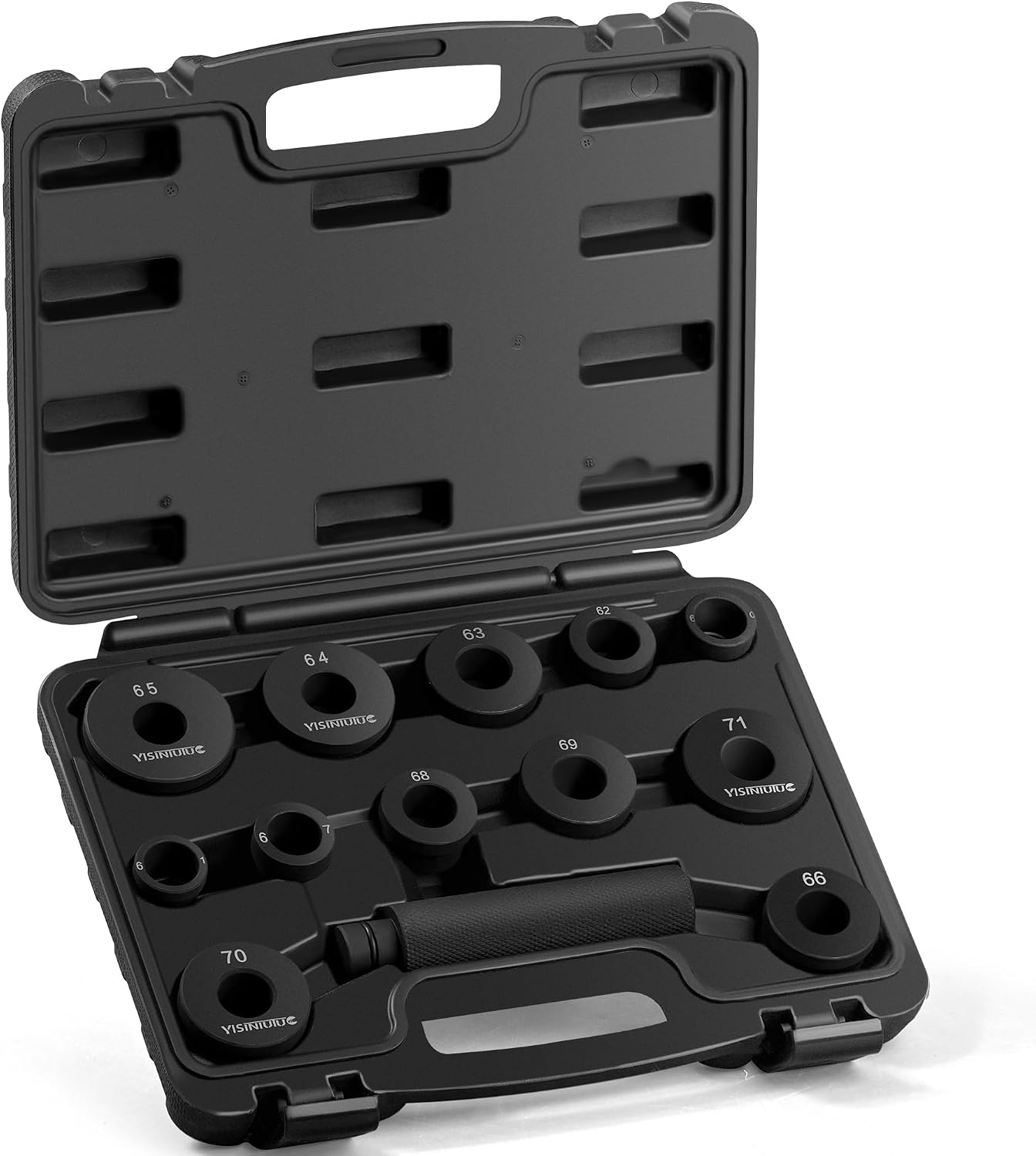
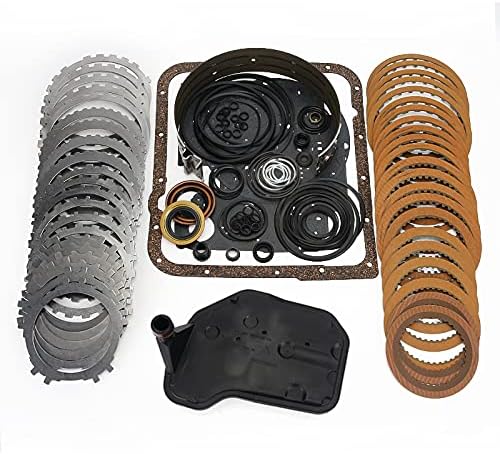
Read the disassembly section through once before you start, and bag and tag each assembly as it comes out. Check input shaft end play before teardown and again during assembly; Sonnax gives .005 to .035 inch as the range, and a reading outside it usually means mixed early and late gear train parts. Two tools save a lot of grief here: a low and reverse clutch spring compressor for the rear piston, and a bushing driver set for the case, pump and drum bushings. For soft parts, a matched 1993-96 rebuild kit or the 1997-2003 heavy duty clutch kit lines up with the clearance charts in the book. Refill with Dexron VI and check the level hot.