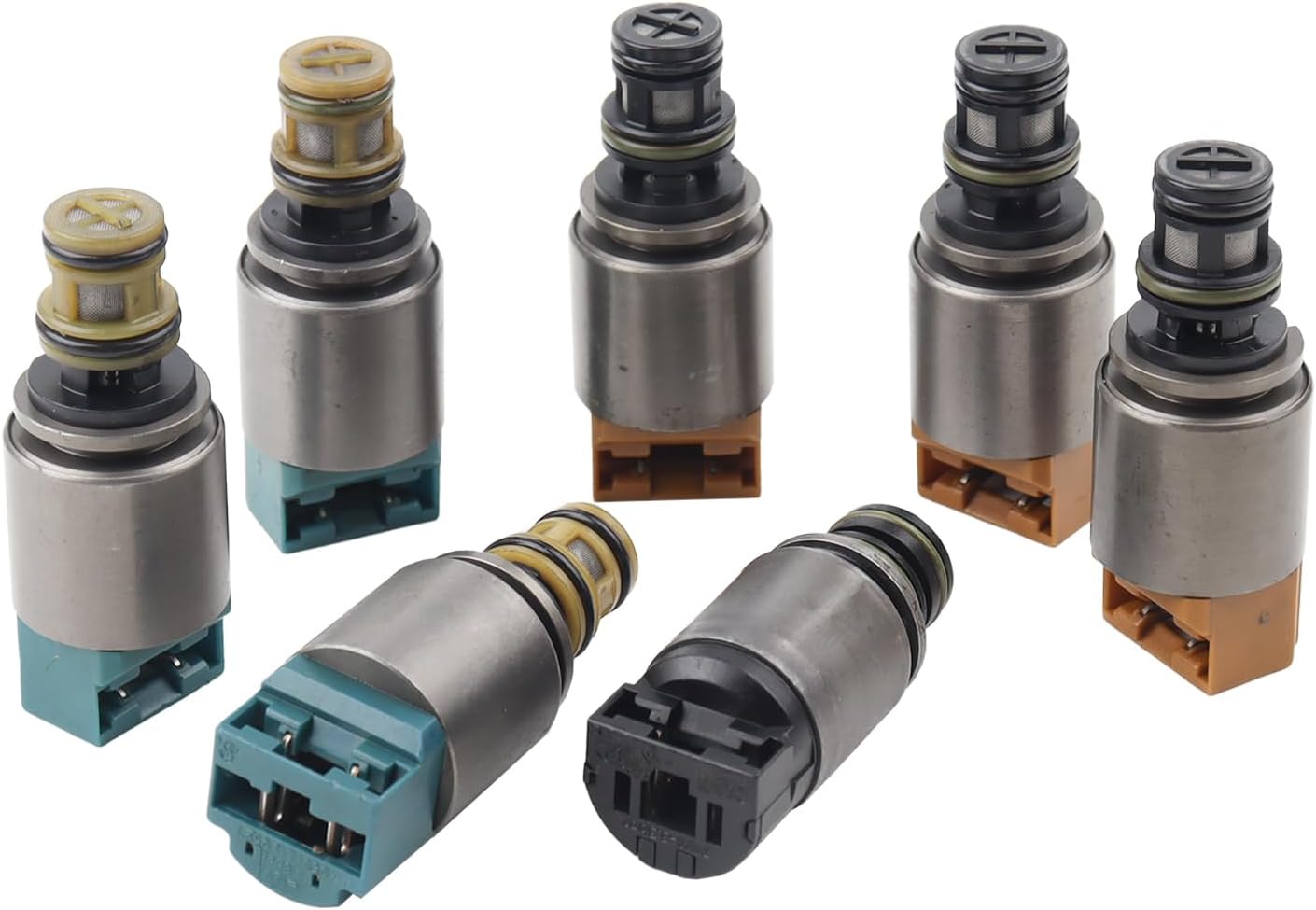
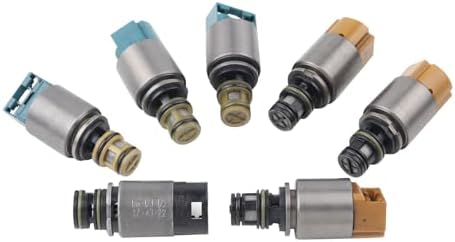
A BMW 330i or X5 that slams the 1-2 shift, an Audi A6 that hangs in a long flare between gears, or a Jaguar XJ8 that drops into limp mode with gear ratio codes all point at the same small parts on a ZF 6HP26 or 6HP19: the electronic pressure solenoids screwed into the mechatronic. This seven-piece set replaces the pressure regulating, converter clutch and shift solenoids most often worn out on these six-speeds, and it is a pan-down repair rather than a transmission removal.
How the solenoids run a 6HP26
The 6HP26 is a Lepelletier design: a simple front planetary feeding a Ravigneaux rear set, with three clutches and two brakes giving six speeds. The computer picks the gear by controlling current to the solenoids, and each solenoid sets the pressure on a clutch or regulating valve. The 6HP19, 6HP26 and 6HP32 are the first-generation units. They carry the MV1 solenoid and a single normally-applied EDS4 handling the D/E clutch function - the later 6HP21/28/34 dropped MV1 and split that job in two. That generation line matters when you order, and it is the main thing to check before buying this kit.
Every solenoid is fed by a single solenoid pressure regulator valve. A worn coil or a solenoid leaking internally means the commanded pressure never arrives, so the clutch either applies too hard or slips through the shift, and the adaptive tables keep correcting until they hit their limit.
Symptoms this kit addresses
- A harsh or banging 1-2 shift, or a hard drop into Drive or Reverse
- A long flare or a neutral bump between gears
- Delayed engagement into Drive or Reverse on a cold start
- Converter clutch shudder at light throttle in the 40-50 mph range
- Limp mode with ratio codes P0729 through P0736, P0741 for the converter clutch, or P0776 and P0778 on the pressure control circuit
How to confirm before buying
Start with the fluid level and condition - a low or burnt 6HP26 can throw the same codes. Then test the solenoids off the car. With the circuit board off the mechatronic, each should read 5 to 6 ohms at 68 F on a low-voltage ohmmeter, and each should hold over 21 in-Hg on a vacuum test manifold. Internal leakage is the most common way these solenoids fail, and a resistance check alone will pass a leaking one. The full procedure is in our ZF6HP shift solenoid guide. If the trouble is spread across nearly every gear, the shared regulator bore may be worn instead - check the pressure control solenoid guide before replacing solenoids. Model-specific write-ups: BMW 3 Series shift problems.
Fitment
The listing cross-references ZF numbers 1068298045 and 1068298046 and covers 2002-2011 rear-drive and all-wheel-drive applications, including the BMW 323i, 325i, 328i, 335i, 335d and 335is, the X3, X5 and 535i GT with xDrive variants; the 2002-2011 Audi A4, 2004-2011 A6 and the Q7; the 2009 Jaguar XJ8; the Hyundai Genesis and Genesis Coupe; the 2010 Kia Borrego; the 2005-2011 Aston Martin DB9 and the Maserati Quattroporte. Because the 6HP family uses two solenoid layouts across these years, read the ZF tag on the case and compare the connector and body of each solenoid in the photos with the ones you pull out. If your tag reads 6HP21, 6HP28 or 6HP34, the second-generation layout may apply. When in doubt, send us your year and VIN. The rest of our 6HP parts are on the ZF 6HP collection page.
Install notes
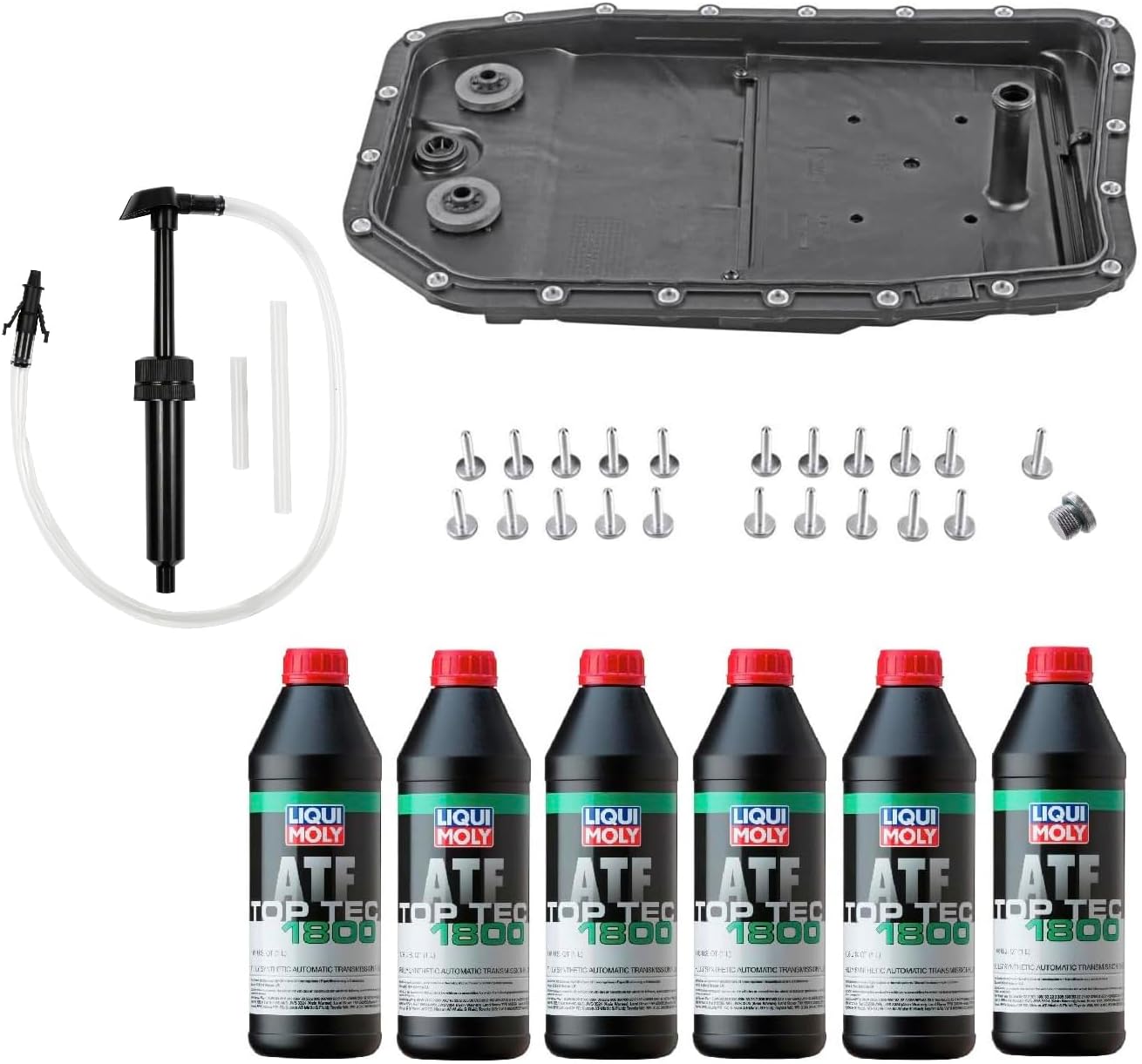
- Drain the fluid and drop the pan. On most 6HP26 applications the filter is part of the plastic pan, so order a new one such as our 6HP26 service kit with pan, filter and ATF.
- Unclip the solenoid retainers, unplug the harness and pull each solenoid straight out. Lube the new O-rings with ATF and seat each solenoid fully before re-clipping.
- Keep each new solenoid in the bore its predecessor came from. The computer learns flow per location.
- Inspect the harness while it is exposed. If the plastic is heat-cracked, the 11-piece kit with harness covers that too.
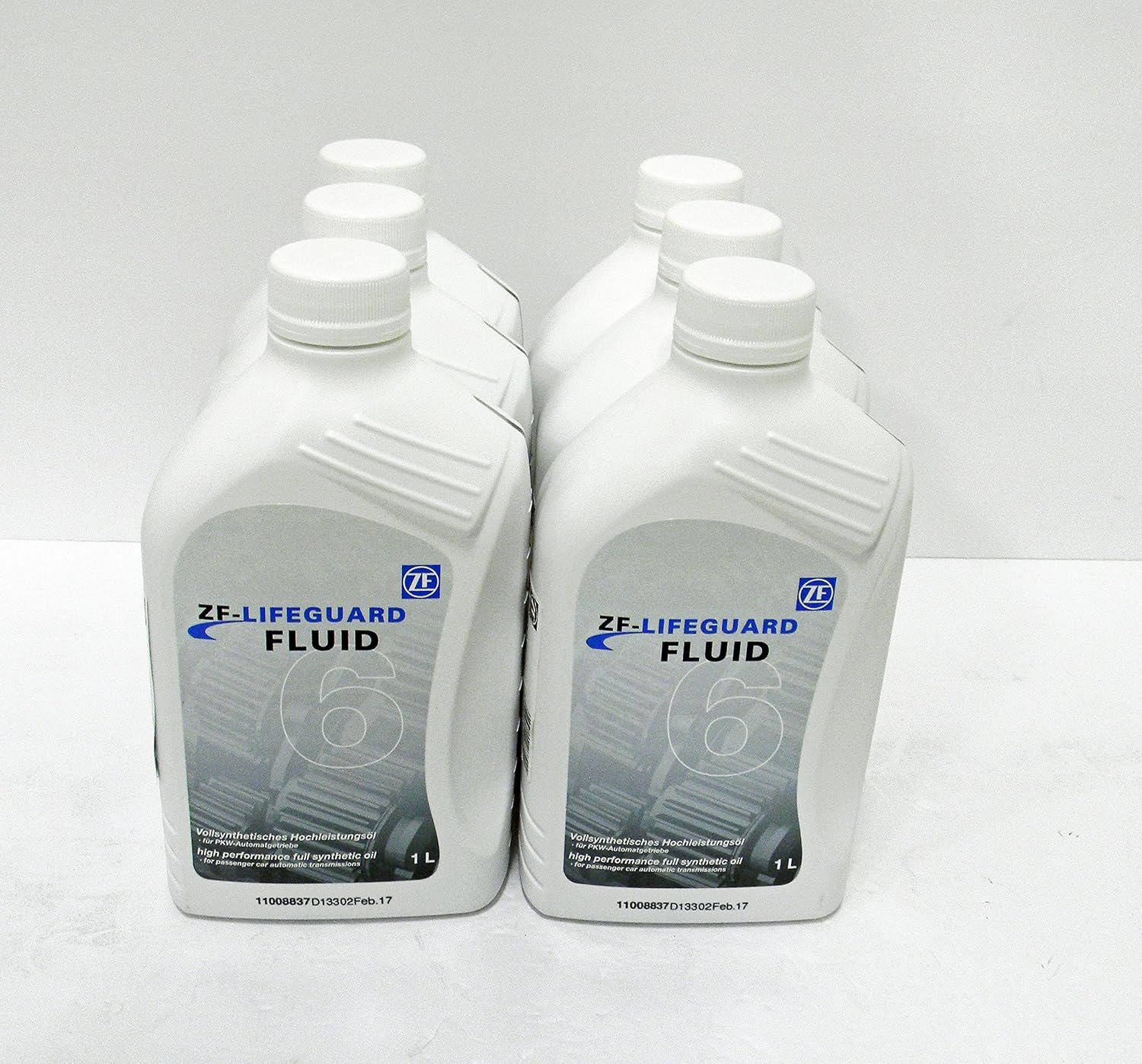
- Fill with ZF LifeguardFluid 6 at the fill plug with the engine idling until fluid runs out - there is no dipstick. Then reset adaptations with a scan tool.