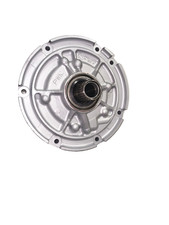
A 1996-2002 GM with a 4L60E that sits for a beat before it grabs drive, flares between gears once the fluid is hot, or hums along with the tach is usually telling you the front pump can no longer keep up. That covers a lot of vehicles: the last C/K 1500 pickups, the first GMT800 Silverado and Sierra 1500 from 1999, Tahoe, Yukon and Suburban, S-10, Sonoma and Blazer, plus the Camaro and Corvette. This listing is a remanufactured GM 4L60E pump assembly for the 1996-2002 span with a 1-year warranty, so you bolt in a finished pump instead of trying to save a scored body with a hone and a handful of parts.
What the pump does in a 1996-2002 4L60E
GM's own service information describes the 4L60E oil pump as a 13-vane, variable-displacement design. The torque converter hub drives the rotor, the vanes ride inside a pivoting slide, and the pressure regulator valve in the pump cover swings that slide to change output. At idle the slide sits at full stroke; as pressure builds, it moves toward center and the pump makes less oil. The PCM trims line pressure through the pressure control solenoid, but it can only work with the volume the pump actually delivers.
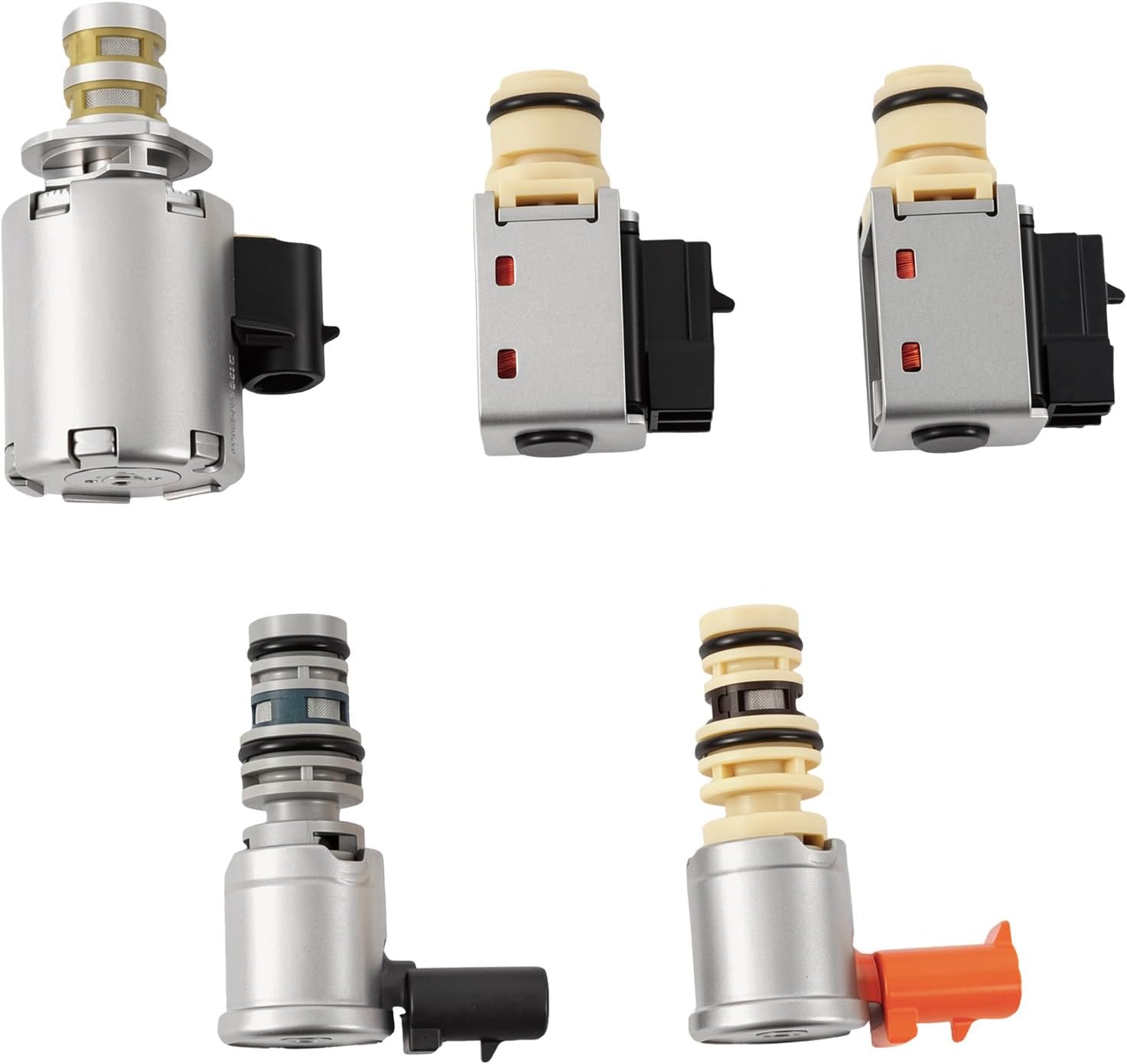
Two things make this year range its own animal. Every unit in it is the post-1996 electrical layout, with the on/off 3-2 downshift solenoid and the PWM converter clutch control GM added in 1995. And from 1998 GM ran its EC3 slip-controlled converter clutch strategy in all 4L60E applications, so the converter apply oil fed through the pump and stator shaft has to be steady for long stretches, not just at lockup. All of these years also predate the 2006 input speed sensor, which is mounted on the pump, so this is the non-ISS style.
Symptoms of a worn pump on these years
- Delayed engagement into drive and reverse, worst after a long highway run
- Slipping in every gear rather than on a single shift
- A whine that follows engine speed in park, neutral and every gear
- Converter clutch shudder or slip codes such as P1870 or P0741, because converter feed oil passes through the pump
- A burned 3-4 clutch pack, the classic 4L60E failure that low line pressure accelerates
How to confirm it before you buy
Put a mechanical gauge on the line pressure tap and compare readings in drive and reverse at idle and at stall. Low pressure in every range points at worn pump elements. Pressure that is only short in reverse or at heavy throttle leans toward the regulator and boost valve bores, and Sonnax notes a worn slide pivot pin can push pressure either high or low. Trust the gauge over the commanded value on a scan tool. Our 4L60E pump rotor and bushing wear guide covers each wear point, and the 4L60E common problems guide helps rule out solenoid and valve body faults first.
Fitment
This pump is listed for the 4L60E from 1996 through 2002. GM made running changes inside that window, so match your old pump casting, the input shaft and seal ring layout, and the converter hub before you order, or send us the year and VIN and we will check it. It is not the pump for a 2006-and-later unit with an input speed sensor. Every listing for this transmission is on the 4L60E parts page, including the 1998-2003 pump if your truck falls in that overlap.
Install notes
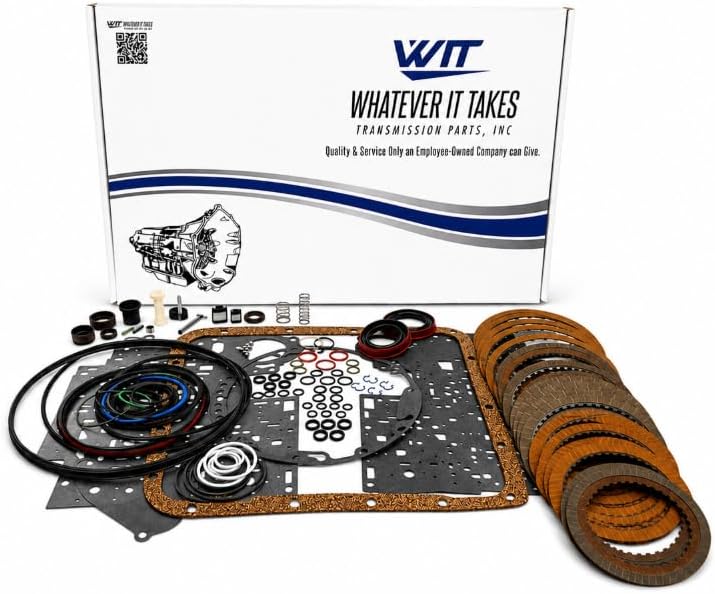
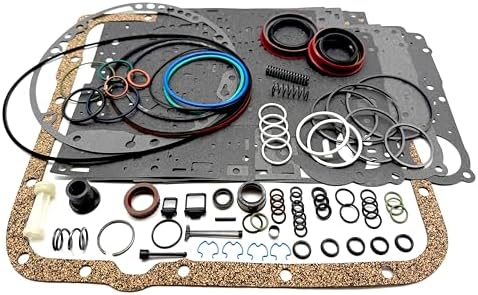
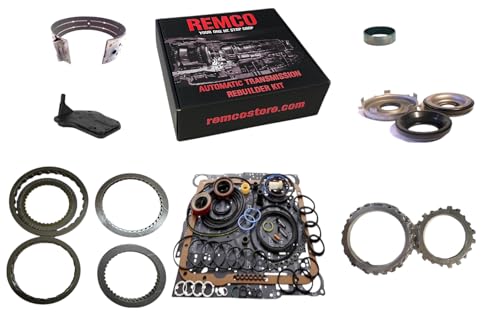
Pull the old pump with a slide-hammer style remover such as the SST-1055 pump remover and end play tool, and measure input end play before you tear down further. Fit a new front seal and pump-to-case O-ring, then center the pump with an alignment band while you torque the bolts evenly so the bushing does not side-load the converter hub. Inspect that hub for grooves; a scored hub eats a new seal and bushing quickly. Prime the pump with Dexron VI before first start, set the level hot, and if the original failure burned clutches, plan on a 1997-2003 overhaul kit and a fresh cooler flush so debris does not come straight back.